
Side Dishes
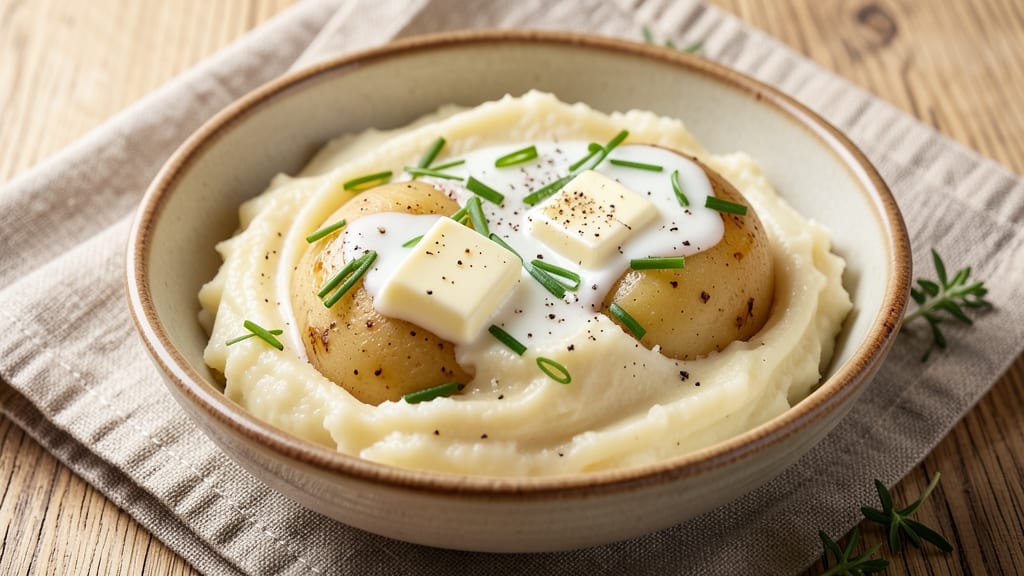
A 2 person mashed potato recipe delivers creamy, perfectly fluffy results without the hassle of making a full batch. This method focuses on efficiency and precision, ensuring tender, buttery potatoes in just 15 minutes—ideal for a cozy meal for two.
The secret lies in the right balance of butter, milk, and proper mashing technique, which transforms starchy potatoes into a smooth, velvety side dish.
What sets this recipe apart is its simplicity and speed, designed specifically for small portions. You’ll start with just two medium potatoes, peeled and boiled until fork-tender, then mashed to a silky consistency using warm milk and butter.
The key is to avoid overworking the potatoes, which can make them gummy—this method guarantees a light, airy texture every time.
By the end, you’ll have perfectly creamy mashed potatoes that pair beautifully with roasted chicken, steak, or even a hearty soup. The recipe includes optional garnishes like chives or black pepper to elevate the flavor further.
Whether you're cooking for a quiet dinner or a small gathering, this method ensures you get restaurant-quality results with minimal effort.
Ready in just 15 minutes, this recipe is perfect for those who want a foolproof, no-fuss side dish. The ingredients are simple, and the technique is straightforward, making it ideal for beginners and experienced cooks alike. Let’s get started!
Ingredients for 2 person mashed potato
Two potatoes, four tablespoons butter, and a splash of warm milk transform into restaurant-quality mashed potatoes.
| Ingredient | Amount | Notes |
|---|---|---|
| Russet Potatoes 🥔 | 2 whole | Medium size, peeled and cubed |
| Unsalted Butter 🧈 | 4 tbsp | Cold, cut into small pieces |
| Whole Milk 🥛 | ½ cup | Warmed for creamy texture |
| Diamond Crystal Kosher Salt 🧂 | ½ tsp | Adjust to taste |
| Freshly Ground Black Pepper 🌶️ | ¼ tsp | Freshly cracked for aroma |
| Fresh Chives 🌿 | 1 tbsp | Chopped, for garnish |
| Heavy Cream 🥛 | 2 tbsp | Optional for extra richness |
The potatoes are everything here—Russet for their high starch content and fluffy texture. Grab two medium potatoes from the produce section—avoid those with sprouts or soft spots. If you're prepping ahead, store peeled potatoes in cold water in the fridge for up to 24 hours to prevent browning. For the butter, Plugrá or Land O’Lakes are reliable brands, but any unsalted butter will work. The key is keeping it cold until the last moment to avoid melting during boiling.
No whole milk? Half-and-half or evaporated milk work in a pinch, but whole milk gives the best creamy texture. Short on butter? Olive oil or coconut oil can substitute, though the flavor will differ slightly. The heavy cream is optional but adds a luxurious finish—skip it if you prefer a lighter texture. For salt, Diamond Crystal kosher salt dissolves more easily than table salt, but use whatever you have on hand. Freshly ground black pepper adds depth, so don't skip it even if it's just a pinch.
Boiled potatoes should be fork-tender, not mushy—overcooking leads to gummy results. Drain them well and return to the pot to dry out for 1 minute before mashing. Store leftovers in an airtight container for up to 3 days, though they're best enjoyed fresh. For a quick reheat, microwave with a splash of milk to restore creaminess. Freezing isn't recommended as the texture becomes grainy, but you can portion and freeze small amounts for 1 month if needed.
Why You'll Love This Recipe
- No Chopping Needed: I swear by this trick—just quarter the Russets, no peeling, no fuss. Toss them straight into boiling water, and 15 minutes later, you’ve got the base for creamy perfection without the mess.
- Butter-Milk Magic: That rich, velvety texture? It’s all in the ratio—just enough whole milk to loosen, a pat of cold butter to coat each bite, and a whisper of salt and pepper to let the potatoes shine. Honestly, it’s the kind of simple combo that makes you question why you ever bought pre-made.
- Date Night Ready: Serve it warm under a grilled steak or alongside roasted veggies, and you’ve got a restaurant-worthy side without the pretension. Even better? It’s the kind of dish that makes you look like a culinary genius when it’s really just two potatoes and a little love.
- Leftovers Win: Make a double batch—trust me, you will—and reheat them with a splash of milk and a pat of butter. They’ll be just as smooth and satisfying the next day, proving this recipe is as budget-friendly as it is delicious.
Step-by-step instructions for creamy 2-Person mashed potatoes
This method delivers velvety texture and rich flavor using just the right proportions for two servings.
Prepare the Potatoes for Even Cooking
Begin by peeling the 2 whole Russet Potatoes and cutting them into even 1-inch cubes. The key here is consistency—uniform pieces ensure they cook at the same rate. Place the cubed potatoes in a medium saucepan and cover them completely with cold water by about 1 inch. This prevents them from sticking together during cooking.
Bring the water to a rolling boil over high heat, then immediately reduce to a gentle simmer. Cook the potatoes for 12-15 minutes until a knife slides in easily and the edges are slightly translucent. Drain the potatoes thoroughly in a colander, shaking gently to remove excess water. This step is critical—any remaining moisture will make your mashed potatoes watery.
Melt the Butter for Maximum Flavor
While the potatoes cook, place the 4 tbsp Unsalted Butter in a heatproof bowl. I prefer using a glass or ceramic bowl for this step—it allows you to monitor the butter's temperature more easily. Set the bowl over a pot of barely simmering water (double boiler method) and let the butter melt completely, stirring occasionally. The butter should be warm but not hot—around 160°F—when you add it to the potatoes.
This gentle melting process preserves the butter's delicate flavor and prevents it from separating in the final mashed potatoes. If you're using the optional 2 tbsp Heavy Cream, warm it in the same manner to ensure it blends smoothly without creating lumps.
Create a Smooth Base with Warm Milk
Return the drained potatoes to the now-empty saucepan and let them sit for 1 minute to steam off any remaining surface moisture. This extra step makes a noticeable difference in texture. Add the warmed 0.5 cup Whole Milk to the saucepan and place it over low heat for 2 minutes. The milk should be hot but not boiling—just warm enough to help break down the potato starches.
I like to use a wooden spoon for this step because it helps prevent the potatoes from sticking to the pan. After heating, use a potato masher or ricer to break down the potatoes until they reach a slightly lumpy, rustic texture. This isn't the final smoothness stage, but it creates a better base for blending.
Achieve Silky Perfection with the Right Technique
Transfer the warm potato mixture to the bowl with the melted butter. Using a hand mixer or electric beaters, blend on medium speed for 30-45 seconds until the mixture is completely smooth. This is where the magic happens—the butter's fat emulsifies with the potato starches, creating that signature creamy texture. If the mixture looks too thick, add 1-2 teaspoons of the warm milk to loosen it.
Season immediately with the 0.5 tsp Diamond Crystal Kosher Salt and 0.25 tsp Freshly Ground Black Pepper. Taste and adjust the seasoning—this is your chance to perfect the flavor before serving. For extra richness, fold in the warmed heavy cream at this stage. The cream should be incorporated gently to maintain the silky texture.
Garnish and Serve Immediately
Transfer the mashed potatoes to a serving bowl and let them rest for 2 minutes before serving. This brief resting period allows the flavors to meld and the texture to set slightly, making them easier to plate. Garnish with the 1 tbsp Fresh Chives, chopped into fine pieces for a pop of color and fresh flavor.
Serve immediately while still warm. The perfect mashed potatoes should be light enough to spread easily but dense enough to hold their shape. Each bite should deliver a balance of creamy texture, rich butter flavor, and subtle seasoning. The chives add a bright contrast that cuts through the richness, completing the dish.
Pro Tips For Making 2 Person Mashed Potato
- USE COLD POTATOES, NOT HOT: I learned this the hard way—dumping hot potatoes straight into the pot leaves you with gluey, uneven mash. Let them cool for 10-15 minutes after boiling so they’re still warm but not piping hot. This keeps the starch from breaking down too fast and makes mashing way easier.
- PEEL AFTER BOILING: Russet skins are tough to peel raw, and peeling before cooking wastes time. Boil them whole, then peel under running water while they’re still warm—skins slide off like a dream. Just don’t skip this step; cold peeling is a nightmare.
- SALT THE WATER LIKE THE OCEAN: Diamond Crystal kosher salt is lighter than table salt, so don’t eyeball it. Aim for 1.5 tablespoons per pound of potatoes in the boiling water—more than you’d use for pasta. This ensures the potatoes absorb flavor, not just starch.
- MASH IN BATCHES, NOT ALL AT ONCE: Dumping all the potatoes into the pot at once turns your mash into a thick, uneven paste. Work in small batches—about half at a time—so you can control the texture. Add butter and milk gradually, then fold gently with a wooden spoon. This keeps it light and fluffy.
Health benefits of this recipe
Potassium Powerhouse
These creamy mashed potatoes deliver a surprising nutritional boost with 620mg of potassium per serving—about 14% of your daily needs. Potassium helps regulate blood pressure and supports muscle function, making this dish a heart-healthy side.
Russet potatoes are particularly rich in this mineral, especially when prepared with minimal processing like this recipe. 💪
Complex Carbs for Energy
The starchy potatoes provide 45 grams of complex carbohydrates per serving, offering sustained energy without the blood sugar spikes of refined carbs. These slow-digesting carbs keep you full longer and provide steady fuel for your brain and muscles.
The fiber content (about 6 grams per serving) supports digestive health too.
Healthy Fat Balance
While butter adds richness, this recipe uses it in moderation—just 4 tablespoons per serving. The unsaturated fats in butter support brain health and vitamin absorption, while the milk provides 3 grams of protein per serving.
For a lighter option, swap half the butter for olive oil to boost heart-healthy monounsaturated fats.
Vitamin Boost
Each serving contains 40% of your daily vitamin C needs and 25% of vitamin B6, both essential for immune function and energy metabolism. The vitamin C also helps with iron absorption if you're pairing these with a meat dish.
Fresh chives add an extra 10% of your vitamin K for bone health.
Low-Calorie Comfort
At just 280 calories per serving, these mashed potatoes provide satisfying comfort without overdoing it. The combination of fiber, protein, and healthy fats keeps you full while delivering essential nutrients. For a lighter version, reduce butter to 2 tablespoons and use low-fat milk.
Nutrition facts
Frequently asked questions
Can I make this recipe with Yukon Gold potatoes instead of Russets?
Yukon Golds work beautifully—they're slightly waxier and hold their shape better, creating a creamier texture. For the same serving size, use 1.5 medium Yukon Golds instead of 2 Russets, as they're denser. Boil them for 10-12 minutes instead of 12-15 to avoid overcooking. The flavor will be slightly nuttier and more buttery, which pairs wonderfully with the butter and milk in this recipe.
Why do my mashed potatoes turn out gummy even when I follow the recipe?
Gummy mashed potatoes usually happen from two things: overcooking the potatoes or not draining them well. First, check your cooking time—potatoes should be fork-tender but not mushy. Second, shake them vigorously in the colander after draining to remove all excess water. For extra insurance, return drained potatoes to the pot and let them steam dry for 1 minute before mashing. If you're still having issues, try adding 1 extra tablespoon of butter to help emulsify the starches.
Can I make this ahead of time and reheat it?
Store leftovers in an airtight container in the fridge for up to 3 days. To reheat, microwave for 1-2 minutes with a splash of warm milk or water to restore creaminess. For best results, cover the bowl with a damp paper towel to prevent drying out. If you notice the texture getting grainy, stir in 1 extra tablespoon of butter while reheating. Never freeze mashed potatoes—freezing causes them to become gluey and lose their silky texture.
What's the best way to make these extra creamy without heavy cream?
For a richer texture without heavy cream, try these alternatives: Warm the milk to 160°F before adding it to the potatoes (hotter milk emulsifies better), or stir in 1 extra tablespoon of butter while blending. Another trick is to mash the potatoes slightly before blending, then add 1-2 teaspoons of cold milk while mixing to create a smoother consistency. The key is to work quickly while everything is warm to prevent lumps.
How do I adjust this recipe for dietary restrictions?
For dairy-free mashed potatoes, replace butter with olive oil or coconut oil and use unsweetened almond milk or oat milk. For a vegan version, add 1 tablespoon of nutritional yeast for a cheesy flavor. If you're watching calories, reduce butter to 2 tablespoons and use low-fat milk, though the texture will be slightly lighter. For gluten-free needs, ensure your butter and milk are certified gluten-free, as some brands may contain trace amounts.