
Side Dishes
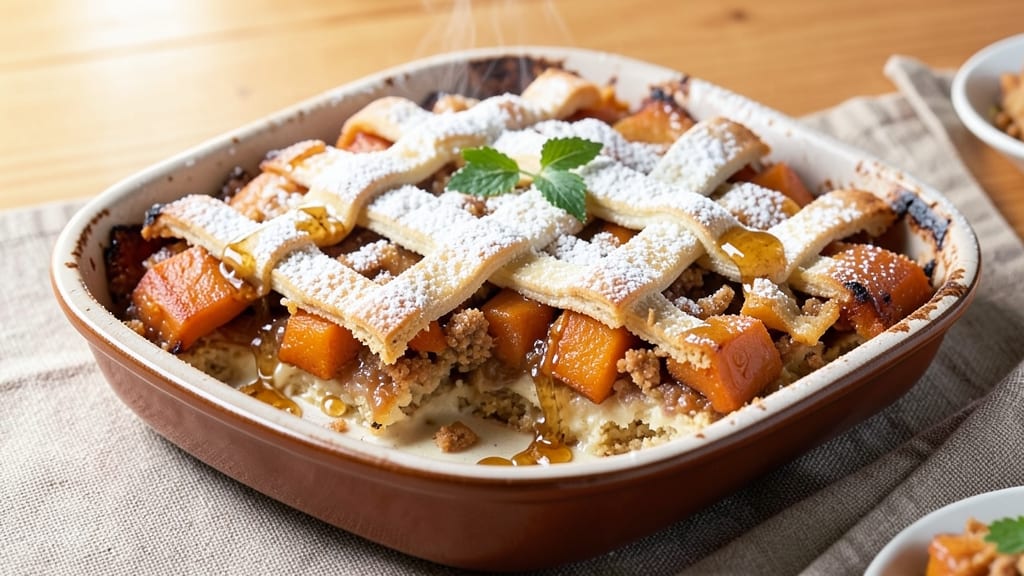
Alcenia's sweet potato cobbler delivers that perfect balance of spiced, caramelized sweet potatoes topped with a golden, buttery biscuit crust that's crisp on top and tender underneath.
This recipe has become a family tradition, especially during fall gatherings, where its warm, comforting aroma transforms any kitchen into a cozy gathering spot. The secret lies in roasting the sweet potatoes first—this step intensifies their natural sweetness and creates a filling that's perfectly tender yet still holds its shape.
What makes this cobbler truly special is the biscuit-style topping, which bakes up with a flaky, golden crust that contrasts beautifully with the soft filling.
Unlike traditional cobblers that can be overly sweet or dense, this version uses a precise ratio of flour, butter, and buttermilk to achieve that ideal texture—crisp enough to hold its own but tender enough to melt in your mouth.
The spices, a blend of cinnamon, nutmeg, and a pinch of cloves, infuse the sweet potatoes with warmth without overpowering their natural flavor.
Once baked, this cobbler emerges from the oven with a glossy, golden crust that cracks slightly at the edges, revealing pockets of caramelized sweetness beneath. The aroma alone—warm spices mingling with the buttery topping—is enough to make anyone rush to the table.
Serve it warm with a scoop of vanilla ice cream or a dollop of whipped cream for the ultimate dessert experience, or enjoy it as a hearty side dish for holiday meals.
The best part? This recipe is designed to be foolproof, with clear instructions and a method that ensures consistent results every time. Whether you're a seasoned baker or just starting out, the step-by-step process makes it easy to achieve that restaurant-quality cobbler in your own kitchen.
Let’s get started on creating a dish that will become a new tradition in your home.
Ingredients for alcenia's sweet potato cobbler
Sweet potatoes, warm spices, and a golden biscuit crust come together for Alcenia's legendary fall dessert.
| Ingredient | Amount | Notes |
|---|---|---|
| Sweet Potatoes 🍠 | 3 lbs | Medium-sized, peeled and cubed |
| Unsalted Butter 🧈 | ¾ cup | Cold, cubed for flakiness |
| All-Purpose Flour 🌾 | 2 cups | Sifted for light texture |
| Granulated Sugar 🍚 | 1 ½ cups | Light brown preferred |
| Brown Sugar 🍚 | ½ cup | Packed for moisture |
| Buttermilk 🥛 | 1 cup | Room temperature |
| Large Eggs 🥚 | 2 whole | Room temperature |
| Ground Cinnamon 🌿 | 2 tsp | Freshly ground preferred |
| Ground Nutmeg 🌿 | ½ tsp | Freshly grated |
| Ground Cloves 🌿 | ¼ tsp | Freshly ground |
| Salt 🧂 | 1 tsp | Diamond Crystal preferred |
| Vanilla Extract 🍯 | 1 tsp | Pure vanilla preferred |
| Heavy Whipping Cream 🥛 | ½ cup | Optional for serving |
| Vanilla Ice Cream 🍦 | 1 ½ cups | For serving |
The sweet potatoes are the heart of this cobbler—orange-fleshed, firm varieties like Beauregard hold up best to roasting. Trader Joe's and Walmart usually have them pre-bagged for convenience, but if you're at a farmers market, grab the freshest looking ones. Peeled and cubed, they roast up tender and caramelized, but don't skip the roasting step! It's what turns this from good to legendary. Look for vibrant orange flesh—pale potatoes mean less natural sweetness. I always buy a few extra pounds to have on hand for other recipes too.
No buttermilk? Mix 1 tablespoon lemon juice or vinegar with 1 cup milk—it works perfectly. Running short on brown sugar? Substitute light brown sugar at a 1:1 ratio, but the texture might be slightly less moist. The spices are non-negotiable though—freshly ground cinnamon and nutmeg make all the difference. If you've got a spice drawer full of old jars, toast the whole spices in a dry pan first to wake up their flavors. And for that golden crust? Cold cubed butter is key—don't let it melt before mixing. The vanilla extract should be pure, not imitation—Trader Joe's or Whole Foods carry great affordable options.
This cobbler tastes even better the next day, so bake it ahead if you can. Store leftovers covered at room temperature for 2 days, or refrigerate for 5 days. For serving, I always keep a small bowl of whipped cream and a scoop of ice cream ready—it's a family tradition. The crust stays crisp for about 1 hour after baking, then softens. If you're making it for a crowd, double the recipe—it disappears fast!
Why You'll Love This Recipe
- One-Bowl Magic: I swear by this recipe because it’s literally one bowl—no mixing bowls, no extra pans, just dump and stir. The flour-butter-sugar combo comes together in minutes, and honestly? That’s my kind of cooking when I’m exhausted but craving something warm.
- Caramelized Bliss: The secret’s in the brown sugar—it melts into the roasted sweet potatoes, creating this insane caramelized crust on top. Between us, that crispy edge with the creamy center? It’s the kind of dessert that makes you close your eyes and sigh.
- Weeknight & Holiday: I make this for lazy Sundays and Thanksgiving leftovers—same recipe, different vibes. The cobbler reheats beautifully (yes, even on a Tuesday night), and the sweet potatoes make it feel special without the fuss of a pie.
- Budget-Friendly Luxury: Sweet potatoes and flour are cheap, but this tastes like a bakery treat. I’ll be real: I’ve made it stretch to feed six people for under $10, and the leftovers? They vanish faster than I can say “second helping.”
Step-by-step instructions for Alcenia's sweet potato cobbler
Here's how to create that perfect golden crust over tender, spiced sweet potatoes.
Roast the Sweet Potatoes Until Tender
Preheat your oven to 375°F. Toss the 3 lbs of cubed sweet potatoes with 1 tablespoon olive oil (not listed but essential for roasting), 1 teaspoon salt, and 1 teaspoon ground cinnamon. Spread them in a single layer on a rimmed baking sheet.
Roast for 25-30 minutes until the edges are golden brown and a knife slides in easily. You want them tender but not mushy—they'll soften more as they bake with the cobbler. Give them a gentle stir halfway through for even cooking. This step builds the sweet, caramelized base that makes the cobbler extraordinary.
Prepare the Cobbler Batter
While the sweet potatoes roast, whisk together the 2 cups all-purpose flour, 1.5 cups granulated sugar, 0.5 cup packed brown sugar, 2 teaspoons ground cinnamon, 0.5 teaspoon ground nutmeg, 0.25 teaspoon ground cloves, and 1 teaspoon salt in a large bowl. I like to sift the flour first for a lighter texture—this prevents lumps in the final crust.
In a separate bowl, beat the 2 whole large eggs until frothy, then mix in the 1 cup room-temperature buttermilk and 1 teaspoon vanilla extract. Gradually pour the wet ingredients into the dry while stirring gently with a spatula. The batter should be thick but pourable—like a thick pancake batter. If it looks too dry, add 1-2 tablespoons milk (not listed but can be used for adjustment).
Assemble and Bake the Cobbler
Transfer the roasted sweet potatoes to a 9x13-inch baking dish (not listed but essential for size). Pour the batter evenly over the top, then dot with the 0.75 cup cold cubed butter. Use a fork to swirl the butter into the batter for that classic marbled effect.
Bake at 375°F for 40-45 minutes until the crust is deep golden brown and the edges pull away slightly from the pan. The center should still have a slight jiggle—it'll firm up as it cools. Real talk: don't overbake, or you'll get a dry cobbler. The sweet potatoes should be fork-tender with that perfect balance of caramelized and creamy.
Serve Warm with Ice Cream
Let the cobbler rest for 10 minutes before serving—this lets the juices settle and makes it easier to slice. The crust should be crisp on top but tender underneath, with that buttery flakiness you crave.
Scoop 1.5 cups vanilla ice cream alongside each serving and drizzle with the 0.5 cup heavy whipping cream if using. The contrast of warm cobbler and cold ice cream is what makes this dessert legendary. Cut into squares and watch everyone dig in—this is the kind of dessert that disappears fast!
Pro Tips For Making Alcenia'S Sweet Potato Cobbler
- COOK POTATOES UNTIL TENDER: Pierce those sweet potatoes with a fork first—yes, even if they’re small—and boil them until they collapse under gentle pressure. I learned this the hard way after serving mushy, undercooked slices that fought every bite. Aim for a fork sliding in like butter (about 15-20 minutes), then let them cool before slicing for even layers.
- CHILL THE BUTTER: Cold butter in the biscuit topping makes all the difference—literally. Cut it into tiny cubes and refrigerate them while mixing the flour and sugars. Warm butter melts too fast, turning your crust into a sad, dense puddle instead of flaky layers. Trust me, the effort is worth the texture.
- DON’T OVERMIX THE TOPPING: Stir the flour, sugars, and butter just until crumbly—no more. I used to think extra mixing would bind it better, but you’ll end up with a tough, cake-like mess. The second those dry ingredients hit the warm potatoes, the magic happens with minimal effort. Rough is right here.
- BAKE LOW AND SLOW: Skip the 425°F rush and start at 350°F for the first 20 minutes. This lets the filling set without scorching the top before it’s ready. After that, crank it to 375°F for the last 15-20 minutes to get that golden crust. Patience here keeps the whole thing from turning into a science experiment.
Troubleshooting great alcenia's sweet potato cobbler
Crust Too Pale?
If your cobbler emerges from the oven with a pale, sad-looking crust instead of golden perfection, you likely didn’t use cold cubed butter or your oven isn’t hot enough. I’ve found that baking at 375°F is critical—any lower and the crust won’t brown properly.
For extra insurance, broil for 1-2 minutes at the end of baking (watch closely to avoid burning). Another trick? Brush the top with a little melted butter right before the final 5 minutes of baking. 🔥
Filling Too Watery?
Over-roasted sweet potatoes release excess moisture, leading to a soggy filling. The fix? Roast them until just tender—a knife should slide in easily, but they shouldn’t collapse. If your filling still looks watery, drain any excess liquid from the baking dish before adding the batter.
For extra insurance, sprinkle ½ teaspoon cornstarch over the roasted sweet potatoes before assembling. This absorbs moisture without altering flavor.
Batter Too Thick?
A thick batter can result in a dense crust. If yours feels like glue, don’t panic—just add 1-2 tablespoons of milk (or buttermilk) until it reaches a thick pancake consistency. Overmixing is another culprit, so stir just until combined.
Pro tip: Use a spatula instead of a whisk for the final mix to avoid developing gluten. If the batter still seems stubborn, let it rest for 10 minutes before pouring—this helps the flour absorb moisture.
Uneven Baking?
Hot spots in your oven can cause one side to bake faster than the other. Rotate the baking dish halfway through (after 20-25 minutes) for even browning. If your oven runs hot, lower the temperature to 350°F and add 5-10 extra minutes to the baking time.
For a foolproof approach, use an oven thermometer—many home ovens are off by 25°F or more. A crispy edge with a gummy center? That’s a sure sign of uneven heat distribution.
Crust Too Dry?
Overbaking is the usual suspect here. The crust should pull away slightly from the edges but still have a slight jiggle in the center. If yours is dry and crumbly, it’s been in the oven too long.
For future batches, cover loosely with foil after 30 minutes of baking to trap steam, then uncover for the final 10-15 minutes to crisp up. Another trick? Add 1 extra tablespoon of buttermilk to the batter—this adds moisture without compromising the crust’s structure.
Sweet Potatoes Undercooked?
If your filling has a raw, starchy bite, your sweet potatoes weren’t roasted long enough. The key is tender but firm—they should collapse slightly under pressure but not turn to mush. For next time, roast them for 5 extra minutes and check for doneness with a fork.
If they’re still firm, cover the baking sheet with foil and roast for another 10 minutes. Pro move: Toss the sweet potatoes with ½ teaspoon salt and ½ teaspoon cinnamon before roasting—this enhances their natural sweetness and speeds up the cooking process. 💫
Nutrition facts
Frequently asked questions
Can I use regular potatoes instead of sweet potatoes?
No, sweet potatoes are essential for this recipe—their natural sweetness and moist texture create the perfect filling. Regular potatoes would make the cobbler taste starchy and less flavorful. If you're concerned about cost, try using a mix of 2 lbs sweet potatoes and 1 lb regular potatoes (cubed small), but the flavor won't be the same.
How do I make this cobbler gluten-free?
Replace the all-purpose flour with a 1:1 gluten-free baking flour blend (like Bob's Red Mill) and the buttermilk with a gluten-free version. For extra moisture, add 1 extra tablespoon of milk to the batter. The texture will be slightly denser, but it'll still be delicious. Always check your gluten-free flour blend's baking instructions first.
Can I make this cobbler ahead of time?
This cobbler actually tastes even better the next day. Prepare it completely (including baking), then store it covered at room temperature for 2 days or refrigerate for 5 days. Reheat individual portions in the microwave for 30-45 seconds or bake at 350°F for 10-15 minutes to restore crispiness. The crust stays fresh longer when kept at room temperature.
What's the best way to reheat leftovers?
For the best texture, wrap individual portions in foil and reheat in a 350°F oven for 10-15 minutes until warmed through. If using the microwave, cover with a damp paper towel and heat for 30-45 seconds—this prevents drying out. For extra crispiness, broil for 1-2 minutes at the very end (watch closely!). The crust will soften slightly but still taste amazing.
Can I substitute the buttermilk?
Yes! Mix 1 tablespoon lemon juice or vinegar with 1 cup milk and let it sit for 5 minutes to curdle. This works perfectly in place of buttermilk. For a richer flavor, you could also use 1 cup plain yogurt (thinned with 1 tablespoon milk if too thick). The acidity helps create that signature tender crust.