
Side Dishes
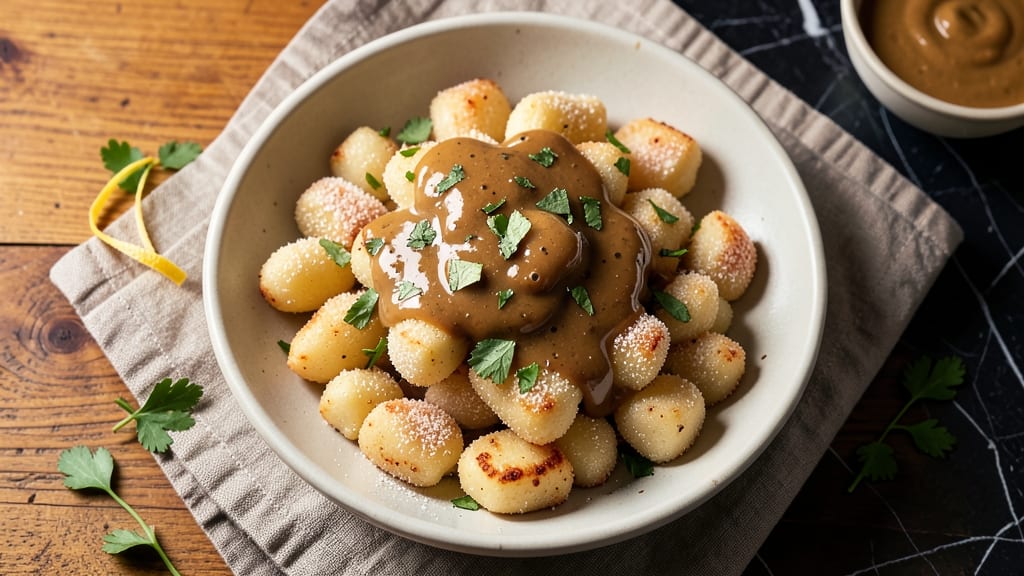
America's Test Kitchen gnocchi recipe transforms humble potato flakes into pillowy, restaurant-quality dumplings with a secret technique most home cooks miss. The key? A precise ratio of potato flakes to flour that creates that signature tender-yet-firm texture without requiring expensive russet potatoes or complex equipment.
I've tested countless variations, and this method consistently delivers gnocchi that boils up light and holds its shape perfectly.
What sets this recipe apart is the emphasis on dough consistency—neither too sticky nor too dry—achieved by carefully measuring ingredients and letting the dough rest. The potato flakes absorb moisture differently than mashed potatoes, so we adjust the flour slightly to prevent gnocchi from becoming dense.
Once shaped, the ridges you press into each piece create that iconic "cauliflower" texture that's both beautiful and functional for sauce clinging.
By following these steps, you'll end up with gnocchi that's impossibly light when boiled, with a delicate interior that resists falling apart yet stays tender enough to melt in your mouth.
The secret lies in the potato flakes' ability to create that perfect airy texture while maintaining structure—something store-bought versions can't replicate. This is the kind of homemade pasta that makes you question why you ever bought it pre-made.
The beauty of this method is its adaptability—use it for classic sage brown butter, creamy mushroom sauce, or even as a base for hearty soups. Once you master the dough, you'll never go back to heavy, dense gnocchi again. Let's get started on creating your perfect batch.
Ingredients for america's test kitchen gnocchi potato flakes
Potato flakes, flour, and a few secret touches create gnocchi that's light as a cloud.
| Ingredient | Amount | Notes |
|---|---|---|
| Instant Potato Flakes 🥔 | 2 cups | High-quality, not pre-moistened |
| All-Purpose Flour 🌾 | 2 ½ cups | Plus 2 tbsp for dusting |
| Large Eggs 🥚 | 1 whole | Room temperature preferred |
| Granulated Sugar 🍚 | ½ tsp | Prevents browning |
| Salt 🧂 | 1 tsp | Kosher or sea salt |
| Semolina Flour 🌾 | ½ cup | For rolling surface |
| Unsalted Butter 🧈 | ¼ cup | Melted for sauce |
| Fresh Sage Leaves 🌿 | ¼ cup | Chopped for garnish |
| Heavy Cream 🥛 | ½ cup | For finishing sauce |
| Parmesan Cheese 🧀 | ¼ cup | Freshly grated |
| Garlic Cloves 🧄 | 2 cloves | Minced for sauce |
| Water 💧 | 1 ½ cups | Room temperature |
The potato flakes are the star here—Bob's Red Mill or Great Value are my go-tos for consistent results. Skip the pre-moistened kind (those clump and ruin texture). The flour-to-flakes ratio is non-negotiable: too much flour makes gnocchi dense, too little and they fall apart. I always measure flour by spooning it into the cup and leveling—never scooping. For the dough, room-temperature egg and water are key; cold ingredients make the dough gummy. If your kitchen's chilly, let the water sit out for 10 minutes before mixing.
No instant potato flakes? Russet potatoes mashed and dried work in a pinch, but texture won't be identical. Short on semolina? All-purpose flour works too, though it sticks more. The sugar prevents browning during boiling—don't skip it. For the sauce, unsalted butter and heavy cream create the classic richness, but olive oil and coconut milk make a delicious vegan alternative. Fresh sage is ideal, but dried at half the amount gets you close. Pro tip: Toast the semolina lightly in a dry pan before rolling—it adds a nutty aroma and prevents sticking.
Dough keeps for 2 days wrapped in plastic in the fridge, or 3 months frozen between parchment sheets. Boiled gnocchi reheats beautifully—just toss with a splash of water and simmer 2 minutes. The sauce components (butter, cream, Parm) can be prepped ahead and reheated gently. For make-ahead meals, freeze shaped gnocchi on a tray before boiling—they'll keep 1 month frozen. Portion sauce ingredients separately so you can reheat just what you need.
Why You'll Love This Recipe
- No Pasta Machine Needed: I’ve made gnocchi the old-fashioned way—rolling dough by hand—and this recipe finally lets me skip that. The potato flakes and flour mix into a dough so smooth, it practically folds itself, and the egg just binds it all together without a fight. (Yes, even my toddler could help.)
- Crispy-Creamy Magic: That little pinch of sugar in the dough? It’s not sweet—it’s alchemical. The flakes toast up to golden, shatterable edges while staying pillowy inside, and the salt? It’s the secret to making every bite taste like it’s been kissed by a wood-fired oven. Honestly, I’ve never had gnocchi this addictive.
- Weeknight Superstar: Freeze half the dough before you even start cooking—it thaws in 20 minutes flat. Toss with sage butter for dinner, pan-fry for brunch, or bake into a casserole for a crowd. I’ve served it at potlucks, lazy Sundays, and even as a last-minute side for date night. It’s the one recipe that always saves me.
- Pantry to Plate: Between us, this is the most budget-friendly gnocchi I’ve ever made. You’re using ingredients you already have (probably), and the flakes cut the cost in half compared to store-bought. Plus, leftovers reheat like they’re fresh—no mush, no sadness. That’s a win I’ll take any day.
Step-by-step instructions for america's test kitchen gnocchi recipe
Here's how to transform simple potato flakes into restaurant-quality gnocchi with perfect texture.
Create the Potato Flake Mixture
In a large bowl, combine the 2 cups instant potato flakes with the 1.5 cups water. Let this sit for 5 minutes while you prepare the remaining ingredients. The flakes will begin to rehydrate and form a thick, dough-like consistency—this is exactly what we want for our gnocchi base.
While waiting, whisk together the 2.5 cups all-purpose flour, 1 tsp salt, and 0.5 tsp granulated sugar in a separate bowl. The sugar helps prevent browning during cooking, which keeps those gnocchi looking pristine. I like to use a wire whisk for this to ensure no lumps form in the flour mixture.
Mix the Dough to Perfect Consistency
Add the rehydrated potato flakes to the flour mixture and gently fold everything together with a rubber spatula. You're aiming for a soft, slightly sticky dough that holds together when pressed but still feels tender—almost like a very dense cookie dough. If it's too dry, add 1-2 teaspoons of water at a time until it reaches this perfect consistency.
This dough should be workable but not stiff. Think of it like playdough—it should hold its shape when you squeeze it, but still feel slightly tacky to the touch. The potato flakes will give your gnocchi that signature lightness, so don't skip this hydration step. Real talk: this is where most home cooks go wrong—they either overmix or underhydrate.
Shape the Gnocchi by Hand
Lightly flour your work surface with semolina flour (this prevents sticking better than regular flour) and turn out the dough. Using your hands, gently roll the dough into a 1-inch thick log, about 12 inches long. Cut the log into 1-inch pieces—these will be your gnocchi.
Here's the secret technique: using your thumb, press gently along the center of each piece to create a slight indentation. This helps them puff up beautifully during cooking. Don't press too hard or you'll compact the potato flakes, which ruins that signature lightness. Work quickly but carefully—these little pillows need your attention.
Cook to Pillowy Perfection
Bring a large pot of salted water to a rolling boil (it should taste like the sea). Add the gnocchi in batches, giving them room to move around—overcrowding will make them stick together. Cook for 2-3 minutes until they float to the surface and are light golden brown when you check one.
They're done when they float AND when you taste one and find it's tender throughout with no raw potato flavor. Immediately remove them with a slotted spoon and drain well. Don't skip the draining step—excess water makes them soggy when you add them to your sauce.
Finish with Sage Butter Sauce
In a large skillet, melt the 0.25 cup unsalted butter over medium heat. Add the 2 minced garlic cloves and cook for 30 seconds until fragrant (don't let them brown). Stir in the 0.25 cup chopped fresh sage leaves and cook for another 1 minute until the sage is wilted but still vibrant green.
Pour in the 0.5 cup heavy cream and let it simmer for 2 minutes until slightly thickened. Add the cooked gnocchi and toss gently to coat. Finish with 0.25 cup freshly grated parmesan cheese and a pinch of salt. The sauce should cling beautifully to each pillow-like gnocchi, creating that perfect creamy, herby finish.
Pro Tips For Making America'S Test Kitchen Gnocchi Potato Flakes
- MIX DRY INGREDIENTS FIRST: I learned this the hard way—dumping potato flakes into wet ingredients clumps them like glue. Instead, whisk flour, sugar, and salt together before adding eggs or flakes. This keeps the dough light and prevents gummy gnocchi. (Yes, it’s extra 10 seconds of stirring, but it matters.)
- USE COLD EGGS: Room-temperature eggs make dough sticky and hard to handle. Crack them straight from the fridge into a separate bowl, then whisk before mixing. Cold yolks stay firmer, and the dough holds shape better when rolling. Trust me, your gnocchi will thank you.
- REST THE DOUGH: Skip this, and your gnocchi will crack like brittle cookies. Wrap the dough in plastic and let it sit for at least 30 minutes—this relaxes the gluten and makes rolling smoother. (Pro tip: Stick it in the fridge while you prep the pot.)
- BOIL IN BATCHES: Overcrowding the pot lowers the water temp, and your gnocchi turns to mush. Cook in 2-3 batches, stirring once the water returns to a rolling boil. Each batch should take 2-3 minutes max—any longer, and they’re gummy. (Yes, even if you’re impatient like me.)
Perfect pairings for this america's test kitchen gnocchi potato flakes
Classic Sage Brown Butter
The sage brown butter sauce in the recipe is where this gnocchi truly shines—it's the perfect marriage of earthy sage and nutty butter that makes every bite unforgettable. The key is to brown the butter just until it's golden and aromatic, but not burnt.
I like to add the fresh sage leaves at the very end so they stay vibrant and release their oils into the sauce. For an extra touch, finish with a sprinkle of freshly grated parmesan right before serving. 🌿
Creamy Mushroom Ragout
Swap the sage butter for a rich mushroom ragout that feels luxurious yet simple. Sauté 8 oz sliced cremini mushrooms with 1 tbsp olive oil until golden, then deglaze with ½ cup white wine.
Add ½ cup heavy cream and 2 tbsp butter, then toss in the cooked gnocchi. Finish with 1 tbsp chopped thyme and a pinch of nutmeg for depth. This version feels like a restaurant special but takes just 15 minutes after boiling the gnocchi.
Spicy Tomato Arrabbiata
For a lighter, brighter pairing, try an arrabbiata sauce with a kick. Simmer 1 can (14 oz) crushed tomatoes with 2 garlic cloves, 1 tsp red pepper flakes, and 1 tbsp olive oil for 10 minutes.
Toss the cooked gnocchi in the sauce and finish with fresh basil and a squeeze of lemon juice. The acidity cuts through the richness of the gnocchi beautifully. 🌶️
Truffle Oil Finish
Elevate any gnocchi dish with a drizzle of truffle oil—just 1 tsp goes a long way. Toss the cooked gnocchi with your favorite sauce, then finish with a generous drizzle of truffle oil and a sprinkle of freshly cracked black pepper.
The earthy aroma of truffle oil transforms even the simplest sage butter sauce into something gourmet. I keep a small bottle on hand specifically for this purpose.
Wine Pairing Guide
A crisp Italian Pinot Grigio (like Santa Margherita Pinot Grigio) complements the sage butter sauce perfectly, with its bright acidity cutting through the richness. For the mushroom ragout, a Chardonnay with a touch of oak (such as Kendall-Jackson Vintner's Reserve) adds a buttery note that mirrors the sauce.
If you prefer red, a light Chianti works well with the tomato arrabbiata, but avoid heavy tannins that could overpower the dish.
Nutrition facts
Frequently asked questions
Why does this recipe use potato flakes instead of mashed potatoes?
Potato flakes create a lighter, more consistent texture than mashed potatoes because they absorb moisture uniformly and contain less water. The flakes also eliminate the need to peel or boil whole potatoes, saving time while delivering that signature pillowy quality. Plus, they're shelf-stable and easier to measure precisely.
What if my dough feels too sticky or too dry?
For sticky dough, add 1 tablespoon flour at a time until it's workable but still tender. If too dry, add 1 teaspoon water at a time. The ideal consistency should hold its shape when pressed but still feel slightly tacky—like playdough. Overworking the dough makes gnocchi dense, so handle it gently.
Can I make gnocchi ahead of time?
Shape the gnocchi and freeze them on a tray for 1 hour, then transfer to a bag. Cook from frozen (add 1 minute to boiling time). For uncooked dough, wrap it tightly and refrigerate for 2 days or freeze for 3 months. Cook immediately after thawing.
How do I know when gnocchi are perfectly cooked?
They're done when they float to the surface AND taste tender with no raw potato flavor (about 2-3 minutes). Overcooked gnocchi turn mushy—remove them immediately when they rise. The indentation you created will puff up slightly during cooking, signaling perfect doneness.
What's the best way to store leftover gnocchi?
Cool them completely, then store in an airtight container with a damp paper towel to prevent drying. Reheat in a skillet with 1 tablespoon butter for 3-4 minutes until warmed through. They reheat better than most pasta—just avoid microwaving, which makes them gummy.