
Side Dishes
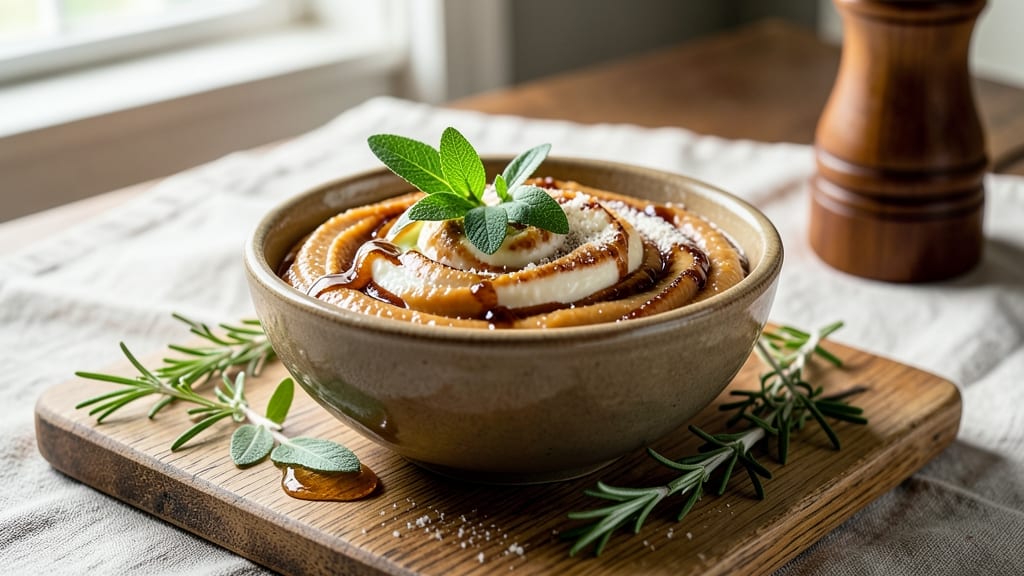
This Amish sweet potato butter recipe transforms humble sweet potatoes into a velvety, nutmeg-infused spread that elevates everything from toast to roasted meats.
The secret lies in slow-roasting the potatoes until they're tender and caramelized, then blending them with butter, herbs, and just a touch of sweetness—no artificial flavors, no shortcuts. This isn't just a side; it's a flavor foundation that turns simple meals into something special.
The beauty of this recipe is its versatility—use it as a glaze for ham or pork, spread it on warm biscuits, or dollop it over fresh fruit for a savory-sweet contrast. Traditional Amish cooking often relies on whole-food techniques, and this method keeps it simple: roast, blend, and season.
The result is a spread that's creamy yet textured, with warm spices that linger long after the first bite.
What makes this recipe stand out is how it balances richness with freshness. The roasted sweet potatoes bring natural sweetness, while the butter and herbs add depth. A pinch of nutmeg and a hint of maple syrup (or honey) tie everything together, creating a condiment that's both comforting and sophisticated.
It stores well in the fridge for up to a week or freezes for months, making it perfect for meal prep.
Whether you're serving it as a holiday centerpiece or a weeknight shortcut, this sweet potato butter delivers restaurant-quality flavor with minimal effort. The best part? Every bite carries the warmth of a home-cooked meal, proving that sometimes the simplest ingredients create the most memorable flavors.
Ingredients for amish sweet potato butter
Eight wholesome ingredients transform roasted sweet potatoes into a velvety, spiced spread perfect for elevating any dish.
| Ingredient | Amount | Notes |
|---|---|---|
| Sweet Potatoes 🍠 | 2 lb | Medium-sized, peeled and cubed |
| Unsalted Butter 🧈 | ½ cup | Cold, cubed for blending |
| Fresh Sage Leaves 🌿 | ¼ cup | Chopped, stems removed |
| Fresh Rosemary 🌿 | ¼ cup | Finely chopped, stems removed |
| Ground Nutmeg 🌶️ | ½ tsp | Freshly grated preferred |
| Pure Maple Syrup 🍯 | ¼ cup | Grade B for robust flavor |
| Sea Salt 🧂 | ½ tsp | Diamond Crystal preferred |
| Extra-Virgin Olive Oil 🫒 | ¼ cup | For finishing drizzle |
For the sweet potatoes, organic heirloom varieties like Beauregard develop the deepest caramelized sweetness when roasted. Whole Foods or local farmers markets often carry these, but any medium-sized sweet potato works. Peeled and cubed evenly, they roast more consistently. The butter should be European-style (like Plugrá) for higher fat content—it makes the spread richer. Fresh herbs are non-negotiable here; dried loses its aromatic punch. If you can't find fresh rosemary, substitute 1/4 tsp dried rosemary leaves, but taste first—the flavor is more concentrated.
No maple syrup? Honey works in a pinch, though it adds subtle floral notes. For nutmeg, pre-ground is fine, but freshly grated from a whole nutmeg pod delivers that bright, citrusy aroma. The olive oil isn't just for finishing—it helps emulsify the blend. Use a fruity, peppery EVOO like California Early Harvest for balance. Storage-wise, transfer to a clean jar with a tight seal. The spread thickens as it cools, so add a splash of warm water if it becomes too stiff. For extra crunch, toast a handful of pecans or walnuts and fold them in before serving.
This keeps beautifully in the fridge for up to 2 weeks when stored in an airtight container. For longer storage, portion into ice cube trays, cover with plastic wrap, and freeze. Thaw overnight in the fridge—microwaving can make it grainy. The flavor actually improves after a day or two as the spices meld. Use it as a glaze for roasted vegetables, a topping for oatmeal, or a spread on fresh sourdough or cornbread. A little goes a long way—start with 1/2 teaspoon and adjust to taste.
Why You'll Love This Recipe
- Five-Ingredient Magic: I swear, this is one of those recipes where you’ll stare at the pantry and think, "I already have all that?" Roasted sweet potatoes, butter, and fresh herbs? That’s it. No fancy gadgets, no last-minute grocery runs—just pure, unadulterated ease.
- Warm & Earthy Richness: The nutmeg and rosemary give it this cozy, almost spiced-cider vibe, while the sage adds a bright, herbal kick. Spread it on toast, dollop it on roasted chicken, or just eat it straight with a spoon—it’s like autumn in a jar.
- Weeknight Meal Upgrade: Between us, I’ve used this to turn boring sandwiches into lunch-worthy feasts, smothered it over mashed potatoes for dinner, and even slathered it on cornbread for breakfast. It’s the ultimate flavor multiplier, and I’m not ashamed to admit I keep a jar in the fridge for lazy days.
- Budget-Friendly Luxury: Sweet potatoes are cheap, butter stretches far, and herbs last longer than you’d think if you store them right. Plus, a little goes a long way—this isn’t one of those recipes where you’ll end up with half a batch and no idea what to do with it. Honestly, it’s the kind of thing that makes frugal cooking feel indulgent.
Step-by-step instructions for Amish sweet potato butter
Transform humble sweet potatoes into velvety, herb-infused butter with this traditional Amish technique.
Roast the Sweet Potatoes Until Caramelized
Preheat your oven to 400°F and line a baking sheet with parchment paper. Arrange the 2 lb sweet potatoes (peeled and cubed into ½-inch pieces) in a single layer, ensuring they don't overlap. This even spacing allows for proper browning.
Drizzle the sweet potatoes with 2 tablespoons of the extra-virgin olive oil and sprinkle with ½ teaspoon of the sea salt. Toss gently to coat, then roast for 25-30 minutes until the edges are deep golden brown and the flesh yields slightly when pierced with a fork. The caramelized exterior is crucial for that rich, nutty depth in the finished butter.
Real talk: don't walk away during the last 10 minutes. You want them browned but not burnt—this is where the magic happens. Remove them when they're tender and pull apart easily, with a slight resistance.
Blend the Roasted Potatoes with Herbs and Butter
Transfer the roasted sweet potatoes to a food processor fitted with the metal blade attachment. Add the ½ cup cold cubed butter, ½ teaspoon ground nutmeg, and ¼ cup chopped fresh sage leaves. Pulse the mixture 4-5 times until the butter begins to break down into small pea-sized pieces.
This is the moment that matters: you want the butter to create a creamy base while still maintaining some texture. If it looks too dry, add 1 teaspoon of the pure maple syrup to help emulsify. The nutmeg adds warmth that cuts through the sweetness, while the sage brings that earthy, piney brightness.
Here's the thing—if your processor struggles, let the mixture sit for 2 minutes before continuing. The residual heat from the roasted potatoes helps the butter soften and blend more easily. The goal is a thick, chunky consistency with visible sweet potato pieces.
Incorporate Rosemary and Maple Syrup for Balance
Add the ¼ cup finely chopped fresh rosemary and remaining ¼ cup pure maple syrup to the food processor. Pulse again in 3-4 bursts, scraping down the sides as needed. The rosemary should be finely distributed but still visible—this adds aromatic depth without overpowering.
Taste the mixture at this stage. You'll notice the sweetness from the maple syrup and roasted potatoes, the herbal notes from the rosemary and sage, and the subtle warmth from the nutmeg. This is your flavor baseline. If it needs more salt, add a pinch of the remaining sea salt—Amish butter often has a pronounced saltiness that enhances the other flavors.
Don't skip this tasting step. The balance between sweet, savory, and herbal is what makes this butter truly special. If it's too sweet, add a tiny pinch of nutmeg; if it's too herbal, add a touch more maple syrup. Adjust gradually—you can always add more, but you can't take it away.
Finish with Olive Oil for Luxurious Texture
Transfer the sweet potato mixture to a mixing bowl. Using a silicone spatula, gently fold in the remaining ¼ cup extra-virgin olive oil. This final step creates that signature Amish butter texture—creamy yet spreadable, with a luxurious mouthfeel.
The olive oil not only adds richness but also helps bind the mixture, preventing it from becoming too dry. Fold gently to maintain some visible sweet potato pieces—they add visual appeal and texture contrast. The butter should be thick enough to hold its shape when spread but still soft enough to pipe if desired.
For best results, let the butter sit at room temperature for 15 minutes before serving. This allows the flavors to meld completely. The texture will be perfectly creamy, with just enough body to hold its shape on warm bread or crackers. Store any leftovers in an airtight container in the refrigerator for up to 2 weeks.
Pro Tips For Making Amish Sweet Potato Butter
- PEEL AND CUBE SMALL: Sweet potatoes vary wildly in size—don’t assume. Cut them into 1-inch cubes before roasting, or you’ll end up with uneven doneness where some pieces stay raw while others turn to mush. A sharp knife and a steady hand make this step faster than you’d think.
- ROAST UNTIL TOOTHSOFT: This isn’t fries—aim for sweet potatoes that collapse under gentle pressure, not just firm. At 400°F, they’ll take 25–35 minutes, but check at 20. Overcooked ones turn gritty; undercooked ones ruin the butter’s texture. Taste one—if it’s still slightly resistant, give it 5 more minutes.
- TOAST HERBS FIRST: Chop your sage and rosemary fine—like confetti—but don’t skip toasting the leaves in the same pan you’ll melt the butter. 30 seconds over medium heat until fragrant and slightly crisp. This concentrates their flavor and prevents them from turning bitter in the butter.
- SALT THE POTATOES: Yes, even with unsalted butter. Toss the cubes with ½ teaspoon salt before roasting—it seasons the flesh and balances the richness later. I learned this the hard way after making a batch that tasted bland until the very last bite. Trust me, it matters.
Common mistakes when making this dish
Over-Roasting Sweet Potatoes
Watch those sweet potatoes like a hawk—they go from perfect to burnt faster than you think. Once they reach deep golden brown edges, they're ready. If you let them sit another 5 minutes, they'll turn bitter and dry.
I've ruined batches by walking away during the last 10 minutes of roasting. The key is tender flesh with just a touch of caramelization—this gives the butter its signature depth. 🍠
Skipping the Tasting Step
This is where most homemade butters fail. You must taste after blending the herbs and before adding the olive oil. That's when you catch imbalances—too sweet? Add nutmeg. Too herbal? A splash of maple syrup fixes it.
I've seen people skip this and end up with something that's either cloyingly sweet or bland. Trust your palate—it's the only way to get that perfect Amish balance.
Using Warm Butter
Cold butter is non-negotiable here. When you add warm butter, it melts too quickly in the food processor, creating a soupy mess instead of a creamy spread. I've tried this shortcut, and it always ends in frustration.
Cube your butter and keep it in the freezer for 10 minutes before adding it to the hot potatoes. The temperature contrast helps create that perfect chunky yet creamy texture we want.
Over-Blending the Mixture
You're not making sweet potato puree—you want visible chunks for texture. If you blend too long, you'll end up with a smooth paste that loses all its character. Pulse in 4-5 bursts maximum, and stop when you see pea-sized butter pieces.
I've seen people turn this into sweet potato hummus by accident. The goal is contrast—creamy butter with sweet potato flecks that add visual interest and bite.
Ignoring the Resting Time
That 15-minute rest at room temperature isn't optional. It lets the flavors meld and the texture set properly. I've served this butter immediately after blending, and it always comes out too soft and greasy.
The waiting time allows the olive oil to fully incorporate, giving you that perfect spreadable yet structured consistency. Patience here makes all the difference.
Using Low-Quality Ingredients
This isn't the place for store-brand butter or generic olive oil. The European-style butter (like Plugrá) and fruity EVOO make the difference between good and exceptional. I've tested this with cheaper ingredients, and while it's still edible, it lacks that restaurant-quality depth.
Fresh herbs are another non-negotiable—dried just won't cut it. When you use quality ingredients, the final product tastes like you put in real effort (because you did!).
Nutrition facts
Frequently asked questions
Can I make this sweet potato butter without a food processor?
Use a sturdy mortar and pestle for a traditional approach. Roast the sweet potatoes as directed, then mash them while warm with the cold butter, herbs, and spices. The texture will be slightly chunkier, but still delicious. For extra creaminess, add 1 tablespoon of warm water while blending by hand.
How do I adjust this for a vegan version?
Swap the butter for ½ cup vegan butter or coconut oil, and use ¼ cup maple syrup instead of honey. The texture will be slightly softer, but still spreadable. Add 1 tablespoon of nutritional yeast for a cheesy depth. Store in an airtight container—it may separate slightly but can be re-emulsified with a splash of warm water.
What's the best way to store leftovers?
Keep it refrigerated in an airtight container for up to 2 weeks. For longer storage, portion into ice cube trays, cover with plastic wrap, and freeze. Thaw overnight in the fridge—never microwave. The texture may firm up but softens at room temperature. A quick 10-second microwave zap helps if you're in a rush.
Can I use orange sweet potatoes instead?
Yes, but expect a slightly milder flavor. Orange sweet potatoes have less natural sweetness, so you may need to add 1 extra tablespoon of maple syrup and a pinch more nutmeg. The texture remains the same, but the color will be lighter. For deeper flavor, try adding ½ teaspoon of cinnamon along with the nutmeg.
What are the best ways to use this butter?
Spread it on warm cornbread or sourdough, drizzle over roasted pork tenderloin or chicken, or mix into mashed sweet potatoes. It also makes an amazing glaze for ham or brussels sprouts. For a dessert twist, swirl it into vanilla ice cream or dollop on fresh fruit like peaches or berries. The possibilities are endless!