
Side Dishes
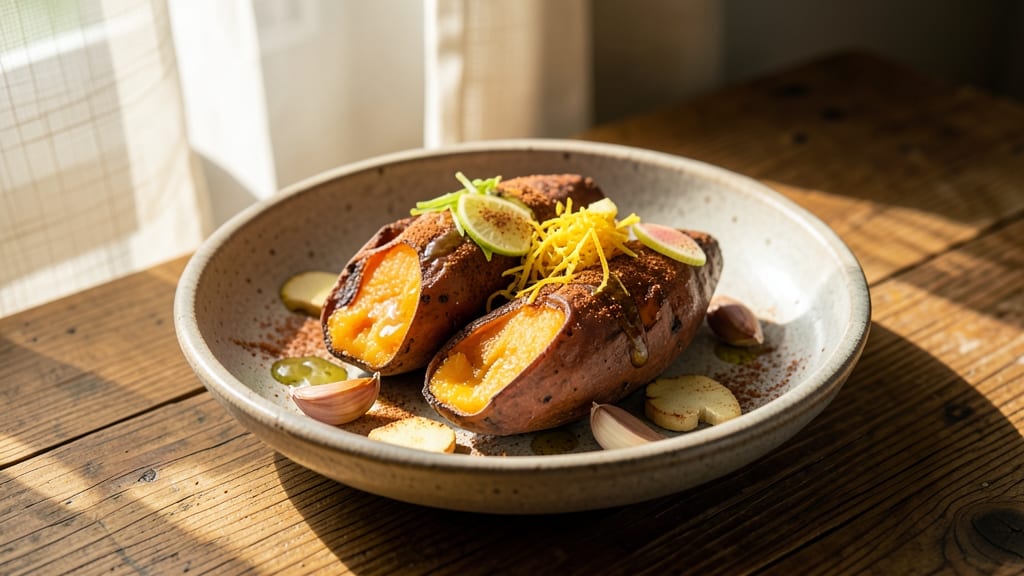
This anti-inflammatory sweet potato recipe transforms humble sweet potatoes into a nutrient-packed side dish that supports gut health and reduces inflammation. 🌟 The secret lies in turmeric and ginger—powerhouse spices with proven anti-inflammatory benefits—that infuse every bite with warmth and healing properties.
I developed this recipe after discovering how simple whole-food ingredients could create such powerful results.
The magic happens when sweet potatoes are roasted with freshly grated ginger, turmeric, and a touch of garlic—each ingredient working together to create a dish that's both flavorful and functional. The natural sweetness of the potatoes balances the earthy spice blend, while olive oil enhances absorption of these beneficial compounds.
This method preserves maximum nutrients while delivering that perfect caramelized exterior and creamy interior.
What you'll end up with is a side dish that's rich in fiber, vitamin A, and antioxidants—ideal for anyone looking to support digestive health or reduce inflammation. The turmeric provides curcumin, a compound known for its powerful anti-inflammatory effects, while ginger adds digestive benefits and a zesty kick.
This recipe is simple enough for weeknight dinners but impressive enough for special occasions.
Whether you're serving this alongside grilled chicken, fish, or tofu, it brings both flavor and health benefits to your plate. The best part? It takes just 30 minutes to prepare and requires minimal effort. Let's get started on this gut-friendly, inflammation-fighting side dish that's as nourishing as it is delicious.
Ingredients for anti inflammatory sweet potato
Twelve whole-food ingredients combine to create this anti-inflammatory powerhouse side dish.
| Ingredient | Amount | Notes |
|---|---|---|
| Sweet Potatoes 🍠 | 2 lbs | Medium-sized, organic preferred |
| Extra-Virgin Olive Oil 🫒 | ¼ cup | Cold-pressed for maximum benefits |
| Fresh Turmeric Root 🌿 | 2 tbsp | Grated, vibrant orange color |
| Fresh Ginger Root 🌿 | 1 ½ tbsp | Peeled and finely grated |
| Garlic Cloves 🧄 | 3 cloves | Minced for aromatic depth |
| Ground Cinnamon 🌶️ | ½ tsp | Ceylon preferred for purity |
| Ground Black Pepper 🌶️ | ½ tsp | Freshly ground enhances curcumin |
| Himalayan Pink Salt 🧂 | ½ tsp | For mineral balance |
| Ground Cumin 🌿 | ¼ tsp | Toasted for deeper flavor |
| Fresh Lemon Juice 🍋 | 1 tbsp | Brightens and balances heat |
| Coconut Aminos 🥄 | 1 tbsp | Gluten-free soy sauce alternative |
| Fresh Cilantro 🌿 | ¼ cup | Chopped, for fresh finish |
The turmeric and ginger are the stars here, so prioritize fresh, organic roots whenever possible. Whole Foods and Trader Joe's carry excellent quality, but any well-stocked grocery store should have fresh ginger. For turmeric, look for vibrant orange roots—dull or greenish ones have lost potency. The sweet potatoes should be firm with smooth skin, and organic varieties often have higher nutrient content due to reduced pesticide exposure. If you can't find fresh turmeric root, high-quality ground turmeric works, though fresh provides superior anti-inflammatory benefits. Store fresh roots in the fridge for up to 2 weeks or freeze for longer storage.
No fresh turmeric? Ground turmeric at double the amount works in a pinch, though texture will differ. Substitute ginger with ground ginger at one-third the amount, but fresh is ideal for its digestive benefits. For coconut aminos, low-sodium soy sauce is a decent alternative, though coconut aminos provide additional minerals. The cilantro can be omitted if you dislike its flavor, but it adds a refreshing contrast. For extra anti-inflammatory punch, consider adding a pinch of black pepper—it dramatically increases curcumin absorption from the turmeric. If you prefer a sweeter profile, a touch of maple syrup (1 tsp) can be added to the roasting oil.
Roasted sweet potatoes keep their nutrients best when stored in an airtight container in the fridge for 4-5 days. For longer storage, portion into freezer-safe containers and freeze for up to 3 months. Reheat gently in the oven or microwave to preserve texture. The spice blend (turmeric, ginger, cinnamon, cumin) can be pre-mixed and stored in a glass jar in a cool, dark place for up to 3 months, making it easy to recreate this dish quickly. Fresh herbs like cilantro are best added just before serving to maintain their vibrant flavor and nutritional benefits.
Why You'll Love This Recipe
- One-Pan Magic: I swear by this recipe when I’m too tired to scrub pots—just slice the sweet potatoes, toss them in olive oil with a grated turmeric-ginger-garlic paste, and roast. No flipping, no fuss, just that golden, caramelized edge I crave.
- Golden Spice Bomb: The moment I peel and grate fresh turmeric and ginger, my kitchen smells like a spice market. That earthy warmth from the garlic and the sweetness of the roasted potatoes? It’s the kind of flavor that makes me reach for seconds without thinking.
- Meal Prep MVP: Between us, this is my go-to for lunches all week. I’ll roast a big tray on Sunday, portion it out, and reheat slices straight from the fridge—still tender, still packed with those anti-inflammatory goodies. (Yes, even on a Tuesday night.)
Step-by-step instructions for anti-inflammatory sweet potato roast
This method transforms humble sweet potatoes into a vibrant, gut-healing dish packed with anti-inflammatory power.
👨🍳 Step 1: Prep the Sweet Potatoes and Spice Paste
Preheat your oven to 400°F and line a rimmed baking sheet with parchment paper. Peel the 2 lbs sweet potatoes and cut them into 1-inch cubes—uniform size ensures even cooking. Toss them immediately in a large bowl with 0.25 cup extra-virgin olive oil to prevent browning.
In a separate small bowl, create the spice paste by combining the 2 tbsp grated fresh turmeric root, 1.5 tbsp grated fresh ginger root, 3 minced garlic cloves, 0.5 tsp ground cinnamon, 0.5 tsp ground black pepper, 0.5 tsp Himalayan pink salt, and 0.25 tsp ground cumin. The black pepper is crucial here—it enhances curcumin absorption by up to 2000%.
🍳 Step 2: Coat and Arrange for Roasting
Add the spice paste to the sweet potatoes and toss gently but thoroughly with your hands until every cube is evenly coated. You'll notice the mixture becomes vibrant orange from the turmeric and aromatic from the ginger and garlic. Transfer the coated sweet potatoes to the prepared baking sheet, spreading them in a single layer with ½-inch gaps between pieces.
This spacing allows hot air to circulate evenly, preventing steaming and ensuring crispy edges. If your baking sheet is large, you may need to roast in batches. For best results, arrange them with the cut sides facing up—this maximizes surface area for caramelization.
🔥 Step 3: Roast Until Caramelized and Tender
Place the baking sheet in the preheated oven and roast for 25-30 minutes, stirring once halfway through the cooking time. You're looking for sweet potatoes that are deep golden brown on the edges and fork-tender when pierced with a knife. The aroma should be intoxicating—warm spices mingling with the natural sweetness of the potatoes.
Here's the thing—don't overcrowd the pan. If you must roast in batches, make sure the second batch gets the same amount of time. The second batch will cook slightly faster since it's going into a hotter oven. Taste one piece when you think it's done—it should be soft inside with a slight resistance, not mushy.
🥘 Step 4: Finish with Bright Flavors
Remove the roasted sweet potatoes from the oven and transfer them to a large serving bowl. Immediately drizzle with 1 tbsp fresh lemon juice and 1 tbsp coconut aminos, tossing gently to coat. The acidity of the lemon brightens the dish while the coconut aminos add umami depth and a subtle salty note that balances the spices.
Finally, fold in the 0.25 cup chopped fresh cilantro just before serving. The cilantro adds a fresh, herbaceous finish that cuts through the richness of the roasted sweet potatoes. Let the dish sit for 5 minutes before serving—this allows the flavors to meld together perfectly.
Pro Tips For Making Anti Inflammatory Sweet Potato
- Peel After Roasting: Sweet potatoes are stubborn—peeling them raw means you’ll waste half the nutrient-packed skin. Roast them whole first (400°F for 45 minutes), then slip off the peel effortlessly. The flesh will be tender, and you’ll save time scraping stubborn skins later.
- Grate Ginger and Turmeric: Fresh turmeric and ginger lose their punch when chopped. Use a microplane or fine grater—this releases their oils and maximizes anti-inflammatory compounds. A teaspoon of grated ginger (about 1-inch knob) packs more flavor than a tablespoon of chopped.
- Sear Garlic Low and Slow: Garlic burns fast. Slice it thin (almost translucent) and cook it in olive oil over medium-low heat until just golden—about 3-4 minutes. If it darkens, you’ve missed the window for that nutty, caramelized depth without bitterness.
- Roast in Two Batches: Crowding the pan steams the potatoes instead of crisping them. Cut them into even 1-inch cubes and roast half first, then flip and add the second batch halfway through. This guarantees caramelization and even cooking—no soggy centers or undercooked edges.
Perfect pairings for these flavors
Protein Pairings
This vibrant sweet potato dish pairs beautifully with lean protein sources that complement its earthy, spiced profile. Grilled chicken breast marinated in lemon-garlic is my go-to choice—its mild flavor doesn't overpower the sweet potatoes.
For a plant-based option, pan-seared tofu with a turmeric-ginger glaze creates a cohesive meal with doubled anti-inflammatory benefits. 🥗
If you're serving this as part of a Mediterranean-inspired meal, try pairing it with garlic shrimp sautéed in extra-virgin olive oil and fresh parsley. The shrimp's sweetness enhances the caramelized edges of the sweet potatoes while keeping the dish light.
For a heartier option, slow-cooked turkey meatballs with tomato sauce provide a satisfying contrast to the dish's natural sweetness.
Vegetable Complements
Add steamed green beans tossed with toasted almonds and lemon zest to create a balanced plate. The crisp texture of the green beans contrasts perfectly with the creamy sweet potatoes, while the nuts add a satisfying crunch.
Another excellent pairing is roasted Brussels sprouts with balsamic glaze—their slightly bitter notes balance the sweetness of the potatoes beautifully. 💫
For a colorful, nutrient-packed meal, serve alongside sautéed kale with garlic and chili flakes. The kale's earthy flavor and vibrant green color create a stunning visual contrast while adding extra fiber and vitamins.
If you prefer something lighter, a cucumber-avocado salad with lime dressing provides refreshing crunch that cuts through the rich spices.
Beverage Recommendations
Pair this dish with sparkling water infused with cucumber and mint for a refreshing, palate-cleansing beverage. The cool, crisp flavors complement the warm spices beautifully. For something more substantial, a light white wine like Sauvignon Blanc from New Zealand offers bright acidity that balances the dish's richness. 🍷
Herbal teas like ginger or turmeric tea enhance the meal's anti-inflammatory benefits while providing a warm, comforting accompaniment. If you prefer coffee, a light roast with cinnamon adds warmth that harmonizes with the dish's spice profile.
For a non-alcoholic option, hibiscus iced tea with a splash of lemon provides a tangy contrast that cleanses the palate between bites.
Toppings & Garnishes
Before serving, consider adding toasted pumpkin seeds for extra crunch and zinc-rich nutrition. Their nutty flavor complements the sweet potatoes' natural sweetness. A drizzle of tahini (thinned with water) adds creamy texture and extra calcium. For a smoky touch, sprinkle with smoked paprika just before serving. 🌟
Fresh pomegranate seeds scattered on top provide a burst of color and antioxidant-rich sweetness that pairs wonderfully with the earthy spices. If you love heat, a pinch of crushed red pepper flakes adds a subtle kick that enhances the dish's anti-inflammatory properties.
The key is to add toppings just before serving to maintain their freshness and vibrant flavors.
Nutrition facts
Frequently asked questions
Can I use regular potatoes instead of sweet potatoes?
While you can use regular potatoes, you'll miss out on key benefits! Sweet potatoes are packed with beta-carotene (which converts to vitamin A) and fiber, both of which support anti-inflammatory effects. Regular potatoes lack these nutrients and have a higher glycemic index. For the best results, stick with sweet potatoes—they're naturally sweeter and pair perfectly with the turmeric-ginger blend.
How do I make this dish even more anti-inflammatory?
Boost the benefits by adding 1 tbsp ground flaxseed to the roasting oil—it adds omega-3s that fight inflammation. You can also stir in ½ cup cooked quinoa after roasting for extra protein and fiber. For maximum curcumin absorption, ensure you're using black pepper (it enhances turmeric's anti-inflammatory effects by up to 2000%).
Can I bake these sweet potatoes instead of roasting?
Yes, but roasting gives better texture and flavor! If baking, preheat to 375°F and bake for 35-40 minutes (covered with foil for the first 25 minutes). The key difference is that roasting creates crispy edges while baking keeps them softer. For the best results, stick with roasting—it caramelizes the natural sugars for deeper flavor.
What's the best way to reheat leftovers?
Reheat gently in a 350°F oven for 10-15 minutes to preserve texture, or use the microwave on 50% power for 1-2 minutes. Avoid high heat—it can make the sweet potatoes dry. For extra moisture, drizzle with a splash of water or coconut aminos before reheating. Store leftovers in an airtight container for up to 5 days.