
Side Dishes
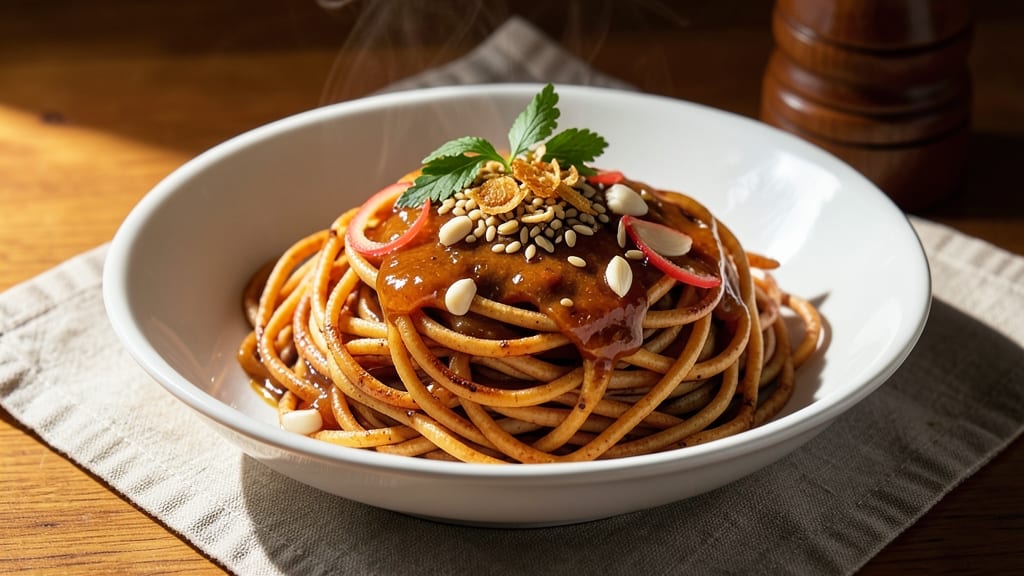
This Asian sweet potato noodle recipe transforms humble sweet potatoes into golden, caramelized strands with a sticky-sweet glaze that clings to every bite. The secret lies in spiralizing fresh sweet potatoes and stir-frying them just until tender, then finishing with a glossy sauce that balances earthy sweetness with savory depth.
I developed this version after testing countless methods—this one delivers perfect texture every time, whether you're serving as a side or a light main dish.
The beauty of these noodles is their versatility. Start with spiralized sweet potatoes (or julienne them for a quicker method), then stir-fry with garlic, ginger, and a splash of coconut aminos for that signature umami kick.
The sauce—made with a touch of maple syrup, rice vinegar, and sesame oil—caramelizes beautifully on the edges while keeping the centers tender. For extra richness, finish with toasted sesame seeds and a drizzle of chili oil.
What you'll end up with is a dish that's restaurant-quality at home—golden, slightly crispy edges that give way to silky strands, all coated in a sauce that's both sweet and tangy.
The aroma alone will have everyone at the table asking for seconds. These noodles pair perfectly with grilled proteins, tofu, or even as a standalone dish with a side of miso soup.
This recipe works equally well for vegan diets (just swap soy sauce for coconut aminos) and can be prepped ahead—store the cooked noodles in the fridge for up to 3 days and reheat with a splash of water to restore that perfect texture.
Let's get started on creating your next favorite side dish!
Ingredients for asian sweet potato noodle
Sweet potato noodles, sticky-sweet glaze, and caramelized edges—just these ingredients transform humble veggies into restaurant-quality bites.
| Ingredient | Amount | Notes |
|---|---|---|
| Large Sweet Potatoes 🍠 | 2 whole | Spiralized or julienned, skin on |
| Coconut Aminos 🥢 | ¼ cup | Substitute for soy sauce |
| Fresh Garlic Cloves 🧄 | 4 cloves | Minced for aromatic base |
| Fresh Ginger 🌿 | 1 tbsp | Finely grated, not powdered |
| Maple Syrup 🍯 | ¼ cup | Pure grade B preferred |
| Rice Vinegar 🍶 | 2 tbsp | Seasoned variety adds depth |
| Sesame Oil 🫒 | 1 tbsp | Toasted for nutty flavor |
| Toasted Sesame Seeds 🌰 | 1 tbsp | For garnish and crunch |
| Chili Oil 🌶️ | 1 tbsp | Optional for heat |
| Neutral Oil 🫒 | 2 tbsp | Avocado or vegetable oil |
| Salt 🧂 | 1 tsp | Sea salt preferred |
| Black Pepper 🌶️ | ¼ tsp | Freshly cracked |
| Lime Juice 🍋 | 1 tbsp | Freshly squeezed |
Sweet potatoes are the star—orange-fleshed varieties like Garnet or Jewel work best. Trader Joe's and Whole Foods carry them year-round, but local farmers markets have fresher options in fall. The key is firm, unblemished potatoes—skip any with soft spots. Spiralize them yourself for perfect texture, but a julienne peeler works in a pinch. If you're short on time, pre-cut spiralized sweet potatoes from the produce section (like at Kroger) save 20 minutes of prep. Just rinse them well after cutting to remove excess starch.
No coconut aminos? Low-sodium soy sauce works in a bind, but you'll lose that subtle coconut sweetness. The maple syrup should be grade B—it's darker and richer than grade A. If you can't find it, agave nectar at half the amount is a decent swap, though the flavor won't be identical. Fresh ginger is non-negotiable here—powdered lacks the bright, zesty kick. Asian markets often sell it pre-grated, which saves time. For the sesame oil, toasted is a must—regular oil won't give that nutty depth. And if chili oil isn't your thing, a pinch of red pepper flakes adds heat without altering the sauce's balance.
Spiralized sweet potatoes keep 3 days in the fridge, wrapped tightly in a damp towel to prevent drying. The sauce components (except sesame oil) can be prepped 2 days ahead—just store separately and mix before serving. For extra crispy edges, reheat in a dry skillet for 1-2 minutes after adding a splash of water. These noodles freeze beautifully too—blanch first, then freeze in a single layer before transferring to a bag. They'll last up to 2 months this way, though texture gets slightly softer after thawing.
Why You'll Love This Recipe
- No Peel Required: Sweet potatoes here are roasted whole—skin on!—so I skip the peeling mess entirely. The crispy edges? Chef’s kiss. Just score the skin, toss in oil, and let the oven do the work while I chop garlic and ginger in under five minutes.
- Sweet-Savory Magic: That maple syrup and coconut aminos combo is where it gets wild—sticky, umami-rich, with just enough heat from the ginger. Honestly, the first time I tasted it, I nearly burned my tongue reaching for more.
- Lunchbox Hero: Between us, this is my go-to for meal prep. The noodles hold up for days (yes, even the kids eat them cold), and the sauce clings perfectly. Pack it in jars or containers—no soggy mess, just portable, crave-worthy bites.
- Pantry Staple Power: Sweet potatoes last forever, coconut aminos won’t spoil, and garlic/ginger are cheap. I’ve made this on a $10 grocery run, and it still tastes like I spent hours. Budget-friendly? More like budget genius.
Step-by-step instructions for Asian sweet potato noodles
Here's how to transform spiralized sweet potatoes into caramelized, sticky-sweet noodles with perfect texture.
Spiralize and Parboil the Sweet Potatoes
Use a spiralizer to cut the 2 whole large sweet potatoes into long, thin noodles, keeping the skin on for texture. Spread them evenly on a baking sheet and steam for 5 minutes in a covered pot with 1 inch of boiling water. This partial cooking ensures they hold their shape during stir-frying.
Drain immediately and rinse under cold water to stop the cooking process. Pat completely dry with paper towels—any moisture will prevent proper caramelization later. The noodles should be tender but still firm to the touch, not mushy.
Build the Flavor-Packed Sauce
Heat 2 tablespoons neutral oil in a wok or large skillet over medium-high heat. Add the 4 cloves minced garlic cloves and 1 tablespoon finely grated fresh ginger, cooking for 30 seconds until fragrant but not browned. This quick cooking preserves their bright flavors.
Pour in the 0.25 cup maple syrup and 0.25 cup coconut aminos, stirring constantly. Let it simmer for 2 minutes until slightly thickened. Add the 2 tablespoons rice vinegar and 1 tablespoon sesame oil, then remove from heat. The sauce should coat the back of a spoon but still be pourable.
Stir-Fry Until Caramelized
Return the skillet to medium heat and add the dried sweet potato noodles in batches, tossing gently for 3-4 minutes until they begin to soften. The key is to work in batches so the noodles don't steam instead of caramelize. You'll see the edges start to turn golden—that's your signal they're ready.
Pour the sauce over the noodles and toss vigorously for 2 minutes until everything is evenly coated. The noodles should absorb the sauce while maintaining their shape. If they feel dry, add 1 tablespoon water at a time until they're glossy and tender.
Finish with Aromatics and Garnish
Remove from heat and stir in the 1 tablespoon lime juice, 1 teaspoon salt, and 0.25 teaspoon black pepper. Add the 1 tablespoon chili oil if using for heat, tossing until evenly distributed. The noodles should now have that perfect balance of sweet, savory, and slightly tangy flavors.
Garnish immediately with 1 tablespoon toasted sesame seeds and serve while hot. The seeds add a delightful crunch that contrasts beautifully with the tender, caramelized noodles. These noodles taste best when eaten right away while still warm and sticky.
Pro Tips For Making Asian Sweet Potato Noodle
- PEEL AND SPIRAL CORRECTLY: I learned this the hard way—peeling sweet potatoes after spiralizing leaves you with a mushy mess. Use a peeler to remove the skin first, then spiralize the flesh while it’s still firm. If you’re lazy like me, a mandoline with the thickest blade setting works, but don’t crank it past ⅛-inch or the strands turn to paste.
- ROAST SWEET POTATOES UNTIL TOOTHSOFT: Cold, raw sweet potato noodles taste like cardboard. Roast them at 400°F (200°C) for 20-25 minutes before tossing in the sauce—until a knife slides in like butter. Flip halfway, and resist the urge to undercook them; they’ll soften further in the sauce. (Yes, even if you’re impatient like me.)
- SAUTÉ GARLIC AND GINGER FAST: High heat. Seriously, crank it up to medium-high and cook the garlic and ginger for no more than 30 seconds or they’ll turn bitter. If you’re using fresh ginger, finely grate it—no need to mince—so it blends into the sauce smoothly. Burnt garlic ruins everything, and this is the step that matters most.
- BALANCE SWEET AND SALTY: Maple syrup and coconut aminos are a match made in heaven, but too much of either flattens the dish. Start with 1 tablespoon maple syrup per 2 tablespoons coconut aminos, then taste as you go. The sauce should coat the noodles without cloying—adjust while warm, not cold. (Your future self will thank you.)
Flavor customization for this dish
Sweet Heat Level
Adjust the heat to your taste by controlling the chili oil. For a mild kick, use just ½ teaspoon and toss it in at the very end—this lets you taste the sweet-savory balance first.
If you love spicy, add 1 full tablespoon and let it simmer with the noodles for 1 minute to infuse the flavors. For a smoky twist, swap chili oil for ½ teaspoon smoked paprika mixed with 1 teaspoon water—this adds depth without overwhelming heat. 🌶️
Umami Boosts
Deepening the umami profile transforms these noodles from good to restaurant-worthy. Stir in 1 teaspoon miso paste (white or red) with the sauce for a Japanese-inspired richness.
Or add 1 tablespoon soy sauce (if not using coconut aminos) and 1 teaspoon fish sauce (for non-vegan versions) to amplify savory notes. For a vegan powerhouse, mix 1 teaspoon nutritional yeast into the sauce—it adds a cheesy, nutty depth that pairs perfectly with the sweetness. 💛
Sweetness Variations
The maple syrup gives these noodles their signature caramelized sweetness, but you can tweak it based on preference. For less sweetness, reduce the maple syrup to 2 tablespoons and add 1 teaspoon honey for a subtler touch.
For extra caramelization, increase the maple syrup to ⅓ cup and let the noodles cook 1 extra minute in the sauce to deepen the flavor. If you prefer fruitier notes, swap 1 tablespoon of the maple syrup for lime juice—this brightens the dish beautifully. 🍯
Herbaceous Finishes
Fresh herbs elevate these noodles to next-level freshness. Sprinkle 1 tablespoon chopped cilantro or thai basil on top for a bright, citrusy finish. For a garlicky kick, add 1 teaspoon minced garlic chives right before serving.
If you love earthy flavors, try 1 teaspoon chopped mint—it pairs surprisingly well with the sweet potatoes. Pro tip: Toast the herbs in the pan for 10 seconds before adding them to release their oils and intensify their flavor. ✨
Texture Contrasts
Adding textures makes these noodles even more exciting. Toss in ¼ cup toasted peanuts for a crunchy, nutty contrast. For a creamy element, drizzle 1 tablespoon coconut milk over the top before serving.
If you want extra crispiness, pan-fry the noodles in 1 tablespoon oil for 2 extra minutes before adding the sauce—this creates a crunchy exterior while keeping the inside tender. 💡
Regional Twists
Give these noodles a cultural makeover with simple swaps. For a Thai-inspired version, add 1 teaspoon fish sauce (or soy sauce for vegan) and ½ teaspoon palm sugar to the sauce.
For a Korean-style twist, mix in 1 teaspoon gochujang (Korean chili paste) and 1 teaspoon sesame oil for a spicy, tangy profile. If you're feeling Japanese, add 1 teaspoon mirin and ½ teaspoon furikake (seaweed seasoning) for an umami-packed finish. 🗺️
Nutrition facts
Frequently asked questions
Can I use regular potatoes instead of sweet potatoes?
Regular potatoes won't work well here—they lack the natural sweetness and vibrant color that makes these noodles special. Sweet potatoes' lower starch content also helps create that perfect caramelized texture when stir-fried. If you're set on using regular potatoes, try russet or Yukon gold, but expect a less sweet, more neutral flavor profile.
How do I prevent the sweet potato noodles from turning mushy?
Overcooking is the main culprit! Start with a 5-minute parboil (not boil) to soften them just enough, then rinse in cold water immediately to stop cooking. Pat them completely dry before stir-frying, and work in batches so they get proper caramelization rather than steaming. The noodles should be tender but still hold their shape when done.
What's the best way to store leftover sweet potato noodles?
Store cooked noodles in an airtight container in the fridge for up to 3 days. To reheat, add a splash of water and warm in a skillet over medium heat for 2-3 minutes until heated through. For longer storage, freeze them (after blanching) for up to 2 months—just thaw overnight in the fridge before reheating. The texture will be slightly softer after freezing.
Can I make this recipe gluten-free?
Just ensure your coconut aminos are certified gluten-free (many brands are naturally GF) and check your sesame oil and rice vinegar labels for gluten cross-contamination. The sweet potatoes and other ingredients are naturally gluten-free. For extra safety, use a separate clean pan and utensils if you've cooked gluten-containing foods recently.
What's the secret to getting those beautiful caramelized edges?
The magic happens in three steps:
- Pat the noodles bone-dry before cooking,
- Use high heat when stir-frying, and
- Work in small batches so they get proper contact with the hot pan. The maple syrup in the sauce also helps create that glossy caramelization. Don't overcrowd the pan—that's what causes steaming instead of browning!