
Side Dishes
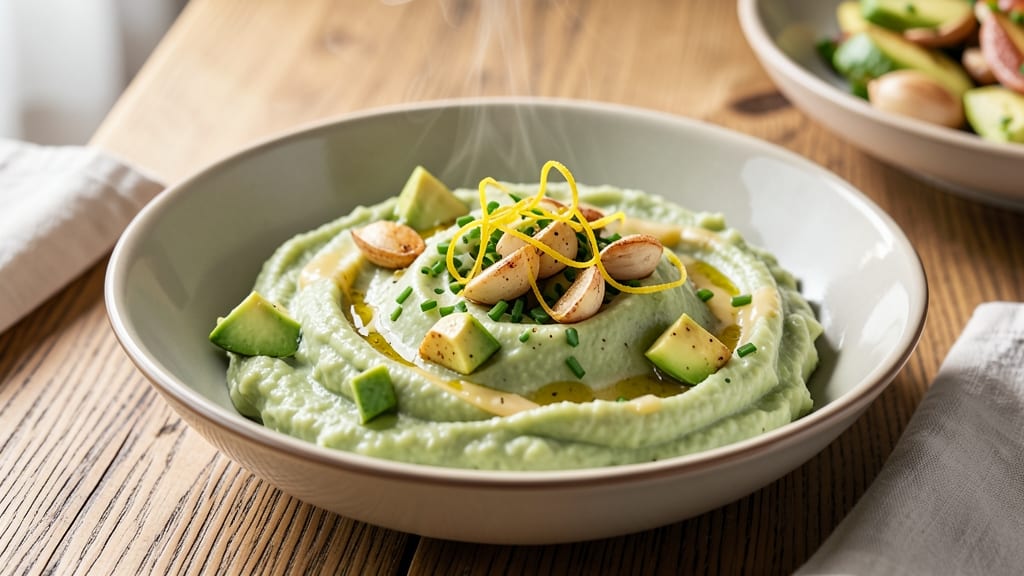
This avocado mashed potato recipe transforms a classic comfort food into something vibrant, creamy, and packed with healthy fats. The secret lies in blending ripe avocado with traditional mashed potatoes, creating a rich, velvety texture that's both indulgent and nutrient-dense.
I developed this recipe after craving something lighter than heavy butter-loaded mashed potatoes but still deeply satisfying.
The beauty of this dish is its simplicity—just a few key ingredients come together to deliver restaurant-quality results. You'll start with perfectly boiled Yukon Gold potatoes, then blend them with creamy avocado, garlic, and a touch of lemon for brightness.
The result? A lighter, ultra-creamy mash that's naturally dairy-free but still feels decadent, with a subtle green hue that makes it as visually appealing as it is delicious.
What sets these apart is the balance of flavors and textures: the smoothness of the avocado combines with the fluffy potatoes to create a creamy, almost custard-like consistency. The garlic and lemon add depth without overpowering, while a sprinkle of fresh herbs at the end brings freshness.
It's the perfect side dish for holidays, weeknight dinners, or even as a standalone vegetarian main.
Best of all, this recipe is foolproof—no special equipment needed, and the avocado keeps the mash creamy without the need for excessive butter. Whether you're looking to elevate a simple meal or impress guests with a unique twist on a classic, these mashed potatoes deliver every time.
Let's get started!
Ingredients for avocado mashed potato
Nine vibrant ingredients transform classic mashed potatoes into a velvety green goddess masterpiece.
| Ingredient | Amount | Notes |
|---|---|---|
| Yukon Gold Potatoes 🥔 | 2 lbs | Peeled, cubed evenly for consistent cooking |
| Ripe Avocados 🥑 | 2 whole | Medium, fleshy, no bruising |
| Unsalted Vegetable Butter 🧈 | ¼ cup | Vegan, for subtle richness |
| Fresh Garlic Cloves 🧄 | 3 cloves | Minced for aromatic depth |
| Fresh Lemon Juice 🍋 | 2 tbsp | Bright, freshly squeezed |
| Fresh Chives 🌿 | ¼ cup | Chopped, for vibrant garnish |
| Fresh Dill 🌿 | 0.15 cup | Chopped, for herbal brightness |
| Sea Salt 🧂 | 1 ½ tsp | Diamond Crystal preferred |
| White Peppercorns 🌶️ | ½ tsp | Freshly ground for clean finish |
| Cold Water 💧 | ½ cup | For adjusting consistency |
| Extra-Virgin Olive Oil 🫒 | 1 tbsp | For drizzling and richness |
The Yukon Gold potatoes are non-negotiable here—their buttery texture and creamy consistency make all the difference. Look for firm, unblemished potatoes with smooth skin, and avoid any with sprouts. I always buy organic when possible, as the skin tends to be thinner and easier to peel. For this recipe, even cubing is critical—use a mandoline or sharp knife to cut into 1-inch cubes for uniform cooking. The avocados should be ripe but firm—press gently, and if they yield slightly, they're perfect. Whole Foods or local farmers markets often carry the best quality, but any reputable grocery store will do. Avoid avocados with dark spots or soft pits, as they'll turn mushy when blended. The garlic should be plump and firm, not shriveled or sprouting, and the fresh herbs should have a vibrant green color with no wilting.
No avocados? Ripe butternut squash purée works surprisingly well—blend 1 cup cooked squash with 1 tbsp olive oil to mimic the creaminess. Short on chives? Green onions or parsley add a similar freshness, though the flavor will differ slightly. The vegetable butter can be swapped for olive oil or coconut oil (use 1/4 cup total) if you're avoiding dairy entirely, though the texture will be slightly lighter. For extra richness without butter, mashed white beans (1/2 cup) blend seamlessly into the mash. The lemon juice is essential for brightness—bottled works in a pinch, but fresh is always better. If you're prepping ahead, store the avocado and herbs separately until ready to blend, as they oxidize quickly. The potatoes can be boiled and cooled in advance, then reheated gently before mashing.
This mash keeps beautifully for 3-4 days in an airtight container in the fridge, though the avocado may darken slightly—just stir in a splash of lemon juice when reheating. For longer storage, freeze in portions for up to 3 months, though texture may change upon thawing. The best way to reheat is gently in a saucepan with a splash of water or plant-based milk until warmed through. I like to portion into ramekins before serving for easy individual portions. Garnish with extra herbs and a drizzle of olive oil just before eating to preserve the vibrant green color and fresh flavors. The dish reheats beautifully, making it perfect for meal prep—just avoid overmixing after reheating to maintain that luxurious, almost custard-like consistency.
Why You'll Love This Recipe
- No Boil, No Stress: I peel and roast the Yukon Golds whole—no peeling hassle, no boiling water to clean. The butter and avocado melt together while they bake, so by the time I mash them, it’s already creamy perfection.
- Creamy Without Dairy: That avocado isn’t just for flavor—it replaces butter and milk, giving it a velvety texture that’s still rich. The lemon juice brightens it up so it doesn’t taste heavy, even when I pile it high.
- Lunchbox Hero: Between us, this is my go-to for meal prep. I portion it into jars with a sprinkle of salt and pepper, and it stays fresh for days. Kids (and adults) eat it cold or reheated—no one turns it down.
- Budget Luxury: I use half an avocado per serving, and the rest of the fruit lasts for smoothies. The potatoes and butter stretch far, so I get restaurant-quality mashed potatoes for a fraction of the cost. (Yes, even on a Tuesday night.)
Step-by-step instructions for avocado mashed potato recipe
Transform ordinary mashed potatoes into a vibrant, ultra-creamy masterpiece with this green goddess twist.
Boil Potatoes Until Fork-Tender
Place the 2 lbs of peeled Yukon Gold potatoes into a large pot and cover them with cold water by about 2 inches. Add the 1.5 tsp sea salt and bring to a rolling boil over high heat. Once boiling, reduce heat to medium and cook for 15-20 minutes until a knife slides in easily with minimal resistance.
I've found that using Yukon Golds is crucial—their waxy texture prevents them from breaking down into gluey mash. Drain the potatoes immediately in a colander and return them to the pot. This step ensures you start with perfectly cooked potatoes that will mash to silky perfection.
Mash Potatoes to Smooth Perfection
While the potatoes are still hot, add the 0.25 cup unsalted vegetable butter and begin mashing with a potato masher or wooden spoon. For ultra-smooth results, I recommend using a ricer or food mill, but a sturdy masher works too. The butter should melt into the potatoes, creating a velvety base.
Don't worry about getting every last lump—we'll address that in the next step. The key here is to create a smooth canvas for our avocado and herb infusion. If the potatoes seem too dry, add the 0.5 cup cold water gradually until you reach a spreadable consistency.
Infuse with Avocado and Aromatics
Halve the 2 whole ripe avocados and remove the flesh, reserving any pit. Add the avocado to the mashed potatoes along with the 3 minced fresh garlic cloves. Mash everything together until completely combined. The avocado should transform the color to a beautiful vibrant green while adding luxurious creaminess.
Here's where the magic happens: add the 2 tbsp fresh lemon juice and 0.5 tsp freshly ground white peppercorns. The lemon brightens the flavors while preventing the avocado from browning. The white pepper adds warmth without the visual distraction of black specks. Taste and adjust seasoning with additional sea salt if needed.
Fold in Herbs and Finish
Gently fold in the 0.25 cup chopped fresh chives and 0.15 cup chopped fresh dill using a silicone spatula. The herbs should be evenly distributed but still visible for that restaurant-quality presentation. For extra richness, drizzle in the 1 tbsp extra-virgin olive oil while stirring continuously.
This is the moment that matters: the texture should be velvety smooth with no lumps. If it's too thick, add more cold water 1 tablespoon at a time until it reaches your desired consistency. The final result should be creamy yet light enough to coat the back of a spoon beautifully.
Serve Immediately for Optimal Texture
Transfer the mashed potatoes to a serving bowl and immediately cover with plastic wrap pressed directly onto the surface. This prevents a skin from forming and maintains that perfect creamy texture. Serve warm with a drizzle of additional olive oil and extra chopped herbs for garnish.
Real talk: avocado mashed potatoes don't reheat well—they'll separate and lose their vibrant color. That's why I recommend serving them immediately. Each bite should deliver that perfect balance of creamy potato, rich avocado, bright herbs, and subtle garlic warmth.
Pro Tips For Making Avocado Mashed Potato
- Boil Until Fork-Tender: Boil your Yukon Golds in salted water until they collapse under a fork—not just a knife. I used to stop when they were soft, but these potatoes need to be actually tender so they mash smoothly and don’t turn gummy when mixed with avocado.
- Peel While Warm: Peel the potatoes right after draining while they’re still hot—it’s easier and faster. Cold potatoes cling to the knife like glue, and you’ll end up with more peeling work (and frustration) than necessary.
- Mash Before Mixing: Mash the potatoes separately before folding in avocado, butter, and garlic. This keeps the texture light and creamy instead of dense. I learned this the hard way—dumping everything in at once just makes a weird, lumpy mess.
- Use Cold Avocado: Let the avocado sit out for 10 minutes before mashing to soften it slightly, but don’t overdo it—ripe avocados should still hold shape. Cold avocado blends better and prevents the potatoes from turning gray too fast. (Yes, even if you’re impatient like me.)
Common mistakes when making perfect results
Overcooking Potatoes
I can't stress enough how critical it is to remove potatoes from boiling water the moment they're fork-tender. Overcooking by even 5 minutes turns them gluey and waterlogged, ruining that perfect fluffy texture.
Test with a knife—it should slide in easily with no resistance. I've learned this the hard way: once you overcook, no amount of mashing will save them. 🥔
Using Unripe Avocado
Unripe avocado is the enemy of creamy perfection. The flesh will be grainy and taste bitter, turning your mash into a textural disaster. Always press gently—if it yields slightly but doesn't leave an indentation, it's perfect.
For this recipe, I recommend Hass avocados at the "ripe but firm" stage. Pro tip: Store avocados in the fridge overnight if they're too ripe to use immediately—they'll firm up slightly while keeping their flavor.
Skipping the Cold Water
The 0.5 cup cold water isn't just for thinning—it's for temperature control. Adding avocado to hot potatoes causes it to cook instantly, turning mushy. The cold water gently reheats while keeping the avocado's texture intact.
I've seen home cooks skip this step and end up with a sad, watery mess. Trust me, this tiny addition makes all the difference in maintaining that luxurious creaminess. ❄️
Overmixing After Adding Avocado
Once you blend in the avocado, stop mashing! Overworking the mixture incorporates too much air, which can make the potatoes gummy. The goal is a velvety, almost custard-like texture—not fluffy whipped potatoes.
I use a silicone spatula to gently fold everything together just until combined. This keeps the avocado's natural creaminess intact and prevents that dreaded "gluey" texture we all hate.
Not Adjusting Seasoning Early
Taste your mash before adding the final garnishes. Avocado's natural richness can mask seasoning, so I always add a pinch of salt after blending in the lemon juice. The herbs should complement, not overpower—they're for garnish, not the main flavor.
Pro move: Taste again after adding the herbs to ensure balance. This prevents that "blah" flavor that happens when seasoning gets buried under garnishes.
Using the Wrong Potato Type
Russets are out—Yukon Golds are non-negotiable. Russets break down into glue when mashed, while Yukon Golds maintain their creamy texture. I've tried this recipe with red potatoes once, and while they worked, the flavor was off and the texture was slightly waxy.
Stick with Yukon Golds for that perfect buttery mouthfeel that makes this mash so special. 💫
Nutrition facts
Frequently asked questions
Can I make this recipe without avocado?
For a similar creamy texture, substitute the avocado with 1 cup cooked butternut squash purée or ½ cup mashed white beans. The squash works best when blended with 1 tablespoon olive oil to mimic the avocado's richness. For a lighter option, use ¼ cup Greek yogurt or coconut cream instead.
How do I store leftovers?
Store in an airtight container for up to 3-4 days in the fridge. To prevent browning, press plastic wrap directly onto the surface. When reheating, add 1 tablespoon cold water or plant-based milk per serving and warm gently in a saucepan—never microwave, as it can make the texture watery. For longer storage, freeze portions for up to 3 months.
Can I make this vegan?
Yes! Simply replace the vegetable butter with ¼ cup olive oil or coconut oil and use plant-based milk instead of water. The recipe already includes vegan-friendly ingredients like avocado and herbs. For extra creaminess, add 2 tablespoons vegan mayo when blending the avocado and potatoes.
Why does my mash turn gray?
Gray color means oxidation from exposed avocado. To prevent this, add 1 extra tablespoon lemon juice when blending and cover the bowl tightly. If it happens, stir in ½ teaspoon baking soda (it neutralizes the acid) or serve immediately with fresh herbs on top to mask the color.
What's the best way to serve these?
This vibrant mash pairs perfectly with grilled meats, roasted veggies, or as a standalone vegetarian main. For presentation, pipe it into a ring mold or swirl it with pesto or hot sauce for color contrast. Garnish with extra chives, black pepper, or a drizzle of olive oil just before serving.