
Side Dishes
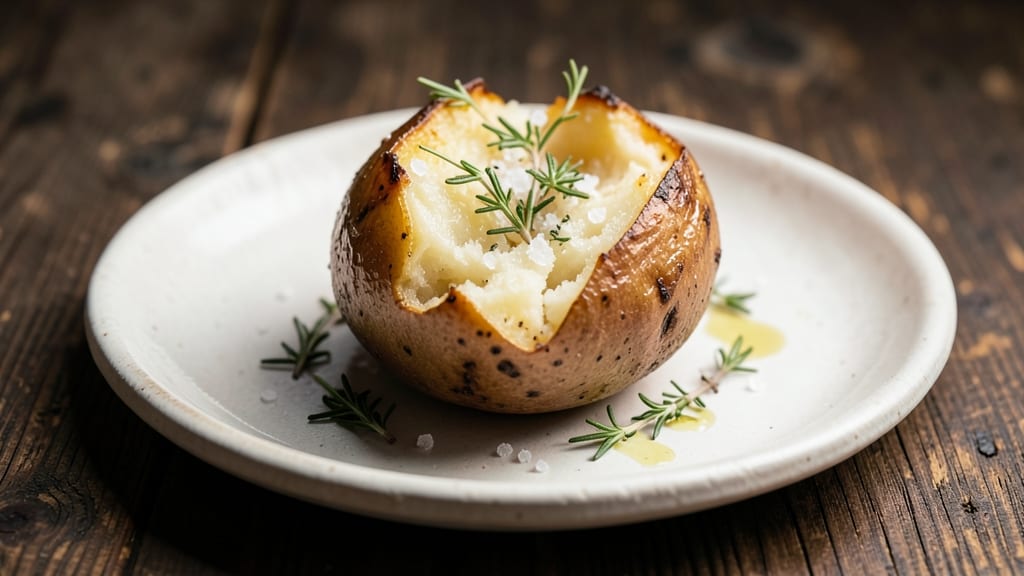
A baked potato recipe boil first transforms ordinary potatoes into restaurant-quality sides with crispy skin and a fluffy heart—every time. The secret lies in the double-cooking method: boiling first ensures even cooking and prevents dryness, while baking creates that coveted golden crust.
This technique eliminates the guesswork of oven times and temperatures, guaranteeing perfect results regardless of potato size.
Most recipes skip the boiling step, leaving you with unevenly cooked potatoes—some underdone, others mushy. By parboiling for 10-15 minutes, you jumpstart the cooking process, allowing the skin to crisp perfectly in the oven without overcooking the inside.
Seasoning with salt and olive oil before baking enhances flavor while promoting that crispy texture.
The result is a crispy exterior that shatters with every bite and a tender, fluffy interior that holds toppings beautifully. Whether you're serving them as a side for steak or loading them up with all the fixings, this method ensures consistency and professional-quality results.
No more waiting for the oven to preheat or worrying about uneven cooking.
Once baked, the possibilities are endless—classic butter and sour cream, cheesy loaded potatoes, or even a simple sprinkle of salt and pepper. The key is timing: start boiling, then bake while you prepare toppings. This recipe delivers foolproof, restaurant-worthy potatoes with minimal effort and maximum flavor.
Ingredients for baked potato recipe boil first
Four essential ingredients transform simple potatoes into restaurant-quality sides with perfect texture every time.
| Ingredient | Amount | Notes |
|---|---|---|
| Russet Potatoes 🥔 | 4 whole | Medium-large size, uniform shape |
| Kosher Salt 🧂 | 2 tsp | Diamond Crystal preferred |
| Extra-Virgin Olive Oil 🫒 | ¼ cup | High-quality, fruity variety |
| Large Eggs 🥚 | 1 whole | Optional for extra crispiness |
| Unsalted Butter 🧈 | ½ cup | Melted, for brushing |
| Fresh Rosemary 🌿 | ¼ cup | Chopped, for seasoning |
| Fresh Thyme 🌿 | ¼ cup | Leaves only, finely chopped |
| Garlic Cloves 🧄 | 4 cloves | Minced, for seasoning |
| Black Pepper 🌶️ | ½ tsp | Freshly ground, coarse |
| Water 💧 | 4 cups | For boiling, cold |
| Parchment Paper 📄 | 1 sheet | For baking tray lining |
The Russet potatoes are non-negotiable for this technique—their thick skins and low moisture content create that ideal crispy exterior. Look for uniformly shaped potatoes at Whole Foods or your local grocery store's produce section, as even cooking is critical. Medium-large potatoes (about 12-16 oz each) ensure they're fully cooked without becoming overly dense. If you can't find Russets, Idaho potatoes are an excellent substitute. The key is avoiding waxy varieties like Yukon Golds, which won't develop that signature crispy skin. For best results, store potatoes in a cool, dark place away from onions—their ethylene gas accelerates spoilage.
No fresh herbs? Dried rosemary and thyme at one-third the amount work in a pinch, though fresh delivers that restaurant-quality depth. The olive oil matters here—skip the cheap stuff. A California extra-virgin with fruity notes elevates the flavor profile. For the egg wash, if you're avoiding eggs, a simple water and olive oil mixture (1 tbsp each) creates crispiness without compromising texture. The butter brushing is optional but recommended for that golden finish. If you're baking more than four potatoes, increase the butter to 1 tbsp per potato—it's worth the extra minute of brushing.
Potatoes can be prepped up to 24 hours ahead—store peeled and seasoned ones in cold water in the fridge, then drain and pat dry before baking. The parboiled potatoes keep in the fridge for 2 days if wrapped tightly in foil. For long-term storage, bake them immediately after boiling and reheat at 350°F for 10-15 minutes until crispy again. The crispiness diminishes after the first day, so plan to serve these as soon as possible. For a shortcut, you can bake them straight from the parboiled state—just increase the baking time by 10-15 minutes and check frequently to avoid overcooking.
Why You'll Love This Recipe
- Boil-First Hack: I swear by this trick—boiling them first cuts baking time in half. No more waiting 45 minutes for a single potato; these come out tender and fluffy in under 30.
- Butter-Egg Magic: That cracked egg yolk sliding into a buttery, crisp-edged center? It’s like a warm hug for your taste buds. The olive oil keeps it from drying out, and the butter? Pure indulgence.
- Meal Prep MVP: I make a batch on Sundays, wrap them in foil, and they reheat like a dream. Perfect for lazy nights, tailgates, or when you’re too tired to cook but still want something hearty.
- Budget-Friendly Luxury: Russets are cheap, eggs stretch further than you’d think, and butter makes everything feel special. Here’s what sold me—it tastes like a restaurant dish but costs half the price.
Step-by-step instructions for double-cooked crispy potatoes
Mastering the boil-first method guarantees restaurant-quality potatoes with flawless crispy skin and ultra-fluffy interiors.
Boil Potatoes Until Fork-Tender
Place the 4 whole Russet Potatoes in a large pot and cover with the 4 cups of cold water. Add the 2 teaspoons of kosher salt and bring to a rolling boil over high heat. Reduce to a gentle simmer and cook for 12-15 minutes until a knife slides in easily with slight resistance.
This initial boiling phase creates a stable foundation for even baking. The potatoes should be completely cooked through but still hold their shape—overcooking here leads to dense, gummy interiors. I use a fork test: when it pierces with just a little resistance, they're perfect. Drain immediately and let them steam-dry in the colander for 2 minutes to remove surface moisture.
Create Herb-Infused Oil Mixture
While the potatoes steam-dry, combine the 0.25 cup of extra-virgin olive oil, 0.25 cup of chopped fresh rosemary, 0.25 cup of fresh thyme, 4 minced garlic cloves, and 0.5 teaspoon of black pepper in a small bowl. Mix thoroughly to distribute the herbs evenly throughout the oil.
This aromatic oil becomes the secret weapon for flavor infusion during baking. The herbs release their essential oils into the fat, creating a fragrant crust that permeates the potato skin. I like to let this mixture sit for 5 minutes before using to allow the flavors to meld—this makes a noticeable difference in depth of taste.
Brush and Season the Potatoes
Preheat your oven to 425°F. Line a baking sheet with the parchment paper and position a rack on top. Using a pastry brush, coat each potato generously with the herb-infused oil mixture, making sure to cover all surfaces completely. Sprinkle with additional kosher salt if desired.
The oil creates a protective barrier that prevents the skin from drying out while allowing it to develop that coveted crispy texture. I brush the oil in one direction first to ensure full coverage, then rotate the potatoes to coat the opposite sides. This methodical approach guarantees even flavor distribution and consistent browning.
Bake for Perfect Crispy Skin
Place the oiled potatoes on the prepared baking rack and bake for 45-55 minutes, rotating the tray halfway through, until the skin is deep golden brown and crispy to the touch. The internal temperature should reach 210°F when measured with an instant-read thermometer.
This double-cooking method transforms ordinary potatoes into gourmet-quality results. The initial boiling ensures even cooking and fluffy texture, while the high-heat baking creates that coveted crispy exterior. I've found that rotating the tray halfway prevents uneven browning, especially important when using home ovens that may have hot spots.
Optional Egg Wash for Extra Crispiness
For maximum crispiness, beat the 1 whole large egg in a small bowl. After removing the potatoes from the oven, brush each one lightly with the egg wash. Return to the oven for an additional 5-8 minutes until the egg forms a delicate, crispy coating.
This final step creates a delicate, lacy crust that adds an extra layer of texture. The egg wash works best when applied to hot potatoes straight from the oven—it cooks instantly to form that beautiful golden finish. If you prefer a simpler approach, skip this step and enjoy the naturally crispy skin from the herb oil treatment.
Pro Tips For Making Baked Potato Recipe Boil First
- PRICK FIRST, THEN BOIL: I learned this the hard way—skipping the fork pricks leads to uneven boiling and weird shapes. Stab each potato 4-5 times with a fork before dropping them in the pot. This keeps them from exploding and ensures the water penetrates evenly for that perfect fluffy texture.
- USE SALTED WATER (YES, REALLY): Too many people skip this, but salting the boiling water (1-2 tablespoons kosher salt) seasons the potatoes from the inside out. It’s not just about flavor—it also helps tenderize the starches faster, cutting down on boil time by 5-10 minutes.
- DON’T SKIP THE DRYING STEP: After boiling, spread the potatoes on a wire rack or clean towel for at least 10 minutes. I know, you’re eager to bake them, but wiping them dry with a kitchen towel first makes a real difference in crispiness—especially if you’re adding butter and olive oil later.
- BAKE AT 425°F (NOT 375°F): I used to play it safe with 375°F, but 425°F gets that golden crust faster without drying out the inside. Just bake them for 40-45 minutes (depending on size) and resist the urge to open the oven early—patience here guarantees a perfect bake.
Wine and beer pairings for these flavors
Classic Red Wine Pairings
For these herb-infused baked potatoes, a Pinot Noir from Oregon or a Chianti Classico from Tuscany complements the earthy rosemary and thyme beautifully. The medium body and bright acidity cut through the richness while enhancing the herbal notes.
I always reach for a 2018 La Crema Pinot Noir—its red fruit and subtle spice notes bridge the gap between the potatoes' crispy exterior and fluffy interior. 🍷
Crisp White Wine Options
If you prefer white wine, a dry Riesling from Germany's Mosel region offers perfect balance. The wine's crisp acidity and slight minerality refresh your palate between bites, while its subtle sweetness harmonizes with the potatoes' savory herbs.
I love Dr. Loosen Blue Slate Riesling—it's my go-to for these potatoes, especially when serving with lighter toppings like sour cream and chives.
Malbec for Heartier Toppings
When loading your potatoes with cheddar cheese, bacon, or steak toppings, a bold Argentinian Malbec stands up to the richness. The wine's dark fruit and velvety texture match the smoky flavors of bacon while its acidity prevents the dish from feeling too heavy.
A 2019 Catena Zapata Malbec is my top recommendation—it's approachable yet sophisticated enough for any dinner table.
Craft Beer Complements
A Belgian witbier like Hoegaarden adds a refreshing contrast with its citrusy notes and effervescence. The beer's coriander and orange peel flavors complement the rosemary and thyme in the potatoes.
For a darker option, try a German Dunkelweizen—its caramel and clove undertones pair exceptionally well with the crispy skin and herby crust. 🍺
Cider Pairing for Lighter Eaters
For a non-alcoholic option, a dry hard cider like Angry Orchard Crisp Apple offers a crisp, refreshing match. The apple's bright acidity and slight tartness cleanse your palate between bites, making it ideal for those who prefer lighter accompaniments.
I also enjoy pairing these potatoes with a sparkling apple cider—the bubbles add an extra layer of sophistication to the meal.
Nutrition facts
Frequently asked questions
Why boil potatoes before baking them?
Boiling first creates a perfectly fluffy interior while ensuring even cooking throughout. The initial boil jumpstarts the cooking process, so the oven only needs to focus on creating that crispy skin—no more undercooked centers or dry outsides. This double-cooking method guarantees restaurant-quality texture every time.
Can I use any type of potato for this recipe?
Russet potatoes are ideal because their thick skins and low moisture content create that signature crispy exterior. While Idaho potatoes work well as a substitute, avoid waxy varieties like Yukon Golds—they won't develop the same crispy texture. The key is choosing potatoes with uniform size for even cooking.
How do I know when the potatoes are done boiling?
Use the fork test: when a knife or fork slides in easily with just slight resistance, they're perfectly cooked. Boiling for 12-15 minutes in salted water should achieve this. Overcooking here leads to dense, gummy potatoes—always drain immediately and let them steam-dry for 2 minutes before seasoning.
Do I need to poke holes in the potatoes before boiling?
No holes are necessary! The boiling water will penetrate the skin naturally. Poking holes can actually cause the potatoes to absorb too much water, leading to a watery interior. Just use cold water and bring to a boil—this ensures even cooking without compromising texture.
Can I make these potatoes ahead of time?
Yes! Parboiled potatoes can be stored in cold water in the fridge for up to 24 hours before baking. For long-term storage, bake them immediately after boiling and reheat at 350°F for 10-15 minutes until crispy again. Note that the crispiness diminishes after the first day, so they're best served fresh.