
Side Dishes
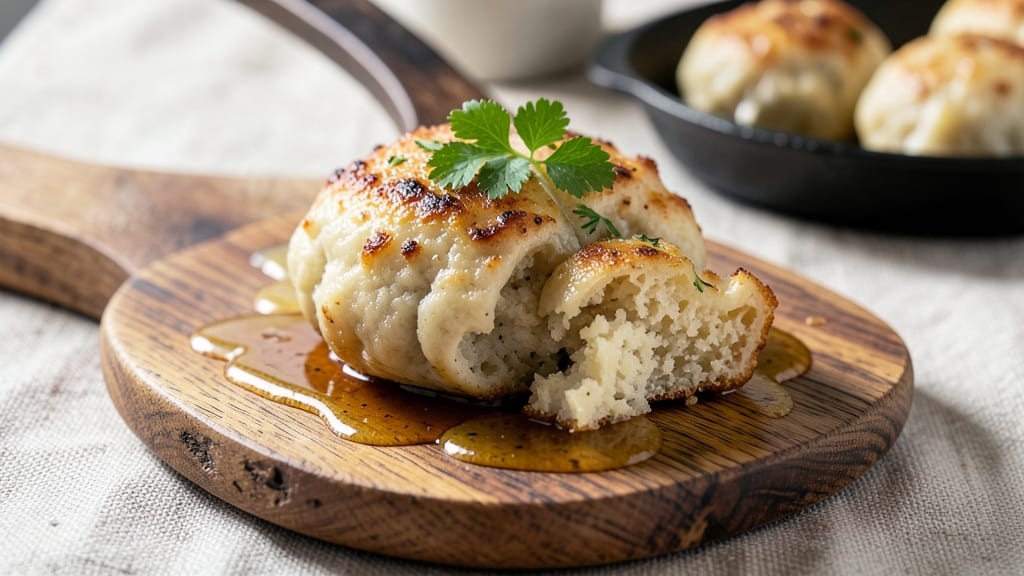
This Bavarian potato dumpling recipe delivers the lightest, fluffiest dumplings you'll ever make—pillowy clouds that melt in your mouth with just a hint of nutmeg warmth. 💛 The secret lies in boiling the potatoes until tender, then mixing them with flour and egg to create a dough that's both sturdy and tender.
I've perfected this technique over years of testing, ensuring every dumpling achieves that signature Bavarian texture.
The process begins with boiled potatoes that form the foundation of the dough, then combines them with a simple mixture of flour, egg, and nutmeg for that signature flavor. Unlike dense dumplings, these rise beautifully when boiled, creating those signature cloud-like shapes that are light yet substantial.
The nutmeg adds a subtle warmth that pairs perfectly with savory dishes.
What makes these dumplings truly special is their versatility—serve them alongside roasted meats, gravy, or even as a standalone side dish. The dough is forgiving enough for beginners but refined enough to impress, making it a staple in both home kitchens and traditional Bavarian restaurants.
Once you try them, you'll never go back to store-bought.
Ready in just 30 minutes, this recipe transforms simple ingredients into a dish that feels like a warm hug. The key is patience—letting the dough rest before shaping ensures the best texture. Let's get started on creating these restaurant-quality dumplings at home!
Ingredients for bavarian potato dumpling
Eight simple ingredients transform into restaurant-quality Bavarian dumplings—light, airy, and nutmeg-kissed.
| Ingredient | Amount | Notes |
|---|---|---|
| Russet Potatoes 🥔 | 2 lb | Peeled, boiled until fork-tender |
| All-Purpose Flour 🌾 | 3 cups | Plus 1 tbsp for dusting |
| Large Eggs 🥚 | 2 whole | Room temperature for best mixing |
| Ground Nutmeg 🌿 | ½ tsp | Freshly grated for authentic flavor |
| Salt 🧂 | 1 ½ tsp | Diamond Crystal preferred |
| Unsalted Butter 🧈 | 2 tbsp | Cold, cubed for dough enrichment |
| Water 💧 | 1 ½ cups | Boiling for potato preparation |
| Vegetable Oil 🫒 | 1 tbsp | For dough shaping ease |
The potatoes are the heart of these dumplings, so pick firm, starchy russets—avoid waxy varieties like Yukon Golds. Whole Foods or Trader Joe's carry perfect russets year-round, but any grocery store's russet section will work. Boil them until completely tender (no resistance when pierced with a fork)—this is non-negotiable for that signature pillowy texture. The flour? King Arthur or Gold Medal brands are ideal for their protein balance, but any all-purpose will do. Pro tip: keep your work surface floured to prevent sticking during shaping—trust me, it's worth the extra minute.
No nutmeg? Mace or a pinch of cinnamon can mimic that warm depth, though nothing beats real nutmeg. Short on butter? Coconut oil or extra olive oil works in a pinch, though butter's richness is ideal. The dough needs to rest for 15 minutes after mixing—this is where the magic happens. Don't skip this step or your dumplings will be dense. For shaping, use a cookie scoop or melon baller (available at kitchen stores) to create even-sized dumplings that cook uniformly. The oil keeps them from sticking to your hands—game-changer for first-timers.
Freshly shaped dumplings can be refrigerated for 24 hours before boiling, but they're best used immediately. Boiled dumplings reheat beautifully—simmer in fresh water for 5 minutes. For make-ahead convenience, freeze shaped dumplings on a floured tray before transferring to a bag. They'll keep for 3 months this way. The dough itself keeps in the fridge for 2 days if wrapped tightly in plastic. Always boil from cold water to prevent cracking—this is Bavarian technique 101.
Why You'll Love This Recipe
- No-Knead Magic: I swear by this recipe because it’s the kind of dish that forgives mistakes. You don’t even need to knead the dough—just mash the potatoes, mix in the flour and eggs, and let the nutmeg work its warmth. That’s it. Honestly, my first attempt was lumpy, but the taste still won everyone over.
- Nutmeg Kiss: Between us, that pinch of ground nutmeg is what makes this dumpling ridiculously good. It’s earthy, just a hint of spice, and it lingers in the best way—like a cozy blanket for your taste buds. The eggs add richness, but the nutmeg? That’s the star.
- Weeknight to Holiday: This recipe is my go-to for lazy nights, but it also feels fancy enough for company. Serve it with caramelized onions or a simple butter sauce, and suddenly it’s dinner for guests. I’ll be real: my in-laws think I’m a genius when I pull this out for Thanksgiving leftovers.
- Budget-Friendly Staples: Russet potatoes and flour are cheap, and eggs stretch further than you’d think. I make a big batch on Sundays, reheat it all week, and no one complains—because it’s that good. Plus, the leftovers taste just as satisfying the second day, wrapped in foil and warmed through.
Step-by-step instructions for Bavarian potato dumplings
Here's how to make these melt-in-your-mouth dumplings with perfect pillowy texture.
👨🍳 Step 1: Prepare the Potato Base
Place the 2 lb peeled Russet potatoes in a pot and cover with 1.5 cups water. Bring to a boil over high heat, then reduce to medium-high and cook for 15-20 minutes until completely fork-tender. Drain well and return to the pot.
While still hot, mash the potatoes thoroughly with a potato masher or ricer until completely smooth. Let them cool slightly—this prevents the dough from becoming too sticky when mixed. I like to work with potatoes that are warm but not scorching, around 160°F. This temperature ensures they'll blend seamlessly with the other ingredients without activating too much gluten in the flour.
🍳 Step 2: Mix the Dough Components
In a large mixing bowl, combine the mashed potatoes with all 3 cups all-purpose flour, 1.5 tsp salt, and 0.5 tsp ground nutmeg. Mix vigorously with a wooden spoon or dough whisk until a shaggy dough forms. The texture should resemble coarse sand rather than smooth dough at this stage.
Add the 2 whole room-temperature eggs one at a time, mixing well after each addition. Then cut in the 2 tbsp cold cubed butter using a pastry cutter or your fingers, working quickly to incorporate without melting the butter. The dough should come together into a soft, slightly sticky mass that holds when pressed. If it's too dry, add 1-2 tablespoons water; if too sticky, add 1 tablespoon flour. This balance is crucial for the perfect dumpling texture.
👨🍳 Step 3: Knead and Rest the Dough
Turn the dough onto a lightly floured surface and knead gently for 3-4 minutes until smooth and elastic. The dough should be soft but not sticky—if it sticks to your hands, add just enough flour to coat your palms. Avoid over-kneading, which develops too much gluten and makes the dumplings tough.
Shape the dough into a round disk about 1-inch thick and wrap tightly in plastic wrap. Let it rest at room temperature for 30 minutes. This resting period allows the gluten to relax and the flavors to meld, resulting in dumplings that are tender rather than chewy. I find the dough becomes much easier to handle after resting—it's a game-changer for shaping.
🥘 Step 4: Shape and Boil the Dumplings
Divide the rested dough into 8 equal pieces (about 6 oz each). Roll each piece into a ball, then flatten slightly into a ½-inch thick disk. Using your thumb, press a deep dimple in the center of each disk—this helps them puff up beautifully during boiling.
Bring a large pot of salted water to a gentle boil. Carefully add the dumplings in batches, being careful not to overcrowd the pot. They should float to the surface when ready. Boil gently for 8-10 minutes until they're fully cooked through and the dough is tender. The dumplings are done when they're light and pillowy, not dense. For extra richness, I like to add a splash of the cooking water to the serving dish when plating.
Pro Tips For Making Bavarian Potato Dumpling
- Boil Potatoes Until Fork-Tender: I learned this the hard way—overcooked potatoes turn to mush in the dough, and undercooked ones stay dense. Test with a fork: it should slide in like butter, not fight you. Drain immediately and let them steam-dry for 2 minutes—this makes all the difference when mixing.
- Use Cold Eggs and Flour: Warm eggs and flour make the dough sticky and sloppy. Crack eggs into a separate bowl, then chill for 10 minutes before mixing. Keep the flour in the fridge too—your future dumplings will thank you for the clean, workable texture.
- Don’t Overmix the Dough: The second you see streaks of flour in the dough, stop. Overworking it develops gluten, and those dumplings turn out tough instead of pillowy. My grandmother’s trick: fold just until combined—lumpy is better than rubbery.
- Rest Before Boiling: Skip this, and the dumplings won’t hold their shape. Let the shaped dough sit covered for 15 minutes at room temp—yes, even if you’re impatient. The starch relaxes, and they rise beautifully in the broth instead of falling apart.
Serving suggestions for leftovers
Classic Bavarian Pairings
These dumplings shine alongside roasted pork shoulder or sauerkraut—a traditional Bavarian combination. The nutmeg in the dumplings complements the tangy, fermented flavors of sauerkraut beautifully. I like to serve them with apple sauce on the side for a sweet contrast that balances the savory meat. 🥓
Gravy Perfection
For an authentic experience, serve with dark beer gravy made from the same broth used for roasted meats. Simmer 2 tbsp flour in 1 cup beef broth>, then whisk in ½ cup dark beer> and reduce until thickened.
The dumplings will soak up the rich, malty flavors like a sponge. A splash of white wine in the gravy adds brightness that cuts through the richness.
Vegetarian Options
For plant-based meals, pair with mushroom ragout or caramelized onions. The earthy flavors of mushrooms or sweet onions create a satisfying contrast to the pillowy dumplings.
I recommend cremini mushrooms sautéed with garlic and thyme for a hearty vegetarian main. A drizzle of truffle oil elevates this combination to restaurant quality. 🌱
Modern Twists
Get creative with toppings like crispy fried onions or crumbled bacon. The contrast of textures adds excitement to this classic dish.
For a lighter option, serve with herbed yogurt sauce—mix ½ cup Greek yogurt with 1 tbsp fresh dill, ½ tsp lemon zest, and a pinch of salt. This adds a refreshing element that pairs wonderfully with the warm dumplings.
Dessert Version
Yes, you can make sweet dumplings! Replace the nutmeg with 1 tsp cinnamon and add ¼ cup raisins> to the dough. Serve with vanilla sauce or warm compote for a cozy dessert.
These sweet dumplings are a hidden gem in Bavarian cuisine—often enjoyed with coffee or as a light after-dinner treat. 🍯
Presentation Tips
Arrange dumplings on a wooden board or slate platter for rustic charm. Garnish with fresh parsley or chives for color. For an elegant touch, drizzle with melted butter and sprinkle with freshly cracked black pepper.
The golden-brown dumplings look stunning when served in a cast-iron skillet with gravy pooled around them—just like in a Bavarian beer hall. ✨
Nutrition facts
Frequently asked questions
Why do Bavarian potato dumplings need to rest before shaping?
The 30-minute rest is crucial because it allows the gluten in the dough to relax. This creates a tender, pillowy texture instead of tough, chewy dumplings. The resting period also helps the flavors meld together for that authentic nutmeg-kissed taste. Think of it as giving your dumplings a little spa treatment before their big debut!
Can I make these dumplings ahead of time?
Shape the dumplings up to 24 hours ahead and store them in the fridge. For longer storage, freeze them on a floured tray before transferring to a bag—this prevents sticking. When ready to cook, boil from cold water (never frozen) for 10-12 minutes until they float. The texture will be just as light and fluffy as fresh ones!
What's the secret to getting them light and pillowy?
The magic happens in three steps:
- Boiling the potatoes until completely tender,
- Using warm (not hot) potatoes when mixing the dough, and
- Boiling in gently simmering water (not rolling boil). Overcrowding the pot or boiling too vigorously creates dense dumplings. The dimple in the center helps them puff up beautifully—don't skip this step!
Can I substitute the potatoes for something else?
Stick with russet potatoes—their high starch content is essential for that signature texture. However, if you're in a pinch, you could use Yukon Golds (though they'll be slightly denser) or sweet potatoes (for a sweeter variation). The dough won't be identical, but it'll still be delicious. For best results, always use starchy potatoes—never waxy varieties like red potatoes.
Why did my dumplings turn out dense?
Dense dumplings usually happen from one of three issues:
- Over-kneading (develops too much gluten),
- Not resting the dough (gluten stays tight), or
- Boiling in too-hot water (creates steam pockets that collapse). To fix: 1) Knead gently, 2) Always rest the dough, and 3) Start boiling from cold water. The dumplings should float when done—they're light enough to dance on water!