
Side Dishes
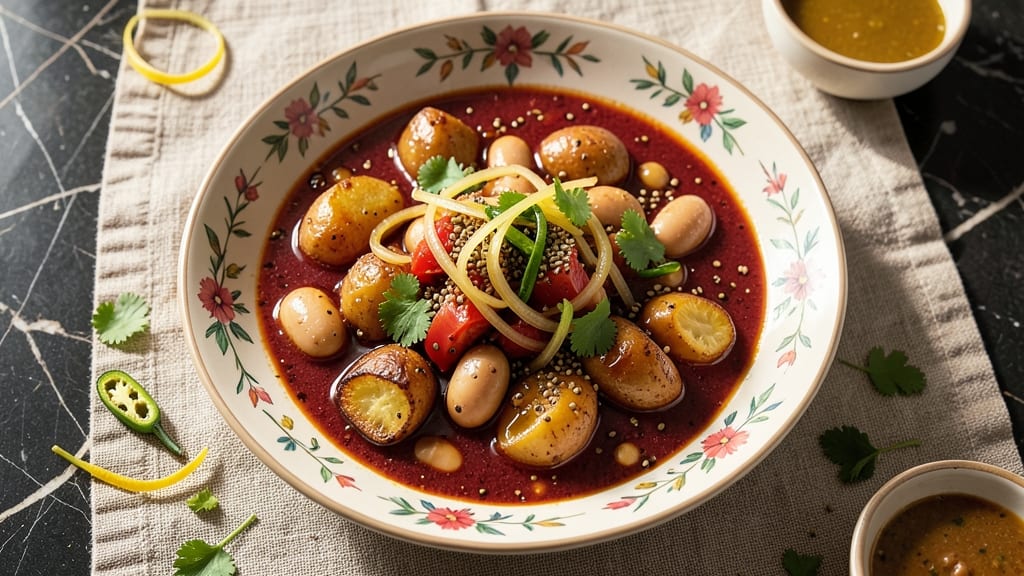
This beans potato Indian curry recipe delivers the warm, aromatic comfort of home-cooked meals that transport you straight to Grandma’s kitchen.
The secret lies in the tempering (tadka)—where whole spices bloom in hot oil to release their magic—before building a rich, spiced tomato gravy that coats tender beans and potatoes in velvety perfection.
I’ve perfected this vegetarian curry to balance earthy spices with creamy coconut milk, ensuring every bite is both hearty and deeply satisfying.
The key to authentic flavor is patience: letting the spices toast until fragrant, then simmering the curry just long enough for the beans to soften without losing their texture. Potatoes add heartiness, while coconut milk rounds out the richness, creating a gravy that’s neither too thick nor too thin.
This recipe stays true to tradition while adapting for modern kitchens—no special equipment required, just a stovetop and a little time to let the flavors meld.
What you’ll end up with is a restaurant-quality curry that’s warm, fragrant, and packed with layers of spice—smoky cumin, earthy coriander, and a hint of warmth from black pepper.
The beans stay tender yet hold their shape, and the potatoes absorb the gravy beautifully, making each spoonful a symphony of textures. Serve it with steamed basmati rice or warm roti to soak up every last drop of that spiced tomato goodness.
This curry is versatile enough for weeknight dinners but special enough for gatherings, with the flexibility to adjust spice levels or swap in other vegetables like cauliflower or carrots.
The best part? It tastes even better the next day as the flavors deepen. Let’s get cooking—your taste buds will thank you.
Ingredients for beans potato curry indian
Pantry staples and fresh spices create this comforting curry that tastes like home.
| Ingredient | Amount | Notes |
|---|---|---|
| Yellow Onions 🧅 | 1 whole | Finely chopped for base |
| Garlic Cloves 🧄 | 6 cloves | Minced for aromatic base |
| Green Chilies 🌶️ | 2 whole | Slit lengthwise for heat |
| Fresh Ginger 🌿 | 1 inch | Grated for zesty kick |
| Cumin Seeds 🌶️ | 1 tbsp | Toasted for smoky depth |
| Ground Coriander 🌿 | 1 tbsp | Earthy flavor base |
| Turmeric Powder 🧂 | ½ tsp | Bright yellow color |
| Ground Cumin 🌶️ | ½ tsp | Warm spice layer |
| Garam Masala 🌿 | 1 tsp | Complex spice blend |
| Black Peppercorns 🌶️ | ½ tsp | Crushed for warmth |
| Canned Diced Tomatoes 🍅 | 1 ½ cups | San Marzano preferred |
| Red Kidney Beans 🌱 | 1 ½ cups | Cooked or canned drained |
| Russet Potatoes 🥔 | 2 medium | Cubed for even cooking |
| Coconut Milk 🥥 | 1 can (13.5 oz) | Full-fat for creaminess |
| Vegetable Oil 🫒 | ¼ cup | For tempering spices |
| Salt 🧂 | 1 ½ tsp | Adjust to taste |
| Fresh Cilantro 🌿 | ¼ cup | Chopped for garnish |
| Lemon Juice 🍋 | 1 tbsp | Freshly squeezed |
The spices are where the magic happens. Cumin seeds need to toast until fragrant—don't rush this part. Penzeys or local Indian markets are great for whole spices, but the grocery store stuff works too. Look for vibrant colors: bright yellow turmeric, deep green coriander, and fresh ginger that smells zesty. The San Marzano tomatoes make all the difference in flavor, but any good-quality canned tomatoes will do. For the beans, kidney or chickpeas both work—just make sure they're tender but not mushy.
No fresh ginger? Ginger powder at half the amount works in a pinch. Short on garam masala? Mix equal parts cinnamon, cardamom, and cloves for a DIY version. The potatoes should be medium-sized and cubed evenly—this ensures they cook perfectly without falling apart. For extra richness, swap half the coconut milk for cashew cream. And if you're feeling adventurous, add 1 tbsp of tomato paste to deepen the gravy color.
This curry tastes even better the next day—3-4 days in the fridge, 3 months frozen. I like to portion it into containers so it's ready for quick lunches. The spices lose their punch after a week, so if you're not using it all, freeze what you won't eat within 3 days. For reheating, add a splash of water or coconut milk to prevent drying out. Serve with steamed basmati rice or warm naan to soak up all that flavor.
Why You'll Love This Recipe
- One-Pot Magic: I swear by this recipe when I’m too tired to scrub a million pans. Just toss chopped onions, garlic, ginger, and cumin into a pot, let it sizzle until the spices sing—then add everything else. The beans and potatoes soften together, and honestly? The cleanup is just a wipe-down. No stress, no fuss.
- Layered Heat: That first sizzle of cumin seeds? Pure theater. Then the garlic, ginger, and green chilies wake up the whole kitchen with their sharp, bright punch—earthy but never heavy. The potatoes soak up the flavor like sponges, and the beans? They turn this into something dangerously addictive, especially when the spices caramelize at the bottom.
- Lunchbox Hero: Between us, this curry is my go-to for packed lunches. It reheats like a dream (just a splash of water, stir, and microwave), and the texture holds up for days. My kid’s school friends keep asking for seconds—no one expects a homemade Indian curry in their lunchbox, but they all love it.
- Budget Stretch: I make this when I’m pinching pennies because it’s ridiculously cheap but feels special. A few onions, a handful of spices, and whatever beans are on sale—it feeds four for under $10. And leftovers? They taste even better the next day, especially with a dollop of yogurt or a sprinkle of cilantro. My wallet and taste buds thank me.
Step-by-step instructions for beans potato Indian curry
This curry brings together rich spices and hearty ingredients for a comforting dish that tastes like home.
Temper the Spices for Maximum Flavor
Heat the 0.25 cup vegetable oil in a large pot over medium heat. Add the 1 tbsp cumin seeds and let them sizzle for 30 seconds until they begin to darken and release their nutty aroma. This is where the magic happens—those tiny seeds carry the foundation of the curry's depth.
Next, add the 2 whole green chilies (slit lengthwise) and 6 cloves garlic cloves (minced). Sauté for 2-3 minutes until the garlic turns golden and fragrant. You'll see the oil shimmering around the spices—this is your signal they're ready for the next step. Immediately add the 1 inch fresh ginger (grated) and cook for another 30 seconds until the raw aroma disappears.
Build the Spice Base with Onions and Potatoes
Add the 1 whole yellow onions (finely chopped) to the pot and cook for 5-6 minutes until they turn golden brown and caramelize. This step develops the sweetness that balances the spices. Stir occasionally to prevent burning—you want even browning, not charring.
Now add the 2 medium russet potatoes (cubed into 1-inch pieces) and stir to coat them in the spiced oil. Cook for 5 minutes until the potatoes begin to soften slightly at the edges. This pre-cooking ensures they'll be tender when the curry finishes cooking.
Add Dry Spices and Tomatoes for Rich Gravy
Lower the heat to medium-low and sprinkle in the 1 tbsp ground coriander, 0.5 tsp turmeric powder, 0.5 tsp ground cumin, and 1.5 tsp salt. Stir continuously for 1 minute to toast the spices gently—they'll release their aromatic oils and deepen the flavor profile.
Pour in the 1.5 cups canned diced tomatoes and stir well. Let the mixture simmer for 8-10 minutes until the tomatoes break down and the sauce thickens slightly. You're looking for a consistency where the potatoes are almost tender but still hold their shape—this ensures they'll finish cooking perfectly in the next step.
Incorporate Beans and Coconut Milk for Creaminess
Add the 1.5 cups red kidney beans (cooked or canned, drained) and 1 can (13.5 oz) coconut milk. Stir gently to combine, then bring the mixture to a gentle simmer. Cook uncovered for 15-20 minutes, stirring occasionally, until the potatoes are fork-tender and the sauce has thickened to a luscious gravy.
Here's where the curry comes together—you'll notice the coconut milk blending beautifully with the spiced tomatoes, creating a velvety texture. Taste and adjust the seasoning with additional salt if needed, or a pinch more garam masala for extra warmth.
Finish with Garam Masala and Fresh Herbs
Once the curry reaches your desired consistency, remove it from heat. Sprinkle in the 1 tsp garam masala and 0.5 tsp crushed black peppercorns, stirring well to distribute. Let the curry sit for 5 minutes to allow the spices to infuse fully.
Finish with the 0.25 cup fresh cilantro (chopped) and 1 tbsp lemon juice, giving everything a final stir. The lemon juice brightens the dish, cutting through the richness of the coconut milk. Serve immediately with steamed basmati rice or warm naan bread—this curry tastes even better the next day, as the flavors meld together beautifully.
Pro Tips For Making Beans Potato Curry Indian
- Bloom the Spices Slow: After burning three batches of cumin seeds, I learned to add them to a dry pan first and let them sizzle for 15 seconds until they smell toasty—not brown. Then pour in the oil. This stops the bitter char that ruins the whole curry before it even starts.
- Grate Ginger Like a Pro: Skip the food processor for ginger—it turns to mush. Use a microplane or knife to grate it finely (almost paste-like) so it dissolves into the onions without clumping. Too big? You’ll taste raw ginger chunks in every bite.
- Don’t Rush the Onions: Cook the onions on medium-low until they’re soft and translucent, not golden. I used to crank the heat and end up with caramelized bits that overpower the beans. Soft onions blend smoothly and let the spices shine.
- Simmer, Don’t Boil: Once the beans and potatoes are added, keep the curry at a gentle simmer—barely bubbling. Boiling toughens the beans and turns the potatoes mushy. A low simmer coaxes out their natural sweetness and keeps the texture perfect. (Yes, even if you’re impatient like me.)
Creative variations of this recipe
South Indian Style
Transform this curry into a South Indian-inspired dish by swapping coconut milk for ½ cup tomato puree and adding 1 tbsp tamarind paste along with the tomatoes. Use 1 tsp mustard seeds instead of cumin seeds for tempering, and finish with 2 tbsp grated coconut>.
This version has a tangy, slightly sour profile that’s perfect with idli or dosa. 🌶️
North Indian Comfort
For a North Indian twist, replace coconut milk with ½ cup heavy cream> and add 1 cup yogurt> when incorporating the beans. Use 1 tsp fennel seeds> in the tempering alongside cumin for a sweeter, more aromatic base.
Garnish with toasted cashews> and serve with buttered naan. This richer version feels indulgent yet stays true to home-style curries.
Spicy Green Curry
Make a green curry variation by blending 1 cup fresh cilantro, 6 green chilies, and 1-inch ginger> into a paste. Sauté this paste in oil before adding onions and potatoes.
Use ½ cup coconut milk> and finish with 1 tbsp lime juice>. The vibrant green color and bright, herby flavor pair beautifully with steamed rice or jasmine noodles.
Creamy Coconut Lentil
Swap kidney beans for 1 cup cooked masoor dal (red lentils)> and add ½ cup cashew paste> to the coconut milk for extra creaminess. Include 1 tsp asafoetida (hing)> when tempering for a deeper umami kick.
This version is lighter yet equally comforting, perfect for a quick weeknight meal. 🥥
Smoky Eggplant Twist
Add 1 medium eggplant (cubed and roasted)> alongside the potatoes for a smoky depth. Roast the eggplant at 400°F for 20 minutes> before adding it to the curry.
Boost the spices with ½ tsp smoked paprika> and garnish with toasted pumpkin seeds>. This hearty version feels like a festive centerpiece dish**.
Nutrition facts
Frequently asked questions
Can I use canned beans instead of dried? Canned beans work perfectly and save time. Just
How do I adjust the spice level?
For milder heat, reduce the green chilies to 1 whole chili or remove the seeds before slicing. For extra spice, add ½ tsp cayenne pepper or 1 extra green chili. Always taste as you go—you can't remove spice, but you can balance it with a splash of coconut milk or lemon juice.
What if my curry is too thick or too thin?
For a thicker curry, simmer uncovered for 5-10 extra minutes to reduce the sauce. If it's too thin, mix 1 tbsp cornstarch with 2 tbsp water, stir into the curry, and cook for 2 more minutes. Never add flour directly—it can make the curry taste raw.
Can I make this curry ahead of time?
This curry tastes even better the next day! Store it in an airtight container in the fridge for up to 3 days or freeze for 3 months. Reheat gently on low heat with a splash of water or coconut milk to prevent drying out. The flavors deepen overnight, making it perfect for meal prep.
What's the best way to reheat leftovers?
Reheat in a pot over low-medium heat, stirring occasionally, and add 2-3 tbsp water or coconut milk to restore creaminess. Avoid microwaving—it can make the potatoes mushy. For extra flavor, sprinkle in ½ tsp garam masala while reheating.