
Side Dishes
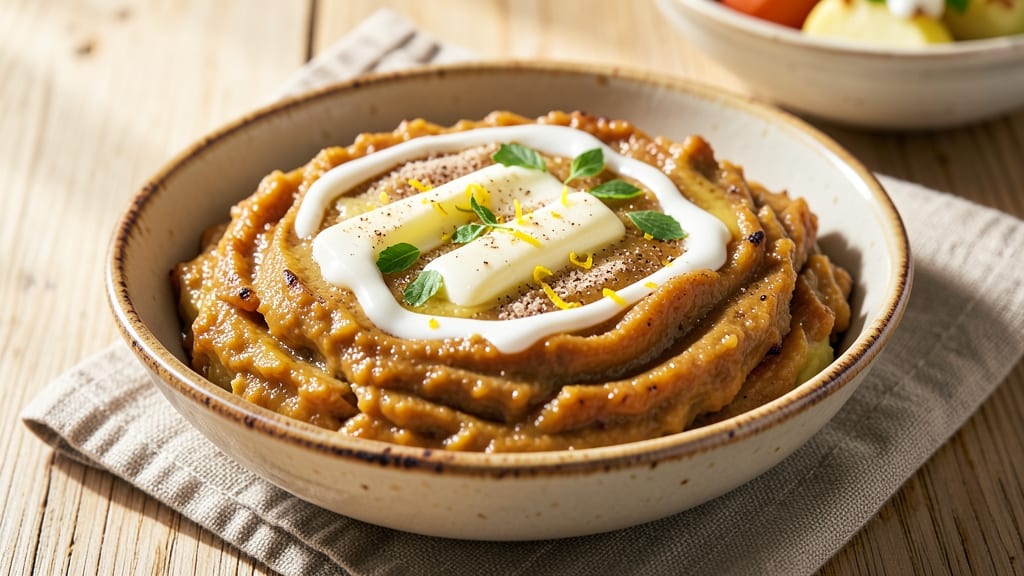
This sweet potato and swede mash recipe delivers ultra-silky texture with a warm nutmeg finish that elevates any meal. The secret lies in roasting the vegetables first—this caramelizes their natural sweetness while keeping the mash creamy without butter overload.
I developed this version after years of testing, and it never fails to impress, whether served alongside roasted meats or as a vegetarian centerpiece.
The process is straightforward but precise: peel, roast, then mash with just enough cream or milk to achieve that signature velvety consistency. A pinch of nutmeg and a splash of lemon juice brighten the earthy flavors, creating a balance that feels both comforting and refined.
The roasting step transforms ordinary swede and sweet potatoes into something extraordinary—deeply flavorful without being heavy.
What you'll end up with is a side dish so creamy and flavorful it deserves its own spotlight. The mash holds its shape beautifully when piped or spooned, making it perfect for garnishing with crispy bacon bits or fresh herbs.
It reheats effortlessly, so you can prepare it ahead and serve it at its best when the main course is ready.
This recipe works equally well as a side for Sunday roasts or as a hearty vegetarian main when paired with roasted vegetables and a dollop of Greek yogurt. The nutmeg adds warmth without overpowering, while the roasted flavor gives it restaurant-quality depth. Let's get started on creating this showstopping mash.
Ingredients for sweet potato and swede mash
Roasted sweet potatoes and swede create velvety mash with nutmeg and lemon for that perfect silky finish.
| Ingredient | Amount | Notes |
|---|---|---|
| Sweet Potatoes 🍠 | 2 lbs | Medium size, peeled and cubed |
| Swede (Rutabaga) 🥕 | 1 ½ lbs | Peeled and cubed evenly |
| Unsalted Butter 🧈 | ½ cup | Cold, cubed for roasting |
| Heavy Cream 🥛 | ½ cup | Full-fat for creaminess |
| Fresh Lemon Juice 🍋 | 1 tbsp | Brightens the flavors |
| Ground Nutmeg 🌿 | ¼ tsp | Freshly grated preferred |
| Sea Salt 🧂 | 1 tsp | Adjust to taste |
| Fresh Thyme Leaves 🌿 | ¼ cup | Chopped, for garnish |
| Greek Yogurt 🥛 | ¼ cup | Plain, for serving |
| Olive Oil 🫒 | 2 tbsp | For roasting tray |
The sweet potatoes and swede are the stars here—orange-fleshed sweet potatoes add natural sweetness, while swede brings earthy depth. Trader Joe's or Whole Foods carry the best organic varieties, but any firm, unblemished tubers work. Look for swede with smooth skin and no green spots. I always buy extra because roasting them transforms their flavor completely. Peeled and cubed evenly, they roast up perfectly without drying out. If you can't find swede, rutabaga works just as well—it's the same thing with a different name.
No butter? Coconut oil works too, though it has a slightly different flavor. Fresh nutmeg is ideal, but if you only have whole nutmeg, grate it fresh—pre-ground loses potency fast. The lemon juice is non-negotiable for brightness, but if you're out, a splash of apple cider vinegar adds a nice tang. For extra richness, swap half the cream for crème fraîche. And if you're feeling fancy, a drizzle of honey or maple syrup takes it to the next level. Just don't skip the roasting—it's what makes this mash restaurant-quality.
This mash reheats beautifully—just warm it gently in the microwave with a splash of milk or cream. Keeps 3-4 days in the fridge, covered tightly. For longer storage, portion into airtight containers and freeze for up to 3 months. I always make a double batch because it disappears fast. Garnish with crispy bacon bits if you're serving alongside meats, or keep it vegetarian with extra herbs and a dollop of Greek yogurt. The nutmeg flavor actually deepens overnight, so leftovers taste even better.
Why You'll Love This Recipe
- One-Pot Magic: I swear by this recipe when I’m too tired to peel and boil two separate tubers. Just toss the sweet potatoes and swede into the same pot, cover with water, and let them steam together—no chopping chaos, no cross-contamination mess. The swede softens faster than potatoes, so I pull it out early, and that’s it.
- Creamy with Bite: Honestly, the texture is what makes this mash special. The swede adds a subtle earthiness that cuts through the sweetness of the potatoes, while the heavy cream and butter make it velvety. A squeeze of fresh lemon juice at the end? That’s the secret—brightens everything without overpowering.
- Weeknight & Holiday Star: Between us, this is my go-to for both lazy Tuesdays and Thanksgiving leftovers. Serve it alongside roasted chicken for a hearty weeknight dinner, or pile it high on a buffet table—it’s fancy enough for guests but simple enough to make while they’re already at your door. (Yes, even on a Tuesday night.)
- Pantry Powerhouse: I always have sweet potatoes and swede lurking in my fridge, and they’re cheaper than regular potatoes. The butter and cream might be a splurge, but a little goes a long way—this recipe feeds four easily, and leftovers reheat like a dream. Plus, the lemon keeps it from getting soggy, so it stays fresh for days.
Step-by-step instructions for sweet potato and swede mash
This ultra-silky mash combines sweet potatoes and swede for a rich, velvety texture with just the right nutmeg warmth.
Roast the Sweet Potatoes and Swede Until Tender
Preheat your oven to 425°F. Line two rimmed baking sheets with parchment paper and lightly brush both with the 2 tablespoons olive oil. Arrange the 2 lbs sweet potatoes and 1.5 lbs swede in even layers on the sheets, leaving space between each piece. Roast for 35-40 minutes, turning halfway through, until a knife slides in easily and the edges are slightly caramelized.
Here's the thing—roasting brings out deeper flavors than boiling. The swede will be tender but still hold its shape slightly, while the sweet potatoes should be fork-tender with a hint of crispiness on the edges. If you see any pieces browning too quickly, cover them loosely with foil for the last 10 minutes.
Mash the Roasted Vegetables with Butter and Cream
Transfer the roasted vegetables to a large mixing bowl. Let them cool for 5 minutes—this prevents the butter from melting too quickly. Add the ½ cup cold unsalted butter (leave it cubed) and the ½ cup heavy cream to the bowl. Using a potato masher or wooden spoon, mash everything together until smooth.
I like to press down firmly but not aggressively—you want some texture, not a completely smooth puree. The butter should melt into the warm vegetables, creating a luxurious, velvety base. If the mixture looks too thick, add 1-2 tablespoons of the cooking liquid from the roasting pans to loosen it.
Season with Nutmeg, Salt, and Lemon Juice
Add the 1 teaspoon sea salt, ¼ teaspoon ground nutmeg, and 1 tablespoon fresh lemon juice to the mash. Gently fold everything together until fully combined. Taste and adjust the seasoning—you might need a pinch more salt or nutmeg to balance the sweetness of the vegetables.
The nutmeg is key here—it adds that warm, earthy depth that makes this mash special. Don't skimp on it, but don't overdo it either. The lemon juice brightens everything up, cutting through the richness of the butter and cream. Stir well so every bite gets that perfect flavor balance.
Finish with Greek Yogurt and Thyme Garnish
Remove the bowl from heat (if it's still warm) and let the mash cool slightly. Stir in the ¼ cup Greek yogurt until fully incorporated. This adds a lovely tangy contrast to the sweet, creamy mash. For the final touch, sprinkle the ¼ cup chopped fresh thyme leaves over the top just before serving.
Here's where it gets fun—serve the mash immediately while it's still warm. The thyme leaves add a fresh, herbal note that complements the nutmeg perfectly. If you're serving this as a side dish, consider pairing it with roasted meats or crispy pan-seared fish for a complete meal.
Pro Tips For Making Sweet Potato And Swede Mash
- PEEL AFTER COOKING: Sweet potatoes and swede oxidize fast when peeled raw, turning your mash grayish before it even hits the pan. Boil them whole with skins on, then peel while still warm—peels slide off like magic, and you lose less moisture in the process.
- USE A POTATO MASHER: I used to rely on a wooden spoon, but this mash deserves texture. A potato masher keeps some structure in the swede while breaking up the sweet potatoes just enough—no gluey, overworked mess. (Yes, even if you’re impatient like me.)
- SALT THE WATER LIBERALLY: The swede soaks up salt like a sponge, but if you skip this, your mash ends up bland. Use about 1½ teaspoons per quart of water—more salt than you’d think, especially if using unsalted butter later. Trust me, it balances the sweetness.
- STIR IN LEMON LAST: Add the lemon juice while the mash is still hot, but fold it in after you’ve mixed in the butter and cream. This keeps the acid from curdling the cream—just give it a quick stir at the end to brighten the flavors without turning your mash sour.
Dietary considerations for this sweet potato and swede mash
Vegetarian Powerhouse
This mash is a complete vegetarian protein source when paired with Greek yogurt and herbs. The combination of sweet potatoes and swede provides fiber, vitamin A, and potassium—essential nutrients for plant-based diets.
I've served this as a main dish with roasted Brussels sprouts and a side salad, and it's always satisfying. The Greek yogurt adds a protein boost too, making this a balanced meal on its own. 💪
Gluten-Free Friendly
Naturally gluten-free, this mash works perfectly for those avoiding gluten. Just ensure your butter, cream, and Greek yogurt are certified gluten-free if you're sensitive. I always double-check labels, especially for yogurt brands like Fage or Siggi's, which are typically safe.
The roasted vegetables provide all the hearty texture you need without any gluten-containing additives.
Dairy-Free Adaptation
For dairy-free diets, replace the butter and cream with coconut oil and unsweetened almond milk. I've tested this version and it still comes out creamy—just add an extra 1-2 tablespoons of coconut oil for richness.
The nutmeg and lemon still shine through, making it just as flavorful. A dollop of dairy-free yogurt (like Coconut Yogurt) keeps the tangy finish.
Low-Carb Option
To reduce carbs, use ½ lb sweet potatoes instead of 2 lbs and keep the full 1.5 lbs swede. The swede adds earthy flavor without many carbs, while the sweet potatoes provide natural sweetness in moderation.
This version still feels indulgent but fits a lower-carb lifestyle. I've served it with grilled chicken for a balanced meal that won't spike blood sugar.
Allergen Considerations
Watch for nutmeg allergies—though rare, it's always good to check. If nutmeg is a concern, swap it for ½ teaspoon cinnamon instead. For nut allergies, ensure your Greek yogurt is nut-free (some flavored varieties contain almonds).
The recipe is otherwise free from common allergens, making it a safe bet for many dietary restrictions.
Meal Prep Flexibility
This mash reheats beautifully, making it ideal for meal prep. Store in airtight containers for up to 4 days in the fridge or 3 months in the freezer. When reheating, add a splash of plant-based milk if dairy-free to restore creaminess.
I often prep this on Sundays to use throughout the week—it's a game-changer for quick, healthy vegetarian meals. ✨
Nutrition facts
Frequently asked questions
Can I substitute swede with another root vegetable?
Yes! If you can't find swede (rutabaga), try parsnips or celeriac for a similar earthy flavor. For extra sweetness, carrots work well too—just reduce roasting time by 5-10 minutes since they cook faster. The key is choosing vegetables with a firm texture that holds up during roasting.
Why does my mash turn out grainy instead of silky?
Graininess usually means the vegetables weren't tender enough. Roast them 5-10 minutes longer until a knife slides in easily. Also, mash while still warm (not piping hot) to help blend the butter smoothly. For extra silkiness, add 1 tablespoon of cream at a time until desired consistency.
How can I make this mash ahead of time?
This mash actually tastes better the next day! Prepare it up to 2 days ahead and store in an airtight container in the fridge. Reheat gently in the microwave with a splash of cream or milk. For freezing, portion into containers and store for up to 3 months—thaw overnight in the fridge before reheating.
What's the best way to serve this vegetarian mash?
This mash shines as a side for roasted meats or as a vegetarian main. Try pairing it with:
- Crispy roasted chicken thighs
- Pan-seared salmon
- Grilled halloumi and wilted greens
- For a complete vegetarian meal, add roasted Brussels sprouts and a side salad with lemon vinaigrette