
Side Dishes
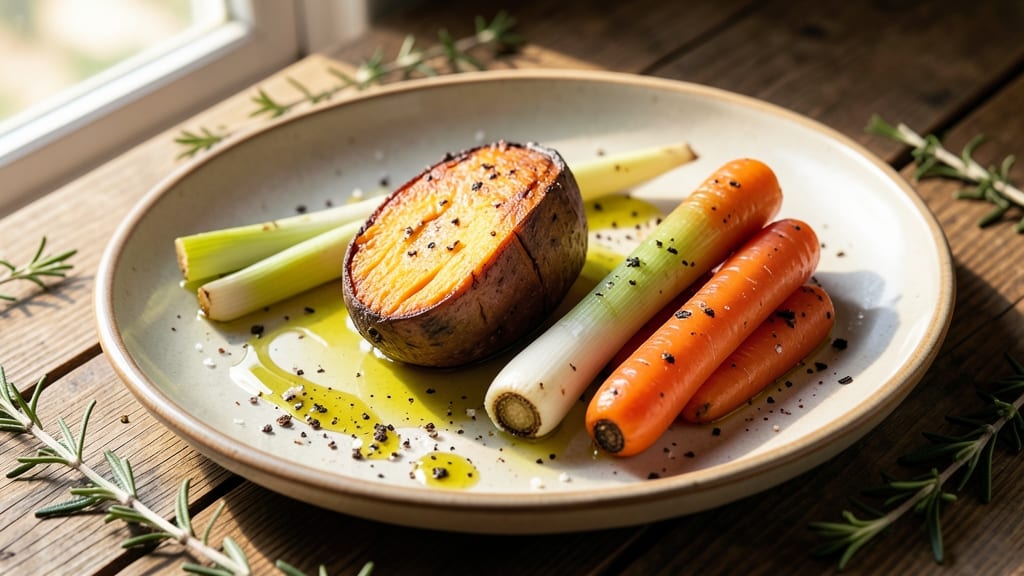
This sweet potato carrot leek recipe transforms humble root vegetables into a side dish that steals the show—naturally sweet, earthy, and packed with texture.
The key lies in roasting them together at high heat until caramelized edges meet tender centers, creating a perfect balance of flavors that pairs beautifully with proteins or stands alone as a vegetarian main.
The magic happens when sweet potatoes develop a deep golden brown crust while leeks soften into silky strands and carrots caramelize into sweet, buttery bites. This method brings out their natural sweetness without added sugar, making it a healthier alternative to store-bought sides.
The dish is foolproof, requiring minimal prep and just 30 minutes of active time.
What you’ll end up with is a vibrant medley that’s rich in color and flavor—ideal for holiday tables, weeknight dinners, or meal prep. The caramelized edges add depth, while the tender vegetables provide a satisfying bite.
Serve alongside grilled chicken, roasted fish, or even as a hearty vegetarian bowl with a drizzle of olive oil and fresh herbs.
This recipe also works beautifully as a base for soups or stews, offering versatility without sacrificing flavor. Pair it with a crisp white wine or a refreshing herbal tea to complement the dish’s earthy sweetness. Here’s how to create it—step by step.
Ingredients for sweet potato carrot leek
Earthy roots and aromatic herbs—just eleven ingredients transform into a vibrant, caramelized trio.
| Ingredient | Amount | Notes |
|---|---|---|
| Sweet Potatoes 🍠 | 2 lbs | Medium-sized, peeled and cubed |
| Carrots 🥕 | 1 ½ lbs | Whole, peeled and cut into sticks |
| Leeks 🧅 | 2 whole | White and light green parts only |
| Extra-Virgin Olive Oil 🫒 | ½ cup | High-quality, fruity variety |
| Kosher Salt 🧂 | 1 ½ tsp | Diamond Crystal preferred |
| Freshly Ground Black Pepper 🌶️ | ½ tsp | Freshly cracked for best flavor |
| Fresh Thyme Leaves 🌿 | 1 tbsp | Or 1 tsp dried thyme |
| Garlic Cloves 🧄 | 4 cloves | Minced for even distribution |
| Maple Syrup 🍯 | 1 tbsp | Pure, grade A for sweetness |
| Balsamic Vinegar 🍷 | 1 tbsp | Aged for depth of flavor |
| Fresh Rosemary 🌿 | 1 sprig | Finely chopped, for aroma |
Sweet potatoes and carrots are the stars here, so prioritize firm, vibrant produce. Whole Foods or local farmers markets offer the best quality—look for sweet potatoes with smooth, unblemished skin and carrots with bright orange color. Leeks should have crisp white parts and minimal yellowing. If you can't find fresh thyme or rosemary, Trader Joe's carries excellent dried alternatives, though fresh is ideal for that aromatic punch. For maple syrup, grade A dark amber adds the most depth without overpowering the natural sweetness of the vegetables.
No maple syrup? Agave nectar or honey works in a pinch (though honey isn't vegetarian). Substitute balsamic with red wine vinegar, but reduce to 1 tsp for similar tang. For extra richness, add a pinch of smoked paprika—it enhances the caramelization without altering the dish's core flavors. If you're prepping ahead, par-cook the vegetables** for 10 minutes before roasting to save time later. Baby carrots or pre-cut sweet potatoes from the grocery store can also streamline prep, though they may lack the same depth of flavor as fresh.
Roasted vegetables keep best in an airtight container in the fridge for 4-5 days, though they're at their peak within the first 2 days. For longer storage, freeze in single portions—3 months max—though texture may soften slightly. To reheat, cover with foil and warm in a 350°F oven for 10-15 minutes. The dish also reheats beautifully in the microwave, though it may lose some crispiness. Portion into meal prep containers with a drizzle of olive oil to maintain freshness for grab-and-go lunches.
Why You'll Love This Recipe
- One-Pan Magic: I swear by this trick—just toss sweet potatoes, carrots, and leeks in one sheet pan with olive oil and salt, then roast. No chopping boards, no extra pots, just hands-off flavor while you sip your coffee or scroll through memes.
- Sweet & Earthy Harmony: The caramelized edges on those sweet potatoes? Absolute perfection. Leeks add a subtle bite, while the carrots melt into buttery sweetness—like autumn in your mouth, but with zero effort.
- Meal Prep MVP: Between us, this keeps perfectly for four days in the fridge. Toss it into wraps, grain bowls, or just reheat straight from the pan. Honestly, I make a double batch every Sunday so I’m not scrambling midweek.
- Budget Bright Spot: Sweet potatoes and carrots stretch forever, and leeks last longer than you’d think. A single bag of each feeds my family for days, and the olive oil? Just a drizzle. Frugal, but feels fancy when it hits the table.
Step-by-step instructions for roasted sweet potato, carrot, and leek medley
Here's the method for developing deep caramelized flavors and textural contrast in every bite.
👨🍳 Step 1: Prep the Vegetables for Even Roasting
Start by peeling the 2 lbs sweet potatoes and cutting them into 1-inch cubes—uniform size ensures even cooking. For the 1.5 lbs carrots, peel them and cut into 3-inch sticks to maximize surface area for caramelization. Trim the 2 whole leeks, keeping only the white and light green parts, and cut them into ½-inch thick half-moons—this shape prevents overcrowding on the sheet pan.
Place all cut vegetables in a large bowl and toss gently with ½ cup extra-virgin olive oil until evenly coated. The oil should glisten on each piece, indicating proper distribution. This step is critical—the oil not only prevents sticking but also carries the flavors of the herbs and aromatics we'll add next.
👨🍳 Step 2: Season and Marinate the Vegetables
In a small bowl, combine 1.5 tsp kosher salt, ½ tsp freshly ground black pepper, 1 tbsp fresh thyme leaves, 4 minced garlic cloves, 1 tbsp maple syrup, 1 tbsp balsamic vinegar, and the finely chopped 1 sprig fresh rosemary. Mix thoroughly to create a cohesive seasoning blend—this ensures every vegetable absorbs the same depth of flavor.
Pour this seasoning mixture over the oiled vegetables and toss again, working it into every crevice. Let the mixture sit for 10 minutes at room temperature—this allows the salt to break down the vegetable fibers slightly, enhancing tenderness and flavor penetration. The maple syrup and balsamic vinegar will begin to mingle with the olive oil, creating a sticky glaze that promotes caramelization during roasting.
🔥 Step 3: Roast Until Caramelized and Tender
Preheat your oven to 400°F and arrange a large rimmed baking sheet with parchment paper. Spread the seasoned vegetables in a single layer, leaving ½-inch gaps between pieces—this prevents steaming and ensures crisp edges. Roast for 25 minutes, then carefully flip each piece using tongs to promote even browning on all sides.
Continue roasting for another 20-25 minutes until the sweet potatoes are fork-tender with deep golden-brown caramelization and the carrots and leeks have developed crisp edges. The maple syrup and balsamic will create a glossy sheen on the vegetables, indicating proper caramelization. You'll notice the aromatics intensifying—this is your cue that the flavors are melding beautifully.
🍽️ Step 4: Finish with a Glaze and Rest
Remove the vegetables from the oven and transfer them to a serving platter. Drizzle any accumulated pan juices over the top—these contain concentrated flavors from the roasting process. For an extra touch, return the platter to the oven for 2-3 minutes if you desire a more pronounced glaze, but be watchful to avoid burning.
The vegetables should be tender enough to pierce easily with a fork but still hold their shape. Let them rest for 5 minutes before serving—this allows the residual heat to distribute throughout each piece, ensuring every bite is perfectly balanced in texture and flavor. The combination of sweet, earthy, and slightly tangy notes will make this roasted trio unforgettable.
Pro Tips For Making Sweet Potato Carrot Leek
- CUT LEEKS THINLY: I learned this the hard way—thick leek rings stay tough no matter how long you cook them. Aim for paper-thin slices (about 1/8-inch) so they soften alongside the sweet potatoes instead of turning to mush or lingering like rubber.
- SALT THE SWEET POTATOES FIRST: Toss the peeled sweet potatoes with salt and olive oil before roasting, then let them sit for 10 minutes. This jumpstarts the caramelization and prevents them from drying out—no more sad, mealy centers when you dig in.
- ROAST IN STAGES: Start with high heat (425°F) for 15 minutes to blister the edges, then drop to 375°F for the rest. The initial shock builds flavor, while the lower temp ensures the carrots and leeks cook through without burning—especially important if you’re using extra-thick sweet potato chunks.
- USE A LITTLE WATER: After tossing everything with oil and salt, add just 1 tablespoon of water to the pan before roasting. It creates steam that keeps the leeks from drying out while still letting them crisp at the edges—no soggy greens, no bitter overcooking.
Serving suggestions for sweet potato carrot leek
Protein Pairings
This vibrant roasted trio complements grilled chicken beautifully—the sweetness of the carrots and sweet potatoes balances the savory notes of the meat. I love serving it alongside herb-marinated chicken thighs roasted at 375°F for 35 minutes, basted with lemon-garlic butter.
The dish also works wonderfully with pan-seared salmon (cook at medium-high heat for 4-5 minutes per side) or beef tenderloin sliced into ½-inch medallions and seared in a cast-iron skillet. 🥩
Vegetarian Mains
For a vegetarian spread, serve this medley as the base for a stuffed sweet potato bowl. Top with crumbled feta cheese, toasted walnuts, and a drizzle of tahini-lemon dressing (mix 2 tbsp tahini, 1 tbsp lemon juice, and 1 tsp honey).
Alternatively, pair it with white beans (simmer 1 can cannellini beans with garlic and thyme for 10 minutes) and a sprinkle of Parmesan cheese for a hearty, protein-rich meal. 🌱
Wine and Drink Pairings
A crisp Sauvignon Blanc from New Zealand cuts through the dish’s richness with its citrusy brightness. I recommend Kim Crawford Sauvignon Blanc—its zesty notes complement the caramelized sweetness.
For a non-alcoholic option, try sparkling hibiscus tea (steep 1 tbsp dried hibiscus in 2 cups hot water for 5 minutes) with a splash of lemon juice for a refreshing contrast. 🍷
Garnish and Finishing Touches
Elevate the dish with a sprinkle of toasted pumpkin seeds (toast ¼ cup seeds in a dry skillet for 3 minutes) or fresh cilantro leaves for a bright finish.
A drizzle of aged balsamic glaze (reduce ¼ cup balsamic vinegar to a syrup over medium heat) adds a glossy, tangy contrast. For extra flair, garnish with edible flowers like nasturtiums for a pop of color. ✨
Meal Prep Adaptations
Divide the roasted vegetables into glass meal prep containers and store in the fridge for up to 4 days. Reheat in a 350°F oven for 10 minutes or microwave for 1-2 minutes until warmed through.
To keep textures crisp, add a splash of water or broth before reheating. This makes it perfect for lunchbox-friendly salads**—toss with quinoa and avocado slices for a balanced meal. 📦
Nutrition facts
Frequently asked questions
Can I substitute butternut squash for sweet potatoes?
Butternut squash works beautifully and adds a slightly nutty flavor. Use 2 lbs peeled and cubed butternut squash instead, and reduce roasting time by 5-10 minutes since it cooks faster than sweet potatoes. The texture will be slightly softer, so check for doneness earlier.
Why do my carrots and leeks turn out mushy instead of caramelized?
Overcrowding on the pan is the most common culprit. Always leave ½-inch gaps between pieces to allow air circulation. Also, check your oven temperature—if it runs below 400°F, increase to 425°F for better browning. Roast in batches if needed.
How can I make this recipe ahead of time for a dinner party?
Prep all ingredients the night before and store in the fridge. Roast the vegetables 1 hour before serving—they'll stay warm in a 200°F oven while you finish other dishes. Alternatively, roast completely, let cool, then reheat in a 350°F oven for 10 minutes before serving.
Is this dish suitable for a vegan diet?
Mostly, but with a few swaps. Replace honey with agave nectar in the glaze and use vegan olive oil (some brands contain animal products). For extra richness, add nutritional yeast instead of Parmesan. The base recipe remains fully plant-based.
Can I use this roasted medley in soups or stews?
Yes! It makes an excellent addition to hearty soups. Simply chop the roasted vegetables into ½-inch pieces and add them to your favorite soup or stew during the last 10 minutes of cooking. They'll soften slightly but retain their caramelized flavors—perfect for adding depth to minestrone or lentil soup.