
Desserts
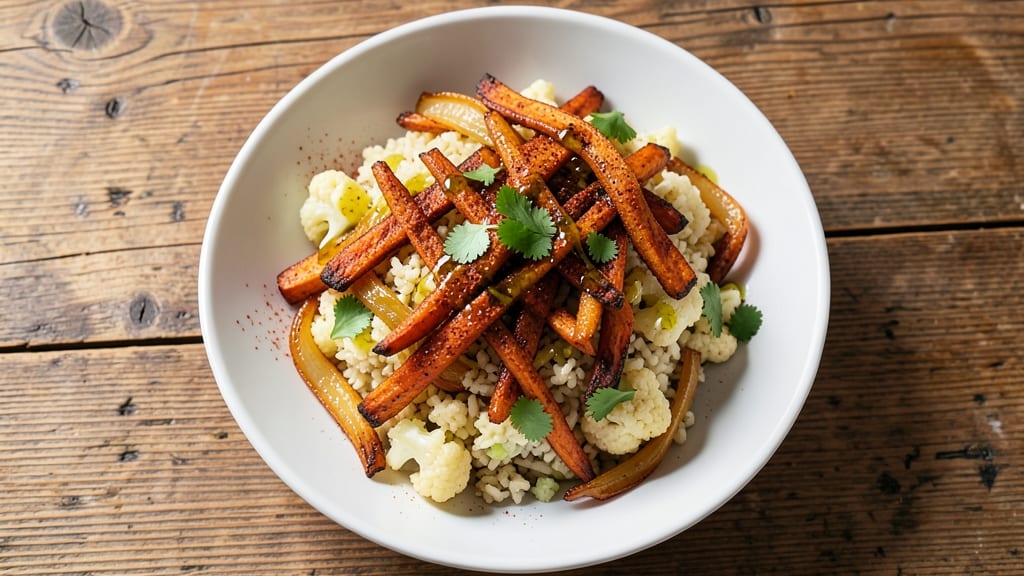
This sweet potato cauliflower rice recipe transforms humble ingredients into a dish that’s naturally vegan, packed with caramelized sweetness, and surprisingly satisfying.
The secret lies in roasting the sweet potatoes until tender and golden, then combining them with cauliflower rice for a texture that’s both hearty and light—perfect for those seeking a low-carb, nutrient-dense side or even a main dish.
The result is a flavorful, aromatic blend that balances natural sweetness with savory spices, making it versatile enough for bowls, stir-fries, or even as a standalone dish.
With just a few simple steps—grating, roasting, and sautéing—you’ll create a dish that’s as easy as it is impressive, all while keeping it gluten-free and plant-based. Ready to elevate your meals with this unexpected twist on classic rice?
Ingredients for sweet potato cauliflower rice
Transform humble roots and cruciferous veggies into a naturally sweet, savory, low-carb masterpiece.
| Ingredient | Amount | Notes |
|---|---|---|
| Sweet Potatoes 🍠 | 2 lb | Peeled, grated into rice-like texture |
| Fresh Cauliflower 🥬 | 1 lb | Riced using a food processor |
| Yellow Onion 🧅 | 1 whole | Finely diced, about 1 cup |
| Extra-Virgin Olive Oil 🫒 | ½ cup | High-quality for roasting |
| Smoked Paprika 🌶️ | 1 tbsp | For deep smoky flavor |
| Ground Cumin 🌿 | 1 tsp | Toasted for enhanced aroma |
| Garlic Cloves 🧄 | 4 cloves | Minced for aromatic depth |
| Kosher Salt 🧂 | 1 ½ tsp | Diamond Crystal preferred |
| Black Pepper 🌶️ | ½ tsp | Freshly ground preferred |
| Fresh Ginger 🌿 | 1 tbsp | Grated for zesty brightness |
| Lemon Juice 🍋 | 2 tbsp | Freshly squeezed |
| Fresh Parsley 🌿 | ¼ cup | Chopped for garnish |
| Vegetable Broth 💧 | ½ cup | Low-sodium preferred |
Sweet potatoes are the star here—choose firm, vibrant orange ones with no soft spots. Whole Foods or local farmers markets often carry the sweetest varieties. Grate them yourself for the best texture; pre-shredded tends to oxidize faster. Cauliflower should be fresh and white, not yellowing, for optimal flavor. Trader Joe's consistently has the best prices for organic cauliflower, but any fresh head works. The key is ricing it thoroughly—pulse in a food processor until rice-like, not too fine or coarse. For extra caramelization, roast the sweet potatoes at 425°F for 20 minutes before combining with cauliflower.
No smoked paprika? Substitute with 1/2 tsp liquid smoke plus 1/2 tsp regular paprika—it's a game-changer for depth. Fresh ginger too expensive? Ground ginger at 1/4 the amount works, though fresh has more zing. The vegetable broth can be swapped for water, but Better Than Bouillon adds that umami punch. For extra richness, stir in 1 tbsp of nutritional yeast at the end—it mimics the cheesy note without dairy. If your cauliflower rice is too dry, splash in an extra tablespoon of broth; if too wet, pat it dry with a clean towel before roasting.
Store prepped sweet potato cauliflower rice in an airtight container with parchment paper between layers to prevent sticking. Keeps fresh for 4 days in the fridge, though flavor peaks within 2 days. For longer storage, freeze in single portions for up to 3 months. Reheat gently in a skillet with a splash of water or broth to restore moisture. This dish reheats beautifully—double the batch and use it all week in bowls, stir-fries, or as a rice substitute. The flavors actually deepen overnight, making leftovers even more satisfying.
Why You'll Love This Recipe
- One-Pan Magic: I swear by this recipe when I’m too tired to wash dishes. Toss the diced sweet potatoes and cauliflower onto the same sheet pan, drizzle with olive oil, and let the oven do the work—no chopping boards, no mess.
- Smoky Sweet Crunch: Between the caramelized sweet potatoes and the crispy cauliflower florets, this dish has texture and depth. A pinch of smoked paprika turns it from "good" to "I need this every week."
- Meal Prep MVP: I make a big batch on Sundays and keep it in the fridge for stir-fries, tacos, or even breakfast hash. The flavors only get better as it sits—honestly, my lunchbox thanks me.
- Budget Boost: Sweet potatoes and cauliflower stretch further than rice, and the onion adds layers of flavor without breaking the bank. It’s my go-to when I need a filling, nutritious side that won’t drain my wallet.
Step-by-step instructions for sweet potato cauliflower rice
Transform humble vegetables into a restaurant-worthy dish with this precise technique.
Prepare the Sweet Potato and Cauliflower Rice
Start by peeling the 2 lb sweet potatoes and grating them into a rice-like texture using a box grater or food processor. Spread the grated sweet potatoes on a clean kitchen towel and gently squeeze out any excess moisture—this prevents a gummy texture later. In a separate bowl, rice the 1 lb fresh cauliflower using a food processor fitted with the shredding disk until you achieve a texture similar to rice grains.
Transfer both the sweet potato and cauliflower rice to separate bowls. At this stage, they should look like two distinct piles of coarse grains. The sweet potatoes will have a vibrant orange hue, while the cauliflower will be pale white. Keep them separate for now—they'll cook at slightly different rates but come together beautifully in the final dish.
Roast the Vegetable Base
Preheat your oven to 425°F and line a large baking sheet with parchment paper. In a small bowl, combine the 0.5 cup extra-virgin olive oil, 1 tbsp smoked paprika, 1 tsp ground cumin, 1.5 tsp kosher salt, and 0.5 tsp black pepper. Whisk until the spices are fully dissolved into the oil, creating a fragrant marinade.
Add the finely diced yellow onion and minced garlic cloves to the spiced oil and toss to coat evenly. Spread this mixture in an even layer on the prepared baking sheet. Roast for 15-18 minutes until the onions are deep golden brown and the garlic is fragrant. Remove from the oven and let cool slightly—this aromatic base will form the flavor foundation of your dish.
Caramelize the Sweet Potato Rice
Return the baking sheet to the oven and add the prepared sweet potato rice in a single layer. Drizzle any remaining spiced oil from the bowl over the sweet potatoes, ensuring even distribution. Roast for 20-25 minutes, stirring every 5 minutes, until the sweet potatoes develop a deep caramelized color and are tender when pierced with a fork. The edges should be slightly crispy while maintaining a moist interior.
Here's the thing—don't overcrowd the pan. If you have too much in one layer, the sweet potatoes will steam instead of caramelize. Work in batches if needed, but aim for that perfect golden-brown crust that signals perfect doneness. Remove from the oven and set aside while you prepare the cauliflower.
Cook the Cauliflower Rice
In a large skillet over medium-high heat, add the 1 tbsp grated fresh ginger and sauté for 30 seconds until fragrant. Add the cauliflower rice and stir to coat in the ginger. Cook for 5-6 minutes until the cauliflower begins to soften and develop a slight golden color around the edges. Pour in the 0.5 cup vegetable broth and 2 tbsp lemon juice, scraping up any browned bits from the bottom of the pan.
Bring to a gentle simmer and cook for an additional 3-4 minutes until the liquid is mostly absorbed and the cauliflower is tender but still holds its shape. The lemon juice adds a bright contrast to the earthy sweet potatoes, balancing the dish perfectly. Remove from heat and stir in the 0.25 cup chopped fresh parsley for a pop of freshness.
Combine and Serve
Transfer the caramelized sweet potato rice to the skillet with the cauliflower mixture. Gently fold everything together, allowing the flavors to meld. Taste and adjust seasoning if needed—you might want to add a pinch more salt or a squeeze of lemon to enhance the brightness. The final dish should have a beautiful contrast of colors: deep caramelized sweet potatoes alongside pale, tender cauliflower rice.
Serve immediately while still warm, garnished with additional parsley if desired. This dish pairs beautifully with grilled proteins or a simple yogurt sauce. The caramelized sweet potatoes bring natural sweetness that balances the savory spices, while the cauliflower rice adds a satisfying texture without overpowering the other flavors.
Pro Tips For Making Sweet Potato Cauliflower Rice
- CHAR THE ONION FIRST: I learned this the hard way—sautéing onions with sweet potatoes and cauliflower rice at the same time just makes everything steam instead of caramelize. Get that onion in a hot pan with olive oil first, cut into even ¼-inch slices, and let it cook until the edges are golden and the raw smell disappears. That’s the flavor foundation, not an afterthought.
- CUT SWEET POTATO SMALL: Tiny dice, not chunks. I used to eyeball it and end up with uneven cooking—some parts mushy, others still tough. Aim for ¼-inch cubes max, and if you’re lazy like me, use a mandoline (with the guard). The smaller the pieces, the faster they soften and the more they’ll mimic real rice texture.
- STOP WHEN CAULIFLOWER CRISPS: That’s right, don’t overcook it. Fresh cauliflower rice should have a slight bite and crisp edges when done—usually 3-4 minutes in a screaming-hot pan. Push it around with a spatula instead of stirring constantly, and resist the urge to mash it into oblivion. Overcooking turns it into sad, gluey mush.
- SAVE TIME WITH PRE-ROASTED CAULIFLOWER: Skip the stovetop step entirely. Toss raw cauliflower rice with a drizzle of olive oil, smoked paprika, and a pinch of salt, then roast at 425°F (220°C) for 15-20 minutes until edges brown. It’s hands-off, adds smoky depth, and gives you that perfect texture without babysitting the pan. (Yes, even if you’re impatient like me.)
Common mistakes when making this dish
Overcrowding the Pan
This is the #1 mistake I see—packing too much sweet potato rice onto the baking sheet. When you overcrowd, the pieces steam instead of caramelizing, resulting in soggy, unevenly cooked sweet potatoes. The goal is a single layer where each piece can develop that beautiful golden crust.
If you have more than 1 lb of grated sweet potatoes, work in batches on separate sheets. I’ve even used two pans when doubling the recipe—trust me, it’s worth the extra effort. 🔥
Skipping the Moisture Removal
Freshly grated sweet potatoes release a ton of moisture, which can turn your dish into a mushy mess. Always spread the grated sweet potatoes on a clean kitchen towel and gently squeeze out excess liquid before roasting.
I’ve learned this the hard way—once, I skipped this step and ended up with a gummy, unappetizing pile. Take those 5 extra minutes now to save 20 minutes of frustration later.
Uneven Roasting Times
Sweet potatoes and cauliflower rice cook at different rates, so don’t assume they’ll finish together. Roast the sweet potatoes first until they’re tender and caramelized, then cook the cauliflower separately on the stovetop. Trying to combine them too early will leave the cauliflower undercooked and the sweet potatoes overdone.
I like to check the sweet potatoes every 5 minutes after 20 minutes—they’re done when a fork slides in easily and the edges are crispy.
Underseasoning the Cauliflower
The cauliflower rice often gets overlooked in the seasoning department, but it’s just as important as the sweet potatoes. After cooking, taste the cauliflower before combining it with the sweet potatoes. You might need an extra pinch of salt or a splash of lemon juice to brighten it up.
I’ve found that adding the parsley at the very end gives a fresh pop that ties everything together—don’t skip this step!
Ignoring the Resting Time
After roasting, let the sweet potatoes rest for 5 minutes before combining with the cauliflower. This allows the flavors to settle and prevents the cauliflower from steaming instead of absorbing the caramelized sweet potato juices.
I’ve seen people rush this step and end up with a watery, unbalanced dish. Patience here makes all the difference—trust the process! ✨
Using Pre-Shredded Sweet Potatoes
Pre-shredded sweet potatoes from the bag are convenient, but they’re often coated in preservatives and oxidize quickly, leading to a bitter, off-flavor. Always grate your own sweet potatoes using a box grater or food processor for the best texture and flavor.
If you’re short on time, opt for the freshest organic pre-shredded option from Whole Foods, but fresh is always better. The effort is minimal, and the payoff is huge!
Nutrition facts
Frequently asked questions
Can I make this sweet potato cauliflower rice in an air fryer?
Yes! For the sweet potatoes, spread them in a single layer on the air fryer tray and cook at 375°F for 12-15 minutes, shaking every 5 minutes until caramelized. The cauliflower rice can go in the air fryer too—toss with oil and spices, then air fry at 350°F for 6-8 minutes. Just watch closely to avoid burning. The air fryer gives a crispier texture than roasting, but the flavor will be slightly different.
How can I make this dish more protein-rich?
Add 1 cup cooked lentils or 1/2 cup black beans to the skillet when combining both rice types. For a meat option, stir in 1/2 lb crumbled tempeh or 1 cup shredded rotisserie chicken at the end. If you want plant-based protein, try 1/2 cup edamame or 1/4 cup hemp seeds—they add texture and nutrients without overpowering the dish.
What's the best way to store leftovers?
Store in an airtight container with parchment paper between layers to prevent sticking. It keeps fresh for 4 days in the fridge, though texture may soften slightly. For longer storage, freeze portions for up to 3 months. To reheat, warm in a skillet with 1 tbsp broth or water over medium heat for 3-4 minutes, stirring frequently. Avoid microwaving—it makes the cauliflower rubbery.
Can I use frozen cauliflower rice instead of fresh?
Yes, but thaw it completely first by microwaving for 2 minutes or soaking in cold water for 10 minutes. Drain well before cooking to prevent a watery texture. Frozen cauliflower rice works best when sautéed on the stovetop rather than roasted—it won't caramelize as nicely. You may need 1-2 extra minutes of cooking time to reach full tenderness.
Is this dish gluten-free and vegan?
This recipe is naturally gluten-free and vegan as written. Just ensure your vegetable broth is gluten-free (many store brands contain wheat) and check spice labels for hidden additives. For extra richness, stir in 1 tbsp nutritional yeast—it adds a cheesy flavor without dairy. The dish is also nut-free, soy-free, and paleo-friendly if you omit the parsley.