
Side Dishes
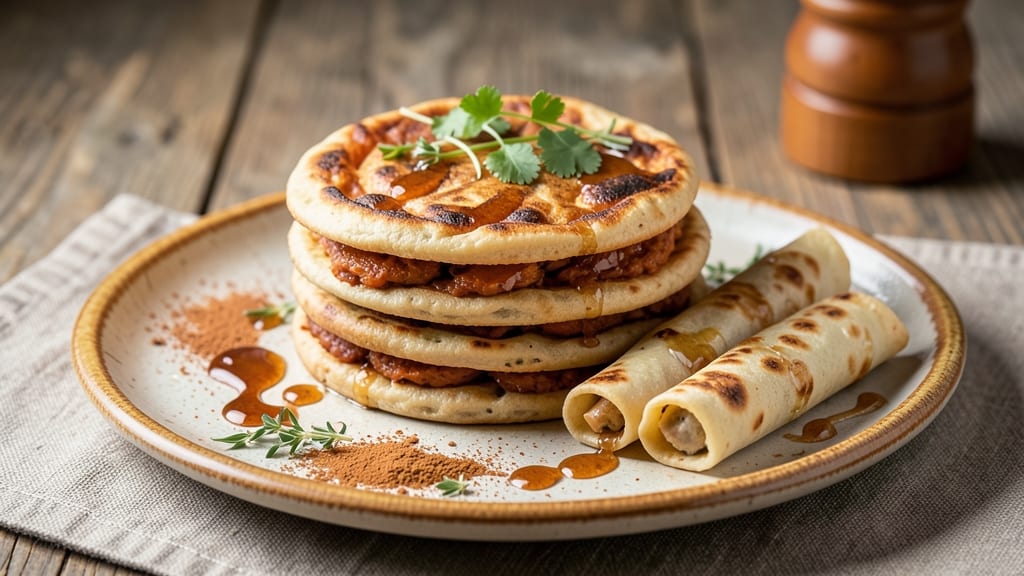
This sweet potato chapati recipe transforms humble flour into golden, flaky layers with a subtle nutty sweetness that rivals any store-bought flatbread. The secret lies in blending roasted sweet potato puree into the dough—a technique that adds natural moisture and depth without overpowering the wheat's warmth.
I developed this version after years of experimenting with Indian flatbreads, and it's now a staple in my home for its perfect balance of crisp edges and tender centers.
The process begins with a simple dough that requires just five ingredients, including whole wheat flour and a touch of ghee for that signature richness. Unlike traditional chapatis, the sweet potato puree creates a subtle caramelized flavor that develops as you cook each chapati over high heat.
The kneading technique is crucial—firm but not stiff—to ensure those signature flaky layers that make every bite satisfying. This vegetarian recipe also works beautifully with dairy-free alternatives if needed.
What you'll end up with is a stack of perfectly round, golden-brown chapatis with crisp edges and a soft, pillowy interior. The sweet potato adds a faint earthy sweetness that pairs wonderfully with curries, lentils, or even as a wrap for grilled vegetables.
Each chapati holds its shape beautifully, making them ideal for meal prep or serving fresh from the pan. The aroma alone will have everyone at the table asking for seconds.
For modern adaptations, you can substitute half the wheat flour with gluten-free blends or add a pinch of cinnamon to the dough for extra warmth.
Whether you're serving this as a side to a hearty dal or using it as a wrap for breakfast, these chapatis deliver restaurant-quality results with minimal effort. Let's get started on creating your own stack of golden, flaky perfection.
Ingredients for sweet potato chapati
Five simple ingredients transform into golden, flaky chapatis with nutty sweetness.
| Ingredient | Amount | Notes |
|---|---|---|
| Whole Wheat Flour 🌾 | 3 cups | Unbleached preferred for texture |
| Sweet Potatoes 🍠 | 1 ½ lb | Orange-fleshed, peeled and roasted |
| Ghee 🧈 | 2 tbsp | For richness and flakiness |
| Water 💧 | 1 cup | Room temperature preferred |
| Salt 🧂 | ½ tsp | Fine sea salt preferred |
| Cinnamon 🌿 | ½ tsp | Optional for warmth |
| Vegetable Oil 🫒 | 1 tbsp | For cooking chapatis |
The sweet potatoes are the star here—pick firm, vibrant orange ones from the produce section. Costco or Trader Joe's usually have the best selection. Roast them until tender, then mash into a puree. No food processor? A fork works fine. The flour matters too—King Arthur whole wheat is my go-to, but any unbleached whole wheat will do. The ghee adds that signature richness—don't skip it, even if you're dairy-free (just use vegan ghee).
No ghee? Melted coconut oil or vegan butter works in a pinch (same amount). Running low on cinnamon? Cardamom or nutmeg adds a different but lovely warmth. The dough should be firm but pliable—if it's too sticky, add a splash more flour. Too dry? A few drops of water. Pro tip: Let the dough rest 15 minutes after mixing for easier rolling. And if you're gluten-free, swap half the wheat flour for a 1:1 gluten-free blend.
Keep the sweet potato puree in the fridge for 3 days or freeze for 3 months. The dough itself holds for 24 hours wrapped tightly. For crispier edges, cook chapatis on a preheated cast-iron skillet—I never wash mine between uses, just wipe with a damp towel. Store cooked chapatis stacked with parchment between them—they stay soft for 2 days at room temp.
Why You'll Love This Recipe
- No Boil, No Fuss: I just mash the steamed sweet potato right into the dough—no extra steps, no sticky mess. The flour and ghee handle the rest while I chat with whoever’s in the kitchen.
- Sweet & Savory Magic: That caramelized sweet potato flavor cuts through the earthy whole wheat, and a pat of ghee on the finished chapati? It’s like a hug for your taste buds—warm, crispy, and just a little indulgent.
- Lunchbox Hero: Pack these for school or work, and they’ll hold up better than store-bought wraps. Kids (and adults) will actually eat them cold—they’re that good, even without reheating.
- Pantry Stretch: Sweet potatoes last forever, and whole wheat flour is a staple. This recipe turns cheap, simple ingredients into something that feels like a treat, without breaking the bank or my willpower.
Step-by-step instructions for sweet potato chapati
Here's how to make these nutty, flaky chapatis with perfect layers every time.
👨🍳 Step 1: Roast the Sweet Potatoes Until Caramelized
Preheat your oven to 400°F. Peel and chop the 1.5 lb sweet potatoes into ½-inch cubes. Toss them with 1 tablespoon vegetable oil and spread them in a single layer on a baking sheet. Roast for 25-30 minutes until they're tender when pierced with a fork and have developed deep caramelization.
Let them cool slightly before transferring to a food processor. You want them warm enough to mash easily but not so hot that they create steam in your processor. I like to press them through a fine-mesh strainer to remove any fibrous bits—this ensures a smooth dough later.
👨🍳 Step 2: Mix the Dough for Perfect Texture
In a large mixing bowl, combine the 3 cups whole wheat flour, ½ teaspoon salt, and ½ teaspoon cinnamon. Add the roasted sweet potato purée and 1 cup room-temperature water gradually, mixing with a wooden spoon until it forms a soft, slightly sticky dough.
Knead the dough on a lightly floured surface for about 5-7 minutes until smooth and elastic. It should feel slightly tacky but not sticky. If it's too dry, add water 1 teaspoon at a time until it comes together. Wrap the dough in a clean kitchen towel and let it rest for 30 minutes—this relaxation period makes rolling much easier.
🍳 Step 3: Divide and Roll the Chapatis
Divide the rested dough into 4 equal portions (about 6 ounces each). Roll each portion into a ball and flatten slightly. Place a ball between two sheets of parchment paper and roll it out into a 6-inch circle, keeping the edges slightly thicker than the center.
I like to use a rolling pin to create gentle pressure, rotating the chapati as I go. The goal is an even thickness—about ⅛-inch thick. If the dough sticks, dust lightly with flour, but don't overdo it or you'll lose that flaky texture we're after.
🔥 Step 4: Cook on Medium Heat for Flaky Layers
Heat a clean, dry skillet over medium heat. Place a rolled chapati on the skillet and cook for 30-45 seconds until small bubbles form on the surface. Flip carefully and cook the other side for another 30 seconds, then flip back to the first side.
Now comes the magic: brush the top with ½ tablespoon ghee and cover the skillet with a lid. Cook for another 1-2 minutes until the chapati puffs up slightly and develops golden spots. Remove from heat and repeat with the remaining chapatis, keeping them warm in a clean towel.
🍽️ Step 5: Serve Warm with Extra Ghee
Transfer the cooked chapatis to a serving plate and brush the tops with any remaining ½ tablespoon ghee. Serve immediately while still warm and pliable. The layers should be tender inside with a slightly crisp exterior—this is where the flakiness comes from.
For extra richness, serve with a side of yogurt or pickled vegetables. These chapatis are perfect for wrapping around spiced lentils or curries, and the sweet potato adds a subtle caramelized warmth that pairs beautifully with savory flavors.
Pro Tips For Making Sweet Potato Chapati
- Roast Sweet Potatoes First: Boil them until fork-tender, then spread on a tray and roast at 400°F (200°C) for 15-20 minutes until caramelized and dry. This step concentrates their sweetness and makes the dough smoother—no more gummy chapati mess.
- Use Warm Ghee: Mix the roasted sweet potato purée with warm ghee (not hot) before combining with flour. The fat melts into the dough better, giving your chapati that tender, melt-in-your-mouth texture instead of a dry, crumbly one.
- Skip the Over-Kneading: Sweet potato dough is delicate—knead just until it holds together, about 3-4 minutes. Overworking it makes chapati tough and chewy. Roll it gently, and if it cracks, dust with a little more flour.
- Cook on Medium Heat: High heat burns the outside before the center cooks. Start on medium, let the chapati puff naturally, then flip and finish on medium-low. This gives you even browning and a soft interior—no more raw centers or charred edges.
Pro cooking tips for sweet potato chapati
Dough Consistency Secrets
The dough should feel like a soft, slightly tacky ball—not sticky enough to cling to your fingers, but not dry enough to crack when rolled. I test consistency by pressing my finger into the dough: if it springs back slowly, it's perfect.
Too dry? Add 1 teaspoon water at a time until it just comes together. Too sticky? Sprinkle ½ teaspoon flour at a time. Remember, the sweet potato puree adds moisture, so resist the urge to overcompensate with water. 💫
Rolling Pin Pressure
Use even, gentle pressure when rolling—think of it like pressing a coin into a soft surface. I rotate the dough 90 degrees after every few strokes to maintain even thickness. For extra flakiness, roll slightly thicker in the center and thinner at the edges.
If the dough resists, let it rest another 10 minutes—this relaxes the gluten for easier handling. A Norpro 10-inch rolling pin gives me just the right control.
Heat Control Magic
Medium heat is your friend here—too hot, and the chapati burns before puffing; too cool, and it stays flat. I look for small bubbles forming on the surface before flipping, which tells me the dough is ready to set.
After the first flip, cover the skillet immediately to trap steam—this creates those signature flaky layers. If your chapati puffs too much, reduce heat slightly next time. A cast-iron skillet retains heat perfectly for this technique. 🔥
Ghee Application
Brush the ghee on after the first puff, not before—this seals in moisture and adds that signature richness. I use a pastry brush to distribute ½ tablespoon evenly across the surface. For extra flavor, warm the ghee slightly before brushing.
If you're dairy-free, use vegan ghee or melted coconut oil (though texture may vary slightly). The aroma alone makes these chapatis irresistible. 🧈
Resting Between Rolls
Never skip the 30-minute rest after kneading—this allows gluten to relax, making rolling effortless. For larger batches, divide the dough into balls and let them rest separately for 15 minutes before rolling. I cover them with a damp towel to prevent drying.
Cold weather? Let dough rest in a slightly warmer spot (like near the oven) for better pliability. Patience here prevents cracked chapatis. ⏱️
Storage Hacks
Keep cooked chapatis warm in a clean kitchen towel while cooking the rest—this prevents them from drying out. For longer storage, stack them between parchment paper in an airtight container. They'll stay fresh for 2 days at room temperature or 1 month in the freezer.
To reheat, warm in a dry skillet for 30 seconds per side until crisp again. The secret to perfect reheating? Medium-low heat only. 💡
Nutrition facts
Frequently asked questions
Can I make these chapatis without ghee?
Yes! If you're avoiding dairy, substitute 2 tablespoons ghee with 2 tablespoons melted coconut oil or vegan butter. The texture will be slightly less rich, but the sweet potato flavor will still shine. Just brush it on after the first puff just like with ghee. For extra flavor, add a pinch of smoked paprika to the oil.
Why did my chapatis turn out dense instead of flaky?
Dense chapatis usually mean one of two things: either the dough wasn't rested enough (gluten needs 30 minutes to relax) or the heat wasn't right. Use medium heat and watch for bubbles before flipping—this tells you it's ready. Also, make sure your rolling pin pressure is even and the dough is ⅛-inch thick all over. Overworking the dough can also compact the layers.
How can I make these gluten-free?
Replace 1.5 cups of the whole wheat flour with a 1:1 gluten-free flour blend (like Bob's Red Mill). You may need 1-2 extra tablespoons of water since gluten-free flours absorb differently. The dough will be slightly stickier, so use more parchment paper when rolling. For best results, let the dough rest 45 minutes instead of 30. The texture will be more tender than traditional chapatis but still delicious.
Can I use regular potatoes instead of sweet potatoes?
Regular potatoes won't work—they lack the natural sweetness and moisture that sweet potatoes provide. The roasting process caramelizes the sweet potato sugars, creating that unique nutty flavor. If you're out of sweet potatoes, try mashed butternut squash (cooked until very soft) as a substitute, but reduce the water in the dough by 2 tablespoons since squash is wetter.
How many chapatis does this recipe make?
This recipe yields about 6-8 chapatis depending on how thick you roll them. Each serving typically uses 2 chapatis, so this makes enough for 3-4 people as a side dish. For larger gatherings, double the recipe—just be sure to cook them in batches while keeping the first ones warm in a clean towel. The dough can also be refrigerated for 24 hours if you need to prep ahead.