
Side Dishes
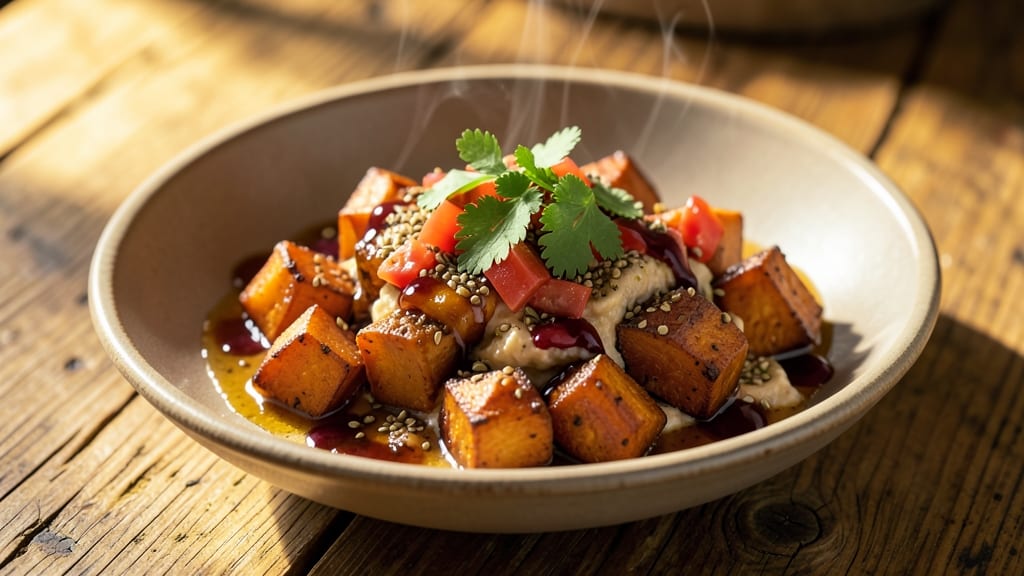
This sweet potato chutney recipe transforms humble ingredients into a vibrant, thick condiment that elevates everything from curries to sandwiches.
The secret lies in roasting sweet potatoes until caramelized, then blending them with tangy vinegar, aromatic spices, and fresh herbs—a process that creates a spreadable texture with layers of sweet, spicy, and umami flavors.
I developed this recipe after craving a chutney that balanced richness without overpowering dishes, and it’s become a staple in my kitchen for adding depth to meals.
The beauty of this chutney is its versatility—it works as a dip for chips, a sauce for grilled meats, or a tangy addition to rice bowls. The roasting step deepens the sweet potato’s natural sweetness, while cumin, coriander, and a touch of chili powder build complexity.
A splash of vinegar brightens the blend, ensuring it cuts through rich flavors rather than competing with them. Unlike store-bought versions, this chutney stays fresh for up to a week in the fridge, making it perfect for meal prep.
What sets this recipe apart is the textural contrast: creamy from the roasted sweet potatoes, yet bright and zesty from the vinegar and herbs. The blend should be thick enough to cling to food but smooth enough to spread effortlessly—a balance that takes just 15 minutes of active prep.
Whether you’re serving it alongside biryani, slathering it on toast, or using it as a marinade base, this chutney delivers restaurant-quality flavor with minimal effort.
For extra depth, toast the spices in a dry pan before blending to intensify their aroma. If you prefer a smoother texture, pulse the ingredients in short bursts, adding a splash of water as needed.
Store in an airtight container, and let it sit for 30 minutes before serving to allow the flavors to meld. This chutney is a game-changer for adding bold, balanced flavor to any dish.
Ingredients for sweet potato chutney
Roasted sweet potatoes meet aromatic spices and tangy vinegar for a bold, versatile chutney.
| Ingredient | Amount | Notes |
|---|---|---|
| Sweet Potatoes 🍠 | 2 lbs | Peeled and cubed evenly |
| Extra-Virgin Olive Oil 🫒 | ½ cup | For roasting sweet potatoes |
| Red Wine Vinegar 🍷 | ¼ cup | For tangy brightness |
| Ground Cumin 🌿 | 2 tsp | Toasted for deeper aroma |
| Ground Coriander 🌿 | 1 ½ tsp | Mild and citrusy |
| Cayenne Pepper 🌶️ | ½ tsp | Adjust for heat preference |
| Fresh Cilantro 🌿 | ½ cup | Stems removed, chopped |
| Fresh Ginger 🌿 | 2 tbsp | Grated for zesty kick |
| Salt 🧂 | 1 tsp | Diamond Crystal preferred |
| Water 💧 | ¼ cup | For blending consistency |
The sweet potatoes are the foundation—pick firm, dry ones with vibrant orange flesh. Whole Foods or Trader Joe's carry the best varieties, like Beauregard or Jewel. Roasting them until caramelized (about 450°F for 25-30 minutes) unlocks their natural sweetness, which balances the spices perfectly. If you can't find fresh ginger, substitute 1 tbsp paste, but fresh is ideal for that bright, zesty punch. Toasting the cumin and coriander in a dry pan for 30 seconds intensifies their aroma—don't skip this step if you want restaurant-quality depth.
No red wine vinegar? Apple cider vinegar works just as well, though it’ll have a slightly sweeter note. Fresh cilantro wilt fast, so buy it the day you plan to cook and store it wrapped in a damp paper towel in the fridge. Dried cilantro isn’t a substitute here—it lacks the fresh, bright flavor. For heat control, start with half the cayenne and adjust to taste. The water is optional but helps achieve the perfect spreadable texture; add it in short pulses while blending. If you prefer a smoother chutney, strain out the cilantro and ginger fibers after blending.
This chutney keeps beautifully in an airtight container in the fridge for 5-7 days. The flavors actually improve as they meld, so let it sit for at least 30 minutes before serving. For longer storage, freeze portions in ice cube trays—thaw overnight in the fridge. Portion into small jars for easy grab-and-go use. It reheats well, making it perfect for meal prep. The texture thickens when chilled, so add a splash of water if it seems too stiff after refrigeration.
Why You'll Love This Recipe
- One-Pot Magic: I swear by this recipe when I need something fast—just roast the sweet potatoes until tender, then toss them in a bowl with the vinegar, oil, and spices. No blender, no fuss, just pure, hands-off simplicity.
- Earthy-Sweet Balance: That red wine vinegar cuts through the natural sweetness of the potatoes while the cumin and coriander add warmth. Honestly, the first time I tasted it, I thought, "Why haven’t I been doing this all along?"
- Picnic to Party: This chutney is my go-to for everything—spread it on toast for a quick breakfast, mix it into hummus for a dip, or serve it as a side with grilled meats. (Yes, even on a Tuesday night.)
- Budget-Friendly Staple: Sweet potatoes are cheap, and this recipe stretches easily. I make a big batch, store it in the fridge, and use it all week—no waste, no stress, just flavor that keeps giving.
Step-by-step instructions for sweet potato chutney
Transform simple ingredients into a vibrant, spice-forward chutney perfect for curries, dips, or sandwich spreads.
Roast the Sweet Potatoes Until Tender
Preheat your oven to 400°F and line a baking sheet with parchment paper. Arrange the 2 lbs peeled and cubed sweet potatoes in a single layer, leaving space between each piece for even cooking. Drizzle evenly with the 0.5 cup extra-virgin olive oil and toss gently to coat.
Roast for 25-30 minutes until the edges are golden brown and the potatoes yield slightly when pierced with a fork. This roasting step develops deep caramelized flavors that form the chutney's base. If the potatoes stick to the pan, they're not ready—wait until they release easily. For extra depth, flip them halfway through cooking.
Toast the Spices for Maximum Flavor
While the sweet potatoes roast, heat a dry skillet over medium-low heat. Add the 2 tsp ground cumin and 1.5 tsp ground coriander and toast for 30-45 seconds, stirring constantly, until fragrant. You'll smell their warm, earthy aromas intensify—this is when they release their full potential.
Remove the spices from heat immediately and let them cool for 2 minutes. Then transfer them to a small bowl and stir in the 0.5 tsp cayenne pepper and 1 tsp salt. The cayenne adds heat while the salt balances the sweetness of the roasted potatoes. Keep these spices handy—they'll form the chutney's signature spice blend.
Blend the Roasted Potatoes with Fresh Aromatics
In a food processor, combine the roasted sweet potatoes, toasted spice mixture, 2 tbsp grated fresh ginger, and 0.5 cup chopped fresh cilantro. Pulse until the mixture is coarsely chopped but still retains some texture. You want a rustic, chunky consistency—this chutney should have bite.
With the food processor running, slowly drizzle in the 0.25 cup red wine vinegar and 0.25 cup water. This creates a smooth, balanced sauce while preserving the freshness of the herbs. Scrape down the sides as needed to ensure even blending. The vinegar brightens the sweetness and cuts through the richness of the roasted potatoes.
Adjust Consistency and Seasoning
Transfer the chutney to a serving bowl and taste immediately. Adjust the seasoning by adding more salt or cayenne if needed—this is where you fine-tune the flavor to your preference. For a smoother texture, blend again briefly, adding 1-2 tablespoons water at a time until you reach your desired consistency.
Let the chutney rest for 10 minutes at room temperature. This allows the flavors to meld and the spices to infuse fully. The chutney should have a vibrant orange hue with visible chunks of sweet potato and herbs. If it thickens as it cools, simply stir in a splash of water to loosen it before serving.
Pro Tips For Making Sweet Potato Chutney
- ROAST THE POTATOES FIRST: Boil your sweet potatoes until fork-tender, then finish them in a 400°F (200°C) oven for 15 minutes. This caramelizes the edges and deepens the flavor—no one ever regrets this extra step, but skipping it leaves the chutney tasting flat.
- PEEL WHEN COLD: Let the roasted sweet potatoes cool for 10 minutes before peeling. Hot skins tear like paper; cool skins slide off in one piece. I learned this the hard way—peeling hot potatoes is a mess, and you’ll waste more than you save.
- TOAST THE SPICES: Bloom the ground cumin and coriander in the olive oil for 30 seconds before adding vinegar. This wakes up their aroma and prevents a dull, dusty taste. (Yes, it’s only 30 seconds, but it makes a real difference.)
- SIMMER NOT BOIL: Reduce the heat to medium-low once the chutney comes to a boil. Too much heat turns the vinegar harsh and the olive oil bitter—you’re chasing a balanced tang, not a vinegar bath.
Flavor customization for this dish
Sweet and Spicy
For a bold heat kick, double the cayenne pepper to 1 tsp and add ½ tsp smoked paprika for depth. The smokiness complements the sweet potatoes beautifully, creating a Carolina-inspired twist. I love this version with grilled chicken or as a dip for crispy plantain chips. 🌶️
Creamy Tangy Twist
Blend in ¼ cup Greek yogurt or sour cream after processing for a cool, creamy texture. This balances the heat and adds a luxurious mouthfeel. Perfect for serving with spicy tuna rolls or as a sandwich spread. Use full-fat yogurt for the best consistency and flavor.
Herb-Forward Version
Swap half the cilantro for fresh mint and add 1 tbsp lime zest for a Middle Eastern-inspired chutney. The bright citrus and cool mint create a refreshing contrast to the roasted sweetness. I pair this with grilled lamb kebabs or as a dip for pita chips.
Smoky Chipotle Infusion
Add 1 tsp adobo sauce (from canned chipotles) and ½ tsp chipotle powder for a smoky, slightly sweet depth. This works amazingly with black beans or as a marinade base for grilled shrimp. The smokiness enhances the caramelized sweet potatoes beautifully.
Sweet and Fruity Fusion
Stir in 2 tbsp mango chutney or 1 tbsp orange marmalade for a sweet-tart balance. The fruity notes brighten the earthy spices, making this ideal for cheese boards or as a glaze for baked chicken wings. Adjust the sweetness to taste—start with less and add more if needed.
Nutty Crunch Addition
Fold in 2 tbsp toasted peanuts or pumpkin seeds for texture contrast. The nuts add protein and crunch, making this chutney perfect for vegetarian bowls or as a topping for roasted cauliflower. Toast the nuts in a dry pan until fragrant for maximum flavor.
Nutrition facts
Frequently asked questions
Can I make this chutney without roasting the sweet potatoes?
Roasting is key for developing the deep caramelized flavor, but you can boil the sweet potatoes first if needed. Simmer peeled and cubed sweet potatoes in water for 15-20 minutes until tender, then drain well. The texture will be slightly softer, but the chutney will still have great flavor. For best results, roasting gives that perfect balance of sweetness and depth.
How do I adjust the heat level if cayenne is too spicy?
Start by reducing the cayenne to ¼ tsp for a milder version. If you still need more heat, try adding ½ tsp smoked paprika instead—it provides warmth without sharp spiciness. For a completely non-spicy option, omit the cayenne and add an extra ½ tsp ground coriander for extra citrusy flavor. Taste as you go!
What are the best ways to use this chutney?
This versatile chutney works as a dip for chips, a marinade for grilled meats, or a tangy addition to rice bowls. Spread it on toast with avocado, drizzle over curries, or mix into hummus for extra depth. It also makes an amazing glaze for baked chicken wings or as a condiment with Indian street food like samosas. The possibilities are endless!
Can I make this chutney ahead of time?
Yes! This chutney actually tastes better after resting. Store it in an airtight container in the fridge for up to 7 days, and the flavors will continue to develop. For longer storage, freeze portions in ice cube trays. Thaw overnight in the fridge before using. The texture may thicken when chilled, so stir in a splash of water if needed.
What can I substitute if I don't have red wine vinegar?
Apple cider vinegar works perfectly as a substitute—it adds a slightly sweeter note that complements the sweet potatoes. For a more tangy flavor, use white wine vinegar or even lemon juice (though the flavor profile will be slightly different). Avoid balsamic vinegar, as it's too sweet and will overpower the chutney.