
Side Dishes
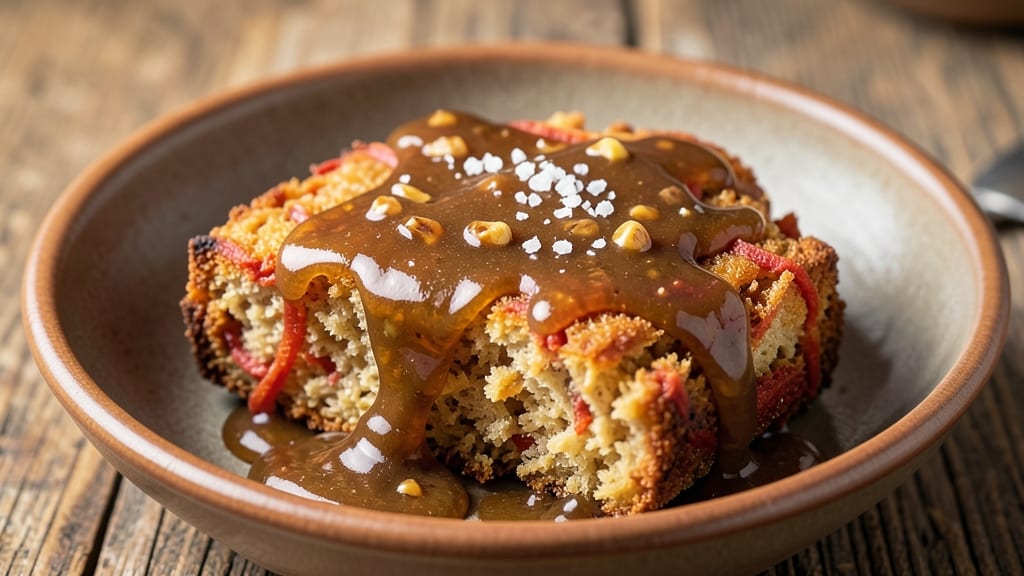
This sweet potato cornbread glaze recipe transforms humble ingredients into a velvety, caramelized drizzle that elevates everything from roasted meats to cornbread itself. The secret lies in blending sweet potato's natural sweetness with cornbread's crumbly texture, then reducing it into a glossy, drizzlable sauce that clings perfectly to any dish.
I developed this after craving a way to use up leftover cornbread—what started as a simple experiment became my go-to glaze for adding depth and moisture to roasted vegetables and even desserts.
The process is simpler than it sounds: blend cooked sweet potatoes with crumbled cornbread, then simmer until thickened. A touch of butter and a pinch of salt enhances the caramelized flavor, while a splash of vanilla adds warmth.
The key is patience—letting the mixture reduce on low heat creates that perfect balance of sweetness and richness. No special equipment is needed, just a blender and a saucepan, making this a foolproof addition to your cooking repertoire.
What you'll end up with is a glossy, amber-colored glaze that's smooth enough to drizzle but substantial enough to hold its shape. It caramelizes beautifully when brushed on roasted sweet potatoes or squash, adding a sticky, sweet contrast to savory dishes.
The flavor profile is complex—sweet from the potato, nutty from the cornbread, and slightly tangy from the reduction process. It's the kind of glaze that makes even simple meals feel like a special occasion.
Use it to glaze roasted meats, drizzle over cornbread for a decadent twist, or even swirl into vanilla ice cream for a sophisticated dessert. The possibilities are endless, but the technique remains the same: blend, reduce, and drizzle.
Let's make this glaze—it's easier than you think, and the results are worth every minute.
Ingredients for sweet potato cornbread glaze
Seven simple ingredients create this velvety glaze that turns ordinary dishes extraordinary.
| Ingredient | Amount | Notes |
|---|---|---|
| Cooked Sweet Potatoes 🍠 | 2 cups | Cubed, skin removed |
| Cornbread 🍞 | 2 cups | Crumbed, stale or leftover |
| Unsalted Butter 🧈 | 2 tbsp | Full-fat for richness |
| Pure Vanilla Extract 🌿 | 1 tbsp | High-quality preferred |
| Sea Salt 🧂 | ½ tsp | Fine grain preferred |
| Extra-Virgin Olive Oil 🫒 | 1 tbsp | For finishing drizzle |
| Water 💧 | ¼ cup | As needed for blending |
Sweet potatoes are the heart of this glaze—orange-fleshed varieties like Beauregard add the best natural sweetness. Trader Joe's and Whole Foods often carry them pre-cooked, but roasting your own (400°F for 45 minutes) gives more control. For cornbread, any kind works, but slightly stale (or intentionally dried out) crumbles best—think about that day-old loaf you were going to toss. The butter should be room temperature for even blending, and vanilla extract matters here: Nielsen-Massey or McCormick are reliable choices if you're not using homemade.
No sweet potatoes? Roasted butternut squash works in a pinch—just adjust the water slightly since it's less moist. Leftover cornbread? Perfect. No cornbread? Crumbled biscuits or cornbread mix (add water to bind) do the trick. Butter substitute? Olive oil or coconut oil keeps it dairy-free, though texture changes slightly. The glaze thickens as it cools, so if it's too stiff, add 1 tsp water at a time. For extra depth, a pinch of cinnamon or smoked paprika can be stirred in—just don't tell anyone I'm cheating.
This glaze keeps beautifully—5 days in the fridge sealed tightly, or 3 months frozen in ice cube trays for single-use portions. Reheat gently in a saucepan with 1 tbsp water to restore smoothness. I always make extra because it's perfect for glazing roasted vegetables or drizzling over grilled peaches. The flavor actually improves overnight as the sweetness concentrates, so leftovers are even better than fresh. Store in a glass jar for easy reheating.
Why You'll Love This Recipe
- I’ll be real: this glaze uses stuff you already have—no fancy shopping required. Leftover sweet potatoes? Crumbs from that stale cornbread? They’re all fair game, and the butter and vanilla just take it from good to oh my god.
- Pantry Magic: I’ll be real: this glaze uses stuff you already have—no fancy shopping required. Leftover sweet potatoes? Crumbs from that stale cornbread? They’re all fair game, and the butter and vanilla just take it from good to oh my god.
- Velvet-Smooth Magic: That mash of roasted sweet potatoes and crumbled cornbread gets silky when blended with butter—like a cross between a glaze and a pudding. A pinch of salt and a whisper of vanilla make it taste like autumn in a jar, but with zero effort.
- Breakfast to Dessert: Slather it on toast for a sweet-savory twist, drizzle it over pancakes, or even spoon it into yogurt. Honestly, I’ve used it as a dip for fruit, and no one batted an eye. It’s the kind of recipe that makes you wonder why you didn’t think of it sooner.
Step-by-step instructions for sweet potato cornbread glaze
Here's how to transform humble sweet potatoes and cornbread into a luscious, caramelized glaze that'll elevate your roasted roots.
Prepare the Sweet Potato Base
In a food processor, combine the 2 cups cooked sweet potatoes and pulse until completely smooth. You want a texture like thick, velvety pudding with no visible chunks. If it's too thick, add 1-2 tablespoons of the 0.25 cup water at a time until it reaches a pourable consistency but still clings slightly to the sides of the bowl.
This is your flavor foundation, so don't rush the blending. The smoother the base, the silkier your final glaze will be. If you notice any lumps, strain the mixture through a fine-mesh sieve to ensure absolute smoothness. Set the sweet potato purée aside while you prepare the cornbread component.
Create the Cornbread Crumb Mixture
In a separate bowl, break up the 2 cups cornbread into small crumbs using your hands or a fork. You want pieces no larger than ¼ inch across—this ensures they'll dissolve completely into the glaze. The crumbs should be dry and slightly gritty to the touch, which will give your glaze that signature cornbread texture.
Here's the thing—if your cornbread is fresh, you'll need to toast it first in a dry skillet over medium heat for 3-4 minutes until lightly golden. This step prevents the glaze from becoming gummy. Fresh cornbread contains more moisture that would otherwise make your glaze too thick and heavy.
Combine and Cook the Glaze
In a medium saucepan, melt the 2 tbsp unsalted butter over medium-low heat. Once fully melted, add the sweet potato purée and stir constantly for 3 minutes until the mixture begins to thicken slightly. This gentle cooking process helps develop the glaze's natural sweetness without burning it.
Gradually whisk in the cornbread crumbs, then add the 1 tbsp pure vanilla extract and 0.5 tsp sea salt. Stir continuously for 5-7 minutes until the mixture thickens to a consistency similar to honey—it should coat the back of a spoon but still be pourable. You're looking for a balance between smooth and slightly textured, with visible cornbread flecks throughout.
Finish and Test the Glaze
Remove the saucepan from heat and stir in the 1 tbsp extra-virgin olive oil. This final addition adds richness and helps prevent the glaze from drying out when drizzled over hot foods. Taste the glaze and adjust the seasoning if needed—you might want to add a pinch more salt to enhance the sweetness.
For the perfect test, spread a small amount on a plate and let it cool slightly. It should be thick enough to hold its shape but still glisten slightly. If it's too thick, whisk in 1-2 teaspoons of water at a time until it reaches your desired consistency. The glaze should be ready to use immediately, but it will continue to thicken as it cools—this is normal and actually enhances its texture.
Pro Tips For Making Sweet Potato Cornbread Glaze
- MASH THE SWEET POTATOES WELL: I learned this the hard way—lumpy mashed sweet potatoes in your glaze will make it grainy and uneven. Use a potato ricer or fork to break down every last clump until it’s as smooth as hummus. No ricer? A food mill works, but don’t skip the second press—those stubborn bits ruin the texture.
- USE DRY CORNBREAD CRUMBS: Skip the fresh cornbread—it’ll turn your glaze into mush. Toast leftover cornbread until crisp, then pulse it in a food processor until it’s fine but not powdery. This keeps the glaze thick and adds real crunch without dissolving into a paste. (Yes, even stale bread works—better than soggy.)
- SIMMER LOW AND SLOW: High heat turns this glaze into sweet potato glue. Keep it at a gentle bubble, stirring often, until it thickens to a consistency that coats the back of a spoon like syrup. If it splits or curdles, you’ve pushed it too far—just whisk in a splash of warm water and keep going.
- SALT THE BUTTER FIRST: Don’t wait until the end to season. Melt the butter with a pinch of salt right at the start—it dissolves evenly and balances the sweetness better than sprinkling it in later. I used to add salt at the end and always wondered why the glaze tasted flat. (Proportion: ½ teaspoon salt per ½ cup butter.)
Serving suggestions for this sweet potato cornbread glaze
Roasted Meat Glazing
This glaze transforms roasted meats like pork shoulder or chicken thighs into showstoppers. Brush it on during the last 10-15 minutes of roasting at 375°F—the high heat caramelizes the sugars beautifully.
I love using it on smoked brisket too, applying it after the smoke phase when the bark forms. For extra richness, add 1 tbsp honey to the glaze before brushing. 🍖
Cornbread Twist
Drizzle this glaze over warm cornbread straight from the oven for a decadent dessert-like experience. The sweet potato's caramelized notes contrast perfectly with the cornbread's crumbly texture. I often serve it with whipped cream or vanilla ice cream for a Southern-inspired treat.
For a savory option, top it with crumbled bacon or sharp cheddar cheese before serving.
Roasted Vegetables
Use this glaze to elevate sweet potatoes, butternut squash, or Brussels sprouts. Toss them in 1 tbsp olive oil, roast at 400°F for 25-30 minutes, then drizzle with the glaze in the final 5 minutes.
The glaze clings beautifully to the vegetables, adding a sticky, sweet contrast. For extra depth, sprinkle with toasted pecans or crumbled feta cheese after roasting.
Grilled Fruits
This glaze isn't just for savory dishes—it's incredible on grilled peaches, pineapple, or plums. Brush it on fruit halves after 3-4 minutes of grilling at medium-high heat, then finish with a sprinkle of flaky sea salt.
The caramelized sweetness pairs perfectly with the smoky char of grilled fruit. Serve it as a dessert or even a breakfast topping with Greek yogurt. 🍑
Dessert Drizzle
For a sophisticated dessert, drizzle this glaze over warm pancakes, waffles, or French toast. The nutty cornbread and sweet potato flavors add complexity to classic breakfast dishes.
I also love using it as a cake or cupcake glaze—simply strain it for extra smoothness and drizzle over baked goods before serving. Add a pinch of cinnamon for extra warmth.
Protein Pairings
Pair this glaze with grilled shrimp or seared scallops for a sweet-savory contrast. Brush it on during the last 2 minutes of cooking at high heat to create a quick caramelized finish.
The glaze's richness complements the delicate flavors of seafood beautifully. For a heartier option, serve it with roasted chicken legs or pork chops for a restaurant-worthy meal. 🍤
Nutrition facts
Frequently asked questions
Can I use this glaze on cold dishes, or does it need to be warm?
The glaze works best when warm—it clings beautifully to hot foods like roasted meats or vegetables. For cold dishes, drizzle it over warm cornbread or pancakes right before serving to maintain its glossy texture. If using on cold salads, thin it slightly with 1 tsp water to help it spread evenly. The flavor is delicious either way, but the caramelization shines when warm!
What if my glaze turns out too thick or too thin?
Too thick? Whisk in 1-2 teaspoons of water at a time until it reaches a honey-like consistency. Too thin? Simmer uncovered over low heat for 3-5 minutes, stirring constantly, until it thickens. The key is patience—rushing can cause it to burn. For extra insurance, strain it through a fine-mesh sieve to remove any excess moisture from the cornbread crumbs before cooking.
Can I make this glaze ahead of time? This glaze actually tastes better after resting. Store it in an airtight container in the fridge for up to 5 days or freeze it in ice cube trays for 3 months. To reheat, warm it gently in a saucepan with 1 tbsp water until smooth. The flavors meld beautifully overnight, making it perfect for meal prep. Just
What's the best way to store leftover glaze?
Keep it in a sealed glass jar in the fridge for up to 5 days. For longer storage, freeze it in 1-tablespoon portions using ice cube trays—this makes it easy to thaw just what you need. When reheating, warm it gently over low heat or microwave in 10-second bursts, stirring between each, until smooth. Avoid boiling to prevent separation.
Can I make this glaze without cornbread?
Yes! Swap the cornbread for crumbled graham crackers (for sweetness) or toasted breadcrumbs (for texture). For a nutty twist, use pecan or walnut flour instead. The key is maintaining the crumbly element—just ensure your substitute is dry and toasted to prevent a gummy texture. The flavor will differ slightly but still deliver that rich, caramelized profile.