
Side Dishes
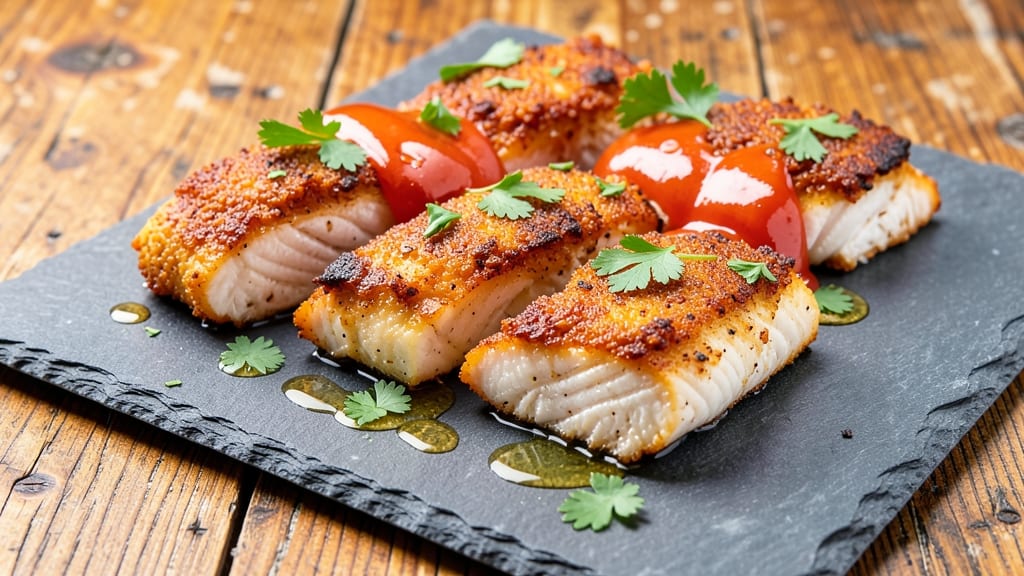
This sweet potato-crusted grouper recipe delivers the perfect balance of crispy, caramelized edges and tender, flaky fish—every bite is a revelation. The secret lies in baking sweet potatoes until they’re silky smooth, then blending them into a fine, golden crust that locks in moisture while creating irresistible texture.
I’ve perfected this technique over countless weeknight dinners, and it never fails to impress.
The crust transforms ordinary grouper into a restaurant-worthy dish with minimal effort. You’ll start by roasting sweet potatoes until they’re tender enough to blend into a fine, sticky paste—no food processor required.
After coating the fish fillets, you’ll pan-sear them to a golden finish, ensuring the crust stays crispy while the fish stays perfectly juicy at 145°F internal temperature. The sweetness of the crust pairs beautifully with the mild, delicate flavor of the grouper.
What you’ll end up with is a dish that’s equal parts elegant and approachable—crispy on the outside, tender on the inside, with a subtle sweetness that complements the fish’s natural flavor.
The crust holds together beautifully, making it easy to plate without falling apart. Serve it with a bright citrus salsa or roasted asparagus to round out the meal.
This recipe is designed for foolproof results, whether you’re cooking for a date night or a family dinner. The sweet potato crust adds a gourmet touch that feels special but comes together in under an hour. Let’s get started—your taste buds will thank you.
Ingredients for sweet potato crusted grouper
Sweet potatoes, olive oil, and flaky grouper—just three key ingredients for restaurant-quality bites.
| Ingredient | Amount | Notes |
|---|---|---|
| Grouper Fillets 🐟 | 4 pieces | 4-6 oz each, skinless |
| Sweet Potatoes 🍠 | 2 medium | Baked until tender, peeled |
| Extra-Virgin Olive Oil 🫒 | ½ cup | For crust and searing |
| Garlic Cloves 🧄 | 4 cloves | Minced for crust |
| Fresh Parsley 🌿 | ¼ cup | Chopped, for garnish |
| Lemon Juice 🍋 | 2 tbsp | Freshly squeezed |
| Salt 🧂 | 1 ½ tsp | Kosher or sea salt |
| Ground Black Pepper 🌶️ | ½ tsp | Freshly ground |
| Paprika 🌶️ | ½ tsp | Smoked for color |
| Ground Cumin 🌿 | ¼ tsp | For depth of flavor |
| Unsalted Butter 🧈 | 2 tbsp | For pan-searing |
| Lemon Wedges 🍋 | 4 whole | For serving |
The sweet potatoes are the star here. Orange-fleshed varieties like Jewel or Garnet work best—they’re naturally sweet and blend into a velvety paste. Trader Joe’s and Whole Foods carry great organic options, but any medium sweet potato will do. Bake them until they’re fork-tender, then mash them while still warm for the smoothest texture. Pro tip: skip the food processor—just mash with a fork to avoid gummy crusts. The grouper should be fresh, never frozen, and 4-6 oz fillets per person ensure perfect portions. Look for bright, translucent flesh at the seafood counter.
No fresh parsley? Dried parsley at one-third the amount works in a pinch, though fresh adds that bright pop of color. Short on smoked paprika? Regular paprika plus a pinch of cayenne mimics the smoky depth. The crust relies on olive oil for richness—use extra-virgin here, not the cheap stuff. If you’re feeling fancy, add a pinch of cinnamon to the crust mix for extra warmth. For the butter, European-style like Plugrá melts beautifully without burning. And if you can’t find grouper, cod or halibut make great substitutes—they just need slightly less time in the pan.
The crust keeps best when made fresh, but you can prep it ahead and store it in the fridge for up to 24 hours covered with plastic. The baked sweet potatoes hold in the fridge for 3-4 days, so make a double batch if you’re feeding a crowd. For serving, keep the crust crispy by reheating in a 350°F oven for 5-7 minutes. The lemon wedges should be added right before serving—squeeze fresh juice over the top right after plating for that bright finish. Leftovers? Store in an airtight container for 2 days, but honestly, it’s best eaten fresh.
Why You'll Love This Recipe
- Sweet Potato Magic: I swear by this trick—roasting sweet potato purée into a crust means no breadcrumbs, no mess, just that golden, caramelized bite every time.
- One-Pan Wonder: Honestly, the only tools you need are a sheet pan and a fork. Toss the purée on, sprinkle herbs, and let the oven do the work while you sip wine.
- Dinner Party Ready: Between us, this looks fancy enough for company but takes less effort than ordering takeout. The crispy crust hides any fishy smell, and guests always ask for the recipe.
- Budget-Friendly Protein: Grouper’s mild and affordable, and sweet potatoes stretch further than you’d think. I’ve fed four people for under $25—and still had leftovers for lunch.
Step-by-step instructions for sweet potato-crusted grouper
Here's how to create a perfectly crispy crust that hides the most tender, flavorful grouper you've ever tasted.
Prepare the Sweet Potato Crust Mixture
Start by baking the 2 medium sweet potatoes at 400°F for 45-50 minutes until they're fork-tender. Let them cool completely, then peel away the skin and mash them with a fork or potato masher until smooth. The texture should be slightly grainy but mostly broken down.
In a separate bowl, combine the mashed sweet potatoes with 0.5 cup extra-virgin olive oil, 1.5 teaspoons salt, 0.5 teaspoon ground black pepper, 0.5 teaspoon paprika, and 0.25 teaspoon ground cumin. Mix well until fully incorporated. The mixture should be thick but spreadable—if it's too dry, add 1-2 teaspoons of water to help it bind. This crust will be your secret weapon for that irresistible crunch while keeping the fish moist inside.
Season and Coat the Grouper Fillets
Pat each of the 4 grouper fillets dry with paper towels—this is crucial for getting that perfect crust. Season both sides generously with additional salt and pepper if needed, then brush lightly with 2 tablespoons lemon juice. The acidity helps tenderize the fish slightly and balances the sweetness of the crust.
Working quickly, press each fillet into the sweet potato mixture, coating both sides thoroughly. I like to press down gently to ensure even coverage—this prevents the crust from falling off during cooking. Place the coated fillets on a parchment-lined baking sheet and refrigerate for 15 minutes while you prepare the pan. This chilling step helps the crust adhere better and makes it easier to handle without breaking apart.
Sear the Grouper for Maximum Crispiness
Heat 2 tablespoons unsalted butter in a large skillet over medium-high heat until it foams but doesn't brown. Add the 4 grouper fillets and cook for 3-4 minutes per side, pressing down gently with a spatula during the first minute to help the crust form evenly. You'll know it's ready when the crust turns deep golden brown and the fish releases easily from the pan.
Don't overcrowd the pan—cook in batches if needed to maintain even heat. The butter will help create a rich, flavorful crust while keeping the fish moist. Once both sides are beautifully browned and the fish flakes easily with a fork, transfer the fillets to a paper towel-lined plate to drain any excess butter.
Finish with Garlic and Parsley
In the same skillet (no need to clean it—the fond is pure flavor), add the 4 cloves minced garlic and cook for 30 seconds until fragrant. Immediately remove the pan from heat and stir in the 0.25 cup chopped fresh parsley. This quick sauté infuses the garlic flavor without burning it.
Return the seared grouper fillets to the skillet and spoon the garlic-parsley mixture over the top. Let everything sit together for 1 minute so the fish absorbs those final aromatic flavors. The crust should still be crisp, and the fish should be just warm through—perfectly juicy inside with that sweet potato crunch on the outside.
Serve with Lemon Wedges
Transfer the grouper fillets to serving plates and garnish with additional chopped parsley if desired. Serve immediately with the 4 whole lemon wedges on the side. The bright citrus cuts through the richness of the crust and fish, adding a fresh finish to every bite.
This dish comes together beautifully with steamed vegetables or a simple side salad. The contrast of the crispy sweet potato crust against the delicate, flaky fish is what makes this recipe truly special—each bite delivers that perfect balance of texture and flavor.
Pro Tips For Making Sweet Potato Crusted Grouper
- DRY THE FILLETS WELL: Pat those grouper fillets bone dry with paper towels—no wet spots—before pressing them into the sweet potato crust. I learned this the hard way when my first batch came out soggy instead of crispy. Trust me, the extra 30 seconds makes all the difference when frying.
- ROAST SWEET POTATOES FIRST: Cook your sweet potatoes in the oven (400°F for 20-25 minutes) until tender before blending them into a puree. Cold, raw sweet potatoes turn your crust into a gluey mess. Pre-cooking gives you a smooth, flavorful base that actually sticks to the fish.
- PRESS HARD, DON’T SKIMP: Use the flat side of a glass or your palm to really press the sweet potato mixture onto the fillets—no gaps, no thin spots. I used to slap it on half-heartedly, and the crust would crack off mid-fry. This isn’t a suggestion; it’s the only way to get that golden, cohesive crust.
- GARLIC TOAST, NOT RAW CHOP: Sauté your garlic in olive oil until it’s just golden (not brown) before mixing it into the sweet potato puree. Raw garlic burns easily and overpowers the dish. Toasted garlic adds depth without bitterness—skip the raw chopping, even if it’s tempting.
Regional styles of these flavors
Caribbean-Inspired Twist
In the Caribbean, sweet potatoes are often paired with tropical flavors like lime and jerk seasoning. Swap the smoked paprika for 1 teaspoon jerk seasoning (store-bought or homemade with allspice, thyme, and scotch bonnet) and add 1 tablespoon lime zest to the crust.
Serve with a mango-avocado salsa—diced mango, avocado, red onion, cilantro, and lime juice—to balance the heat and add freshness. 🌴
Southern U.S. Comfort Style
For a Southern-inspired version, boost the crust with ½ teaspoon cayenne pepper and 1 teaspoon onion powder to add a smoky-sweet kick. Pair with collard greens cooked with smoked turkey neck—the rich, slightly bitter greens complement the sweet crust beautifully.
Finish with a drizzle of hot honey (honey blended with cayenne) for a sweet-spicy contrast.
Mediterranean Herb Variation
Transform this dish into a Mediterranean masterpiece by adding 1 tablespoon dried oregano and 1 teaspoon dried thyme to the crust. Garnish with lemon-herb butter—melted butter with lemon zest, oregano, and a pinch of salt—before serving.
Serve alongside roasted cherry tomatoes and a Greek salad with cucumber, olives, and feta for a bright, herby balance.
Asian-Inspired Glaze Option
For an Asian-inspired twist, brush the crust-coated grouper with a ginger-soy glaze (2 tablespoons soy sauce, 1 tablespoon honey, 1 teaspoon grated ginger, and ½ teaspoon sesame oil) before searing. Garnish with toasted sesame seeds and thinly sliced scallions.
Serve with steamed jasmine rice and quick-pickled cucumbers (thinly sliced cucumbers tossed with rice vinegar, sugar, and red pepper flakes) for a refreshing contrast.
Spicy Cajun Crust
Give it a Cajun flair by mixing 1 teaspoon Cajun seasoning (like Tony Chachere’s) into the sweet potato crust. Add ½ teaspoon garlic powder and ½ teaspoon onion powder for extra depth.
Serve with dirty rice—a Louisiana classic made with long-grain rice, andouille sausage, bell peppers, and the holy trinity (onion, celery, bell pepper). The spicy crust and smoky rice make this a showstopper dish. 🌶️
Nutrition facts
Frequently asked questions
Can I use regular potatoes instead of sweet potatoes for the crust?
While you can technically use regular potatoes, sweet potatoes are key for that perfect balance of sweetness and texture. Regular potatoes will create a crust that's less flavorful and more starchy—it won't caramelize as beautifully. If you must substitute, try a mix of 50% sweet potato and 50% Yukon Gold for better results.
How do I keep the crust from falling off when cooking?
Pat the grouper fillets completely dry before coating, and press the crust mixture firmly onto both sides. Chill the coated fillets in the fridge for 15 minutes before cooking—this helps the crust adhere better. Also, avoid flipping too soon; cook each side for 3-4 minutes until golden brown.
What's the best way to reheat leftovers without making the crust soggy?
Reheat in a 350°F oven for 5-7 minutes on a wire rack placed over a baking sheet. The heat will crisp the crust without steaming the fish. Avoid microwaving—it turns the crust rubbery. For best results, enjoy this dish fresh, but reheating this way keeps it crispy for 1-2 days.
Can I bake the grouper instead of pan-searing?
Yes! Bake at 400°F for 12-15 minutes on a parchment-lined tray until the crust is golden. Brush with a little olive oil first for extra crispiness. Baking is great for larger batches, but pan-searing gives that restaurant-quality sear and caramelization.
What are the best sides to serve with this dish?
Bright, acidic sides cut through the richness of the crust beautifully. Try citrus salsa, roasted asparagus, or garlic sautéed spinach. For a heartier meal, add quinoa pilaf or crispy roasted potatoes. The contrast of textures makes every bite more exciting!