
Side Dishes
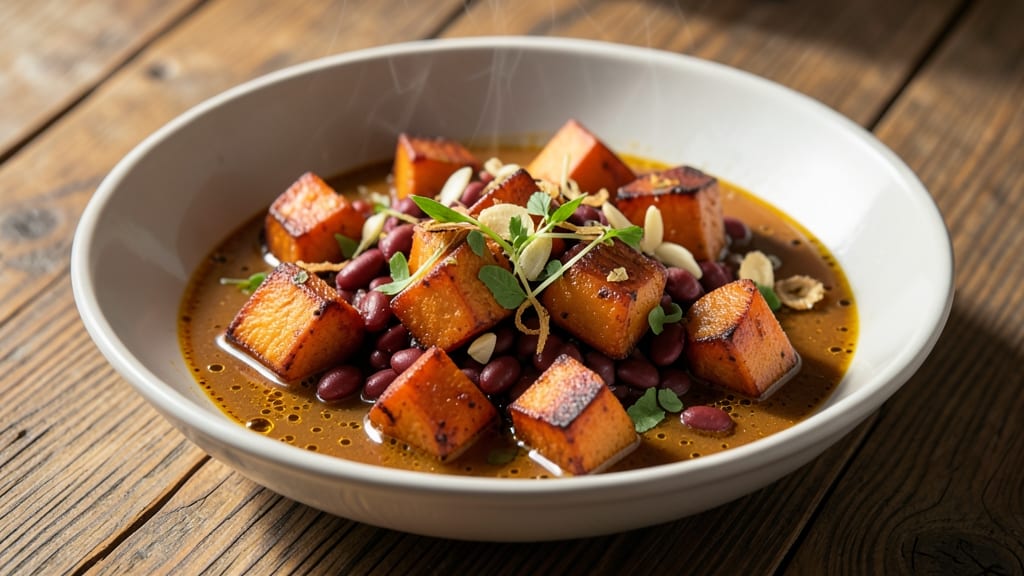
This sweet potato dahl recipe transforms humble ingredients into a rich, spiced lentil and roasted root dish that’s hearty enough to stand alone or pair perfectly with rice. The secret lies in slow-simmered flavors—warm cumin, earthy turmeric, and caramelized sweet potatoes—that create a depth of taste most store-bought versions miss.
I developed this after years of refining dahls, balancing traditional tempering techniques with modern shortcuts like pressure cooking for foolproof results.
The beauty of this recipe is its versatility and protein punch—red lentils break down into a creamy, velvety texture while absorbing the aromatic spices, and roasted sweet potatoes add natural sweetness that rounds out the dish.
Unlike many dahls that rely on coconut milk or cream, this version stays light yet satisfying, with a perfectly balanced tang from tomato and brightness from fresh cilantro.
The method is straightforward: soak the lentils, sauté whole spices until fragrant, and let the flavors meld over 30 minutes of simmering—no fancy equipment required.
What makes this dish truly special is how it elevates simple ingredients into something restaurant-worthy. The lentils become tender yet hold their shape, the sweet potatoes caramelize into sweet, jammy bites, and the spices—cumin, coriander, and garam masala—layer complexity without overpowering.
Serve it with steamed basmati rice or warm naan to soak up every last drop of that fragrant, spiced broth. The result? A comforting, protein-rich meal that’s as nourishing as it is delicious.
For those short on time, a pressure cooker cuts the simmering time to 15 minutes, but the flavors develop just as deeply. Garnish with fresh herbs or a squeeze of lemon for brightness, and you’ll have a dish that’s equally impressive for weeknight dinners or weekend gatherings.
Let’s make this dahl—the kind that turns a simple meal into a flavorful experience.
Ingredients for sweet potato dahl
Fifteen thoughtfully chosen ingredients unlock the restaurant-quality depth of this spiced lentil and sweet potato harmony.
| Ingredient | Amount | Notes |
|---|---|---|
| Red Lentils 🌾 | 1 ½ cups | Rinsed thoroughly before cooking |
| Sweet Potatoes 🍠 | 2 medium | Peeled and cubed (1.5 inches) |
| Yellow Onion 🧅 | 1 whole | Finely chopped for tempering |
| Garlic Cloves 🧄 | 6 cloves | Minced for aromatic base |
| Fresh Ginger 🌿 | 1 inch | Grated for zesty kick |
| Ground Cumin 🌶️ | 1 ½ tbsp | Toasted for deeper aroma |
| Ground Coriander 🌿 | 1 tbsp | Freshly ground preferred |
| Turmeric Powder 🧂 | 1 tsp | Bright yellow color indicator |
| Garam Masala 🌶️ | 1 ½ tsp | For complex spice blend |
| Tomato Paste 🍅 | 2 tbsp | High-quality for rich flavor |
| Vegetable Broth 💧 | 3 cups | Low-sodium preferred |
| Lemon Juice 🍋 | 1 tbsp | Freshly squeezed for brightness |
| Fresh Cilantro 🌿 | ¼ cup | Chopped for garnish |
| Extra-Virgin Olive Oil 🫒 | ½ cup | For sautéing and richness |
| Salt 🧂 | 1 tsp | Kosher or sea salt |
The sweet potatoes are non-negotiable—their natural sweetness balances the earthy lentils and aromatic spices. Opt for organic sweet potatoes with vibrant orange flesh for optimal flavor and texture. Most grocery stores carry them year-round, but specialty markets like Whole Foods often stock heirloom varieties with deeper flavor profiles. Peel and cube them into 1.5-inch pieces for even roasting—they should caramelize beautifully while retaining structure. Red lentils are the protein backbone here; they cook quickly yet hold their shape, unlike yellow lentils which turn mushy. Bob’s Red Mill or Patel Brothers brands are excellent choices for consistent quality.
No fresh ginger? Substitute with 1 tsp ground ginger, but you’ll lose that bright, zesty punch. Short on garam masala? Mix equal parts cumin, coriander, cinnamon, and cardamom—it’s what the spice blend is made of. The tomato paste can be swapped for 1 cup crushed tomatoes if you prefer a chunkier texture, though paste delivers more concentrated flavor. For the vegetable broth, avoid brands with added preservatives—Imagine or Pacific Foods are reliable low-sodium options. The cilantro is purely for garnish, but if you’re sensitive to its soapy taste, fresh parsley works equally well.
Roasted sweet potatoes develop their signature caramelized edges when cooked at 400°F for 25 minutes—don’t skip this step. Store the cooked dahl in an airtight container for up to 5 days in the fridge, though it tastes best within 3 days as flavors meld. Freezes beautifully for 3 months if you portion it into single-serving containers—simply reheat with a splash of water or broth. The garam masala and cumin can be toasted in a dry pan for 30 seconds before adding to the pot for an extra depth of flavor that’s worth the effort.
Why You'll Love This Recipe
- One-Pot Magic: I swear by this recipe when I’m too tired to scrub pots—just toss everything in one pot, let the sweet potatoes soften into the lentils, and boom. No extra dishes, no stress, just flavor that builds itself while you sip tea.
- Sweet Heat Harmony: That caramelized sweet potato meets the earthy lentils? It’s like a hug in a bowl. The ginger and garlic add this bright, spicy kick that makes it taste like you slaved over it for hours (but you didn’t).
- Leftover Goldmine: This dish actually improves the next day. The flavors meld even more, and it reheats like a dream—perfect for packing lunches or feeding a houseful of guests without last-minute panic.
- Budget-Buster Combo: Red lentils and sweet potatoes are the ultimate wallet-friendly duo. I make this weekly—it feeds my family of four for under $5, and the leftovers stretch into soups or wraps. No guilt, all satisfaction.
Step-by-step instructions for sweet potato dahl
This method transforms simple ingredients into a deeply flavorful, textured-rich dahl with perfect spice balance.
Roast Sweet Potatoes Until Caramelized
Preheat oven to 400°F. Toss the 2 medium peeled and cubed sweet potatoes with 1 tbsp of the extra-virgin olive oil and ½ tsp salt. Spread in a single layer on a baking sheet and roast for 25-30 minutes, stirring once halfway, until edges are deep golden brown and interiors yield slightly to a fork.
Here's the thing—roasting develops that caramelized sweetness that sets this dahl apart. You want them tender but not mushy; they'll finish cooking in the broth. Remove from oven and set aside while you build the base.
Build the Spice Base with Onion and Aromatics
Heat 2 tbsp of the extra-virgin olive oil in a heavy pot over medium heat. Add the finely chopped yellow onion and cook for 8-10 minutes until soft and translucent, stirring occasionally. Add the minced garlic cloves and grated ginger, cooking for another 1 minute until fragrant.
This is where the foundation happens. Don't rush the onions—they should break down completely before adding spices. The ginger and garlic should sizzle but not brown, or they'll turn bitter. Keep heat at medium throughout this step.
Toast Spices and Add Tomato Paste
Reduce heat to low and add the ground cumin, ground coriander, turmeric powder, and garam masala. Toast for 30 seconds, stirring constantly, until the spices release their aroma. Immediately add the tomato paste and cook for 1 minute to deepen its flavor.
Watch carefully—spices burn quickly. You'll see them darken slightly and smell that warm, earthy aroma. This step develops the complex spice profile that defines the dish. The tomato paste will darken and thicken, creating a rich base for the broth.
Simmer Lentils and Sweet Potatoes Together
Add the 1.5 cups rinsed red lentils, 3 cups vegetable broth, and the roasted sweet potatoes to the pot. Bring to a boil, then reduce heat to low and simmer uncovered for 20-25 minutes, stirring occasionally, until lentils are tender and broth has reduced slightly.
You're aiming for a thick, stew-like consistency—not watery. If it's too thin, simmer uncovered another 5 minutes to reduce. The lentils should be soft but still hold their shape, and the sweet potatoes should be completely tender with no resistance.
Finish with Acid and Garnish
Stir in the lemon juice and remaining ½ tsp salt. Taste and adjust seasoning—you may need a pinch more salt or a splash more lemon for brightness. Remove from heat and stir in the chopped fresh cilantro just before serving.
This final step balances the richness with acidity. The lemon brightens all the earthy flavors, while the cilantro adds freshness. Serve immediately with warm naan or basmati rice to soak up every bit of that fragrant, spiced broth.
Pro Tips For Making Sweet Potato Dahl
- STEAM NOT BOIL SWEET POTATOES: I learned this the hard way—throwing cubed sweet potatoes straight into simmering water turns them mushy. Instead, parboil them in a separate pot with a splash of water (just enough to cover the bottom) for 8-10 minutes until fork-tender but still holding shape. The residual moisture keeps them from drying out later when you add them to the dahl.
- GRATE GINGER LIKE YOU MEAN IT: Fresh ginger loses its punch when you mince it finely. For this dahl, use a box grater and go for the coarse side—think matchstick pieces, not powder. This ensures the flavor infuses properly without turning the dish into ginger-flavored mush. (Yes, even if you're impatient like me.)
- DON’T RUSH THE ONION BASE: Low and slow is the name of the game here. Cook your onions until they’re deep golden, not just translucent—about 12-15 minutes over medium-low heat. This caramelizes the sugars and builds the flavor foundation for the entire dish. Skimp here, and your dahl will taste like it’s missing something.
- SAVE TIME WITH PRE-PEELING: Sweet potatoes and onions are a pain to peel mid-cook. Do it all upfront—peel and cube the sweet potatoes, then chop the onion while you’re at it. Pro move: Toss the peeled sweet potatoes in a bowl of cold water while you prep the rest; this keeps them from oxidizing and makes them easier to handle later. (Your future self will thank you.)
Essential equipment for this dish
Heavy Pot Essentials
A 5-6 quart heavy-bottomed pot with a tight-fitting lid is your best friend for this dahl—I swear by my All-Clad Stainless Steel Dutch Oven. The thick base prevents scorching during the long simmer, while the lid traps steam to develop rich flavors.
If you don't have one, a deep cast iron skillet works too, but watch for hot spots. Never use thin aluminum—it warms unevenly and can burn your spices. 🌡️
Spice Toasting Tools
For that 30-second spice toasting step, a small cast iron skillet or even a dry nonstick pan works best—it gives you better heat control than your main pot. I keep a small Lodge skillet just for toasting spices and nuts.
If you're nervous about burning them, use low heat and stir constantly. A wooden spoon is ideal for stirring—it won't scratch your pot like metal utensils.
Sweet Potato Roasting Pan
Use a rimmed baking sheet (half-sheet pans work perfectly) to roast the sweet potatoes—it gives them room to spread out and caramelize evenly. Line it with parchment paper for easy cleanup, or use silicon baking mats if you prefer.
Avoid glass pans—they can cause uneven browning. Pro tip: Toss the cubes with 1 tbsp olive oil and ½ tsp salt before roasting for maximum flavor development. 🍠
Pressure Cooker Shortcut
If you're using a pressure cooker (like an Instant Pot), you'll need a trivet or steamer basket to hold the sweet potatoes above the lentils while they cook. This prevents them from turning mushy.
I use the Instant Pot's metal trivet—just place the sweet potatoes on top and cook on high pressure for 8 minutes. The result is tender sweet potatoes with perfectly cooked lentils in a fraction of the time. ⏰
Garnish Tools
Fresh cilantro and lemon juice are the final touches, so keep a sharp chef's knife and microplane handy. For cilantro, I use a small pairing knife to chop fine stems and leaves together.
A zester works great for lemon if you want to add zest, but a microplane gives you more control. Store your fresh herbs in an airtight container with a paper towel to keep them crisp for garnishing.
Nutrition facts
Frequently asked questions
Can I substitute sweet potatoes with regular potatoes in this recipe?
While you can use regular potatoes, the flavor and texture will differ significantly. Sweet potatoes add natural sweetness and a creamy, jammy texture that balances the earthy lentils perfectly. Regular potatoes will make the dish less flavorful and more watery. If you must substitute, use orange-fleshed potatoes like Yukon Golds for a slightly better match.
How do I adjust the spice level for this sweet potato dahl?
The recipe uses mild spices, but you can easily adjust it. For more heat, add ½ tsp cayenne pepper or 1 tsp red chili powder when toasting the spices. For a milder version, reduce the garam masala to 1 tsp and omit the cayenne. Always taste as you go—you can add more spices, but you can't take them out once they're in!
Can I make this dahl in a slow cooker?
Follow the same steps for roasting the sweet potatoes, then sauté the onions and spices in a skillet before transferring everything to your slow cooker. Add 3 cups broth and cook on low for 6-7 hours or high for 3-4 hours. The slow cooker will deepen the flavors even more, creating a more tender, saucy texture. Just stir occasionally to prevent sticking.
What's the best way to store and reheat leftovers?
Store cooked dahl in an airtight container in the fridge for up to 5 days, or freeze for 3 months. To reheat, add 2-3 tablespoons of water or broth per cup of dahl and warm on the stove over medium-low heat for 5-7 minutes, stirring occasionally. Microwave reheating works too, but it can make the texture slightly watery—always stir well after heating.
Why did my dahl turn out too thick or too thin?
Thickness is all about the broth-to-lentil ratio. If too thick, stir in ½ cup warm broth or water and simmer another 5 minutes. If too thin, simmer uncovered for 10-15 minutes to reduce. For future batches, adjust by ¼ cup increments—start with 2.75 cups broth if you prefer it thicker, or 3.25 cups if you like it more saucy. The lentils should be tender but still hold their shape.