
Sauces & Condiments
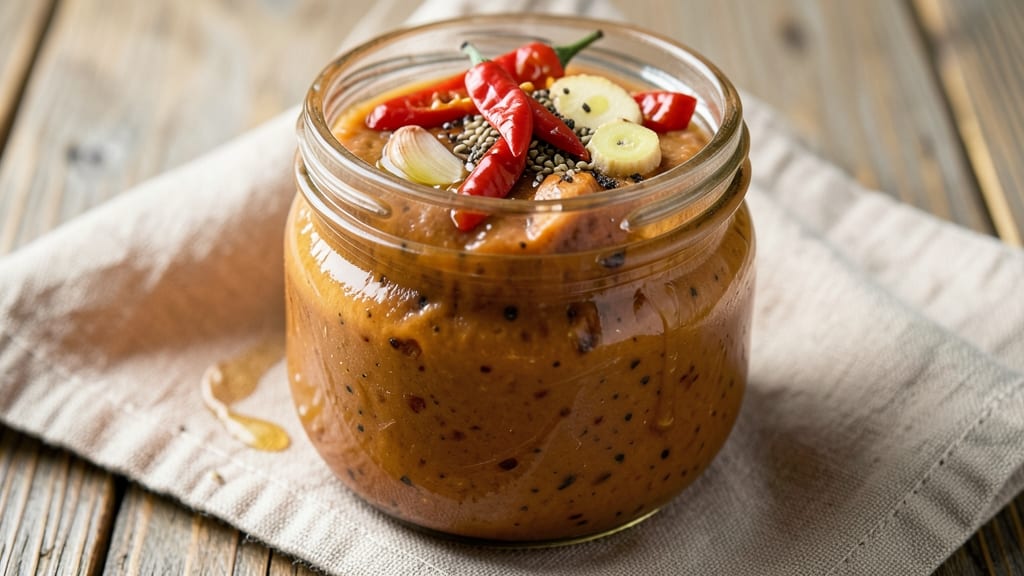
This sweet potato habanero hot sauce recipe transforms humble ingredients into a complex, balanced condiment where smoky sweetness meets controlled heat. The secret lies in slow-roasting sweet potatoes to develop deep caramelized notes before blending with fresh habanero peppers—just enough fire to linger without overwhelming.
I perfected this sauce after years of experimenting with fruit-based hot sauces, and the difference is remarkable: no harsh burn, just a gradual build of warmth that enhances everything from tacos to grilled meats.
The process begins with roasting sweet potatoes until their natural sugars concentrate into a rich, almost molasses-like texture—this forms the sauce's foundation. Fresh habanero peppers provide the heat, but their flavor is mellowed by fermenting the mixture for 5-7 days, allowing the sweetness to mellow while the capsaicin develops.
The result is a sauce that's complex enough for professional kitchens but simple enough for home cooks, with a heat level you can adjust by controlling fermentation time or adding more sweet potato base.
What makes this sauce truly special is its versatility: the sweet potato's earthiness pairs beautifully with habanero's fruity heat, creating a profile that works as a dip, marinade, or finishing sauce.
The fermentation process also adds subtle tanginess that rounds out the flavors, making it far more dynamic than store-bought alternatives. Each batch develops unique characteristics based on your local peppers and fermentation conditions, ensuring no two batches are exactly alike.
Once fermented, the sauce keeps for months in the refrigerator, with flavors deepening over time. Store it in a clean glass jar with an airtight lid, and you'll have a pantry staple that elevates everything from breakfast eggs to weekend BBQs.
The balance of sweet, spicy, and umami makes it addictive—just be warned, you'll find yourself reaching for this sauce long after the batch is finished.
Ingredients for sweet potato habanero hot sauce
Sweet potatoes, habanero peppers, and vinegar create a balanced sauce where smoky sweetness meets gradual heat.
| Ingredient | Amount | Notes |
|---|---|---|
| Sweet Potatoes 🍠 | 2 lb | Organic preferred, skin-on for roasting |
| Fresh Habanero Peppers 🌶️ | 4 whole | Bright red, firm, no soft spots |
| Apple Cider Vinegar 🍎 | ½ cup | Raw, unfiltered preferred |
| Garlic Cloves 🧄 | 6 cloves | Fresh, peeled, rough chopped |
| Fresh Ginger 🌿 | 1 inch | Peel, roughly chopped |
| Extra-Virgin Olive Oil 🫒 | ¼ cup | High quality, fruity |
| Fresh Ginger 🌿 | 1 oz | Peel, roughly chopped |
| Sea Salt 🧂 | 1 tsp | Fine grain preferred |
| Black Peppercorns 🌶️ | ½ tsp | Freshly cracked |
| Brown Sugar 🍚 | 1 tbsp | Light or dark |
Sweet potatoes are the foundation—organic, skin-on varieties like Jewel or Beauregard roast best, developing deep caramelized notes. Trader Joe's and Whole Foods carry excellent options, but any orange-fleshed sweet potato works. The habaneros? Buy fresh from a Latin market if possible—they should be bright red, firm, and slightly waxy. Avoid soft spots or wrinkled skin, which means they're past their prime. Roast the sweet potatoes until tender and caramelized, then blend until smooth to create that rich, molasses-like base. Fresh ginger is non-negotiable here—store-bought jars lose their punch fast. Grab a small piece from the produce section and peel it yourself.
No habaneros? Scotch bonnet peppers work in a pinch, but expect slightly more heat. Vinegar substitutes? White wine vinegar or lime juice both work, but apple cider adds subtle sweetness that rounds out the sauce. Running low on fresh ginger? Powdered ginger at half the amount gets you close, but the flavor won't be as complex. The brown sugar is optional—skip it if you prefer a more tangy profile, but I always include it to balance the habanero's natural bitterness. For extra depth, toast the peppercorns in a dry pan before grinding them—it enhances their aroma dramatically.
This sauce develops over time, so ferment it for 5-7 days in a clean glass jar with an airtight lid. Store it in the fridge after fermentation, where it keeps for 6-12 months. The longer it sits, the more complex the flavors become—trust me, you'll want to make a big batch. For single servings, portion into small jars or ice cube trays. The sauce thickens as it ferments, so add a splash of water if it becomes too stiff. Always wear gloves when handling habaneros, and avoid touching your face—those peppers pack a serious punch!
Why You'll Love This Recipe
- No-Stress Simmer: I swear by this recipe because it’s basically hands-off after the initial chop. Toss everything—sweet potatoes, habaneros, vinegar, garlic—into a pot, let it bubble, and walk away. The sweet potatoes break down into a velvety base while the habaneros mellow into smoky heat. (Honestly, I’ve made it while scrolling through my phone.)
- Sweet Heat Balance: Here’s what sold me—the way the caramelized sweet potatoes tame the habanero’s fire. The ginger adds a zingy kick, and the apple cider vinegar cuts through the richness like a cool breeze. It’s the kind of sauce where every bite feels like a flavor explosion, but not one that burns your mouth off.
- Party in a Bottle: This stuff is my secret weapon for game day, tacos, or even drizzled over grilled cheese. It’s bold enough to stand alone as a dip but mellows into the perfect condiment. Between us, I’ve seen it disappear faster than chips at a Super Bowl tailgate.
- Leftovers That Last: A single batch stretches for weeks in my fridge, and it only gets better with time. The flavors meld like old friends, and I’ve even frozen it for months without losing a drop of punch. Plus, sweet potatoes are cheaper than most produce—so you’re basically getting gourmet heat on a budget.
Step-by-step instructions for sweet potato habanero hot sauce
Here's how to craft a balanced, smoky hot sauce where sweet potatoes soften the habanero's bite.
Roast the Sweet Potatoes and Habaneros Until Caramelized
Preheat your oven to 400°F and line a baking sheet with parchment paper. Pierce the 2 lb sweet potatoes with a fork in several places, then rub them with 1 tablespoon brown sugar and 1 teaspoon sea salt. Place them on the baking sheet and roast for 45-50 minutes, turning halfway, until their edges are deep golden brown and they yield slightly to pressure.
While the sweet potatoes roast, prepare the 4 whole fresh habanero peppers by removing their stems and seeds. Place them on the same baking sheet (no need to oil them—they'll release their own juices) and roast alongside the sweet potatoes for 20-25 minutes until their skins blacken in spots and they smell intensely aromatic. This roasting process deepens their natural sweetness and mellows their heat slightly, creating a more complex flavor profile.
Blend the Roasted Base with Aromatics and Vinegar
Once the sweet potatoes are tender and the habaneros are charred, transfer both to a blender. Peel the sweet potatoes (the skins should slide off easily now) and add them to the blender with the habaneros. Include the 6 cloves garlic cloves, 1 inch fresh ginger, and 1 oz fresh ginger (peeled and chopped). Add the 0.5 cup apple cider vinegar and 0.25 cup extra-virgin olive oil to balance the acidity and add richness.
Blend the mixture on high for 1-2 minutes until completely smooth, scraping down the sides as needed. The sauce should be vibrant orange with flecks of charred habanero and sweet potato. Taste a small amount—you'll notice the sweetness from the roasted vegetables and the underlying heat from the habaneros. If it tastes too sharp, add a splash more vinegar; if it needs more depth, a pinch of salt will help.
Simmer and Strain for a Silky Texture
Transfer the blended mixture to a saucepan and place it over medium-low heat. Stir in the 0.5 teaspoon freshly cracked black peppercorns and let the sauce simmer gently for 15-20 minutes, stirring occasionally. This slow simmer allows the flavors to meld and the sauce to thicken slightly. You're looking for a consistency that coats the back of a spoon but isn't syrupy.
After simmering, remove the pan from heat and let the sauce cool for 5 minutes. Then, strain it through a fine-mesh sieve into a clean jar or bowl, pressing gently on the solids with a spoon to extract as much liquid as possible. The strained sauce should be smooth, with a deep orange hue and a balance of sweet, smoky, and spicy notes. If you prefer a chunkier texture, skip the straining step entirely.
Rest and Adjust for Perfect Balance
Let the hot sauce cool completely to room temperature before tasting it again. This resting period allows the flavors to fully develop and settle. Once cooled, taste the sauce and adjust the seasoning if needed. If it lacks brightness, add a little more vinegar; if it needs more heat, blend in a small amount of the reserved habanero seeds (if you didn't discard them). For sweetness, a touch more brown sugar can help.
Transfer the finished sauce to a clean, sterilized jar and store it in the refrigerator. The sauce will continue to mellow and improve over the next 24-48 hours, so plan ahead if you're eager to use it. This hot sauce keeps well in the fridge for up to 2 weeks, or you can extend its shelf life by canning it. Use it to add a smoky kick to tacos, drizzle it over grilled meats, or mix it into marinades for a unique depth of flavor.
Pro Tips For Making Sweet Potato Habanero Hot Sauce
- ROAST THE SWEET POTATOATOES FIRST: I learned this the hard way—raw sweet potatoes in hot sauce make the texture gummy and the flavor muddled. Roast them at 400°F (200°C) for 30-40 minutes until fork-tender, then peel and mash them into the sauce. The caramelized depth is non-negotiable.
- PEEL HABANEROS WITH GLOVES: Fresh habaneros pack a wallop, and the seeds are where the heat lives. Wear thin nitrile gloves when handling them—your hands will thank you later. Remove seeds and membranes completely, or the sauce will be a fire hazard rather than a flavor bomb.
- SIMMER LOW AND SLOW: This isn’t a race. After blending everything, reduce heat to a gentle simmer and let it cook uncovered for at least 30 minutes. Skipping this step leaves the sauce raw-tasting and sharp. The vinegar will mellow, and the sweet potatoes will break down into a velvety base.
- STRAIN THE GINGER: Fresh ginger adds warmth, but its fibrous texture can turn the sauce gritty. After grating, let it sit in a fine-mesh strainer over a bowl for 5 minutes to drain excess liquid, then press it with a spoon to extract the juice. This guarantees a smooth finish without sacrificing flavor.
Storing and reheating this sweet potato habanero hot sauce
Fermented Storage
This hot sauce develops beautifully through fermentation, which deepens the flavors and mellows the habanero heat over time. After blending and simmering, transfer your sauce to a clean glass jar with an airtight lid and let it ferment at room temperature for 5-7 days.
Place the jar in a dark, warm spot—like your pantry or a closed cabinet—to encourage beneficial bacteria growth. The longer it ferments, the more complex the flavors become, but never exceed 10 days to avoid spoilage. 🌱
Refrigerator Shelf Life
Once fermented, store your hot sauce in the refrigerator where it’ll keep for 6-12 months in its peak condition. The cold slows fermentation, preserving the sauce’s vibrant color and balanced flavors. Use a sterilized glass jar with a tight-sealing lid to prevent contamination.
I like to label my jars with the date so I can track freshness—this sauce only gets better with age, but after 6 months, the heat may mellow slightly. For best results, use within 3 months for maximum punch.
Freezing for Long-Term
If you’ve made a big batch and want to preserve it longer than a year, freezing is your best option. Portion the sauce into small glass jars or silicone ice cube trays (perfect for single-serving use) and freeze for up to 12 months.
When ready to use, thaw in the refrigerator overnight—never microwave as it can alter the texture and heat balance. The sauce may thicken slightly after freezing, so add a splash of apple cider vinegar or water to restore consistency before using.
Reheating and Texture Tips
This hot sauce is best enjoyed at room temperature, but if you’ve stored it in the fridge and want to warm it slightly, gently reheat in a small saucepan over low heat for 2-3 minutes.
Stir constantly to prevent scorching, and avoid boiling—high heat can destroy the delicate balance of flavors. If the sauce thickens too much after reheating, thin it with 1 teaspoon of vinegar or water at a time until it reaches your desired consistency.
For a smoother texture, strain again through a fine-mesh sieve before reheating.
Adjusting Heat Levels
If your sauce is too spicy after storage, balance it by adding 1-2 tablespoons of roasted sweet potato purée or a pinch of brown sugar to mellow the heat. For extra depth, blend in ½ teaspoon of honey or maple syrup to enhance the sweetness.
If the sauce has lost its brightness over time, revive it with a splash of fresh apple cider vinegar or a squeeze of lime juice. Always taste as you adjust—this sauce is all about finding your perfect balance! 🔥
Nutrition facts
Frequently asked questions
Why does fermenting the sauce matter?
Fermentation is key to developing the sauce's depth and complexity. The 5-7 day process allows beneficial bacteria to break down sugars, creating subtle tanginess that balances the sweetness and heat. It also mellows the habanero's sharpness while intensifying its fruity notes—think of it as letting the flavors marry like a fine wine.
Can I adjust the heat level after fermentation?
If your sauce is too spicy, stir in 1-2 tablespoons of roasted sweet potato purée or a pinch of brown sugar to mellow the heat. For extra kick, blend in ½ teaspoon of habanero seeds (reserved from the original peppers). Always taste as you go—this sauce is all about customization!
How do I use this hot sauce beyond just dipping?
This versatile sauce elevates everything! Use it as a marinade for grilled chicken or pork, mix 1 tablespoon into guacamole for a smoky kick, or drizzle over tacos, BBQ ribs, or even scrambled eggs. The sweet potato base also makes it perfect for balancing spicy Asian dishes like Thai curries or Vietnamese pho.
What if my habaneros aren't fresh?
Freshness is critical—soft or wrinkled peppers will make your sauce bitter. If yours aren't perfect, soak them in ice water for 10 minutes to revive them before roasting. For extra insurance, reduce the number of peppers by 1-2 and add ½ teaspoon of smoked paprika to compensate for lost flavor depth.
Can I make this sauce without a blender?
Yes! If you don't have a blender, roast the sweet potatoes and habaneros as directed, then mash them with a potato masher. For a smoother texture, press the mixture through a fine-mesh sieve or cheesecloth. The sauce will be slightly chunkier but still delicious—just stir well before using for even distribution.