
Sauces & Condiments
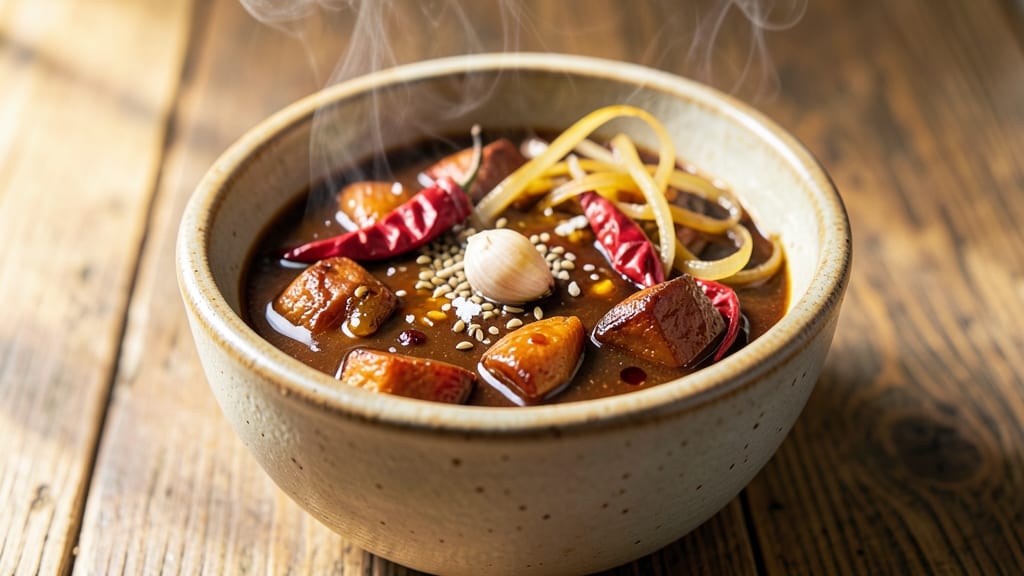
This sweet potato hot sauce recipe transforms humble ingredients into a complex, smoky-sweet condiment that bridges comfort food and bold heat. The secret lies in roasting sweet potatoes until caramelized, which deepens their natural sugars and creates a velvety base that balances capsaicin's sharpness.
What starts as a simple blend of roasted vegetables, vinegar, and chili peppers evolves into something far more sophisticated through slow simmering and straining.
Professional results begin with proper technique—roasting the sweet potatoes at high heat until their edges blacken slightly, then blending them with vinegar and spices to create a smooth, aromatic foundation.
The sauce develops its signature depth during a 15-minute simmer, where flavors meld and the acidity of the vinegar cuts through the sweetness. Straining ensures a silky texture, while optional adjustments let you control the heat level from mild to fiery.
What makes this sauce stand out is its versatility—it elevates everything from tacos to grilled meats, adding layers of smoky-sweet heat that traditional hot sauces can't match. The natural sweetness of the sweet potatoes creates a unique profile that pairs beautifully with both spicy and savory dishes.
With proper storage (refrigerated for up to 3 months or canned for longer shelf life), you'll always have this restaurant-quality condiment on hand.
The process is straightforward but requires patience, particularly during the roasting and simmering stages where flavors develop. For those new to homemade hot sauces, this recipe serves as an excellent introduction—balancing accessibility with professional results.
Once you taste the difference between store-bought and homemade, there's no going back to the bottled versions.
Ingredients for sweet potato hot sauce
Roasted sweet potatoes and vinegar create the velvety base for this restaurant-quality hot sauce.
| Ingredient | Amount | Notes |
|---|---|---|
| Sweet Potatoes 🍠 | 2 lbs | Organic preferred, skin-on for texture |
| White Vinegar 🍶 | 1 cup | Distilled for clarity and acidity |
| Red Chili Peppers 🌶️ | 4 whole | Jalapeños or serranos for balanced heat |
| Yellow Onion 🧅 | 1 whole | Yellow or white, roughly chopped |
| Garlic Cloves 🧄 | 4 cloves | Freshly peeled, roasted for depth |
| Apple Cider Vinegar 🍏 | ½ cup | For fruity complexity |
| Smoked Paprika 🌶️ | 1 tbsp | High-quality, not pre-mixed |
| Ground Cumin 🌿 | ½ tsp | Toasted for aromatic intensity |
| Salt 🧂 | 1 tsp | Diamond Crystal preferred |
| Extra-Virgin Olive Oil 🫒 | ¼ cup | For blending and finishing |
The sweet potatoes are the foundation—select organic varieties with vibrant orange flesh for maximum sweetness and depth. Roast them at 425°F until blackened at the edges, which caramelizes their natural sugars and transforms their texture into a silky puree. For the peppers, jalapeños or serranos provide balanced heat without overpowering the sweetness; remove seeds for milder heat. The vinegar selection matters too: white vinegar for clarity and apple cider vinegar for fruity complexity. If you're using store-bought vinegar, opt for distilled brands like Heinz or Bragg—they're consistent and won't introduce off-flavors.
No smoked paprika? Substitute with a mix of regular paprika and a pinch of liquid smoke, though the depth won't be identical. Running short on cumin? Ground coriander at half the amount offers a similar earthiness. For the onions, yellow or white work best—their sharpness cuts through the sweetness, while red onions can make the sauce too bright. The garlic should be roasted alongside the sweet potatoes—this mellows its sharpness and adds a nutty depth. If you're short on time, blanched garlic works in a pinch, but roasting is ideal. The olive oil should be extra-virgin with a peppery finish—it's worth investing in a quality bottle for the final blend.
This sauce develops its full complexity over time, so store it in a glass jar in the refrigerator for up to 3 months. For longer storage, canning is ideal—sterilize jars and process in a water bath for 15 minutes. The sauce thickens as it cools, so stir in a splash of vinegar if it becomes too stiff. For serving, drizzle over tacos, grilled meats, or even deviled eggs—the smoky-sweet balance elevates everything. If you make a batch, gift it immediately—it disappears faster than you'd expect.
Why You'll Love This Recipe
- Sweet Potato Magic: The roasted sweet potatoes add a caramelized depth that turns this into something special—not just another hot sauce. That natural sweetness balances the vinegar and chili heat, making it way more complex than store-bought.
- One-Pot Wonder: Honestly, you’ll use the same pot for roasting, blending, and simmering. Five minutes of prep, then hands-off time while the oven does the work—no chopping marathons or constant stirring. My lazy nights love this.
- Game for All: Drizzle it on tacos, mix it into deviled eggs, or toss it with fries—this sauce doesn’t play favorites. Even my picky teen sneaks extra when he thinks I’m not looking. (Yes, even on a Tuesday night.)
- Budget Bright Spot: Sweet potatoes and vinegar stretch this recipe into weeks of flavor without breaking the bank. A single batch feeds my family for snack attacks, leftovers, and last-minute dinner rescues—all for pennies.
Step-by-step instructions for sweet potato hot sauce
Transform humble ingredients into a complex, layered hot sauce with smoky-sweet depth and balanced heat.
Roast the Sweet Potatoes, Onion, and Peppers for Depth
Preheat your oven to 400°F. Cut the 2 lbs sweet potatoes into 1-inch chunks, leaving the skin on for texture. Toss them with 1 tablespoon of the extra-virgin olive oil on a rimmed baking sheet. Add the whole yellow onion, cut into quarters, and the 4 whole red chili peppers, halved lengthwise. Spread everything in a single layer for even roasting.
Roast for 30-35 minutes until the sweet potatoes are tender when pierced with a fork and the edges are deep golden brown. The onion should be caramelized with crispy edges, and the chili peppers should soften slightly. This roasting step develops the natural sweetness of the sweet potatoes and mellows the heat of the peppers, creating a balanced foundation for your sauce.
Char the Garlic and Toast the Spices
While the vegetables roast, peel the 4 garlic cloves and place them on a separate baking sheet. Toast them in the oven for 8-10 minutes until they're deep golden brown and fragrant. This charring intensifies their flavor and prevents bitterness. In a small dry skillet over medium heat, toast the 1 tablespoon smoked paprika and ½ teaspoon ground cumin for 1 minute until aromatic—this step deepens their smoky, earthy notes.
Remove the garlic and spices from heat immediately to prevent burning. The garlic should be soft enough to crush with a fork, and the spices should smell rich and toasty. Set them aside to cool slightly before blending.
Blend the Roasted Vegetables and Infuse with Vinegars
Transfer the roasted sweet potatoes, onion, and chili peppers to a high-speed blender. Add the toasted garlic, toasted spices, 1 cup white vinegar, and ½ cup apple cider vinegar. Blend until completely smooth, scraping down the sides as needed. The mixture should be thick but pourable—this is your base sauce. Taste and adjust the seasoning with the 1 teaspoon salt, adding more if needed.
The vinegars balance the sweetness and heat while preserving the sauce. The blend should have a vibrant orange hue from the sweet potatoes and a deep red tint from the chili peppers. If the mixture is too thick, add 1-2 tablespoons of water to reach a pourable consistency.
Simmer and Reduce for Concentrated Flavor
Pour the blended sauce into a saucepan and bring to a gentle simmer over medium-low heat. Stir occasionally for 15-20 minutes until the sauce thickens slightly and reduces by about 25%. You're looking for a glossy, syrupy texture that coats the back of a spoon. Skim off any foam that rises to the surface—this ensures a clean, polished finish.
During this time, the flavors meld and deepen. The sweet potatoes caramelize further, the vinegars mellow, and the spices integrate seamlessly. The sauce should smell complex—smoky, sweet, and slightly tangy with a hint of chili heat. If it becomes too thick, add 1 tablespoon of water at a time to maintain the right consistency.
Finish with Olive Oil and Rest for Maximum Flavor
Remove the sauce from heat and stir in the remaining ¼ cup extra-virgin olive oil. This step emulsifies the sauce, giving it a silky mouthfeel and a luxurious finish. Let the sauce cool to room temperature, then transfer it to a clean glass jar. Seal tightly and refrigerate for at least 24 hours—this resting period allows the flavors to fully develop and mellow.
After resting, the sauce will be even more balanced, with the heat and sweetness perfectly harmonized. The texture should be smooth and velvety, with a subtle sheen from the olive oil. Store in the refrigerator for up to 2 weeks or freeze for longer storage. Use it to elevate tacos, drizzle over grilled meats, or mix into marinades for an unforgettable smoky-sweet kick.
Pro Tips For Making Sweet Potato Hot Sauce
- Char the Sweet Potatoes: Roast the peeled sweet potatoes at 425°F (220°C) for 20-25 minutes until they’re blackened in spots—this caramelizes the sugars and deepens the flavor. I used to steam them, but the taste was flat; roasting adds that smoky-sweet backbone the sauce needs.
- Blister the Peppers Properly: Hold the red chili peppers over a gas flame (or under a broiler) until the skins blacken and blister all over—this makes peeling them effortless. I learned this the hard way after struggling to scrape off unblistered skins mid-recipe; now I do it first thing.
- Simmer Low and Slow: Reduce the heat to a bare simmer after combining everything—too much boil and the vinegar will cook off too fast, leaving your sauce thin and sharp. I was impatient and ended up with a watery mess; now I let it bubble gently for 30-40 minutes.
- Strain Twice for Smoothness: First pass through a fine-mesh strainer catches big chunks, but run it through a cheesecloth or coffee filter afterward for a silky texture. Yes, it’s extra work, but the difference between gritty and velvety sauce is night and day—especially if you’re using skin-on sweet potatoes.
Storing and reheating your sweet potato hot sauce
Refrigerator Storage
Store your sweet potato hot sauce in a clean, airtight glass jar in the refrigerator for up to 2 weeks. The glass preserves the sauce's vibrant color and prevents off-flavors from plastic containers. I always use amber-colored jars—they block light and help maintain freshness longer. 🌿
Before sealing, let the sauce cool completely to room temperature to prevent condensation. The sauce will naturally thicken as it chills, so stir in 1-2 tablespoons of vinegar if it becomes too stiff. This keeps the texture smooth and pourable for drizzling.
Freezer Preservation
For longer storage, portion the sauce into silicone molds or ice cube trays before transferring to freezer bags. This makes it easy to thaw just what you need. Label each bag with the date—it stays fresh for up to 3 months without losing flavor or texture.
When ready to use, thaw overnight in the fridge. Gently stir and reheat on the stovetop over low heat for 2-3 minutes to restore its silky consistency. Avoid microwaving, as it can break the sauce's emulsion and make it separate.
Canning for Long-Term Use
If you want to preserve the sauce for years, canning is the way to go. Use pint-sized mason jars and process them in a water bath for 15 minutes. Sterilize jars and lids in boiling water for 10 minutes beforehand to prevent spoilage.
After canning, let the jars cool completely before storing in a dark, cool pantry. The sauce will keep for 12 months or more. Always check for seal integrity before opening—if the lid pops when pressed, it's safe to use.
Reviving Stored Sauce
If your refrigerated sauce thickens over time, simply whisk in 1 tablespoon of vinegar per ½ cup of sauce to restore its original consistency. For freezer-thawed sauce, add 1 teaspoon of olive oil to help re-emulsify the flavors.
Pro tip: Keep a small jar of the sauce in the fridge at all times. I find that homemade hot sauce disappears faster than you'd expect—it's perfect for gifting or sharing with friends who love bold flavors. 🔥
Nutrition facts
Frequently asked questions
Why does this hot sauce need roasting instead of raw sweet potatoes?
Roasting caramelizes the sweet potatoes' natural sugars, creating a deeper, smokier flavor that balances the heat. Raw sweet potatoes would make the sauce watery and lack the rich complexity. The charred edges also add a subtle bitterness that rounds out the sweetness—this is what makes the sauce taste restaurant-quality!
Can I adjust the heat level in this recipe?
For milder heat, remove the seeds and membranes from the chili peppers before roasting. For extra spice, add 1-2 extra peppers or a pinch of cayenne pepper during blending. Always taste as you go—you can't remove heat once it's in!
What if my hot sauce turns out too thin or too thick?
If too thin, simmer uncovered for 5-10 extra minutes to reduce. For thickness, whisk in 1 tablespoon of vinegar or a splash of water. The ideal consistency should coat the back of a spoon but still drip slowly—like honey. Adjust gradually to avoid breaking the emulsion.
How can I use this sauce beyond just drizzling?
Get creative! Mix it into marinades for grilled meats, stir into mayo for sandwiches, or use as a dipping sauce for fries. It also works beautifully in Bloody Marys or as a glaze for baked chicken wings. The smoky-sweet profile makes it incredibly versatile—just remember it's spicy!
Can I substitute white vinegar with something else?
Apple cider vinegar works well for fruity notes, but avoid balsamic—it's too sweet and will overpower the sauce. For a tangier profile, use rice vinegar (50/50 mix with white vinegar). Just ensure the total vinegar amount remains 1.5 cups to maintain proper acidity and preservation.