
Side Dishes
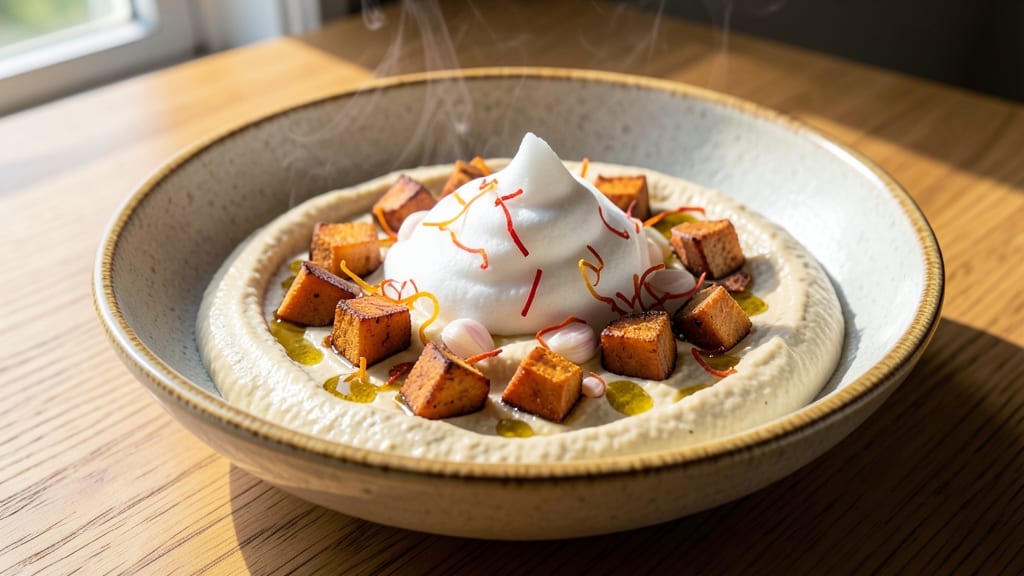
This creamy sweet potato hummus recipe without tahini transforms humble chickpeas into a velvety, roasted-sweet spread that’s perfect for dipping or sandwiches. The secret lies in blending roasted sweet potato with aquafaba (chickpea brine) for that signature creaminess—no tahini needed.
I developed this version after craving hummus with natural sweetness and a smooth texture, and it’s become a staple in my kitchen for its versatility and rich flavor.
The roasted sweet potato adds natural sweetness and depth, while garlic, lemon, and smoked paprika create a balanced, aromatic profile. Unlike traditional tahini-based hummus, this version relies on olive oil and aquafaba for creaminess, making it vegan-friendly and nut-free.
The result is a dip that’s smooth yet substantial, with just the right amount of tang and earthiness.
What makes this recipe stand out is its adaptability—spread it on toast, use it as a sandwich filling, or serve it with fresh veggies and pita. The flavors develop even more after a few hours in the fridge, so it’s perfect for meal prep.
Plus, the natural sweetness from the roasted sweet potato makes it irresistible for both kids and adults.
Storage is a breeze: keep it in an airtight container in the fridge for up to 5 days, or freeze for longer shelf life. The texture actually improves over time, making it ideal for batch cooking.
Whether you’re hosting a party or just craving a satisfying snack, this hummus delivers restaurant-quality creaminess without the tahini.
Ingredients for sweet potato hummus recipe without tahini
Sweet potatoes, chickpeas, and olive oil—just three key ingredients for this creamy, nut-free hummus.
| Ingredient | Amount | Notes |
|---|---|---|
| Large Sweet Potatoes 🍠 | 2 whole | Peeled, cubed, roasted until tender |
| Canned Chickpeas 🥔 | 15 oz | Drained, rinsed, liquid reserved |
| Extra-Virgin Olive Oil 🫒 | ¾ cup | High quality, fruity flavor |
| Aquafaba 💧 | ½ cup | Reserved chickpea liquid |
| Fresh Garlic Cloves 🧄 | 4 cloves | Peeled, roughly chopped |
| Lemon Juice 🍋 | 0.3 cup | Freshly squeezed |
| Smoked Paprika 🌶️ | 1 tbsp | For depth and smokiness |
| Ground Cumin 🌿 | ½ tsp | Toasted for warmth |
| Sea Salt 🧂 | 1 tsp | Fine grain preferred |
| Black Pepper 🌶️ | ¼ tsp | Freshly ground |
The sweet potatoes are the star here. Orange-fleshed varieties like Jewel or Beauregard roast up sweeter and creamier—Trader Joe's and Whole Foods usually carry them. Roast them until fork-tender (about 30 minutes at 400°F), then blend until smooth. No need to peel if you're using organic sweet potatoes, but scrub them well if they're not. The aquafaba (chickpea brine) is non-negotiable for that signature hummus creaminess—save it when draining your chickpeas. If you're short, add a splash of water, but the texture won't be quite as rich. For the olive oil, California avocado brand is my go-to—it's fruity enough to stand up to the sweetness without overpowering.
No aquafaba? Silken tofu blended with water works in a pinch (use 0.5 cup tofu + 0.25 cup water), but it won't be quite as light. Short on smoked paprika? Regular paprika plus a pinch of cayenne gives similar depth. The lemon juice needs to be fresh—bottled won't cut it. For extra richness, add 1 tbsp of vegan mayo (like Hellmann's Vegan) or a splash of tahini if you're okay with a tiny amount. The cumin can be toasted in a dry pan for 30 seconds before adding—game-changer for flavor. If you're making this ahead, add the lemon juice just before serving so it doesn't curdle.
This hummus tastes even better the next day—flavors meld beautifully. Store in an airtight container in the fridge for up to 5 days. For longer storage, freeze in ice cube trays (portion-sized) or a single container. Thaw overnight in the fridge, then give it a quick blend to restore creaminess. The texture actually improves after a day as the flavors develop. I like to make a big batch and keep it in the fridge for quick snacks—perfect with pita, veggies, or even as a sandwich spread. If it gets too thick, stir in a splash of water or extra olive oil.
Why You'll Love This Recipe
- No Tahini? No Problem: I’ll be real—this swap doesn’t just work, it elevates the hummus. The aquafaba (yes, chickpea brine) adds that silky texture without the nutty bitterness, and the roasted sweet potato brings a caramelized sweetness that’s ridiculously good—like dessert dipped in savory sauce.
- One-Pot Magic: Honestly, this is the kind of recipe that makes me feel like a lazy genius. Toss the sweet potato cubes into the same pot as the chickpeas and garlic, roast them together, then blend with olive oil and aquafaba. Minimal chopping, zero extra bowls, and the kitchen stays cleaner than my usual hummus disasters.
- Weeknight Superstar: Between us, this is my go-to when I need something fast but still impressive. Spread it on toast for a 5-minute breakfast, dollop it into wraps for lunch, or serve it with pita and veggies when friends drop by unannounced. It’s the kind of dish that says “I have my life together” without actually requiring effort.
- Budget-Friendly Pantry Hero: I make this at least twice a month because it’s solid value—sweet potatoes and chickpeas stretch my grocery budget, and the aquafaba trick means I’m not buying tahini just for one recipe. Plus, leftovers? They last a full week in the fridge, and the flavor only gets better as the sweet potato mellows out.
Step-by-step instructions for sweet potato hummus without tahini
Here's how to transform roasted sweet potatoes into a velvety hummus that's rich, naturally sweet, and completely tahini-free.
Roast the Sweet Potatoes Until Ultra-Tender
Preheat your oven to 400°F and line a baking sheet with parchment paper. Toss the 2 whole large sweet potatoes (peeled and cubed into ½-inch pieces) with 1 tablespoon of the extra-virgin olive oil and ½ teaspoon of the sea salt. Spread them in a single layer—they need room to crisp slightly.
Roast for 30-35 minutes, stirring halfway, until the edges are golden brown and a fork slides in easily with no resistance. The sweet potatoes should smell caramelized and be soft enough to mash with minimal effort. Let them cool slightly before processing—they'll release more moisture when hot, which can make your hummus too thin.
Toast the Spices and Garlic for Deep Flavor
While the sweet potatoes roast, heat a small skillet over medium-low heat. Add the 4 cloves fresh garlic cloves (roughly chopped) and toast for 1-2 minutes until fragrant but not browned. Remove and set aside.
In the same skillet, toast the 1 tablespoon smoked paprika and ½ teaspoon ground cumin for 30 seconds until aromatic. This step develops their flavors and removes any raw taste. Let them cool completely before adding to the hummus—hot spices can cook the sweet potatoes further and make the mixture watery.
Blend the Base Ingredients for Smooth Texture
Drain the 15 oz canned chickpeas (reserve ½ cup of the aquafaba for later) and transfer them to a food processor. Add the roasted sweet potatoes, toasted garlic, toasted spices, 0.3 cup lemon juice, and 0.25 teaspoon black pepper. Pulse a few times to break everything down roughly.
With the processor running, slowly drizzle in the 0.75 cup extra-virgin olive oil until the mixture becomes creamy. Scrape down the sides as needed. The hummus should be thick but still pourable—if it's too stiff, add 1-2 tablespoons of the reserved aquafaba to loosen it. Taste and adjust seasoning with more salt or lemon juice if needed.
Achieve the Perfect Creamy Consistency
Transfer the hummus to a serving bowl and stir in the 0.5 cup aquafaba (the reserved chickpea liquid). This step is what gives the hummus its signature creaminess without tahini. Mix well and let it sit for 10 minutes—this allows the flavors to meld and the texture to thicken slightly.
For the smoothest finish, press the hummus through a fine-mesh sieve to remove any remaining lumps. Drizzle with a little extra olive oil and a sprinkle of smoked paprika. Serve immediately with warm pita, veggie sticks, or as a dip for crackers. The sweetness of the roasted sweet potatoes balances the earthy chickpeas perfectly, creating a hummus that's uniquely your own.
Pro Tips For Making Sweet Potato Hummus Recipe Without Tahini
- ROAST SWEET POTATOES UNTIL SOFT: Peel and cube them first, then roast at 400°F (200°C) for 30-35 minutes—don’t skip the 10-minute flip halfway. I used to rush this and end up with gummy chunks that ruined the texture. Aim for a fork-tender center, not just color.
- DRAIN CHICKPEAS WELL: Rinse canned chickpeas and pat them thoroughly dry with a towel before blending. The extra moisture throws off the aquafaba’s binding—wet chickpeas make hummus grainy, no matter how much you blend.
- BLITZ GARLIC IN STAGES: Add half the minced garlic first, blend, then taste before adding the rest. Too much at once burns and turns bitter—like that time I made hummus taste like a garlic factory exploded. Start light, adjust as you go.
- WHISK AQUAFABA FIRST: Beat the aquafaba with a fork or whisk until frothy before blending—it adds air and creaminess without tahini. I was skeptical until I tried it: suddenly, the hummus had that silky mouthfeel I missed from the original. Takes 2 minutes, makes a real difference.
Storing and reheating this dish
Fridge Storage Essentials
Store your sweet potato hummus in an airtight container with a lid—glass jars or BPA-free plastic containers work best. Press the hummus down gently to minimize air exposure, which helps preserve freshness. I like using mason jars because they’re stackable and easy to grab for quick snacks.
Keep it refrigerated at 40°F or below for up to 5 days, though I’ve found the flavors actually deepen after 24 hours, making it even more delicious. 🥫
Freezing for Longer Shelf Life
For extended storage, portion the hummus into ice cube trays or small silicone molds—this makes thawing and serving easier. Once frozen solid, transfer the cubes to a freezer-safe bag or container, removing as much air as possible to prevent freezer burn.
Label with the date, as it stays fresh for up to 3 months. To use, thaw overnight in the fridge and give it a quick blend with 1-2 tablespoons of water to restore creaminess. 🧊
Reheating for Creamy Perfection
If your hummus thickens in the fridge, stir in 1-2 teaspoons of warm water or extra olive oil to loosen it. For a quick fix, microwave a portion for 20-30 seconds on low power, then stir vigorously—this revives the texture without cooking it.
I avoid high heat, as it can break down the aquafaba’s natural emulsifiers. For the best results, let it sit at room temperature for 10 minutes before serving to let flavors rebalance. ✨
Texture Troubleshooting
If your hummus separates after reheating, blend it briefly with 1 tablespoon of aquafaba or silken tofu to restore smoothness. Overly thick? Add ½ teaspoon of lemon juice to brighten flavors while thinning.
For extra richness, drizzle with 1 teaspoon of olive oil before serving. The key is patience—let it rest after blending to let the ingredients meld naturally. 💫
Serving After Storage
Hummus tastes best when served at room temperature, so let it sit for 5-10 minutes after refrigeration. Garnish with a sprinkle of smoked paprika, a drizzle of olive oil, or fresh parsley for a pop of color.
Pair it with warm pita, crudités (carrot sticks, cucumbers), or even toasted baguette slices. The natural sweetness of the roasted sweet potato shines even more after storage, making it a crowd-pleaser. 🥖
Nutrition facts
Frequently asked questions
Can I substitute aquafaba with another ingredient?
Yes! If you don't have aquafaba, use ½ cup silken tofu blended with ¼ cup water for creaminess. For a richer texture, add 1 tablespoon vegan mayo or a splash of cashew cream (blend soaked cashews with water). Just note these alternatives may slightly alter the hummus's lightness.
Why does my hummus taste too sweet?
Roasted sweet potatoes naturally concentrate sweetness. To balance it, add ½ teaspoon more smoked paprika or 1 extra garlic clove during blending. A splash of lemon juice (up to 1 tablespoon) also brightens flavors. For extra depth, toast the sweet potatoes slightly longer next time.
How can I make this hummus nut-free AND seed-free?
This recipe is already nut-free, but for seed-free versions, skip the aquafaba and use ½ cup unsweetened applesauce or mashed avocado (¼ cup) instead. Add 1 extra tablespoon olive oil to maintain creaminess. The texture will be slightly softer but still delicious.
Can I use regular sweet potatoes instead of orange-fleshed?
Technically yes, but orange-fleshed varieties (like Jewel or Beauregard) add natural sweetness and creaminess. Regular sweet potatoes will work, but you may need to add 1 extra tablespoon lemon juice or ½ teaspoon maple syrup to compensate for the milder flavor. Roast them until very tender for best results.
What's the best way to serve this hummus?
This hummus shines as a dip with warm pita, veggie sticks, or crackers. For a hearty meal, spread it on toasted baguette slices with avocado or sprouts. It also makes an amazing sandwich filling—pair with roasted veggies or greens. Garnish with paprika, parsley, or a drizzle of olive oil before serving.