
Side Dishes
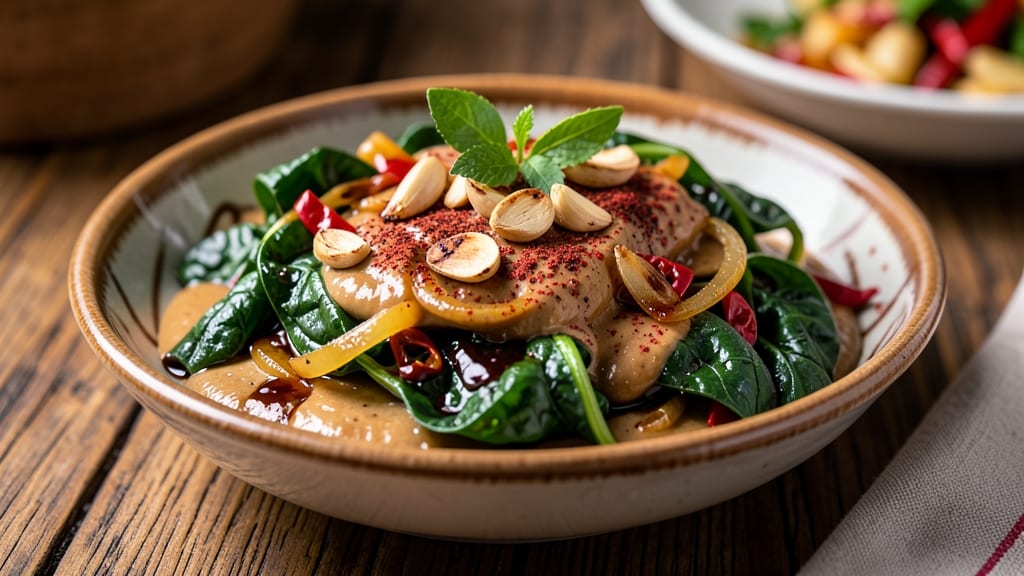
This African sweet potato leaves recipe transforms humble greens into a smoky, nutty stir-fry that brings West African flavors to your table. The secret lies in wilted leaves cooked with garlic, onions, and a touch of peanut butter for depth—no fancy ingredients, just authentic technique.
I first discovered this dish in a bustling Nigerian market, where vendors stir-fried the leaves in cast iron pans until tender yet crisp at the edges.
The beauty of this recipe is its versatility—it works as a side for grilled fish, a hearty vegetarian main, or a flavorful addition to rice dishes. Traditional preparation involves boiling the leaves first to soften them, then sautéing with onions, garlic, and chili until fragrant.
The peanut butter adds a rich, earthy note that balances the greens' natural bitterness, while smoked paprika brings that signature African smokiness.
What you’ll end up with is a dish that’s bursting with texture—tender leaves, crisp edges, and a sauce that’s creamy yet light. The aroma alone will transport you to a West African kitchen, where meals are made with love and simple, wholesome ingredients.
Perfect for those craving bold flavors without the fuss of complex recipes.
Serve this stir-fry with fufu, rice, or even crusty bread to soak up every last bit of that smoky peanut sauce. The recipe is naturally vegetarian and vegan-friendly, making it a great option for plant-based meals. Let’s get cooking!
Ingredients for sweet potato leaves african
Simple greens, bold flavors—this stir-fry brings West African warmth to your plate.
| Ingredient | Amount | Notes |
|---|---|---|
| Sweet Potato Leaves (African Spinach) 🥬 | 10 oz | Fresh, stems removed |
| Yellow Onions 🧅 | 1 whole | Medium, thinly sliced |
| Garlic Cloves 🧄 | 4 cloves | Minced for aroma |
| Peanut Butter 🥜 | ¼ cup | Natural, unsweetened |
| Smoked Paprika 🌶️ | 1 tbsp | For authentic smokiness |
| Red Chili Peppers 🌶️ | 2 whole | Fresh, sliced thin |
| Tomato Paste 🍅 | 1 tbsp | Squeeze tube preferred |
| Vegetable Oil 🫒 | ¼ cup | For high-heat cooking |
| Salt 🧂 | 1 tsp | Kosher or sea salt |
| Black Pepper 🌶️ | ½ tsp | Freshly ground preferred |
| Water 💧 | 1 cup | For boiling leaves |
| Lemon Juice 🍋 | 1 tbsp | Freshly squeezed |
The sweet potato leaves are the star, so source fresh ones from African markets or specialty grocery stores—they should be vibrant green, not wilted. If you can't find them, regular spinach or collard greens work in a pinch, though the flavor won't be identical. The peanut butter should be natural and unsweetened—Skippy or Crazy Richard's are reliable brands. For smoked paprika, Penzeys or Goya offer the most authentic African-inspired versions. Fresh chili peppers add heat, but if you prefer mildness, reduce to just one or use dried red pepper flakes instead.
No peanut butter? Almond butter or tahini works as a substitute, though the flavor will differ slightly. Short on fresh chili peppers? Cayenne pepper at half the amount delivers heat without the fresh crunch. The tomato paste can be skipped entirely if you dislike its tang, but it adds a nice depth. For extra richness, stir in a splash of vegetable broth instead of water while boiling the leaves. The garlic can be pre-minced for convenience, but fresh mincing releases more aroma—worth the extra 30 seconds if you're patient.
Boil the leaves for just 2-3 minutes—they should soften but not turn mushy. Store leftovers in an airtight container for 3-4 days in the fridge, though they're best enjoyed fresh. The sauce thickens as it cools, so reheat with a splash of water if needed. Freezes beautifully for up to 3 months—portion into single servings before freezing for easy reheating. Serve with rice or crusty bread to soak up the smoky peanut sauce.
Why You'll Love This Recipe
- Foolproof Greens: I swear by this recipe because it actually forgives mistakes. Burn the edges of your sweet potato leaves? No problem—the peanut butter and smoked paprika smooth out any bitterness, turning even slightly overcooked greens into something rich and satisfying. (Yes, even on a Tuesday night when you’re distracted.)
- Peanut Butter Magic: That creamy peanut butter isn’t just a binder—it’s the secret weapon. One spoonful transforms this into something deeply flavorful, with a nutty depth that pairs perfectly with the earthy sweet potato leaves. Honestly, I’ll take this over bland spinach any day.
- Leftover Goldmine: This dish tastes better the next day, which is basically a superpower. Reheat with a splash of water and a pinch of salt, and it’s just as good—ideal for meal prep or feeding a crowd without stress. My freezer is always stocked with batches because it’s that reliable.
- Pantry Staple Power: Between us, this recipe uses ingredients you’re probably already buying. Onions, garlic, peanut butter—nothing fancy, just smart. And smoked paprika? A single jar lasts forever, making this one of my most budget-friendly go-tos when I need a hearty, flavor-packed side.
Step-by-step instructions for sweet potato leaves African recipe
Transform simple ingredients into a rich, smoky West African classic with perfect texture and depth.
Prepare the Sweet Potato Leaves
Fill a large pot with the 1 cup water and bring to a rolling boil over medium-high heat. While waiting, thoroughly rinse the 10 oz Sweet Potato Leaves (African Spinach) under cold running water to remove any grit or sand. This leafy green is delicate—handle it gently to avoid tearing.
Add the leaves to the boiling water and cook for 3-4 minutes until they begin to wilt and soften. You'll notice the vibrant green color deepen as they cook. Drain immediately in a colander and press out any excess water using your hands or a clean kitchen towel. The leaves should be tender but still retain some bite—overcooking makes them mushy. Set aside for the next step.
Build the Smoky Base
Heat the 0.25 cup Vegetable Oil in a large skillet over medium heat. Add the 1 whole Yellow Onions, sliced thinly, and sauté for 5 minutes until they become translucent and just beginning to caramelize at the edges. This step develops sweetness that balances the smoky flavors.
Add the 4 cloves Garlic Cloves, minced, and cook for 30 seconds until fragrant. Immediately stir in the 1 tbsp Smoked Paprika and 2 whole Red Chili Peppers, sliced thin. Cook for another 2 minutes until the chili peppers soften slightly and the mixture smells deeply aromatic. This is your flavor foundation—don't rush it, as the paprika needs time to bloom its smoky character.
Create the Peanut Sauce
Lower the heat to medium-low and add the 1 tbsp Tomato Paste. Stir continuously for 1 minute until it darkens slightly and becomes fully incorporated. This paste adds depth and helps balance the richness of the peanut butter.
Gradually whisk in the 0.25 cup Peanut Butter using a silicone spatula, breaking up any lumps as you go. Add the 1 cup Water and continue stirring until the sauce reaches a smooth, creamy consistency. If it thickens too much, add 1-2 tablespoons of water to achieve a pourable texture. Season with the 1 tsp Salt and 0.5 tsp Black Pepper, then stir in the 1 tbsp Lemon Juice for a bright, tangy finish.
Combine and Finish
Return the drained sweet potato leaves to the skillet and gently fold them into the peanut sauce. Stir continuously for 3-4 minutes until the leaves are fully coated and heated through. The sauce should cling to the leaves, creating a glossy, appetizing appearance. If the sauce separates or becomes too thick, add a splash of water to restore its silky texture.
Taste and adjust seasoning if needed—you might want to add a pinch more salt or a squeeze of lemon juice to enhance the flavors. The dish should have a perfect balance of smoky, spicy, and nutty notes with a touch of acidity from the lemon. Serve immediately while hot, garnished with additional sliced chili peppers if desired.
Pro Tips For Making Sweet Potato Leaves African
- CHOP ONIONS SMALL: Thinly slice those onions—think matchstick, not dice—so they melt into the sauce instead of sitting as chunks. I used to cut them big, and they’d turn to mush but still taste like they were fighting for space. Small pieces disappear faster and let the peanut butter shine.
- STIR THE PEANUT BUTTER: Once you add peanut butter, keep stirring constantly over low heat. It’s easy to walk away, but that’s when it burns or clumps like glue. A wooden spoon works best—scrape the bottom every 30 seconds until it’s silky smooth.
- WILT LEAF BY LEAF: Don’t dump the whole pile of leaves in at once—add them in batches while stirring. I learned this after watching a pot of leaves turn to sludge because they steamed instead of wilted. Let each layer soften before adding more.
- TOAST THE PAPRIKA: Bloom the smoked paprika in oil for 30 seconds before adding anything else. It deepens the flavor and cuts the bitterness—trust me, it makes a real difference. Skip this, and you’ll taste the spice, not the dish.
Essential equipment for great sweet potato leaves african
Cast Iron Skillet
This is my go-to tool for authentic African stir-fries because it retains and distributes heat perfectly, just like the cast iron pans used in West African markets.
A 12-inch Lodge cast iron skillet works best for this recipe—its heavy base prevents hot spots and helps create those crisp edges on the leaves.
Season your skillet before use by rubbing it with vegetable oil and heating it empty on the stove for 10 minutes to build a natural non-stick surface. 🔥
Sharp Chef's Knife
A high-quality 8-inch chef's knife like the Wüsthof Classic or Shun Premier is essential for quickly mincing garlic and slicing onions thinly. The sharper your knife, the faster you can prep ingredients, which is crucial when cooking with delicate greens.
I always keep my knife sharp using a Whetstone sharpening stone—dull knives crush garlic and onions instead of cleanly chopping them, which affects flavor.
Colander for Draining
Use a stainless steel colander with large holes to drain the boiled leaves efficiently. I prefer a 12-cup capacity colander like the OXO Good Grips because it handles the volume of leaves well and has a comfortable handle for rinsing.
After draining, press the leaves gently with a clean kitchen towel to remove excess water—this prevents a watery sauce later on.
Wooden Spoon
A heat-resistant wooden spoon is perfect for stirring the sauce without scratching your skillet. I recommend a 10-inch hickory spoon like those from OXO because it's sturdy enough to handle the peanut butter sauce without bending.
Wood also helps distribute heat evenly, preventing hot spots that could burn the sauce. Avoid metal utensils when the sauce is thick to prevent sticking.
Mixing Bowls
Keep your ingredients organized with a set of nested mixing bowls, like the Pyrex Simply Store set. I use a medium bowl for prepping onions and garlic, and a large bowl for rinsing the leaves.
The glass bowls are also great for storing leftovers in the fridge. Having separate bowls prevents cross-contamination and keeps your workspace tidy during prep. ✨
Nutrition facts
Frequently asked questions
Can I substitute sweet potato leaves with regular spinach?
Yes, but the flavor won't be identical. Sweet potato leaves have a slightly earthier, more robust taste compared to spinach. If substituting, use 12 oz of fresh spinach instead of 10 oz—it wilts down more quickly. For a closer match, try collard greens or amaranth leaves, which are more commonly used in African cooking.
Why does my peanut sauce separate when cooking?
Peanut butter sauce can split if the heat is too high or if you add water too quickly. To fix it, lower the heat to medium-low and whisk in 1 tablespoon of warm water at a time until smooth. Stirring constantly helps too—peanut butter needs gentle heat to emulsify properly. For extra insurance, mix a pinch of salt with the peanut butter before adding it to the pan.
How do I make this recipe spicier?
For more heat, add 1 extra chili pepper or increase the smoked paprika to 1.5 tablespoons. You can also stir in ½ teaspoon of cayenne pepper or a dash of African bird's eye chili powder at the end. For a smoky kick, add ½ teaspoon of ground ginger along with the garlic—it enhances the heat without overpowering the peanut flavor.
Can I prepare this dish ahead of time?
Store the cooked leaves and sauce in an airtight container in the fridge for 3-4 days. Reheat gently on the stove with a splash of water to restore creaminess. For freezing, portion into single servings and freeze for up to 3 months. Thaw overnight in the fridge before reheating—never microwave directly from frozen to avoid a watery texture.
What’s the best way to serve this dish?
This smoky peanut stir-fry pairs perfectly with steamed jollof rice, fufu, or grilled fish like tilapia. For a complete meal, serve with boiled plantains or cassava to soak up the sauce. In West Africa, it’s often enjoyed as a side to grilled meats or stews, but it’s hearty enough to be a vegetarian main dish too.