
Side Dishes
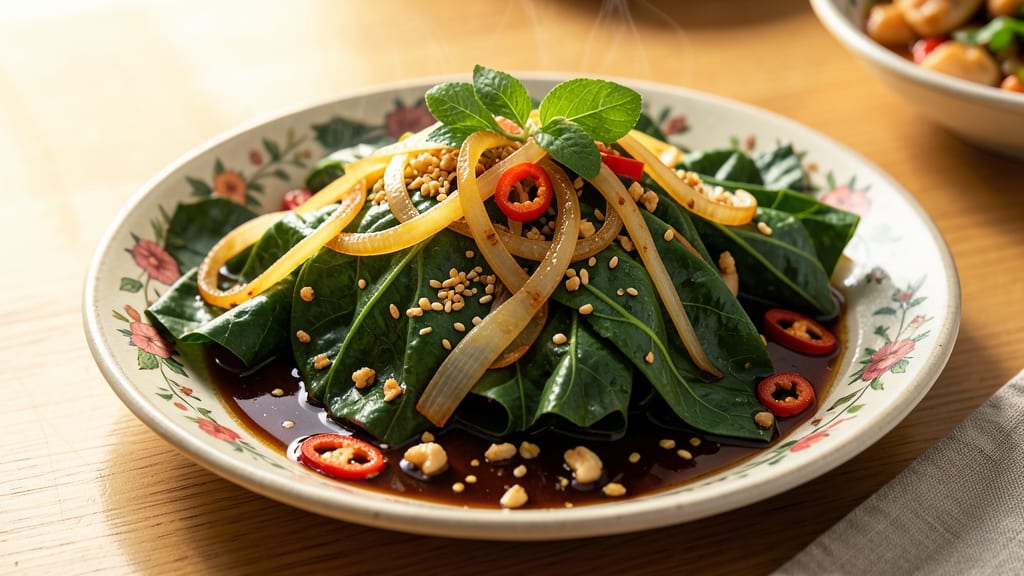
This Filipino sweet potato leaves recipe transforms humble greens into a garlicky, oil-packed side dish with earthy depth that pairs perfectly with rice or grilled meats.
The secret lies in proper blanching to soften the leaves while preserving their vibrant color, followed by a quick sauté with garlic, onions, and a touch of soy sauce for umami balance.
I first tasted this dish in a rural Filipino home, where it was served as a simple yet flavorful accompaniment to hearty meals.
What makes this recipe special is its versatility—it works as a vegetarian side or can be enhanced with shrimp or pork bits for extra richness. The key steps are washing the leaves thoroughly (they can be sandy), blanching them just until wilted, and finishing with a fragrant oil-garlic mixture.
This method ensures the greens stay tender yet retain their natural sweetness, which caramelizes slightly during cooking.
The result is a dish that’s bright, aromatic, and deeply satisfying—the perfect balance of savory, tangy, and slightly sweet flavors. The garlic and onions infuse the oil, creating a rich base that coats every leaf, while a splash of vinegar adds brightness.
Serve it warm alongside steamed rice and your choice of protein for a meal that feels both comforting and restaurant-quality.
Whether you're exploring Filipino flavors or simply looking for a new way to enjoy greens, this recipe delivers authentic taste with minimal effort. The ingredients are simple, and the process is straightforward, but the final dish carries the warmth of a home-cooked Filipino table. Let’s get started!
Ingredients for sweet potato leaves recipe filipino
Simple greens, bold flavors—just eight ingredients for a dish packed with Filipino authenticity.
| Ingredient | Amount | Notes |
|---|---|---|
| Sweet Potato Leaves (Kamote Leaves) 🥬 | 12 oz | Fresh, washed thoroughly |
| Yellow Onions 🧅 | 1 whole | Medium size, thinly sliced |
| Garlic Cloves 🧄 | 6 cloves | Fresh, minced finely |
| Vegetable Oil 🫒 | ½ cup | Neutral flavor preferred |
| Soy Sauce 🥄 | 2 tbsp | Regular or light variety |
| White Vinegar 🍋 | 1 tbsp | For brightness |
| Salt 🧂 | 1 tsp | Kosher or sea salt |
| Black Pepper 🌶️ | ¼ tsp | Freshly ground |
| Sugar 🍚 | ½ tsp | Adjust to taste |
| Green Onions 🧅 | 2 whole | Thinly sliced, for garnish |
Sweet potato leaves are the star here, and freshness is key. Look for vibrant green leaves at Asian markets or specialty grocery stores like H Mart or 99 Ranch Market—they often carry them pre-washed. If you can't find them, substitute with spinach or malunggay leaves, though the texture and flavor will differ slightly. The garlic and onions should be freshly minced—pre-minced jarred garlic lacks the aromatic punch. For the oil, vegetable or canola oil works best, but you can use any neutral oil you have on hand.
No sweet potato leaves? Spinach or Swiss chard will work in a pinch, though they won't have the same earthy sweetness. Swap regular soy sauce for coconut aminos if you're avoiding soy, but the umami balance will be different. The vinegar adds brightness—rice vinegar or apple cider vinegar are great alternatives. If you're feeling adventurous, add a dash of fish sauce (though this would make it non-vegetarian) for an extra layer of depth. For the sugar, palm sugar or coconut sugar adds a more authentic touch, but regular white sugar works just fine.
The blanched leaves keep for 2 days in the fridge if stored in an airtight container with a paper towel to absorb moisture. Reheat gently in a pan with a splash of water to revive their texture. For meal prep, blanch and store the leaves separately from the garlic-oil mixture, then combine just before serving to keep the flavors vibrant. This dish reheats beautifully—even better the next day as the flavors meld together. Garnish with green onions right before serving to add a fresh pop of color.
Why You'll Love This Recipe
- No-Chop Nightmare: I swear by this recipe on lazy nights—just wash the leaves, tear them (no knife needed), and toss them in. That’s it. Even my toddler could handle it.
- Umami Bomb: The soy sauce and garlic caramelize into something ridiculously good—salty, savory, with a hint of sweetness from the leaves. Honestly, it’s the kind of dish that makes you want to eat straight from the pan.
- Leftovers That Don’t Suck: This keeps for days in the fridge, and reheats like it’s fresh. Between us, I’ve had it cold in salads, fried again as a quick snack, or even blended into a soup. Versatile? Yes. Boring? Never.
- Pocketbook Hero: Sweet potato leaves grow wild in the Philippines—cheap, abundant, and packed with nutrients. A bunch costs next to nothing, and you’ll stretch it across meals. My wallet thanks me every time.
Step-by-step instructions for Filipino sweet potato leaves
Transform humble greens into a flavorful Filipino classic with this straightforward method.
Prepare the Sweet Potato Leaves
Begin by thoroughly washing the 12 oz sweet potato leaves (kamote leaves) under cold running water to remove any dirt or sand. I like to separate the leaves from the tougher stems, discarding the stems entirely. The leaves should be clean and free of debris—this ensures a pleasant texture in your dish. Lay them out on a clean kitchen towel and pat them dry completely. Any moisture left on the leaves will prevent them from crisping properly during cooking.
Next, cut the leaves into bite-sized pieces, roughly 2-inch sections. This size ensures even cooking and makes the leaves easier to eat. Place the chopped leaves in a large bowl and set aside. The leaves should look vibrant and fresh—this is your first indication that you're on the right track.
Sauté the Aromatics
Heat the 0.5 cup vegetable oil in a large skillet or wok over medium heat. Once the oil is shimmering but not smoking, add the 1 whole yellow onion, sliced thinly. Cook the onions for 3-4 minutes until they soften and begin to turn translucent. This step builds the flavor base for your dish—don't rush it, as the onions should caramelize slightly for maximum depth.
Add the 6 cloves garlic cloves, minced finely, to the skillet. Stir and cook for 1-2 minutes until the garlic becomes fragrant and just begins to turn golden. Be careful not to let it burn—garlic turns bitter quickly. The combination of onions and garlic should now fill your kitchen with a warm, inviting aroma, signaling that your aromatics are ready for the next step.
Season and Cook the Leaves
Increase the heat to medium-high and add the chopped sweet potato leaves to the skillet. Stir them gently to coat evenly with the onions and garlic. Cook for 2-3 minutes, allowing the leaves to wilt slightly. This initial cooking step helps release any bitterness and prepares the leaves to absorb the remaining flavors.
Pour in the 2 tbsp soy sauce and 1 tbsp white vinegar, stirring well to distribute the sauce evenly. Sprinkle in the 1 tsp salt, 0.25 tsp black pepper, and 0.5 tsp sugar. The vinegar adds brightness, while the sugar just slightly balances the flavors. Cook for an additional 3-4 minutes, stirring occasionally, until the leaves are tender but still retain a slight bite. You'll notice the leaves darken slightly and shrink in size—this is a good sign they're cooking properly.
Finish and Garnish
Once the leaves are tender, reduce the heat to low and continue cooking for another 1-2 minutes to allow the flavors to meld together. The leaves should be coated in a glossy, garlicky oil that clings to each piece. If the mixture seems too dry, add a splash of water—just enough to keep the leaves moist without diluting the flavors.
Remove the skillet from heat and transfer the sweet potato leaves to a serving dish. Garnish with the 2 whole green onions, sliced thinly. The green onions add a fresh, bright contrast to the rich, garlicky leaves. Serve immediately while the leaves are still warm and vibrant, ensuring every bite delivers that perfect balance of earthy greens and savory depth.
Pro Tips For Making Sweet Potato Leaves Recipe Filipino
- STEAM FIRST, STIR LATER: Sweet potato leaves wilt best when you start with a quick steam—toss them in a hot pan with a splash of water (just 2 tablespoons) and cover for 2 minutes. I learned this the hard way after burning the first batch trying to sauté dry leaves. The steam softens them faster, and you’ll save your pan from sticking like glue.
- CHOP ONIONS THIN: Skip the big chunks—slice those yellow onions paper-thin (almost translucent) for a dish that cooks in minutes, not hours. My grandmother swore by this, and she was right: thin onions caramelize instantly with the garlic, giving that deep, savory base the recipe needs. Use a sharp knife or mandoline if you’re impatient like me.
- SALT THE SOY SAUCE: Add a pinch of salt (about ¼ teaspoon) to your soy sauce before tossing it in. The leaves will taste flatter if you rely only on the soy’s saltiness—trust me, I’ve done it. This small tweak makes the flavors pop, especially if you’re using low-sodium soy sauce.
- WAIT FOR THE GARLIC: Don’t rush the garlic—let it sizzle until it’s golden (not brown) before adding the leaves. Burnt garlic turns bitter, and you’ll end up masking the natural earthy taste of the kamote leaves. Keep the heat medium-low here, and resist the urge to stir constantly.
Best sauces and condiments for sweet potato leaves recipe filipino
Garlic-Vinegar Oil Base
Start with a fragrant garlic-vinegar oil base that forms the heart of this dish. Heat 0.5 cup vegetable oil in a skillet over medium heat, then sauté 1 thinly sliced yellow onion for 3-4 minutes until soft.
Add 6 minced garlic cloves and cook for 1-2 minutes until golden but not burnt. This aromatic foundation is where the magic happens—white vinegar (1 tbsp) and soy sauce (2 tbsp) get added later to brighten and balance the flavors. 🌶️
The key here is low-and-slow cooking for the aromatics. Rushing this step burns the garlic, turning it bitter instead of sweet. I like to use freshly minced garlic—pre-minced lacks the punch.
For extra depth, add a pinch of salt (½ tsp) while cooking the onions to draw out moisture and enhance caramelization.
Soy-Vinegar Brightener
The soy sauce and vinegar combo is non-negotiable for authentic Filipino flavor. After adding the leaves, pour in 2 tbsp soy sauce for umami and 1 tbsp white vinegar for tang. The vinegar cuts through the richness of the oil and garlic, creating that signature bright finish.
For a vegetarian twist, use coconut aminos instead of soy sauce—it’s gluten-free and still delivers umami, though with a slightly sweeter profile.
Pro tip: If your vinegar is too sharp, balance it with ½ tsp sugar (or palm sugar for authenticity). The sugar caramelizes slightly during cooking, adding a subtle sweetness that rounds out the dish. Taste as you go—Filipino cooking relies on seasoning in layers, so adjust to your preference.
Umami Boosters
For a non-vegetarian version, stir in 2 tbsp shrimp paste (bagoong) or 1 tbsp fish sauce after adding the soy sauce. These ingredients add deep umami and are staples in Filipino cooking.
If you’re avoiding seafood, mushroom powder (½ tsp) or a splash of oyster sauce (1 tbsp) works as a vegetarian substitute. The leaves will absorb these flavors beautifully, making every bite more complex.
Another secret weapon? A dash of black pepper (¼ tsp) while cooking. It adds warmth and prevents the dish from tasting flat. For a spicy kick, toss in ½ tsp chili flakes or 1 sliced Thai chili in the final minute.
The heat contrasts perfectly with the earthy sweetness of the leaves.
Finishing Touches
Garnish with 2 sliced green onions right before serving—their freshness cuts through the richness. For a luxurious touch, drizzle with 1 tsp toasted sesame oil or sprinkle crushed roasted peanuts on top.
These additions elevate the dish from homestyle to restaurant-worthy without overpowering the natural flavors of the sweet potato leaves.
Serve immediately while the leaves are tender-crisp and coated in that fragrant oil. The dish reheats well, but the texture suffers slightly—best enjoyed fresh. Pair with steamed jasmine rice and a grilled protein like chicken or pork for a complete Filipino meal. 💛
Nutrition facts
Frequently asked questions
Can I substitute sweet potato leaves with other greens?
Yes! If you can't find sweet potato leaves, use spinach or Swiss chard as a substitute. For a closer flavor, try malunggay (moringa) leaves or kangkong (water spinach). However, the texture and earthy sweetness will differ slightly. Always wash greens thoroughly to remove dirt or sand before cooking.
How do I know when the sweet potato leaves are cooked properly?
The leaves are done when they're tender but still slightly crisp, with a vibrant green color that darkens slightly. They should wilt completely and shrink in size after 5-7 minutes of cooking. Overcooking makes them mushy—remove from heat just before they reach your desired tenderness.
Can I make this recipe without soy sauce?
For a vegetarian version, replace soy sauce with coconut aminos (gluten-free) or tamari. For umami depth without soy, try 1 tbsp oyster sauce + 1 tsp mushroom powder. The key is balancing the flavors with vinegar and sugar to maintain that bright, savory profile.
What's the best way to store leftovers?
Store cooked sweet potato leaves in an airtight container in the fridge for up to 3 days. Reheat gently in a pan with a splash of water to revive their texture. For longer storage, freeze blanched leaves separately from the garlic-oil mixture—combine just before reheating. The flavors actually improve overnight!
Why does my dish taste bitter?
Bitterness usually comes from overcooking the garlic or using old leaves. Always cook garlic over medium heat until golden but not browned. For leaves, blanch them first (1-2 minutes in boiling water) to remove bitterness before sautéing. Fresh, vibrant leaves should taste mild and slightly sweet when raw.