
Side Dishes
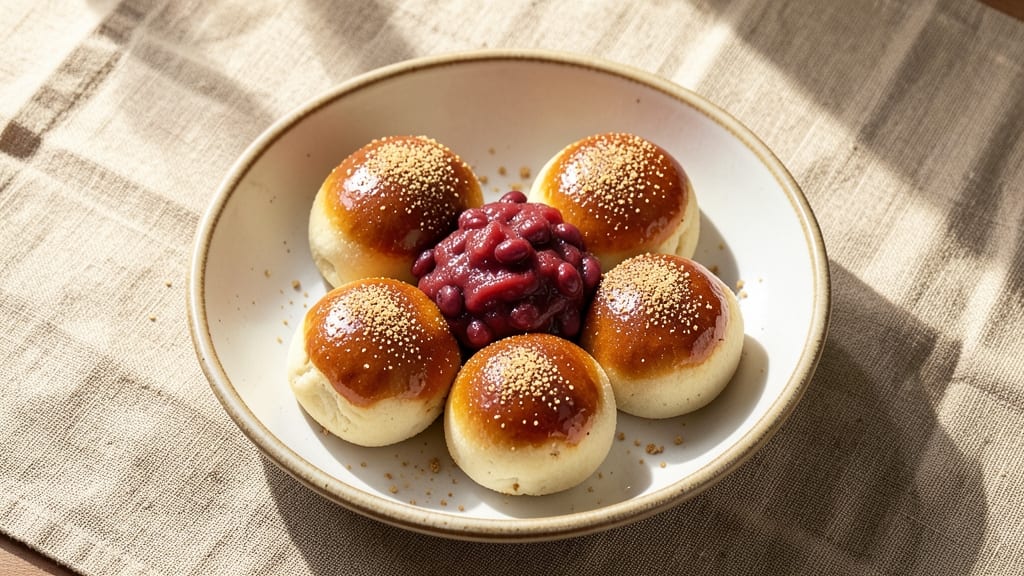
This sweet potato manju recipe delivers the perfect balance of soft, chewy texture and warm, comforting flavors—each bite is a tender cloud of sweet potato dough wrapped around rich red bean paste.
The secret lies in the dough’s delicate preparation: blending steamed sweet potato with rice flour and sugar creates a pillowy, melt-in-your-mouth consistency that’s both satisfying and elegant. Unlike store-bought versions, homemade manju stays soft for hours, making it ideal for gift-giving or special occasions.
Traditional techniques ensure authenticity without complexity—steaming the dough in a bamboo mold (or shaped by hand) gives that signature dimpled surface, while the red bean filling adds a deep, earthy sweetness that complements the sweet potato’s natural caramel notes.
The process is methodical but rewarding: from grating the sweet potato to shaping the dough, each step builds toward a dish that’s both nostalgic and refined.
What makes this recipe stand out is its versatility. Serve them warm with a dusting of kinako (roasted soybean flour) for a nutty contrast, or chill them for a lighter snack.
The dough’s subtle sweetness pairs beautifully with tea or coffee, making these manju perfect for brunch, desserts, or festive gatherings. With just a few ingredients and simple tools, you’ll achieve restaurant-quality results that taste like homemade love.
The filling can be customized—try black sesame paste for a nutty twist or matcha-infused red bean for a vibrant green hue. Once mastered, this recipe becomes a staple for celebrations, offering a taste of Japan’s comforting traditions in every bite. Let’s get started!
Ingredients for sweet potato manju
Twelve ingredients transform into delicate, pillowy manju with authentic Japanese texture and flavor.
| Ingredient | Amount | Notes |
|---|---|---|
| Japanese Sweet Potatoes (Satsumaimo) 🍠 | 2 lbs | Medium-sized, peeled and grated |
| Rice Flour 🌾 | 2 cups | Fine grind for smooth texture |
| Granulated Sugar 🍚 | ¾ cup | Adjust for sweetness preference |
| Red Bean Paste (Anko) 🌱 | 1 ½ cups | Store-bought or homemade |
| Kinako (Roasted Soybean Flour) 🌿 | ¼ cup | For dusting, optional but recommended |
| Water 💧 | ½ cup | Room temperature preferred |
| Vegetable Oil 🫒 | 1 tbsp | For greasing molds |
| Bamboo Steaming Mold (Manju Mold) 🍶 | 1 whole | Or use silicone molds |
| Matcha Powder 🍵 | 1 tsp | Optional for green variation |
| Black Sesame Paste 🥜 | ½ cup | Alternative filling option |
| Salt 🧂 | ½ tsp | Fine sea salt preferred |
| Cornstarch 🌾 | 1 tbsp | For dusting molds |
The Japanese sweet potatoes are the heart of this recipe—Satsumaimo (not regular sweet potatoes) yields the perfect balance of sweetness and moisture. Look for them at Asian grocery stores like H Mart or 99 Ranch Market, where they’re typically sold pre-peeled and ready to grate. If unavailable, regular sweet potatoes work in a pinch, though they’ll be slightly less sweet. For the rice flour, Bob’s Red Mill brand is a reliable choice, but any fine rice flour will do. The red bean paste (anko) should be smooth and slightly sweet—Mae Kawa brand is widely available and consistently high quality. If you’re feeling adventurous, you can make your own anko by simmering azuki beans with sugar until they break down into a paste, but store-bought saves time without sacrificing quality.
No bamboo mold? Silicone manju molds or even greased muffin tins work beautifully. For the kinako, Marukome is a trusted brand, though any roasted soybean flour will add that nutty depth. Customizing the filling? Matcha powder from Matcha Kari or Ippodo adds vibrant color, while black sesame paste from Trader Joe’s offers a nutty twist. The dough’s texture relies on precise ratios—don’t substitute all-purpose flour, as it lacks the delicate chew. For a vegan option, ensure your anko is made without honey (most commercial versions are already vegan). If you’re short on time, pre-made mochi dough can be used, though homemade yields superior results. The cornstarch is key for preventing sticking—Bob’s Red Mill or Anthony’s brands work well.
Freshly made manju are best enjoyed warm, but they’ll keep at room temperature for up to 2 days in an airtight container. For longer storage, freeze them for 1 month—thaw at room temperature before serving. The dough can be prepped ahead and refrigerated for up to 3 days, though it’s best used fresh. Dusting with kinako just before serving adds a professional touch. These make fantastic gifts—wrap in parchment paper and tie with twine for a festive presentation. For a modern twist, serve with whipped coconut cream or vanilla ice cream to balance the sweetness.
Why You'll Love This Recipe
- No-Bake Magic: I swear by this recipe when I’m too tired to turn on the oven. Just steam the satsumaimo, mix the rice flour batter, and spoon in the anko—no frying, no waiting for dough to rise. The steam method keeps it tender without a single drop of oil.
- Sweet & Earthy Combo: That first bite? Crispy edges hugging a pillowy center, all while the anko’s deep sweetness plays off the nutty kinako dusting. Honestly, it’s the kind of flavor balance that makes you pause mid-bite—like dessert and comfort food had a baby.
- Party in a Bite: I’ve served these at tea parties, kids’ birthday tables, and even as a fancy-ish snack for guests. The small size means no one feels overwhelmed, and the kinako adds that just-right earthy touch that feels special without being fussy.
- Leftovers? More Like Zero: Between us, these disappear fast—but if any linger, they reheat beautifully in a dry pan or microwave. And since satsumaimo lasts weeks in the fridge, I’m never scrambling for last-minute ingredients. Budget-friendly? Absolutely. Stress-free? Even better.
Step-by-step instructions for sweet potato manju
Here's how to craft delicate, pillowy mochi bites with a rich sweet potato center—precision matters at every stage.
Prepare the Sweet Potato Dough
In a large mixing bowl, combine the 2 lbs grated Japanese sweet potatoes (Satsumaimo) with the 2 cups rice flour, 0.75 cup granulated sugar, 0.5 tsp salt, and 0.5 cup water. Use your hands to knead the mixture vigorously for 5-7 minutes until it forms a smooth, elastic dough. The texture should resemble wet sandpaper—if it's too sticky, add 1 tablespoon cornstarch at a time until pliable.
This kneading step is critical for developing gluten strands that give manju their signature chewy-yet-pillowy texture. Cover the bowl with plastic wrap and let the dough rest for 30 minutes at room temperature. The rest allows the starches to hydrate fully, preventing cracks during steaming.
Shape and Fill the Manju
Grease the bamboo steaming mold thoroughly with 1 tablespoon vegetable oil, then dust lightly with kinako (roasted soybean flour). Divide the rested dough into 12 equal portions (about 1.5 ounces each) and roll each into a 2-inch ball. Press the center of each ball to create a shallow well.
Fill each well with 1 tablespoon red bean paste (anko) or black sesame paste—press gently to secure. For matcha variation, dust the mold with 1 teaspoon matcha powder before shaping. Seal the dough completely around the filling, ensuring no gaps. The key is gentle pressure—overhandling can pop the filling during steaming.
Steam to Perfect Pillowy Texture
Arrange the shaped manju into the greased mold, pressing lightly to create crisp edges. Place the mold in a steamer basket over 1 inch of boiling water (ensure water doesn't touch the bottom). Cover and steam over medium-high heat for 12-15 minutes until the edges turn opaque and slightly golden, and the centers feel springy when pressed.
Resist the urge to peek—the escaping steam is your indicator. If the water level drops below ½ inch, add more boiling water. Remove the mold from heat immediately and let sit for 5 minutes before unmolding. This resting period prevents collapse and allows residual steam to set the texture.
Dust and Serve Warm
Gently transfer the manju to a wire rack and dust immediately with kinako (roasted soybean flour) using a fine-mesh sieve. The dusting adds aroma and prevents sticking. Serve warm for the best texture—each bite should offer a contrast of silky exterior, moist sweet potato center, and intensely flavored filling. For storage, keep in an airtight container for up to 3 days at room temperature.
Pro Tips For Making Sweet Potato Manju
- STEAM THE POTATOES UNTIL TENDER: I learned this the hard way—overcooking turns them mushy, but undercooked ones taste raw. Cut them into 1-inch cubes, steam for 12-15 minutes until a knife slides in like butter, then cool completely before mashing. No half-measures here: squish a piece between your fingers to test.
- SIFT THE RICE FLOUR: This isn’t just about avoiding lumps—it’s about texture. Sift the rice flour twice with the sugar before mixing, especially if you’re using store-bought flour that’s been sitting in your pantry. A fine, airy batter means lighter, pillowy manju that doesn’t turn into dense pancakes.
- DON’T OVERFILL THE MOLDS: I used to pack the anko like I was stuffing a burrito, and half the filling oozed out when I flipped them. Fill the molds no more than ¾ full—press the anko gently, then tap the mold to settle it. Overstuffed manju flattens and loses that perfect wobble.
- REST THE BATTER 30 MINUTES: Sounds weird, but it works: let the mixed batter sit while you prep the pan. The rice flour absorbs moisture and the sugar dissolves fully, so your manju won’t crack when frying. Pro move: cover it loosely with plastic wrap—keeps it from drying out while you wait.
Wine and beer pairings for sweet potato manju
Japanese Sake Pairings
For an authentic experience, pair your sweet potato manju with a dry junmai sake like Dassai 23—its crisp, clean profile highlights the sweet potato’s natural caramel notes without overpowering the delicate dough.
A chilled nigori sake (unfiltered) adds a creamy texture that mirrors the manju’s pillowy consistency, while the slight sweetness complements the red bean filling beautifully. 🍶
Green Tea Harmony
Matcha lovers will adore pairing these with sencha green tea—its vegetal notes and subtle bitterness create a perfect contrast to the sweet potato’s richness. For a bolder match, try gyokuro, a shade-grown tea with deep umami flavors that enhance the earthy sweetness of the anko filling.
Serve both at room temperature to let their natural aromas shine.
Light White Wine Options
A dry Riesling from Germany, like Dr. Loosen Blue Slate, brings bright acidity that cuts through the manju’s sweetness while emphasizing the sweet potato’s floral undertones.
For a lighter option, Albariño from Spain offers citrusy freshness that pairs wonderfully with the kinako dusting. Chill both wines to 45-50°F for optimal balance.
Coffee Contrast
If you prefer coffee, a lightly roasted Japanese coffee (like Kagoshima’s Blue Mountain blend) creates a stunning contrast—the manju’s sweetness enhances the coffee’s nutty, toasty notes.
For a modern twist, try a cold brew with a hint of vanilla, which mirrors the manju’s natural sweetness while adding a creamy texture.
Seasonal Adaptations
In summer, pair with a sparkling yuzu soda—its citrusy tang refreshes the palate after each bite. For winter, a warm, spiced sake cocktail (with cinnamon and star anise) complements the manju’s cozy, comforting flavors.
The key is balancing sweetness with acidity or warmth to keep each bite feeling fresh. ✨
Nutrition facts
Frequently asked questions
Can I substitute regular sweet potatoes for Japanese sweet potatoes?
You can try, but Japanese sweet potatoes (Satsumaimo) are sweeter and creamier, which gives manju their signature texture. Regular sweet potatoes are starchier and less sweet, so your manju may taste less rich and could become gummy. If you must substitute, use orange-fleshed sweet potatoes and reduce sugar by 1-2 tablespoons to balance the flavor.
What if my dough cracks during steaming?
Cracking usually happens when the dough isn't rested long enough or the steaming time is too long. Let the dough rest for the full 30 minutes before shaping, and steam for exactly 12-15 minutes. If cracks appear, cover with extra dough or dust with kinako immediately after steaming to hide them. Oversteaming is the biggest culprit—remove them as soon as edges are opaque!
How do I make manju without a bamboo mold?
No bamboo mold? No problem! Use a silicone manju mold or even a greased muffin tin. For free-form manju, roll the dough into 1-inch balls, flatten slightly, add filling, and seal. Steam for 10-12 minutes—they’ll be slightly irregular but just as delicious. Dust with kinako before serving for that classic touch.
Can I bake manju instead of steaming?
Yes, but texture will differ slightly. Preheat oven to 350°F and bake for 18-20 minutes on a parchment-lined tray. Baked manju will be denser and less pillowy, but still tasty! For best results, brush with a little water before baking to help steam the dough. They’ll brown faster than steamed versions, so keep an eye on them.
How do I store leftover manju?
Store in an airtight container at room temperature for up to 3 days. For longer storage, freeze for 1 month—thaw overnight in the fridge. Reheat briefly in the microwave (10-15 seconds) to restore softness. Avoid refrigerating fresh manju, as it makes them dry out faster. Dust with kinako before serving to revive texture!