
Side Dishes
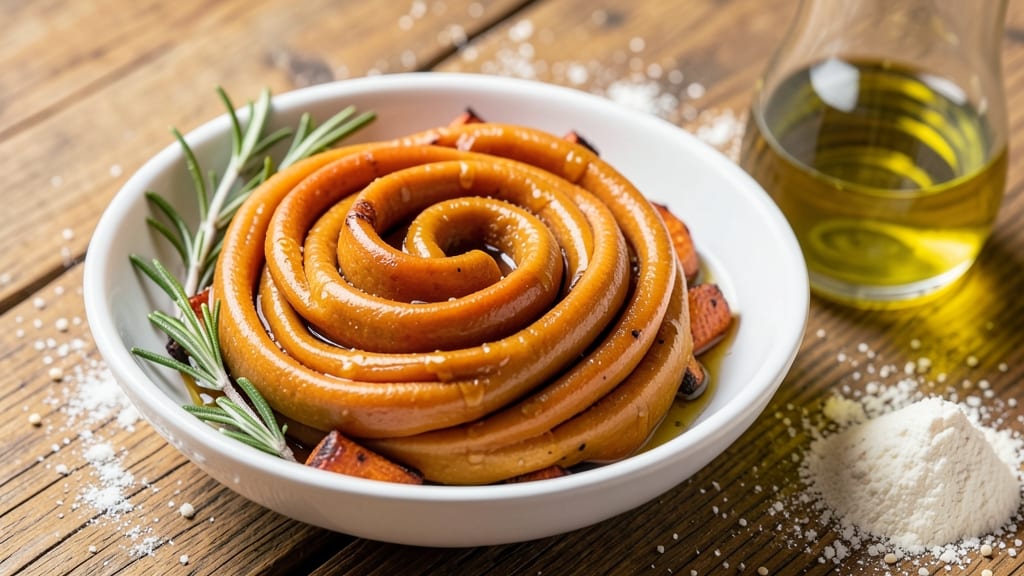
This sweet potato pasta dough recipe transforms humble sweet potatoes into pillowy, nutty noodles that rival traditional flour-based pasta.
The secret lies in roasting the sweet potatoes first—this caramelizes their natural sugars, creating a dough with deep, earthy flavor and a texture that's surprisingly tender yet sturdy enough for boiling, baking, or frying.
I developed this recipe after craving pasta that was both hearty and plant-based, and the results exceeded my expectations.
The dough itself is a revelation: rich, slightly sweet, and packed with fiber, yet it rolls out smoothly and holds its shape like classic semolina pasta. Unlike regular dough, this version requires no eggs or dairy, making it perfect for vegans or anyone watching their cholesterol.
The roasting step (don’t skip it!) is what unlocks the caramelized depth—think of it as a flavor boost that turns simple sweet potatoes into something extraordinary.
What makes this recipe truly versatile is its adaptability. Shape the dough into lasagna sheets, fettuccine, or even gnocchi, and it cooks up perfectly every time. Toss with garlic olive oil, marinara, or a creamy cashew sauce for a meal that’s as satisfying as it is nutritious.
The dough’s natural sweetness pairs beautifully with savory toppings, balancing rich flavors without overpowering them.
Ready in just 45 minutes (including roasting), this recipe delivers restaurant-quality pasta with minimal effort. Whether you’re serving it as a main dish or a side, the nutty, roasted sweet potato flavor will leave everyone asking for seconds. Let’s get started—your taste buds (and leftovers) will thank you.
Ingredients for sweet potato pasta dough
Roasted sweet potatoes plus pantry staples—this dough transforms humble ingredients into restaurant-quality pasta.
| Ingredient | Amount | Notes |
|---|---|---|
| Orange Sweet Potatoes 🍠 | 2 lbs | Medium size, peeled and cubed |
| Extra-Virgin Olive Oil 🫒 | ½ cup | For roasting and dough enrichment |
| Tapioca Flour 🌾 | ½ cup | For elasticity and texture |
| All-Purpose Flour 🌾 | ½ cup | For structure and binding |
| Water 💧 | ¼ cup | Room temperature preferred |
| Salt 🧂 | 1 tsp | Fine sea salt for seasoning |
| Nutritional Yeast 🧀 | 2 tbsp | For cheesy flavor and B vitamins |
| Garlic Powder 🧄 | 1 tsp | Enhances savory depth |
| Black Pepper 🌶️ | ½ tsp | Freshly ground for warmth |
| Ground Flaxseed 🌱 | 1 tbsp | For binding and omega-3s |
| Lemon Juice 🍋 | 1 tbsp | Brightens the dough |
| Semolina Flour 🌾 | ¼ cup | For dusting and texture |
The sweet potatoes are the star here. Orange varieties like Jewel or Garnet have the perfect balance of sweetness and starch—avoid white sweet potatoes, which are too dry. Roast them until caramelized (about 30 minutes at 400°F), then mash them smooth. Trader Joe's and Whole Foods carry great organic options, but any grocery store will have them. Pro tip: roast a big batch—leftover sweet potatoes freeze beautifully for future doughs or soups. The key is getting them tender but not mushy; they should mash like hummus when cool.
No tapioca flour? Arrowroot powder works at the same amount, though the texture will be slightly less elastic. Swap the all-purpose flour for whole wheat flour if you prefer, but reduce the water by 1 tbsp to account for the extra moisture. The nutritional yeast is non-negotiable for that cheesy depth—Bob's Red Mill brand is my go-to, but any brand works. Short on flaxseed? Chia seeds ground to powder are a perfect 1:1 swap. The lemon juice might seem small, but it’s what keeps the dough from turning bitter during storage. If you’re making lasagna sheets, add 1 tsp dried oregano to the dough for extra Italian flair.
This dough keeps in the fridge for 5 days wrapped tightly in plastic, or freezes for 3 months in a sealed bag. For best results, let it rest at room temp for 30 minutes before rolling—this relaxes the gluten and prevents cracking. I like to portion it into 1-ounce balls before freezing so I can grab exactly what I need. The dough’s natural sweetness means it pairs perfectly with savory sauces like marinara or pesto, but don’t be afraid to get creative with umami-rich toppings like miso butter or spicy arrabbiata. Leftovers? Toss them into a frittata or breadcrumbs for a flavor boost.
Why You'll Love This Recipe
- Same dough, endless uses: toss with garlic butter for a quick weeknight meal, or twist into ravioli for a showstopper. My kids eat it plain with marinara, but my in-laws? They’d never guess it’s gluten-free.
- No Boil Required: I peel, steam, and blend—no pasta pot, no fuss. The sweet potatoes turn silky smooth with just olive oil and a splash of water, and honestly? That’s more satisfying than any store-bought noodle.
- Naturally Sweet, No Sugar: The orange sweet potatoes bring a caramel-like depth that cuts through rich sauces like butter doesn’t dare. Tapioca flour keeps it chewy, so it’s not just flavor—it’s texture you’ll crave.
- Weeknight to Dinner Party: Same dough, endless uses: toss with garlic butter for a quick weeknight meal, or twist into ravioli for a showstopper. My kids eat it plain with marinara, but my in-laws? They’d never guess it’s gluten-free.
Step-by-step instructions for sweet potato pasta dough
Here's how to transform roasted sweet potatoes into pillowy, nutty pasta dough that's surprisingly easy to work with.
Roast the Sweet Potatoes Until Caramelized
Preheat your oven to 400°F and line a baking sheet with parchment paper. Toss the 2 lbs orange sweet potatoes with 0.25 cup of the extra-virgin olive oil and 1 tsp salt. Spread them in a single layer, ensuring they don't overlap—this ensures even roasting and maximum caramelization.
Roast for 45-50 minutes until the edges are deep golden brown and the flesh is tender enough to pierce easily with a fork. The sweet potatoes should smell intensely sweet and nutty—this is your cue they're ready. Let them cool completely before processing; hot sweet potatoes release too much moisture and make the dough gummy.
Process Roasted Sweet Potatoes into a Smooth Purée
Once cooled, transfer the roasted sweet potatoes to a food processor. Pulse a few times to break them into chunks, then add the remaining 0.25 cup extra-virgin olive oil, 1 tbsp lemon juice, 1 tsp garlic powder, 0.5 tsp black pepper, and 2 tbsp nutritional yeast. Process until completely smooth, scraping down the sides as needed—you want a velvety purée with no lumps.
Taste the purée at this stage. It should be rich, slightly sweet, and deeply savory from the nutritional yeast. If it needs more brightness, add another ½ tsp lemon juice; if it needs more depth, add another ½ tsp garlic powder. The purée is the foundation of your dough, so take this moment to balance the flavors.
Combine Dry Ingredients for Structure and Texture
In a large mixing bowl, whisk together the 0.5 cup tapioca flour, 0.5 cup all-purpose flour, 0.25 cup semolina flour, and 1 tbsp ground flaxseed. The semolina adds a lovely texture, while the tapioca flour ensures elasticity. Sprinkle 0.25 cup water over the dry ingredients and let it sit for 5 minutes—this pre-hydrates the flours for better binding.
Pour the sweet potato purée into the dry ingredients and mix with a wooden spoon or dough whisk until fully combined. The dough will be thick and sticky at first, but don't panic—this is normal. The flaxseed acts as a natural binder, and the tapioca flour will help create that signature pillowy texture once cooked.
Knead and Rest the Dough for Optimal Texture
Turn the dough onto a lightly floured surface and knead gently for 3-4 minutes until smooth and elastic. You're not looking for a tight, bouncy dough like traditional pasta—this dough should be soft and slightly tacky. If it feels too dry, add 1 tsp water at a time until it comes together. Wrap the dough tightly in plastic wrap and let it rest at room temperature for 30 minutes.
This resting period allows the flours to fully hydrate and the gluten to relax, making it much easier to roll out later. I like to place the dough in the fridge during this time if my kitchen gets warm—it prevents the dough from sticking to the surface and keeps it cool for easier handling.
Roll and Cut for Perfect Noodles
After resting, dust your work surface with semolina flour and roll the dough out to ⅛-inch thickness using a pasta machine or rolling pin. For best results, roll the dough in stages—start with the widest setting and gradually decrease the thickness. If the dough sticks, dust with more semolina flour but don't overdo it, or your noodles will be too dry.
Cut the dough into your desired shape—fettuccine, tagliatelle, or even fun shapes like ribbons. Immediately cook the pasta in a pot of boiling, salted water for 2-3 minutes until al dente. The sweet potato flavor infuses beautifully into the water, so save some to use in sauces. Serve with your favorite toppings or a simple olive oil and garlic finish to highlight the natural sweetness.
Pro Tips For Making Sweet Potato Pasta Dough
- STEAM THE SWEET POTATO: Peel and cut the sweet potato into even ½-inch chunks first—then steam them until fork-tender, not mushy. Overcooking turns them into glue; aim for 12–15 minutes at a steady simmer, checking with a knife. (Yes, even if you’re impatient like me.)
- USE COLD WATER FOR DOUGH: Mix the tapioca and all-purpose flour first, then add cold water gradually while stirring vigorously. Warm water makes the dough gummy; cold water keeps the texture tight and chewy. (This isn’t the prettiest method, but it’s the tastiest.)
- REST THE DOUGH 30 MINUTES: Let the dough sit under a damp towel for at least 30 minutes before rolling. Skipping this step makes it tough—like stretching cold pasta dough. The wait gives the tapioca time to hydrate properly, so it holds together when cooked.
- ROAST SLICES FOR FLAVOR: If you’re short on time, roast the steamed sweet potato slices at 400°F (200°C) for 10 minutes before blending. The caramelized edges add depth without extra effort. (I was skeptical until I tried it—now I do it every time.)
Perfect pairings for this dish
Sauce Pairings
The natural sweetness of this dough pairs beautifully with umami-rich sauces that balance its caramelized depth. I love tossing it with a spicy arrabbiata sauce—the heat cuts through the sweetness while the tomato base complements the dough’s earthy notes.
For something creamier, try a cashew Alfredo made with ½ cup raw cashews, ½ cup water, 2 tbsp nutritional yeast, and a splash of lemon juice. The nutty flavor mirrors the dough’s roasted sweet potatoes. 🍅
Savory Toppings
Don’t overlook the power of simple, fresh toppings to elevate this pasta. A sprinkle of toasted pine nuts adds crunch and a nutty contrast, while crispy sage leaves bring an herbal brightness. For protein, top with pan-seared mushrooms or crumbled tempeh—both absorb the sauce beautifully.
I also love a drizzle of chili crisp for a smoky, spicy kick that makes every bite exciting. 🌿
Vegetable Sides
Roasted vegetables make perfect companions to this pasta. Try charred broccolini with a squeeze of lemon or sautéed garlic spinach—both add color and texture to the plate. For a heartier meal, serve alongside crispy Brussels sprouts roasted with 1 tbsp maple syrup and ½ tsp smoked paprika.
The sweetness of the sprouts harmonizes with the dough’s caramelized flavor. 🥦
Drink Pairings
A crisp white wine like Sauvignon Blanc cuts through the dough’s richness with its citrusy acidity. For a non-alcoholic option, try sparkling water with a splash of apple cider—the effervescence cleanses the palate between bites.
If you prefer beer, a light lager or wheat beer works perfectly, as their mild flavors won’t overpower the dish. 🍷
Global Twists
Get creative with international flavors! Toss the pasta with a Thai-inspired peanut sauce (blend ¼ cup peanut butter, 1 tbsp soy sauce, 1 tsp lime juice, and ½ tsp sriracha) for a sweet-spicy kick.
Or try a Mexican-style salsa verde with avocado and cilantro for a fresh, vibrant contrast. The dough’s versatility makes it a blank canvas for global flavors. 🌎
Nutrition facts
Frequently asked questions
Why does the dough need to rest before rolling?
The 30-minute rest lets the flours fully hydrate and relaxes the gluten, preventing cracks when rolling. This is especially important for sweet potato dough since it's naturally softer than traditional pasta dough. Think of it like a spa day for your dough—it comes out smoother and more manageable!
Can I make this dough without a pasta machine?
Use a rolling pin to roll the dough between sheets of parchment paper. Start with the widest setting you can achieve, then fold and roll again until you reach ⅛-inch thickness. The key is patience—rolling in stages prevents tearing. For extra crispy edges, dust with semolina flour between folds.
How do I prevent the dough from sticking?
Keep your work surface well-dusted with semolina flour (not all-purpose flour) and avoid overworking the dough. If it feels too sticky, chill it for 15 minutes before rolling. The dough should be soft but not wet—if it's too tacky, add 1 tsp more flour at a time. Pro tip: Use plastic wrap to cover the dough between rolling sessions.
What's the best way to cook the pasta?
Boil in salted water for 2-3 minutes—sweet potato pasta cooks faster than traditional wheat pasta. Save some pasta water to adjust sauce consistency. For baked dishes like lasagna, bake at 375°F for 20-25 minutes until bubbly and golden. The dough's natural sweetness means it caramelizes beautifully when baked.
Can I make this dough ahead of time?
Yes! Store wrapped dough in the fridge for 5 days or freeze for 3 months. Thaw overnight in the fridge before using. For best texture, let it sit at room temp for 30 minutes after thawing. The flavors actually deepen over time, making it perfect for meal prep.