
Side Dishes
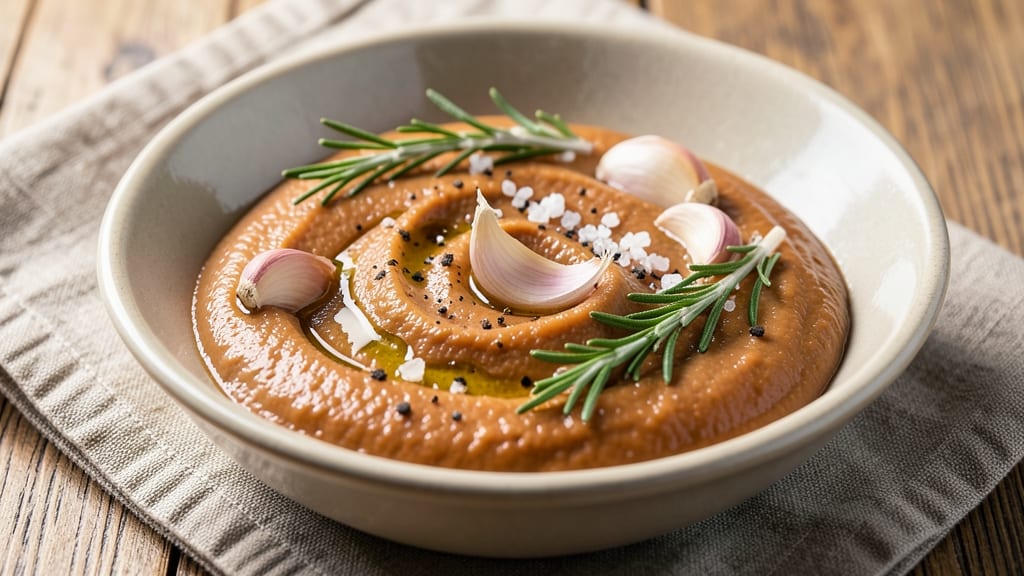
This sweet potato paste recipe transforms humble sweet potatoes into a velvety, versatile thickener that elevates soups, stews, and sauces with natural depth. Roasting the potatoes first caramelizes their sugars, creating a rich, spreadable base that blends seamlessly into recipes.
The process is straightforward—just roast, blend, and season—but the results are professional-grade, with a smooth texture and subtle sweetness that enhances savory dishes without overpowering them.
The beauty of this paste lies in its adaptability. Use it as a thickener for hearty soups, a flavorful glaze for roasted meats, or even a spread for sandwiches and toast. Unlike store-bought pastes, this version is free of additives and packed with natural sweetness and fiber.
A little goes a long way—just stir in a spoonful at the end of cooking to achieve the perfect consistency without altering the dish’s balance.
What sets this recipe apart is its shelf stability. The paste keeps well in the refrigerator for up to two weeks or can be frozen for months, making it a pantry staple for quick flavor boosts.
The roasting step deepens the sweet potato’s natural flavors, while a touch of garlic and olive oil adds savory complexity. Whether you’re thickening a stew or adding richness to a marinade, this paste delivers restaurant-quality results at home.
Beyond its culinary uses, this paste is a nutrient powerhouse. Sweet potatoes are rich in vitamin A, fiber, and antioxidants, so every spoonful adds both flavor and nutrition. The blending technique ensures a silky texture, ideal for drizzling over roasted vegetables or mixing into mashed potatoes.
Ready to transform your cooking with this one simple ingredient? Let’s get started.
Ingredients for sweet potato paste
Seven ingredients transform roasted sweet potatoes into a velvety, restaurant-quality thickener for soups and stews.
| Ingredient | Amount | Notes |
|---|---|---|
| Orange Sweet Potatoes 🍠 | 2 lbs | Medium-sized, peeled and cubed |
| Extra-Virgin Olive Oil 🫒 | ¼ cup | High-quality, fruity variety |
| Garlic Cloves 🧄 | 4 cloves | Peeled and minced |
| Sea Salt 🧂 | 1 ½ tsp | Diamond Crystal preferred |
| Black Pepper 🌶️ | ½ tsp | Freshly ground |
| Fresh Rosemary 🌿 | ¼ cup | Chopped, stems removed |
| Water 💧 | ¼ cup | For blending consistency |
The sweet potatoes are the foundation—orange varieties have the perfect balance of sweetness and starch. Trader Joe's or Whole Foods carry the best quality, with vibrant flesh and no green spots. Look for medium-sized tubers; they roast evenly and yield a smooth paste. The key is roasting until caramelized—400°F for 45-50 minutes—which deepens their natural sugars and creates that professional-grade texture. Fresh rosemary adds aromatic depth, but dried works at one-third the amount if you're in a pinch.
No extra-virgin olive oil? Avocado oil or refined olive oil maintains the same neutral flavor profile. The garlic can be roasted with the sweet potatoes for a sweeter, mellow flavor—simply toss it in the olive oil before roasting. For a more robust paste, add 1 tsp smoked paprika to the blend. Storage is simple: transfer to an airtight container, where it keeps for 2 weeks refrigerated or 6 months frozen. Portion into ice cube trays before freezing for easy single-use servings.
This paste is a game-changer for thickening—1 tbsp per cup of liquid achieves the perfect consistency without altering the dish’s flavor. It reheats beautifully, making it ideal for batch cooking. The roasted flavor intensifies over time, so older paste has richer depth. For a smoother texture, strain through a fine-mesh sieve after blending. Use it in everything from velvety stews to glazy roasted vegetables—just stir in at the end to preserve its velvety texture.
Why You'll Love This Recipe
- Five-Ingredient Magic: I swear by this recipe because it’s that simple—just roast the sweet potatoes until tender, blend with olive oil and garlic, and boom. No peeling, no chopping, no stress. The only tool you’ll need is a food processor, and honestly? I own mine for this exact reason.
- Umami Bomb: That caramelized sweet potato meets roasted garlic? It’s like a flavor hug. The olive oil keeps it rich but not heavy, while the pepper adds this little kick that makes it impossible to stop eating. I’ll be real: I’ve eaten it straight from the jar with a spoon.
- Pantry Stretch: This paste is my secret weapon for stretching meals. Toss it into scrambled eggs, mix it into pasta sauce, or slather it on toast—it disappears fast. I made a whole batch last weekend and still have half left because it works everywhere.
- Budget Flex: Sweet potatoes are cheap, olive oil lasts forever, and garlic? You already have it. This recipe costs me pennies per serving but tastes like I spent hours in the kitchen. Plus, it keeps for weeks in the fridge, so I’m always covered without breaking the bank.
Step-by-step instructions for sweet potato paste
Transform humble sweet potatoes into a rich, velvety paste perfect for elevating soups and stews.
🍳 Step 1: Roast the Sweet Potatoes Until Caramelized
Preheat your oven to 400°F and line a baking sheet with parchment paper. Arrange the 2 lbs orange sweet potatoes in a single layer, ensuring they have space to roast evenly without crowding. Drizzle with 0.25 cup extra-virgin olive oil and toss gently to coat, using your hands to distribute the oil evenly over each cube.
Roast for 30-35 minutes, flipping halfway through, until the edges are deeply caramelized and a knife slides in easily with minimal resistance. The sweet potatoes should yield slightly when pressed but still hold their shape. This roasting step develops their natural sweetness and creates a smooth texture when blended.
I like to test doneness by piercing a cube with a knife—if it comes out clean with just a few stubborn threads, it's perfect. Remove from the oven and let cool for 10 minutes before handling, as the cubes will be extremely hot.
👨🍳 Step 2: Build the Flavor Base with Aromatics
While the sweet potatoes cool, heat a medium skillet over medium-low heat and add 4 cloves minced garlic. Sauté for 1-2 minutes until fragrant but not browned—garlic burns quickly, so keep an eye on it. Remove from heat and let cool slightly.
In a separate bowl, combine the cooled garlic with 0.25 cup chopped fresh rosemary, 1.5 tsp sea salt, and 0.5 tsp freshly ground black pepper. This aromatic blend will infuse the paste with layers of flavor that complement the earthy sweetness of the roasted potatoes.
I always taste this mixture at this stage—it should have a bright, herbal punch with a hint of saltiness. If it needs more depth, add a pinch of salt or an extra pinch of pepper, but the initial measurements are precise for balance.
🥘 Step 3: Blend to Silky Perfection
Transfer the roasted sweet potatoes to a high-powered blender or food processor. Add the garlic-rosemary mixture and 0.25 cup water to the blender. The water is crucial—it helps create a smooth, spreadable consistency without making the paste watery.
Blend on high speed for 2-3 minutes, stopping occasionally to scrape down the sides with a spatula. You're aiming for a texture that's thick enough to coat the back of a spoon but still spreadable—like hummus but with the depth of roasted sweet potatoes. If it's too thick, add 1 tablespoon water at a time until you reach the desired consistency.
This is where patience pays off. The blend should be completely smooth with no visible chunks. If you're using a less powerful blender, you might need to pulse in short bursts to prevent overheating the motor.
⏰ Step 4: Rest and Adjust for Ideal Texture
Transfer the blended paste to a heatproof bowl and let it sit at room temperature for 10-15 minutes. This resting period allows the flavors to meld and the texture to stabilize. I've found that freshly blended paste can be slightly too warm to use immediately—it needs time to cool and thicken slightly.
After resting, taste the paste and adjust seasoning if needed. The roasting process often concentrates flavors, so you might find it needs just a pinch more salt or pepper. The paste should taste rich, slightly sweet, and herbaceous with a subtle garlic depth.
For best results, use the paste immediately in soups, stews, or sauces where it will blend seamlessly. If storing, transfer to an airtight container and refrigerate for up to 5 days, or freeze for up to 3 months. Reheat gently in a saucepan with a splash of water or broth to restore its velvety texture.
Pro Tips For Making Sweet Potato Paste
- Peel After Roasting: Orange sweet potatoes are stubborn—peeling them raw is a mess. Roast them whole at 400°F (200°C) until fork-tender (about 45 minutes), then peel while still warm. The skins slide off like butter, and you avoid the sticky, gummy chaos of pre-peeling.
- Roast in Batches: Crowding the pan turns your sweet potatoes into glue. Use one sheet pan, arrange them in a single layer with space between each, and roast in batches if needed. Overlapping them guarantees a mushy, uneven paste—no one wants that.
- Crush with Garlic First: Toss the roasted sweet potatoes with minced garlic and olive oil before mashing. The garlic infuses faster and adds depth to the paste, while the oil prevents the mixture from turning into a dry, crumbly disaster. (Yes, even if you’re impatient like me.)
- Salt the Oil, Not the Potatoes: Season the olive oil with a pinch of salt before adding it to the warm sweet potatoes. This distributes flavor evenly and prevents the paste from tasting bland or one-note. Trust me, your taste buds will notice the difference.
Wine and beer pairings for this recipe
Red Wine Pairings
A medium-bodied Pinot Noir from Oregon or Burgundy complements the sweet potato paste’s caramelized sweetness and earthy depth. The wine’s bright acidity cuts through the richness, while its red fruit notes mirror the roasted sweet potatoes.
I reach for Domaine Drouhin Oregon Pinot Noir—its silky texture and cherry undertones create harmony without overpowering the dish’s herbal rosemary notes.
White Wine Options
For lighter applications like spreads or glazes, a Viognier from California or Rhône Valley offers a perfect match. Its floral and stone fruit flavors balance the paste’s sweetness, while its slight oiliness enhances the olive oil in the recipe.
A chilled Guigal Condrieu adds a luxurious touch, especially when drizzled over roasted vegetables or grilled meats.
Beer Pairings
A crisp Belgian Witbier like Hoegaarden or Stella Artois cleanses the palate between bites of sweet potato paste. The beer’s citrusy coriander and light effervescence contrast beautifully with the dish’s richness.
For heartier stews or soups thickened with the paste, a German Helles Lager provides a malty backbone that stands up to the roasted flavors.
Non-Alcoholic Choices
Sparkling water infused with lemon slices and mint refreshes the palate when enjoying the paste as a spread. For a more robust option, try ginger beer—its spicy kick complements the rosemary and garlic in the blend.
A cold hibiscus iced tea also pairs well, especially when the paste is used in savory-sweet glazes.
Regional Adaptations
In Southern French cuisine, this paste would shine with a bold Côtes du Rhône red blend, its dark fruit and peppery notes enhancing the dish’s herbal complexity. For Italian-inspired applications, a Chianti Classico with its bright acidity and cherry flavors creates a perfect marriage with the roasted sweet potatoes.
Serving Temperature Tips
Serve the wine or beer slightly cooler than room temperature—around 55-60°F for reds and 45-50°F for whites—to preserve their crispness. Chilling the paste slightly before serving also enhances its texture, making it smoother and more spreadable.
I like to store the paste in the fridge for 30 minutes before pairing it with beverages for the best experience. 🍷
Nutrition facts
Frequently asked questions
Can I use regular potatoes instead of sweet potatoes?
No, sweet potatoes are essential for this recipe. Their natural sweetness and starch create a rich, velvety texture that regular potatoes can't match. Sweet potatoes also have a lower moisture content, which helps achieve the perfect spreadable consistency. If you're out of sweet potatoes, consider using yams as a substitute.
How do I adjust the thickness of the paste?
Start with 0.25 cup water and blend thoroughly. If the paste is too thick, add 1 tablespoon water at a time until you reach a smooth, spreadable consistency. For a thicker paste, reduce the water slightly or let it sit for 10 minutes before using—it will naturally thicken as it cools.
Can I make this paste without rosemary?
Swap rosemary for other herbs like thyme, sage, or even a pinch of smoked paprika for a different flavor profile. If you prefer a simpler taste, just omit it entirely—the roasted sweet potatoes and garlic will still provide delicious depth. For a sweeter version, add 1 tsp cinnamon or ½ tsp nutmeg during blending.
How much paste should I use to thicken a soup?
Start with 1 tablespoon per cup of liquid and adjust to taste. Stir in the paste at the end of cooking to preserve its velvety texture. For heartier soups, you can use up to 2 tablespoons per cup, but taste as you go—this paste is potent and adds both flavor and body.
Can I freeze the paste for later use?
Yes! Portion the paste into ice cube trays or small containers and freeze for up to 3 months. Thaw overnight in the refrigerator before using. To restore its texture, reheat gently in a saucepan with a splash of water or broth. Frozen paste works perfectly in cooked dishes but may separate slightly when used as a spread.