
Side Dishes
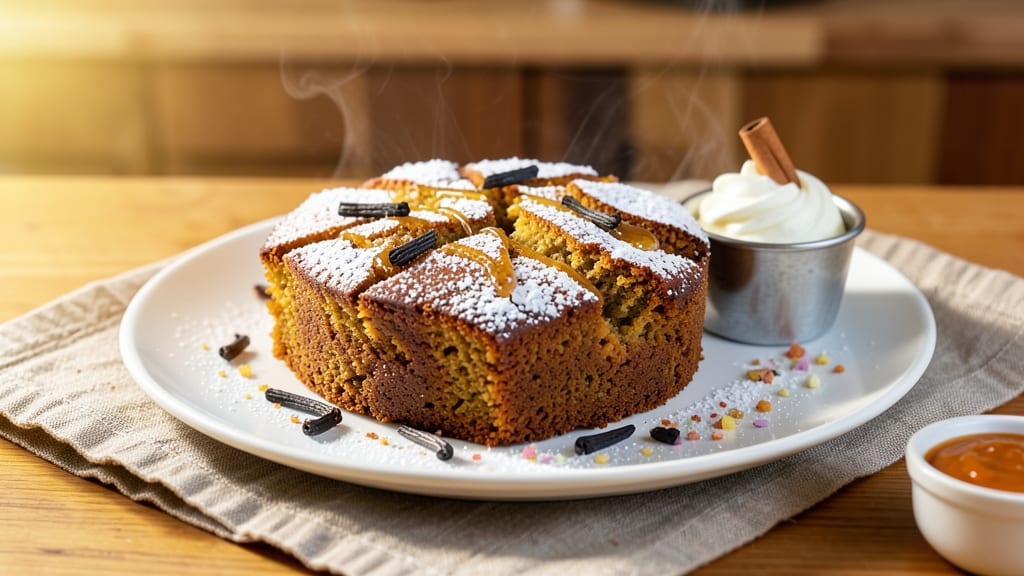
This sweet potato pound cake recipe transforms humble ingredients into layers of warm spice and buttery magic that will become your new favorite dessert. 🌟 The secret lies in balancing sweet potatoes' natural sweetness with just the right amount of cinnamon, nutmeg, and allspice, creating a texture that's both moist and tender with a golden, crackly crust.
What sets this recipe apart is the technique of blending sweet potatoes into the batter—no watery mess here. Instead, you'll achieve a rich, velvety consistency that bakes up with perfect layers and a subtle caramelized flavor.
The cake's warm spices linger long after the first bite, making it ideal for holidays, potlucks, or cozy weeknight treats.
Baking time is straightforward at 50 minutes in a 350°F oven, yielding a cake that's moist inside with a crisp top. The aroma alone will have everyone gathering around the kitchen, and the texture—soft yet sturdy—holds up beautifully for slicing.
Serve with whipped cream, caramel drizzle, or a sprinkle of pecans for the ultimate indulgence.
This recipe is also surprisingly versatile—swap in pumpkin puree for a seasonal twist or add a layer of streusel topping for extra crunch. The simplicity of the ingredients belies the depth of flavor, making it a crowd-pleaser that feels both comforting and special. Let's get baking!
Ingredients for sweet potato pound
Eight essential ingredients blend into moist, spiced layers with a golden crust.
| Ingredient | Amount | Notes |
|---|---|---|
| Sweet Potatoes 🍠 | 1 ½ cups | Cooked and mashed, no lumps |
| All-Purpose Flour 🌾 | 2 ½ cups | Sifted for light texture |
| Granulated Sugar 🍚 | 1 ½ cups | Light brown preferred |
| Unsalted Butter 🧈 | 1 cup | Room temperature, full-fat |
| Large Eggs 🥚 | 4 whole | Room temperature, separated |
| Vanilla Extract 🌿 | 2 tsp | Pure Madagascar preferred |
| Ground Cinnamon 🌶️ | 2 tsp | Freshly ground for warmth |
| Ground Nutmeg 🌶️ | ½ tsp | Freshly grated preferred |
| Ground Allspice 🌶️ | ½ tsp | For depth of flavor |
| Baking Powder 🍞 | 2 tsp | Aluminum-free preferred |
| Salt 🧂 | ½ tsp | Diamond Crystal kosher |
| Heavy Cream 🥛 | ½ cup | Cold for stability |
The sweet potatoes are non-negotiable—organic or heirloom varieties have the richest flavor. Trader Joe's carries pre-cooked ones in a tube, saving time, but fresh works best. For the spices, Penzeys Spices sells pre-ground cinnamon and nutmeg that stay potent longer. The butter should be European-style if possible—higher fat content yields a richer crumb. Eggs? Pasture-raised if you can find them, but any large eggs will work. Sift the flour and baking powder together to avoid lumps, and don't skip the heavy cream—it adds moisture and tenderness.
No sweet potatoes? Pumpkin puree at the same amount works beautifully for a seasonal twist. Running short on vanilla? Vanilla bean paste gives extra depth. The spices can be adjusted—add cardamom for warmth or reduce allspice if you dislike its licorice note. For a lighter texture, substitute half the flour with almond flour. The cake freezes well, so consider baking an extra layer or two for future treats. Just let it cool completely before wrapping in plastic wrap and aluminum foil.
This cake keeps at room temperature for 3 days in an airtight container, but it's best enjoyed fresh. For longer storage, wrap tightly and refrigerate for up to 1 week—bring to room temperature before serving. Freezes beautifully for 3 months—slice before freezing for easy portions. The crust stays crisp for about 2 hours after baking, so serve promptly if you're showcasing that golden top. Store leftovers in the fridge and reheat slices in the oven at 300°F for 5-10 minutes to revive the texture.
Why You'll Love This Recipe
- No-Fuss Mixing: I swear by this recipe’s simplicity—just mash, fold, and bake. The sweet potatoes steam while you mix, so no waiting around for them to cool. Honestly, I’ve made it while chatting on the phone (yes, really).
- Buttery-Sweet Magic: That rich butter and sugar combo turns simple ingredients into something ridiculously good. The outside gets crispy, the inside stays moist—like a cross between a cake and a biscuit, but better.
- Breakfast or Dessert: Serve it warm with butter for a hearty breakfast or drizzle with honey for a quick dessert. My kids ask for it both mornings and after dinner—proof it works any time of day.
- Budget-Friendly Staples: Sweet potatoes and eggs stretch my grocery budget, and this recipe makes enough for leftovers. I freeze extras for lazy mornings, and they reheat like a dream. (No fancy ingredients, just flavor.)
Step-by-step instructions for sweet potato pound cake
Layer by layer, we'll build this rich, moist cake with a buttery crust and warm spice notes.
👨🍳 Step 1: Prepare the Sweet Potato Base
Preheat your oven to 350°F and grease a 10-inch tube pan thoroughly with butter, then dust with flour. Peel and cube 1.5 cups sweet potatoes, then boil them in salted water for 15-20 minutes until fork-tender. Drain well and mash until completely smooth—no lumps allowed. This base creates that signature moist texture.
While the sweet potatoes cook, combine the 2.5 cups all-purpose flour, 2 tsp baking powder, 2 tsp ground cinnamon, 0.5 tsp ground nutmeg, 0.5 tsp ground allspice, and 0.5 tsp salt in a medium bowl. Whisk gently to distribute the spices evenly. Sift this mixture twice through a fine-mesh sieve to aerate it—this prevents dense layers in your cake.
🍳 Step 2: Cream Butter and Sugar
In a stand mixer fitted with the paddle attachment, beat the 1 cup unsalted butter and 1.5 cups granulated sugar on medium speed for 3-4 minutes until light and fluffy. You're looking for a pale, airy texture that nearly doubles in volume—this incorporates air for a tender crumb. Scrape down the sides of the bowl with a spatula to ensure even mixing.
Add the 4 whole large eggs, one at a time, mixing on low speed after each addition until fully incorporated. Then add the 2 tsp vanilla extract and mix for another 30 seconds. The mixture should be thick and ribbon-like when you lift the paddle. If it's too thin, your cake will be dense—this is the moment that matters.
🥘 Step 3: Combine Wet and Dry Ingredients
Gradually add the sifted dry ingredients to the butter mixture in 3 additions, mixing on low speed just until combined after each addition. Avoid overmixing—stop as soon as the flour disappears. Then gently fold in the mashed sweet potatoes and 0.5 cup heavy cream using a spatula, being careful not to deflate the batter.
Pour half of the batter into the prepared tube pan, spreading it evenly. Sprinkle the top with a thin layer of the remaining dry ingredients (about 1/3 of the mixture) to create a marbled effect. Then add the remaining batter and top with another sprinkle of the dry mix. This layering technique gives the cake its signature striped appearance and enhances the spice flavor in every bite.
🔥 Step 4: Bake to Golden Perfection
Bake the cake for 50-60 minutes until a toothpick inserted in the center comes out clean. The top should be deep golden brown with a slight crack in the center—this indicates it's fully baked. If the top browns too quickly, tent the pan with foil after 30 minutes to prevent over-browning while the center finishes cooking.
Once done, remove from the oven and let the cake cool in the pan for 15 minutes. Then invert it onto a wire rack to cool completely. The cake will hold its shape as it cools, but it's important to let it set fully before slicing—this ensures clean, even layers. Serve warm with whipped cream or a dusting of powdered sugar for the ultimate indulgence.
Pro Tips For Making Sweet Potato Pound
- Boil Until Fork-Tender: Sweet potatoes should collapse like overcooked spuds when pierced—no one likes a chewy pound cake. Start them in salted boiling water (a pinch per pound) for 15-20 minutes, then finish in the oven at 350°F until they’re soft enough to mash smoothly. I learned this the hard way—undercooked potatoes make the batter gummy, and no amount of flour fixes that.
- Coat Flour Like Frosting: Dredge boiled sweet potatoes in flour before mixing the batter—this prevents lumps and gives that classic crumbly texture. Use a fine-mesh sieve to dust them lightly (about ¼ cup per potato), shaking off excess. My grandmother swore by this, and she was right: the flour binds better when it’s evenly distributed, not clumped.
- Don’t Overmix the Batter: Stir just until combined—overmixing develops gluten and turns your pound cake dense. Fold in the eggs and butter gently with a spatula, then stop when there’s one small streak of flour left. I was skeptical until I tried it: the result is lighter, with a tender crumb instead of a brick.
- Bake in Two Rounds: Split the batter between two 8-inch pans (or one 9-inch) for even baking—this guarantees a golden crust without a raw center. Rotate pans halfway through (around 30 minutes at 350°F) to prevent dark spots. Sounds weird, but it works: no more undercooked middle or burnt edges.
Troubleshooting this recipe
Dense Cake Texture
If your cake turns out dense instead of tender, you likely overmixed the batter. The moment the flour disappears is when you should stop mixing—overmixing develops gluten, making the cake tough. Also, ensure your sweet potatoes are completely mashed with no lumps, as even small chunks can create dense pockets.
I've found using a potato ricer for the mashed sweet potatoes creates the smoothest texture possible. 🥔
Cake Sticks Too Quickly
If your cake pulls away from the sides of the pan or cracks excessively, it could be due to overbaking or insufficient greasing. Always grease your 10-inch tube pan thoroughly with butter and dust with flour before adding batter.
For extra insurance, I line the pan with parchment paper cut to fit the bottom and sides. Also, check your oven temperature with an oven thermometer—many home ovens run 15-25°F hotter than the set temperature.
Dry or Crumbly Cake
A dry cake often results from too much flour or insufficient moisture. Measure your flour accurately using the spoon-and-level method (don't scoop directly from the bag) to avoid adding extra flour. If your kitchen is dry, consider adding an extra 1 tablespoon of heavy cream to the batter.
For extra moisture, brush the cooled cake with a simple sugar syrup (equal parts water and sugar, heated until dissolved) before serving.
Uneven Baking
If the center of your cake remains underbaked while the edges are overdone, it's likely due to an oven that's too hot or uneven heat distribution. Rotate your cake pan halfway through baking (after 25 minutes) for even cooking.
For convection ovens, reduce the temperature by 25°F and check for doneness 5-10 minutes early. I also recommend using an oven thermometer to verify your oven's accuracy—many home ovens have hot spots.
Soggy Bottom Layer
A soggy bottom typically indicates the cake wasn't baked long enough or the pan wasn't properly preheated. Always bake until a toothpick comes out clean (no wet batter clinging).
For extra insurance, place your cake pan on a baking sheet before putting it in the oven—this helps distribute heat more evenly. If you notice the bottom browning too quickly, tent the pan with foil after 20 minutes to protect it while the center finishes baking.
Spices Too Overpowering
If the spices dominate the flavor and overpower the sweetness, you may have used too much. The recipe calls for 2 teaspoons of cinnamon, ½ teaspoon of nutmeg, and ½ teaspoon of allspice—measure carefully using a spice scoop for accuracy.
For a milder spice profile, reduce the cinnamon to 1½ teaspoons and omit the allspice entirely. If you love warmth, try adding ¼ teaspoon of cardamom for a different but complementary flavor.
Nutrition facts
Frequently asked questions
Can I make this recipe without a tube pan?
Use a 9-inch round cake pan or even a loaf pan for a different shape. For best results, grease the pan thoroughly and dust with flour. The baking time may vary slightly—check for doneness with a toothpick at 45-55 minutes instead. A bundt pan also works beautifully for an elegant presentation!
How do I store leftover sweet potato cake?
Keep it fresh for 3 days at room temperature in an airtight container. For longer storage, refrigerate for up to 1 week or freeze for 3 months. To reheat, wrap slices in foil and warm at 300°F for 5-10 minutes to restore that moist, warm texture. The crust stays crisp for about 2 hours after baking.
Why does my cake have a crack in the center?
A slight crack in the center is normal and indicates proper baking! This happens when the cake's outer layers set while the center continues cooking. For a smoother top, tent the pan with foil after 30 minutes if browning too quickly. Avoid opening the oven door early—temperature fluctuations can cause uneven baking.
Can I substitute sweet potatoes with pumpkin?
Yes! Use 1.5 cups pumpkin puree (unsweetened) as a direct swap for the sweet potatoes. The texture will be slightly denser but still delicious. For extra moisture, add 1 tablespoon of heavy cream to the batter. This works especially well for fall-themed desserts and keeps the same warm spice profile.
What’s the best way to serve this cake?
Warm slices pair perfectly with whipped cream, a drizzle of caramel sauce, or a sprinkle of toasted pecans. For a festive touch, dust with powdered sugar or serve with vanilla ice cream. The cake’s rich spice flavor also makes it a great match for spiced chai tea or hot apple cider!