
Desserts
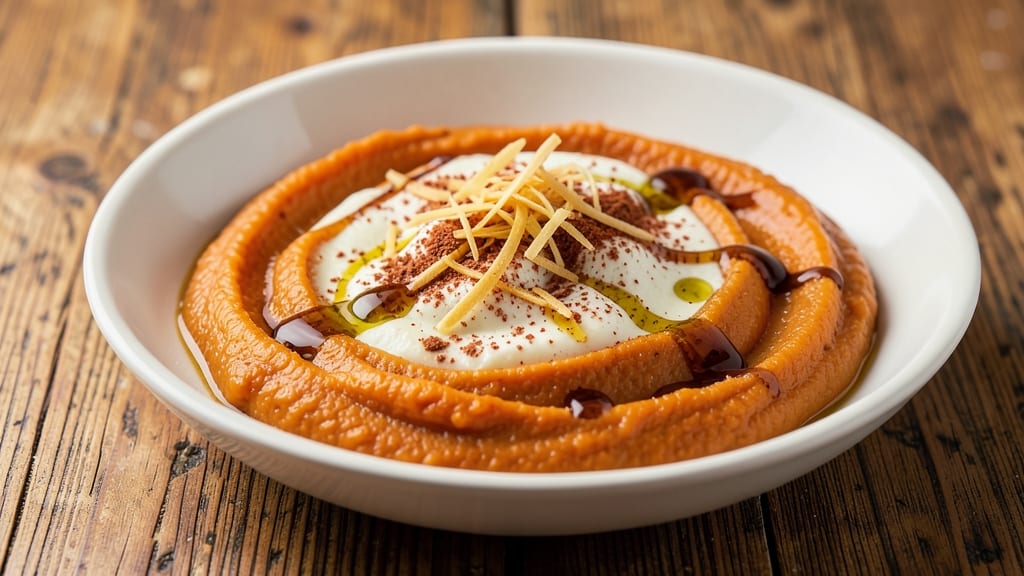
This sweet potato puree recipe for baking transforms humble root vegetables into the secret weapon for moist, flavorful baked goods—think cakes, custards, or casseroles that stay tender for days. 💛 The trick lies in roasting until caramelized, then blending until silky, creating a base that adds natural sweetness and moisture without overpowering other flavors.
I developed this after years of struggling with dry baked goods, and it changed how I approach dessert baking forever.
The process is simpler than you'd think: just roast, peel, and blend. No fancy equipment required—just a blender and patience. The key is roasting the sweet potatoes until tender but not mushy, which ensures a smooth, velvety texture perfect for swirling into batters or using as a filling.
This puree works equally well in vegan recipes or traditional baking, making it incredibly versatile.
What you'll end up with is a moist, flavorful base that keeps baked goods tender for days, not hours. The natural sweetness of the potatoes balances perfectly with spices, chocolate, or fruit, while the smooth texture elevates everything from muffins to pies.
It's the kind of ingredient that makes baking feel effortless yet impressive.
Use this puree in your favorite recipes or try it as a standalone dessert with a sprinkle of cinnamon and toasted nuts. Here's how to make it—simple, foolproof, and guaranteed to transform your baking game.
Ingredients for sweet potato puree recipe for baking
Four ingredients transform humble sweet potatoes into baking magic—silky, moist, and full of natural sweetness.
| Ingredient | Amount | Notes |
|---|---|---|
| Orange Sweet Potatoes 🍠 | 2 lbs | Firm, unpeeled, uniform size |
| Extra-Virgin Olive Oil 🫒 | 2 tbsp | High quality, fruity flavor |
| Cinnamon 🌿 | 1 tsp | Ground, for depth of flavor |
| Vanilla Extract 🌸 | 1 tsp | Pure, high-quality vanilla |
| Maple Syrup 🍯 | 2 tbsp | Pure, grade B preferred |
| Fresh Ginger 🌶️ | 1 tbsp | Grated, for subtle warmth |
| Sea Salt 🧂 | ½ tsp | Fine grain, for balance |
| Water 💧 | ½ cup | For blending consistency |
Sweet potatoes are the star here. Orange-fleshed varieties like Beauregard or Jewel are ideal—their vibrant color and natural sweetness elevate everything. Trader Joe's and Whole Foods carry them year-round, but if you're in a pinch, any firm, unblemished sweet potato works. Look for ones that feel heavy for their size (a sign of moisture and sweetness). I always buy them in bulk during harvest season and freeze the extras—roast them straight from frozen for this recipe. The key is roasting until tender but not mushy; that's what gives you that velvety texture perfect for baking.
No vanilla extract? Vanilla bean paste or even a vanilla sugar works in a pinch (use half the amount). Short on maple syrup? Agave nectar or date syrup keeps things vegan-friendly, though maple has that perfect caramel note. The ginger can be swapped for ground ginger at one-third the amount, but fresh is worth it if you've got it. For extra richness, add 1 tbsp of coconut milk to the blending stage—it makes the puree even more luscious. And if your blender struggles with the hot potatoes, let them cool slightly first (but not too much, or they'll turn starchy).
This puree keeps beautifully—5 days in the fridge or 6 months in the freezer. For freezing, portion into ice cube trays, pop out, and transfer to a bag. Thaw overnight in the fridge before using. The puree thickens as it cools, so if it seems too stiff, just stir in a splash of warm water or plant-based milk. I like to make a big batch and use it in everything from vegan brownies to custards—it's my secret weapon for keeping baked goods moist for days.
Why You'll Love This Recipe
- One-Pot Magic: I swear by this trick—just roast, mash, and blend. No peeling, no boiling mess, and those vibrant orange sweet potatoes caramelize right in the oven while you sip your coffee.
- Warm Spice Hug: That cinnamon and vanilla combo? It’s like a cozy blanket for your taste buds. A drizzle of maple syrup ties it all together—sweet, earthy, and just a little bit indulgent without trying too hard.
- Baking’s Secret Weapon: This puree isn’t just for pies—slather it on muffins, swirl it into pancakes, or use it as a glaze for roasted chicken. I’ve even turned it into a quick bread dough binder when I’m in a pinch.
- Budget-Friendly Luxury: Sweet potatoes last forever, and this recipe stretches to feed a crowd or save for days. Freeze the leftovers for smoothies or soups later—no waste, all flavor. Honestly, it’s my go-to for stretching grocery dollars without skimping on taste.
Step-by-step instructions for silky sweet potato puree
Transform humble sweet potatoes into a velvety baking base that keeps cakes moist and custards lush.
🔥 Step 1: Roast Until Fork-Tender
Preheat your oven to 400°F and line a baking sheet with parchment paper. Pierce the 2 lbs orange sweet potatoes all over with a fork (about 8-10 times each) to prevent explosions. Roast for 45-50 minutes until a knife slides in easily and the edges are slightly caramelized.
Here's the thing—roasting develops natural sweetness and creates a smoother puree than boiling. Turn them halfway through for even cooking. You'll know they're perfect when the skin looks wrinkled and the flesh yields to gentle pressure. Let them cool slightly before handling—they'll be scorching hot!
🍳 Step 2: Peel and Steam for Extra Smoothness
Once cooled enough to handle, slip off the skins (they should peel away easily now) and transfer the flesh to a medium saucepan. Add the 0.5 cup water and bring to a gentle simmer over medium heat. Cover and cook for 5-7 minutes until the sweet potatoes break down completely.
This steaming step is my secret for ultra-smooth puree. The moisture helps break down fibers that would otherwise make your puree grainy. If you skip this, you'll end up with a slightly textured base—especially important for delicate baked goods where texture matters.
👨🍳 Step 3: Blend with Warm Flavors
Transfer the steamed sweet potatoes to a blender or food processor. Add the 2 tbsp extra-virgin olive oil, 2 tbsp maple syrup, 1 tbsp fresh ginger, 1 tsp cinnamon, and 0.5 tsp sea salt. Blend until completely smooth, scraping down the sides as needed. For extra silkiness, strain through a fine-mesh sieve if you notice any fibers.
I like to blend while the mixture is still warm—the heat helps emulsify the oil and creates a more stable puree. The ginger and cinnamon will mellow as they cook, so don't worry if they seem strong at this stage. The olive oil adds richness and prevents the puree from drying out during baking.
🥘 Step 4: Infuse with Vanilla and Adjust
Return the puree to the saucepan and stir in the 1 tsp vanilla extract. Warm over low heat for 2-3 minutes to let the flavors meld. Taste and adjust seasoning—you might need a pinch more salt or cinnamon depending on your sweet potato's natural sweetness.
This is where the magic happens. The vanilla adds depth that transforms this from a simple puree to a sophisticated baking ingredient. If your puree looks too thick, whisk in 1-2 tablespoons of water to reach a consistency like heavy cream. For custards, you'll want it slightly thicker than for cakes—adjust based on your final application.
⏰ Step 5: Cool and Store Properly
Let the puree cool to room temperature, then transfer to airtight containers. It'll keep in the refrigerator for up to 5 days or freeze for 3 months. For freezer storage, spread in a single layer on a tray first to prevent clumping, then transfer to containers.
Real talk: this puree works best when used within 24 hours of making it for maximum moisture in your baked goods. The flavors also develop more over time, so if you can plan ahead, let it sit in the fridge overnight before using. When reheating, warm gently over low heat or in the microwave with a splash of water to restore smoothness.
Pro Tips For Making Sweet Potato Puree Recipe For Baking
- PEEL AFTER COOKING: Sweet potatoes are stubborn—peeling them raw wastes time and leaves gnarly edges. Roast them whole first (400°F for 45-55 minutes until fork-tender), then slip the skin off while still warm. No knife fights, no wasted flesh.
- USE ROASTED, NOT BOILED: Boiled sweet potatoes turn to glue. Roast them instead: Toss cubed potatoes in olive oil, salt, and a pinch of cinnamon, then roast at 400°F until caramelized (about 35-40 minutes). The deeper flavor carries through the puree—no bland, watery mess.
- SALT THE POTATOES BEFORE PUREEING: I learned this the hard way—salting after blending leaves the puree tasting flat. Toss the roasted potatoes with a generous pinch of salt (½ tsp per pound) before blending. The salt penetrates while they cook, making every bite richer.
- STRAIN OUT EXCESS LIQUID: Over-roasted potatoes release water, turning your puree into soup. After blending, press the mixture through a fine-mesh sieve to remove excess moisture. Add back just enough olive oil or maple syrup to reach your desired consistency—no guesswork.
Troubleshooting this recipe
Grainy Texture Fix
If your puree turns out grainy, don’t panic—this happens when sweet potatoes aren’t fully broken down. First, try blending again with 1-2 tablespoons of warm water to help emulsify. For stubborn fibers, strain through a fine-mesh sieve or cheesecloth.
Pro tip: Always steam the peeled sweet potatoes for 5-7 minutes before blending—this softens fibers better than roasting alone. 💫
Too Watery or Thick
Consistency issues? If your puree is too thin, simmer it uncovered over low heat for 5-10 minutes to evaporate excess moisture. For thick puree, whisk in 1 tablespoon of water or plant-based milk at a time until it reaches a smooth, spreadable texture.
I’ve found that adding 1 tbsp olive oil during blending helps stabilize consistency for baking.
Burnt or Bitter Taste
Over-roasted sweet potatoes develop bitter flavors. Prevent this by checking doneness early—your potatoes should be tender but not caramelized to a deep brown. If it happens, balance the bitterness by adding ½ tsp extra vanilla extract or 1 tsp maple syrup to the puree.
A pinch of sea salt also helps round out harsh flavors.
Puree Separates
Separation occurs when oil and water in the puree don’t emulsify properly. Fix it by whisking vigorously or blending briefly with 1 tsp cornstarch or arrowroot powder mixed with 1 tbsp water.
For future batches, ensure ingredients are at room temperature before blending—cold puree separates more easily. Store in an airtight container to prevent separation over time.
Skin Won’t Peel
If skins refuse to slip off, your sweet potatoes weren’t roasted long enough. Let them cool completely, then run under cold water for 30 seconds to loosen the skins. For stubborn patches, use a vegetable peeler or paring knife.
Never force it—peeling too aggressively can introduce grit into your puree. I’ve even microwaved leftover skins for 20 seconds to soften them before peeling.
Freezer Burn Issues
Prevent freezer burn by spreading puree in a single layer on a tray before freezing, then transferring to airtight containers. Leave ½ inch headspace for expansion. When thawing, microwave in 30-second bursts with 1 tbsp water to restore smoothness.
If ice crystals form, stir in 1 tsp olive oil to help re-emulsify the puree. Label containers with dates—this puree freezes best for 3 months for optimal texture.
Nutrition facts
Frequently asked questions about sweet potato puree for baking
Can I use this puree in savory baked dishes?
While this recipe is sweetened for desserts, you can easily adapt it for savory applications. Simply omit the maple syrup and vanilla, then boost flavors with 1 tsp smoked paprika, ½ tsp garlic powder, and 1 tbsp olive oil during blending. It works beautifully in savory muffins, breads, or even as a base for vegan cheesecakes with a tangy topping.
How much puree should I use in place of applesauce?
Use a 1:1 substitution by volume—so if a recipe calls for 1 cup applesauce, use 1 cup sweet potato puree. The puree adds more moisture and natural sweetness, so you might reduce other liquids in the recipe by 2-3 tablespoons or adjust spices to taste. It's especially great in vegan brownies or muffins where you want extra richness.
Why does my puree turn out stringy?
Stringiness usually means the sweet potatoes weren't fully broken down during cooking. For smoother results, always steam the peeled potatoes for 5-7 minutes after roasting—this softens fibers better than roasting alone. If it still happens, blend with 1-2 tbsp warm water or strain through a fine-mesh sieve before using in recipes.
Can I make this puree without a blender?
Yes! If you don't have a blender, mash the roasted sweet potatoes with a potato masher or fork until smooth. For extra creaminess, press the mashed potatoes through a fine-mesh sieve to remove any remaining fibers. The texture won't be as silky as blended puree, but it'll work perfectly for heartier baked goods like bread or muffins.
What's the best way to use leftover puree?
Leftover puree is incredibly versatile—try it in vegan pancakes, as a frosting base for cakes, or even as a filling for crepes. For extra flavor, mix in ½ tsp nutmeg or 1 tsp orange zest before using. It also makes a great topping for oatmeal or yogurt with a sprinkle of cinnamon and walnuts.