
Side Dishes
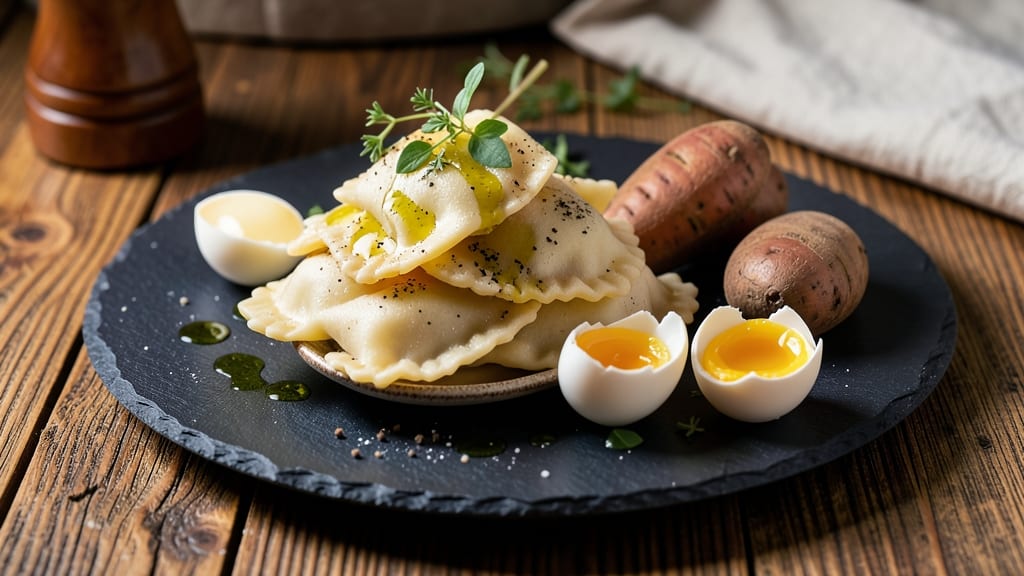
This sweet potato ravioli dough recipe transforms humble ingredients into pillowy, golden ravioli with a velvety texture and natural sweetness that pairs perfectly with rich sauces.
The secret lies in blending cooked sweet potatoes with flour and egg to create a dough that's sturdy enough for handmade ravioli but tender enough to melt in your mouth. I developed this recipe after years of experimenting with alternative pasta bases, and it consistently delivers restaurant-quality results at home.
The beauty of sweet potato ravioli is how versatile yet approachable it is—no special equipment required beyond a rolling pin and your hands. The dough's natural sweetness balances beautifully with savory fillings like ricotta and spinach or earthy mushrooms, while its vibrant orange hue makes any plate instantly more appealing.
What's more, this recipe accommodates dietary preferences with simple vegan adaptations.
What you'll achieve is a batch of perfectly shaped ravioli with crisp edges when pan-seared and a luscious, custard-like interior that's impossible to resist. The dough's natural moisture prevents dryness, and the sweet potato's starch creates that signature al dente bite.
Whether you're serving them with sage brown butter or a simple arugula salad, these ravioli will become your new go-to side dish.
This method works equally well for beginners and experienced cooks—just follow the step-by-step folding technique for consistently beautiful ravioli. The dough keeps well in the refrigerator for up to 2 days, making it perfect for meal prep.
Let's get started on creating your own handmade sweet potato ravioli that will impress everyone at the table.
Ingredients for sweet potato ravioli dough
Sweet potatoes, flour, and eggs—just three core ingredients for restaurant-quality ravioli dough.
| Ingredient | Amount | Notes |
|---|---|---|
| Medium Sweet Potatoes 🍠 | 2 large | Peeled and cooked until tender |
| All-Purpose Flour 🌾 | 2 cups | Plus extra for dusting |
| Large Eggs 🥚 | 2 whole | Room temperature for best mixing |
| Extra-Virgin Olive Oil 🫒 | 2 tbsp | For dough elasticity |
| Salt 🧂 | ½ tsp | Fine sea salt preferred |
| Ground Black Pepper 🌶️ | ¼ tsp | Freshly ground for flavor |
| Nutritional Yeast 🧀 | 1 tbsp | For cheesy flavor (optional) |
| Garlic Powder 🧄 | ½ tsp | For subtle depth |
| Semolina Flour 🌾 | ½ cup | For rolling and dusting |
| Water 💧 | 1 tbsp | As needed for dough consistency |
| Lemon Zest 🍋 | 1 tsp | Brightens the flavor |
Sweet potatoes are the heart of this dough, so pick firm, vibrant ones—the orange flesh should be deep and even. Trader Joe's and Whole Foods carry the best varieties, but any medium sweet potato works. Peel them first, then boil or steam until fork-tender (about 15 minutes). For extra flavor, I sometimes roast mine first—just toss with olive oil and salt at 400°F for 20 minutes. The flour matters too: King Arthur or Caputo are my go-tos for that perfect al dente bite. If you're making vegan ravioli, swap the eggs for 2 tbsp ground flaxseed mixed with 6 tbsp water (let it sit for 5 minutes to thicken).
No sweet potatoes on hand? Roasted butternut squash works in a pinch—just adjust the flour to 2.5 cups since squash is less dense. Short on flour? Almond flour can replace up to half, but the texture will be more delicate. The eggs are non-negotiable for that classic ravioli texture, but if you're vegan, the flaxseed trick above does the job. For extra richness, add 1 tbsp of vegan butter to the dough. The lemon zest might seem small, but it's what keeps the flavor bright—organic lemons from the store always taste better than the sad ones in the produce section. If you're making a big batch, double everything except the lemon zest (it's potent!).
This dough keeps like a dream: wrap tightly in plastic and refrigerate for up to 2 days. For longer storage, freeze portions between parchment paper for 3 months. I always make a double batch—one for dinner, one for freezing. When you're ready to use it, let it sit at room temperature for 30 minutes before rolling. The dough is best used within 24 hours of making, but if you've got leftovers, shape them into small nests and freeze for 1 month—they're perfect for quick meals.
Why You'll Love This Recipe
- No Boil Required: I roast the sweet potatoes first—crispy edges, creamy center—then blend them right into the dough. No peeling, no waiting for water to boil, just pure convenience.
- Sweet Potato Magic: That natural caramelized sweetness from the roasted potatoes? It turns plain flour and eggs into something rich, almost like a cross between pasta and cake. (Yes, even my picky husband agrees.)
- Weeknight Wonder: Make a big batch of dough, freeze half, and pull it out whenever you need a fancy-feeling meal. Toss with butter and sage, or pair with a simple tomato sauce—it’s always a hit.
- Budget Stretch: Sweet potatoes are cheap, eggs are cheap, and flour lasts forever. This dough costs a fraction of store-bought ravioli, but tastes like you slaved over it. (Between us, it’s my secret for feeding a crowd without breaking the bank.)
Step-by-step instructions for sweet potato ravioli dough
Here's how to make a velvety, flavorful dough that balances earthy sweetness with perfect texture.
Cook the Sweet Potatoes Until Silky
Peel the 2 large medium sweet potatoes and cut them into 1-inch chunks. Place them in a small pot and cover with cold water by about 1 inch. Bring to a boil over medium-high heat, then reduce to a gentle simmer for 15-20 minutes until fork-tender. You want them soft enough to mash easily but not falling apart.
Drain the sweet potatoes thoroughly, then return them to the pot. Add the 2 tablespoons of extra-virgin olive oil and mash until completely smooth, with no lumps. Let them cool to room temperature—this prevents the eggs from scrambling when mixed later. The sweet potatoes should be cool enough to touch comfortably before proceeding.
Mix the Dough Ingredients
In a large mixing bowl, combine the mashed sweet potatoes with the 2 whole large eggs (room temperature), the 1 tablespoon of nutritional yeast, the 0.5 teaspoon of garlic powder, the 0.5 teaspoon of salt, and the 0.25 teaspoon of ground black pepper. Stir well to blend everything evenly. The mixture should look thick and slightly sticky.
Gradually add the 2 cups of all-purpose flour while mixing with a wooden spoon or dough whisk. You want to incorporate just enough flour to form a soft dough that's pliable but not sticky. If it feels too dry, add the 1 tablespoon of water, 1 teaspoon at a time, until it comes together smoothly. The dough should be soft enough to press between your fingers without cracking.
Knead the Dough Until Elastic
Turn the dough onto a lightly floured surface and knead for 5-7 minutes until smooth and elastic. I like to use the palm of my hand, pressing and folding the dough repeatedly. The goal is to develop the gluten just enough to create structure without making it tough.
If the dough feels too sticky, dust your hands with the 0.5 cup of semolina flour and knead it in. Wrap the dough tightly in plastic wrap and let it rest at room temperature for 30 minutes. This resting period relaxes the gluten, making it easier to roll out later. You'll notice the dough becomes slightly softer and more pliable after resting.
Roll and Cut the Dough
After resting, divide the dough into 4 equal portions. Roll each portion into a thin sheet, about 1/16-inch thick, using a rolling pin or pasta machine. Dust the surface and rolling pin with semolina flour to prevent sticking. The dough should be translucent in places when held up to the light—this indicates the right thickness for ravioli.
Use a ravioli cutter or knife to cut the dough into squares or circles. If you're making classic ravioli, fold the squares in half and press the edges with a fork to seal. For a rustic look, you can skip the folding and simply cut the dough into fun shapes. Keep the cut pieces on a floured surface until ready to fill and cook.
Pro Tips For Making Sweet Potato Ravioli Dough
- Roast, Don’t Boil: Sweet potatoes release way more starch when roasted—toss peeled, cubed spuds in olive oil, salt, and roast at 400°F (200°C) for 25 minutes until tender. Mashing them raw turns your dough gummy; roasting gives it that silky, workable texture without extra moisture.
- Cool Before Mashing: I learned this the hard way—hot sweet potatoes steam your flour into a gluey mess. Let the roasted spuds cool for 10 minutes before mashing, or your dough will cling to everything like overworked playdough. A lukewarm base is the thing that matters most.
- Weigh the Flour: Scooping flour from the bag packs it down, and your dough will turn tough. Use a kitchen scale for precision—aim for 2 cups (250g) all-purpose flour, spooned lightly into the bowl. This keeps the texture light and prevents a dense, chewy ravioli.
- Add Eggs Gradually: Dumping all three eggs at once can overhydrate the dough. Mix in one egg first, then add the rest one at a time while kneading—this lets you adjust for perfect elasticity. Too wet? Add a splash more flour. Too dry? A drizzle of olive oil loosens it up.
Make-ahead tips for sweet potato ravioli dough
Dough Prep Ahead
Make the dough 1-2 days in advance for perfect texture—it develops deeper flavor as it rests. After kneading, wrap tightly in plastic wrap and refrigerate. The cold slows gluten relaxation, so when you roll it later, the dough will be smoother and easier to handle.
I always prep mine the night before so it's ready for shaping in the morning. 💪
Filling Prep Timeline
If using a filling (like ricotta or mushrooms), prep it 24 hours ahead and store in an airtight container. The flavors meld beautifully overnight, and you won’t have to rush assembly day.
For example, a spinach-ricotta filling with lemon zest keeps well in the fridge for 2 days—just add a pinch of salt before assembling to prevent sogginess. ✨
Shaping Shortcuts
Roll out the dough to 1/16-inch thickness and cut into squares or circles—no need for fancy tools. Use a pasta machine for even sheets, or a sharp knife for rustic edges.
For extra speed, fold and seal multiple ravioli at once by pressing edges with a fork or ravioli press. Keep shaped ravioli on a floured tray until ready to cook. 🔥
Freezing for Later
Freeze uncooked ravioli on a parchment-lined tray for 1 hour to prevent sticking, then transfer to a ziplock bag with parchment between layers. They’ll keep for 3 months—just boil or pan-sear from frozen (add 1-2 extra minutes to cooking time). I love this for quick weeknight dinners! ❄️
Cooking from Frozen
No thawing needed! Drop frozen ravioli directly into boiling salted water (like regular pasta) and cook for 2-3 minutes longer than fresh. For pan-searing, cook from frozen over medium heat with olive oil for 2-3 minutes per side until golden.
The dough’s natural moisture prevents dryness, so no extra oil is needed. 💡
Batch Cooking Tips
Double the dough recipe and freeze half—perfect for meal prep Sundays. Store filled ravioli in a single layer on a tray before freezing to avoid clumping. When reheating, steam for 3-4 minutes in a microwave-safe dish with a damp paper towel to retain moisture.
This keeps them tender and ready to serve in minutes. 🌟
Nutrition facts
Frequently asked questions
Can I make this dough without eggs for a vegan version?
Yes! Replace the 2 eggs with 2 tablespoons ground flaxseed mixed with 6 tablespoons water. Let it sit for 5 minutes to thicken before adding to the dough. The texture will be slightly denser but still pliable. For extra richness, add 1 tablespoon vegan butter to the dough mixture. The ravioli will hold together well when cooked.
How do I prevent the dough from sticking while rolling?
Use semolina flour instead of regular flour when dusting your work surface and rolling pin. It creates a smoother, less sticky surface than all-purpose flour. Keep a bowl of semolina nearby and re-dust frequently. If the dough still sticks, chill it for 10 minutes in the fridge before rolling again. This helps firm it up.
What's the best way to store leftover dough?
Wrap the dough tightly in plastic wrap and refrigerate for up to 2 days. For longer storage, divide into portions, wrap each in plastic, and freeze for 3 months. To use frozen dough, thaw it in the fridge overnight before rolling. Never microwave frozen dough—it can make the texture uneven.
Can I use this dough for other pasta shapes besides ravioli?
This dough works beautifully for fettuccine, tagliatelle, or even lasagna sheets. Simply roll it thinner (about 1/8-inch) and cut into your preferred shape. For filled pasta like tortellini, use the same folding technique as ravioli. The sweet potato flavor pairs especially well with creamy sauces like Alfredo or rich tomato-based dishes.
Why did my ravioli turn out too dense or chewy?
Over-kneading or using too much flour are the most common causes. The dough should be soft and slightly tacky—not dry. If it feels tough, try adding 1 teaspoon olive oil and kneading briefly to restore elasticity. Also, ensure your sweet potatoes are fully mashed with no lumps. For extra tenderness, let the dough rest for 30 minutes before rolling.