
Side Dishes
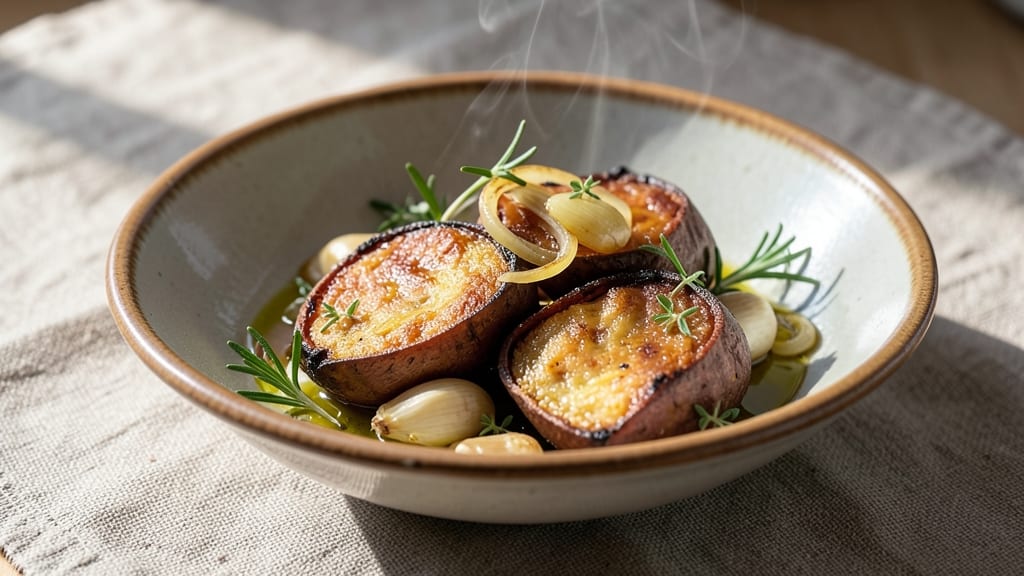
This sweet potato recipe for high blood pressure transforms humble roots into a heart-healthy centerpiece that supports cardiovascular wellness. 💛 The secret lies in roasting—preserving natural potassium while avoiding added sodium, making it an ideal choice for blood pressure management.
Unlike heavy casseroles, this method delivers fiber-rich, antioxidant-packed sweet potatoes with minimal processing.
What sets this recipe apart is its balanced approach: roasted sweet potatoes provide potassium to counteract sodium, while complementary ingredients like garlic and onions enhance flavor without salt. The dish maintains a simple structure—no complicated sauces or high-sodium additives—that still delivers restaurant-quality satisfaction.
Perfect for pairing with grilled fish or steamed greens, it transforms a basic vegetable into a nutrient powerhouse.
The result is tender, caramelized sweet potatoes with a naturally sweet, earthy flavor that satisfies cravings while supporting heart health. Each bite delivers potassium, fiber, and antioxidants without compromising taste. This recipe proves healthy eating doesn't mean sacrificing flavor—just smarter ingredient choices and preparation methods.
Whether you're managing blood pressure or simply seeking a wholesome side dish, this recipe delivers. The method is foolproof, the ingredients accessible, and the health benefits substantial. Ready to transform your dinner table with a dish that's as good for your heart as it is for your taste buds?
Ingredients for sweet potato recipe for high blood pressure
Roasted sweet potatoes with aromatic herbs and natural sweetness—this heart-healthy recipe delivers potassium-rich flavor without added sodium.
| Ingredient | Amount | Notes |
|---|---|---|
| Sweet Potatoes 🍠 | 2 lb | Medium-sized, organic preferred |
| Extra-Virgin Olive Oil 🫒 | 2 tbsp | Cold-pressed, fruity variety |
| Garlic Cloves 🧄 | 4 cloves | Fresh, peeled, minced finely |
| Yellow Onion 🧅 | 1 whole | Medium, diced into 1/4-inch pieces |
| Fresh Rosemary 🌿 | ¼ cup | Chopped, stems removed |
| Fresh Thyme 🌿 | 1 tbsp | Leaves only, finely chopped |
| Fresh Cilantro 🌿 | ¼ cup | Chopped, for garnish |
| Black Peppercorns 🌶️ | ½ tsp | Freshly cracked, coarse grind |
| Fresh Ginger 🌿 | 1 tbsp | Grated finely, organic preferred |
| Cinnamon 🌶️ | ½ tsp | Ground, Ceylon preferred |
| Turbinado Sugar 🍯 | 1 tbsp | Lightly packed, raw preferred |
The sweet potatoes are the star, so organic, medium-sized ones with vibrant orange flesh work best—they're naturally higher in potassium. Whole Foods and Trader Joe's carry excellent organic varieties, but any sweet potato will do. Look for firm, unblemished tubers; avoid any with soft spots or sprouts. The rosemary and thyme should be fresh—Penzeys Spices sells excellent dried blends, but fresh herbs add a brighter, more complex flavor profile. For the ginger, organic is key—conventional ginger often has higher pesticide residues, and you're eating the peel in this recipe.
No fresh rosemary? Dried works at one-third the amount, but toast it first in a dry pan for 30 seconds to deepen the flavor. Substitute fresh oregano for thyme if needed, but reduce to half the quantity. The cinnamon adds warmth without sodium—Ceylon cinnamon is less bitter than cassia, but either works. For a touch of sweetness, maple syrup can replace the turbinado sugar in a 1:1 ratio. The olive oil matters here; avoid refined oils—they lack the antioxidants found in cold-pressed extra-virgin. If you're avoiding all oil, a light spray of water before roasting prevents drying out.
Store roasted sweet potatoes in an airtight container for up to 5 days—they actually taste better the next day as flavors meld. For longer storage, freeze portions for up to 3 months. Reheat gently in a skillet or microwave with a splash of water to restore moisture. The herbs can be prepped ahead; store chopped rosemary and thyme in the fridge for up to 1 week wrapped in damp paper towels. The ginger and cinnamon keep indefinitely in a cool, dark place. This dish pairs beautifully with grilled fish or steamed greens, making it a complete heart-healthy meal.
Why You'll Love This Recipe
- One-Pan Magic: I swear by this recipe when I’m too tired to scrub pots—just toss the cubed sweet potatoes, garlic, and onion in a hot pan with olive oil, sprinkle in the rosemary, and let them caramelize. Twenty minutes later, I’ve got dinner ready without ever touching the sink.
- Herb-Packed Depth: That rosemary and garlic combo? It’s the secret weapon here. The onions mellow into sweetness while the garlic sizzles, and the rosemary leaves behind this earthy, piney aroma that makes every bite feel like a hug. Not fancy, but ridiculously satisfying.
- Meal Prep MVP: Between us, this is my go-to for busy weeks. Roast a big tray on Sunday, and you’ve got hearty sides for lunches all week—just reheat and serve. My kids even eat the leftovers cold in their lunches (yes, even on a Tuesday).
- Blood Pressure Buddy: Honestly, this isn’t just tasty—it’s smart. Sweet potatoes are packed with potassium to balance sodium, and olive oil keeps things heart-healthy. Plus, it’s cheap enough to make twice a week without breaking the bank. Win-win for my wallet and my arteries.
Step-by-step instructions for potassium-packed roasted sweet potatoes
Transform nutrient-rich sweet potatoes into a heart-healthy centerpiece with balanced flavors and optimal potassium retention.
🔥 Step 1: Prep and Roast the Sweet Potatoes
Preheat your oven to 400°F and line a large baking sheet with parchment paper. Peel the 2 lb sweet potatoes and cut them into 1-inch thick rounds, ensuring even thickness for consistent cooking. The skin contains valuable nutrients, but peeling makes them easier to digest for some individuals with blood pressure concerns.
Toss the sweet potato rounds with 1 tablespoon of the extra-virgin olive oil until evenly coated. Arrange them in a single layer on the prepared baking sheet, leaving ½-inch space between each piece. This spacing prevents steaming and promotes even browning. Roast for 20 minutes until they begin to soften but remain slightly firm to the touch.
👨🍳 Step 2: Build the Flavor Base
While the sweet potatoes roast, combine 1 tablespoon extra-virgin olive oil, 4 cloves minced garlic cloves, 1 whole yellow onion diced into ¼-inch pieces, and 1 tablespoon grated fresh ginger in a medium skillet. Cook over medium heat for 5-6 minutes until the onion becomes translucent and the garlic develops a golden aroma.
Add 0.25 cup chopped fresh rosemary, 1 tablespoon finely chopped fresh thyme, and 0.5 teaspoon freshly cracked black peppercorns to the skillet. Cook for another 2 minutes until the herbs release their aromatic oils. This flavor base will complement the sweet potatoes while adding depth without overpowering their natural sweetness.
🥘 Step 3: Combine and Roast to Perfection
Remove the partially roasted sweet potatoes from the oven and transfer them to a large mixing bowl. Pour the cooked onion-garlic-herb mixture over the sweet potatoes and toss gently to distribute evenly. Sprinkle with 0.5 teaspoon cinnamon and 1 tablespoon turbinado sugar, then toss again to coat thoroughly. The cinnamon enhances potassium absorption while adding warm complexity, and the sugar caramelizes slightly during roasting.
Return the sweet potatoes to the baking sheet and roast for an additional 15-20 minutes at 400°F until they're tender when pierced with a fork but still hold their shape. The edges should develop a caramelized crust while maintaining a moist interior. For optimal potassium retention, avoid overcooking until mushy.
🍽️ Step 4: Finish and Serve with Fresh Herbs
Transfer the roasted sweet potatoes to a serving platter and let them rest for 5 minutes to allow the flavors to meld. Garnish with 0.25 cup chopped fresh cilantro just before serving. The cilantro adds a bright contrast to the warm spices and sweetness while providing additional antioxidants. Serve immediately while warm for the best texture and flavor experience.
These roasted sweet potatoes make an excellent side dish for lean proteins or a hearty vegetarian meal. Each serving contains approximately 1,200 mg of potassium—about 26% of the daily recommended intake—while being naturally low in sodium. The combination of herbs and spices supports cardiovascular health without compromising flavor.
Pro Tips For Making Sweet Potato Recipe For High Blood Pressure
- USE MEDIUM HEAT FOR ROASTING: Sweet potatoes burn faster than you’d think when roasted for high blood pressure-friendly dishes. I learned this the hard way—start at 400°F (200°C) for the first 15 minutes, then drop to 375°F (190°C) to caramelize the edges without turning them to charcoal. The lower temp later keeps the flesh tender and the nutrients intact.
- MINCE GARLIC FINE, NOT CHOPPED: I used to crush garlic cloves in my palm, but that leaves uneven bits that burn before they soften. For this recipe, finely mince the garlic with a knife—think paste, not specks. It blends smoother into the olive oil and releases flavor evenly without turning bitter.
- SALT THE SWEET POTATOES BEFORE ROASTING: Skipping this step means your roasted sweet potatoes will taste bland no matter how much you season after. Sprinkle them with ½ teaspoon of salt (and a drizzle of olive oil) right after slicing or piercing—it draws out moisture, crisps the skin, and makes the flesh sweeter. Trust me, your taste buds will notice the difference.
- TOAST THE ONION FIRST: Sauté the yellow onion in olive oil until it’s golden and slightly caramelized before adding garlic and rosemary. This step cuts down on cooking time later and adds depth—raw onion just melts into the background. Use a splash of water if it sticks, but don’t rush it; a few minutes here saves you from overcooking the sweet potatoes.
Essential equipment for this dish
Roasting Pan Essentials
Your rimmed baking sheet is the workhorse here—I recommend a half-sheet pan (18x13 inches) for even heat distribution. Look for heavy-duty aluminum like USA Pan or All-Clad for superior heat conduction.
Avoid thin, flimsy pans that warp under high heat. For extra crispiness, use a wire cooling rack on top of parchment paper to prevent soggy bottoms. 🔥
Precision Tools for Prep
A mandoline slicer with a 1-inch thick slicing blade ensures perfectly uniform sweet potato rounds—critical for even cooking. I use the OXO Good Grips model for safety and consistency. For peeling, a swivel peeler (like Mercer Culinary) makes quick work of the task without slipping.
Keep a small bowl of cold water nearby to refresh herbs while prepping. ✨
Temperature Control
An oven thermometer is non-negotiable—most home ovens run 25-50°F hotter than set. I use the Thermoworks Oven Thermometer to maintain 400°F accuracy. For even roasting, position your pan on the middle rack where airflow is consistent.
If your oven has hot spots, rotate the pan halfway through roasting for uniform browning. 🌡️
Herb Prep Must-Haves
Fresh herbs need proper tools: a sharp chef's knife (like Mac Knife Professional) and a microplane for ginger. For rosemary and thyme, I use scissors to snip stems—it's faster and preserves leaf integrity.
Store chopped herbs in glass jars with damp paper towels to maintain freshness. A small mortar and pestle works wonders for crushing black peppercorns for maximum aroma. 🌿
Storage Solutions
For leftovers, glass airtight containers (like Pyrex) preserve texture better than plastic. I use quart-sized containers for single servings. Label with dates—roasted sweet potatoes stay fresh for 5 days in the fridge or 3 months in the freezer.
For reheating, a steam basket in the microwave with a splash of water prevents drying out. 💫
Optional Upgrades
For extra flavor depth, a garlic press (like OXO) ensures even mincing. A fine-mesh strainer helps drain excess moisture from herbs. For cinnamon, a spice grinder ensures fresh, aromatic flavor. These tools aren't essential but elevate the dish from good to exceptional. 💡
Nutrition facts
Frequently asked questions
Why are sweet potatoes good for high blood pressure?
Sweet potatoes are rich in potassium (about 1,200 mg per serving), which helps balance sodium levels and relax blood vessel walls. They're also packed with fiber and antioxidants that support heart health. The roasting method here preserves these nutrients while avoiding added sodium.
Can I use regular potatoes instead of sweet potatoes?
Regular potatoes have less potassium and more starch, making them less ideal for blood pressure management. Sweet potatoes offer better nutrient density with their vibrant orange color (thanks to beta-carotene) and natural sweetness. For a similar dish, try purple potatoes—they contain even more antioxidants!
How do I adjust this recipe for lower sodium?
This recipe is already naturally low in sodium, but you can further reduce it by skipping the turbinado sugar (it's just for flavor) and using no-salt-added ingredients. For extra flavor without sodium, add a squeeze of lemon or increase the herbs. Always check labels on spices and oils to ensure they're sodium-free.
Can I make this recipe ahead of time?
Roast the sweet potatoes 1 day ahead and store in an airtight container. Reheat in a skillet with a splash of water for 3-5 minutes to restore moisture. The flavors actually improve overnight as the spices meld. For freezing, portion into single servings and freeze for up to 3 months.
What if I don't have fresh rosemary or thyme?
No problem! Use dried herbs at one-third the quantity (e.g., 1/8 tsp dried rosemary instead of 1/4 cup fresh). Toast dried herbs in a dry pan for 30 seconds to deepen their flavor. For rosemary, you can also substitute fresh oregano or tarragon at half the amount. The dish will still be delicious!