
Side Dishes
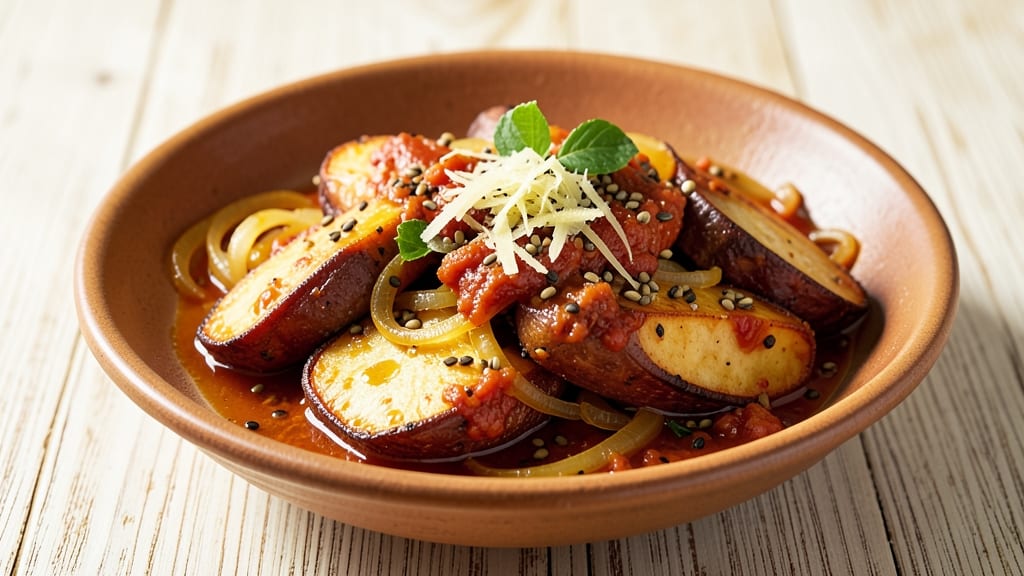
This sweet potato sabji recipe transforms humble sweet potatoes into a side dish with golden crispy edges and a silky, flavorful filling that pairs perfectly with roti or rice.
The secret lies in a slow-cooked spice base that caramelizes beautifully, creating layers of aroma and texture that elevate simple ingredients into something extraordinary. I developed this recipe after years of experimenting with Indian sabji techniques, and it never fails to impress—even skeptics who think sweet potatoes are too sweet.
The foundation of this dish begins with blooming whole spices in ghee—a technique that unlocks deep, aromatic flavors. Onions and tomatoes form the base, while sweet potatoes cook until tender yet hold their shape, absorbing the rich spice mixture without turning mushy.
The key is balancing sweetness with tangy tamarind or lemon juice, which cuts through the natural sweetness and adds complexity. This method ensures the potatoes stay moist inside while developing that coveted crispy exterior that makes every bite satisfying.
What you'll end up with is a vibrant, aromatic sabji that's rich in color and texture—crispy edges contrast with a tender, spiced interior that's infused with warm spices. The aroma alone will have everyone at the table anticipating the first bite, and the flavors develop even more as it rests.
This recipe is foolproof, vegetarian-friendly, and perfect for meal prep, making it ideal for busy weeknights or special occasions when you want a side dish that feels like a centerpiece.
Serve it alongside roti, steamed rice, or dal for a complete meal that's both comforting and sophisticated. The crispy edges hold up well even when reheated, making it perfect for leftovers. Here's how to create this restaurant-worthy dish in your own kitchen—no shortcuts, just authentic, flavorful results.
Ingredients for sweet potato sabji
Simple ingredients transform into restaurant-worthy sweet potato sabji with crispy edges and aromatic spice layers.
| Ingredient | Amount | Notes |
|---|---|---|
| Sweet Potatoes 🍠 | 2 lbs | Medium-sized, peeled and cubed |
| Ghee 🧈 | ½ cup | Clarified butter for blooming spices |
| Yellow Onions 🧅 | 1 whole | Finely chopped, about 1.5 cups |
| Medium Tomatoes 🍅 | 3 whole | Peeled and chopped, about 1.5 cups |
| Green Chilies 🌶️ | 2 whole | Slit lengthwise, seeds removed |
| Fresh Ginger 🧄 | 1 ½ oz | About 2-inch piece, grated |
| Garlic Cloves 🧄 | 8 cloves | Minced finely |
| Cumin Seeds 🌿 | 1 tbsp | Whole seeds, toasted |
| Bay Leaves 🌿 | 2 whole | Dried, for aroma |
| Turmeric Powder 🌶️ | ½ tsp | Freshly ground preferred |
| Coriander Powder 🌿 | 1 tbsp | Freshly ground preferred |
| Garam Masala 🌶️ | 1 tsp | Store-bought or homemade blend |
| Tamarind Paste 🍋 | 1 tbsp | Or 1 tsp lemon juice |
| Salt 🧂 | 1 tsp | Adjust to taste |
| Fresh Coriander Leaves 🌿 | ¼ cup | Chopped, for garnish |
The sweet potatoes are the star, so pick firm, vibrant ones—avoid any with soft spots or bruising. Indian or Asian grocery stores often carry the best varieties like the orange-fleshed ones, but regular sweet potatoes work too. For the ghee, Amul or Patanjali brands are reliable; don't skimp here—the rich flavor is non-negotiable. The onions and tomatoes should be ripe but firm, and the green chilies should be fresh with bright green skins. Fresh ginger and garlic are essential—their pungency cuts through the sweetness beautifully. If you can't find tamarind paste, lemon juice works in a pinch but tamarind adds that authentic tang.
No tamarind? Lemon juice or vinegar will work, though tamarind's unique sourness is ideal. Fresh ginger and garlic can be swapped for powdered versions, but use half the amount—fresh is always better. Want extra crispy edges? Roast the sweet potatoes first at 400°F for 15 minutes before cooking. The garam masala blend is crucial—homemade with cardamom, cinnamon, and cloves elevates the dish, but store-bought works too. For the tomatoes, San Marzano or Roma varieties are ideal—they're sweeter and less acidic, balancing the spices perfectly. If you're short on time, canned crushed tomatoes (drained well) work in a bind, but fresh is best.
This sabji tastes even better the next day as flavors meld. Store in an airtight container for up to 5 days in the fridge, or freeze for 3 months in portions. The crispy edges soften slightly when reheated, but a quick pan-fry revives them beautifully. Garnish with fresh coriander just before serving—it adds a bright contrast to the rich, spiced potatoes. For meal prep, double the batch—it reheats perfectly and makes an excellent lunchbox addition when paired with roti or rice.
Why You'll Love This Recipe
- One-Pot Magic: I swear by this recipe for days when I’m too tired to juggle multiple pans. The sweet potatoes soften perfectly while the onions and tomatoes caramelize in the same pot—no extra dishes, no stress.
- Ghee Glow-Up: That first spoonful of ghee-sizzled onions and tomatoes? It’s like a flavor upgrade. The richness balances the earthy sweetness of the potatoes, and the green chilies add just enough kick to make it feel special.
- Leftover Hero: This sabji actually tastes better the next day. I make a big batch on Sundays, and it’s still delicious reheated—whether as a side, stuffed in parathas, or tossed into a quick dal.
- Budget Bright Spot: Sweet potatoes and onions are my pantry’s secret weapon. This dish costs pennies but feels like a restaurant meal, and the ghee makes it taste indulgent without breaking the bank. (Yes, even on a Tuesday night.)
Step-by-step instructions for sweet potato sabji
Master this technique for perfectly caramelized sweet potatoes with tender centers and aromatic spices.
Bloom the Spices in Ghee
Heat the 0.5 cup ghee in a heavy-bottomed pan over medium-low heat. Add the 1 tablespoon cumin seeds and the 2 whole bay leaves. Let them sizzle for 30 seconds until the cumin seeds release their aroma and begin to darken slightly—this is when you'll smell that deep, earthy fragrance that forms the base of your sabji.
Next, add the 1.5 oz grated fresh ginger and 8 cloves minced garlic. Cook for 2-3 minutes until the garlic turns golden and the raw ginger aroma transforms into something warm and inviting. Be careful not to let the garlic burn—it should be fragrant but not dark brown. This aromatic base is the foundation of your dish, so take your time here.
Cook the Onions and Chilies
Add the 1 whole finely chopped yellow onion to the pan. Cook for 5-6 minutes over medium heat, stirring occasionally, until the onions turn golden brown and translucent. The onions should soften and caramelize slightly, adding sweetness to balance the spices.
Now add the 2 whole slit green chilies (seeds removed). Cook for another 1-2 minutes until they soften but retain their vibrant green color. This step infuses the dish with just the right amount of heat without overpowering the sweetness of the sweet potatoes. If you prefer milder heat, you can remove the seeds completely before adding.
Add Tomatoes and Spices
Introduce the 3 whole peeled and chopped medium tomatoes to the pan. Cook for 4-5 minutes until they soften and release their juices. The tomatoes will break down and create a rich, tangy base for the sabji. Stir frequently to prevent sticking and ensure even cooking.
Now add the 0.5 teaspoon turmeric powder, 1 tablespoon coriander powder, and 1 teaspoon salt. Mix well to combine all the spices evenly with the tomato mixture. Cook for another 2-3 minutes until the raw smell of the spices disappears and they meld into the tomato base. This step develops the complex flavors that will enhance the sweet potatoes.
Incorporate Tamarind and Sweet Potatoes
Stir in the 1 tablespoon tamarind paste and cook for 1 minute until it dissolves completely into the tomato mixture. This adds a subtle tanginess that balances the sweetness of the potatoes. Now add the 2 lbs peeled and cubed sweet potatoes to the pan. Gently toss to coat them evenly with the spiced tomato mixture.
Cover the pan and cook on medium heat for 10-12 minutes, stirring occasionally. The sweet potatoes should begin to soften but still retain some bite. You want them to absorb the flavors of the spices while maintaining their shape. If the mixture becomes too dry, add 2-3 tablespoons of water to keep it moist.
Finish with Garam Masala and Garnish
Once the sweet potatoes are tender but still hold their shape, sprinkle the 1 teaspoon garam masala over the top. Stir gently to distribute it evenly. Cook for another 2-3 minutes until the garam masala releases its warm, aromatic flavors. The dish should now have a rich, complex taste with layers of spices.
Remove the pan from heat and let it sit for 2 minutes. Garnish with the 0.25 cup chopped fresh coriander leaves just before serving. The coriander adds a fresh, bright note that cuts through the richness of the ghee and sweetness of the potatoes. Serve hot with roti or naan for the perfect meal.
Pro Tips For Making Sweet Potato Sabji
- CUT POTATOES UNIFORM: I learned this the hard way—uneven pieces mean some end up mushy before others caramelize. Use a mandoline for consistency, or at least slice them into ½-inch cubes so every bite has the same texture. (Yes, it’s tedious, but the payoff is worth it.)
- COOK ON LOW HEAT: Sweet potatoes release moisture fast, and high heat turns your sabji into a soggy mess. Once the onions turn golden, drop the flame to medium-low and let the potatoes simmer gently—this keeps them tender without turning to mush.
- PEEL TOMATOES FIRST: Skip the hassle of peeling tomatoes after cooking. Blister them in a dry pan for 30 seconds per side, then peel, deseed, and grind. The skin stays put, your masala stays smooth, and you avoid that weird texture from overcooked skins.
- USE LESS GHEE: Ghee is rich, but too much can make your sabji heavy. Start with 1½ tablespoons—just enough to coat the potatoes and onions. If it feels dry later, add a splash of water, not more fat. (Trust me, your taste buds will notice.)
Perfect pairings for this sweet potato sabji
Roti & Rice Pairings
This sabji shines when paired with freshly made whole wheat roti or missi roti—the soft, pillowy texture contrasts beautifully with the crispy edges of the sweet potatoes. For extra indulgence, serve with butter naan or garlic naan to soak up the spiced tomato gravy.
I always keep a batch of homemade roti on hand because store-bought versions can't match the freshness. 🥖
For a complete meal, pair with steamed basmati rice—the mild flavor lets the sabji's spices take center stage. I recommend jeera rice (cumin-infused) for an extra aromatic touch that complements the cumin seeds in the dish.
For a heartier option, serve with dal makhani or chana masala to balance the sweetness with protein-rich legumes.
Dal & Raita Complements
A cooling cucumber-mint raita cuts through the richness of the ghee and sweet potatoes. Mix 1 cup yogurt with ½ cup grated cucumber, 2 tbsp chopped mint, ½ tsp roasted cumin powder, and a pinch of salt. The yogurt's tanginess balances the sabji's sweetness perfectly. 🥒
For a protein boost, serve with yellow lentil dal (moong dal or masoor dal) cooked with garlic and ghee. The earthy dal absorbs the sabji's flavors when eaten together, creating a harmonious meal.
I often make a big batch of dal on Sundays to pair with sabji all week—it's a game-changer for meal prep.
Beverage Pairings
A masala chai with cardamom and ginger enhances the sabji's warm spices. Brew a strong cup with 1 tsp black tea leaves, ½ tsp cardamom pods, and a pinch of cinnamon. The tea's tannins cleanse your palate between bites of rich, spiced potatoes. ☕
For a refreshing contrast, serve with nimbu pani (Indian lemonade). Mix 1 cup water with 2 tbsp lemon juice, 1 tsp sugar, and a pinch of salt. The citrus cuts through the ghee's richness, making each bite feel lighter. This combo is especially refreshing in summer.
Garnish & Finishing Touches
Add a final garnish of toasted cashews or peanuts for crunch—just fry 2 tbsp mixed nuts in ghee until golden and sprinkle on top. The nuts add a satisfying texture contrast.
I also love drizzling a little more ghee over the finished dish right before serving—it adds a luxurious finish. 🌰
For extra heat lovers, serve with pickled green chilies or mango chutney on the side. The chutney's sweet-spicy kick complements the sabji's natural sweetness beautifully. These finishing touches elevate the dish from homemade to restaurant-worthy in seconds.
Nutrition facts
Frequently asked questions
Can I use regular potatoes instead of sweet potatoes?
While you can substitute regular potatoes, the flavor and texture will differ significantly. Sweet potatoes have a natural sweetness and creamier texture that pairs perfectly with the spiced tomato gravy. Regular potatoes will make the dish less sweet and more starchy. If you must substitute, use yams or orange-fleshed potatoes for a closer flavor profile.
How do I prevent the sweet potatoes from turning mushy?
The key is to cook them just until tender but still firm. Cover the pan and cook on medium heat for 10-12 minutes, stirring occasionally. If they soften too quickly, reduce the heat to low and add 2-3 tablespoons of water to keep them moist. Avoid overcrowding the pan—cook in batches if needed for even cooking.
What can I do if I don’t have tamarind paste?
No problem! Use 1 teaspoon lemon juice or ½ teaspoon vinegar as a substitute. These will add tanginess to balance the sweetness, though tamarind's unique flavor is ideal. For a closer match, dissolve ½ teaspoon sugar in the lemon juice first to mimic tamarind's slight sweetness.
Can I make this sabji ahead of time?
This sabji tastes even better the next day as the flavors meld. Store in an airtight container in the fridge for up to 5 days. Reheat gently on low heat with a splash of water to revive the moisture. For crispy edges, transfer to a skillet for 2-3 minutes before serving. It also freezes well for 3 months—just thaw overnight in the fridge before reheating.
How can I make this dish spicier?
For extra heat, add 1 extra green chili (seeds in) during the sautéing step. You can also sprinkle ½ teaspoon red chili powder with the garam masala at the end, or serve with pickled green chilies on the side. For smoky heat, add ½ teaspoon smoked paprika when cooking the onions.