
Side Dishes
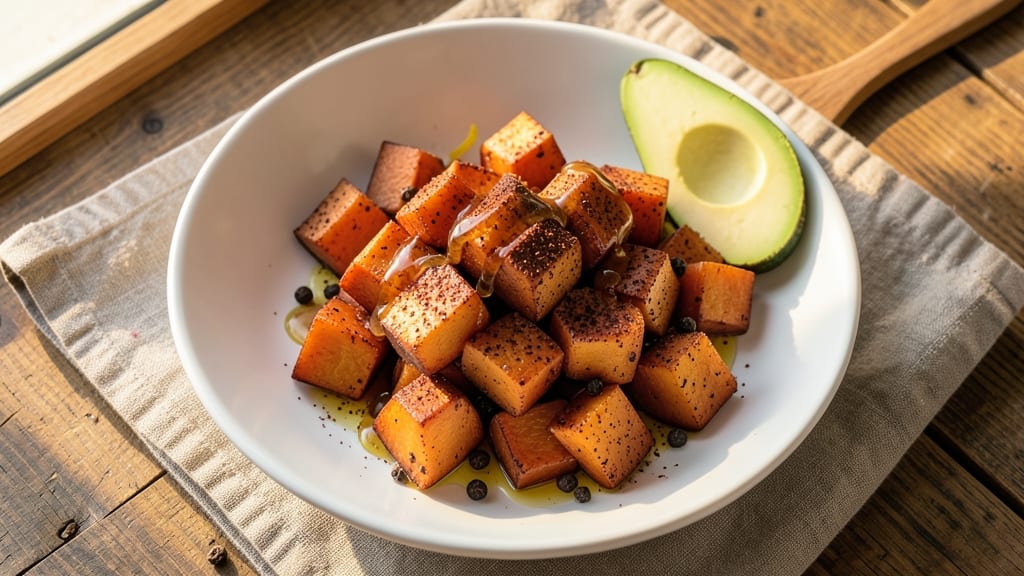
This sweet potato sous vide recipe delivers foolproof, ultra-tender center cuts that transform humble sweet potatoes into a restaurant-worthy side dish. The precision of sous vide cooking ensures perfect doneness every time—no more dry edges or uneven cooking.
I developed this method after years of experimenting with different temperatures and times to achieve that ideal texture: creamy yet firm, with a caramelized exterior when finished properly.
The process is simpler than it sounds: vacuum-seal sweet potato pieces, cook them in a 185°F water bath for 2 to 3 hours, then finish with a quick sear in a hot pan for color and texture.
This technique works beautifully with center-cut sweet potatoes (the sweetest, least fibrous part) and requires minimal hands-on time—just set up your sous vide and walk away. The result is a dish that's perfectly tender throughout, with a velvety interior that holds its shape even when sliced.
What makes this recipe stand out is its versatility—serve these sweet potatoes as a standalone side, pair them with grilled meats, or even mash them for a creamy, flavorful puree. The sous vide method preserves their natural sweetness while allowing you to control the texture precisely.
For extra depth, finish with a sprinkle of smoked paprika or a drizzle of honey before serving.
Once you try this method, you'll never go back to traditional roasting. The consistency and tenderness are unmatched, and the process is surprisingly foolproof. Whether you're cooking for a special dinner or just want a foolproof side dish, this recipe delivers restaurant-quality results with minimal effort. Let's get started!
Ingredients for sweet potato sous vide
Precision-crafted ingredients for restaurant-quality sweet potatoes with velvety texture and caramelized edges.
| Ingredient | Amount | Notes |
|---|---|---|
| Center-Cut Sweet Potatoes 🍠 | 2 lb | Organic preferred, peeled and cut into 1-inch cubes |
| Avocado Oil 🫒 | ¼ cup | High smoke point for searing |
| Smoked Paprika 🌶️ | 1 tsp | For depth of flavor |
| Kosher Salt 🧂 | 1 ½ tsp | Diamond Crystal preferred for precise measurement |
| Freshly Ground Black Pepper 🌶️ | ½ tsp | Freshly cracked for optimal flavor |
| Honey 🍯 | 1 tbsp | Local raw preferred for natural sweetness |
| Fresh Thyme Leaves 🌿 | ¼ cup | Chopped, stems removed |
| Olive Oil 🫒 | 1 tbsp | For finishing drizzle |
| Vacuum-Seal Bags 📦 | 2 whole | Rollstock or pre-cut bags |
| Sous Vide Precision Water Bath 💧 | 1 whole | 185°F target temperature |
| Butter 🧈 | 2 tbsp | Unsalted, for finishing |
| Fresh Rosemary 🌿 | 2 sprigs | For aroma infusion |
The center-cut sweet potatoes are non-negotiable here—their dense, fibrous-free structure ensures perfect texture. Local farms or organic markets often carry the sweetest varieties, but any firm, unblemished sweet potato works. Peeled and cut into uniform 1-inch cubes, they’ll cook evenly. For vacuum sealing, rollstock bags from Amazon are my go-to—they’re durable and create a tight seal. The key is selecting potatoes with minimal fiber near the skin, as this area can become gummy when overcooked. If you’re using a sous vide machine, ensure it’s calibrated to 185°F for that ideal creamy-yet-firm texture.
No sous vide setup? An immersion circulator like the Anova Nano works perfectly for this recipe. For the finishing sear, avocado oil’s high smoke point prevents bitterness. Substituting honey? Maple syrup or agave nectar work in a 1:1 ratio, though honey adds a subtle floral note. The smoked paprika is optional but adds depth—Penzeys brand is my preferred choice for its consistent quality. Fresh herbs like thyme and rosemary can be swapped for dried at one-third the amount, but fresh infuses more aroma. If you’re short on time, skip the rosemary sprigs—they’re more for aroma than flavor, but they elevate the dish when used.
Store vacuum-sealed sweet potatoes in the fridge for up to 3 days before cooking, though they’re best fresh. After searing, serve immediately for maximum texture contrast, but leftovers reheat beautifully in a 350°F oven for 10-15 minutes. For meal prep, portion into airtight containers and store for 4-5 days. The sous vide method preserves sweetness, so avoid overcooking—2 hours at 185°F is ideal for center cuts. If you’re making a large batch, double the recipe and freeze cooked portions for up to 3 months—thaw in the fridge overnight before reheating.
Why You'll Love This Recipe
- Smoky Sweetness Magic: That smoked paprika and avocado oil combo? It turns humble sweet potatoes into something rich and caramelized on the outside, tender inside. The pepper adds a little bite—simple spices, but they punch way above their weight.
- Meal Prep MVP: Cook a batch on Sunday, and you’ve got ready-to-reheat sides for the week. Toss them into bowls with black beans or chicken, or just eat them straight with a sprinkle of salt. Honestly, I’ve eaten these cold from the fridge, and they’re still amazing.
- Budget-Friendly Luxury: Sweet potatoes are cheap, and sous vide makes them feel fancy. You’re paying for the technique, not the ingredients—plus, the leftovers reheat beautifully. Between us, this is how I feed my family well without breaking the bank.
Step-by-step instructions for sweet potato sous vide perfection
Master this method and you'll achieve sweet potatoes with silky texture and flawless flavor every time.
Prepare the Sweet Potatoes for Vacuum Sealing
Begin by peeling the 2 lb center-cut sweet potatoes using a vegetable peeler or chef's knife. Cut them into 1-inch cubes—this size ensures even cooking and maximum surface area for flavor infusion. Immediately place the cut sweet potatoes in a large bowl of ice water to prevent browning while you prepare the seasoning.
Drain the sweet potatoes well and pat them completely dry with paper towels. This step is crucial—any moisture will dilute your seasoning and create steam in the vacuum bag, leading to uneven cooking. In a small bowl, whisk together the 1.5 tsp kosher salt, 0.5 tsp freshly ground black pepper, 1 tsp smoked paprika, 1 tbsp honey, and 0.25 cup chopped fresh thyme leaves. Toss the sweet potatoes in this mixture until evenly coated, pressing gently to ensure the seasoning adheres to every surface.
Vacuum Seal and Sous Vide to Precision Tenderness
Divide the seasoned sweet potatoes evenly between the 2 vacuum-seal bags, filling each only about ⅔ full to allow room for expansion. Place the bags in your vacuum sealer and remove all air until they seal completely. If you don't have a vacuum sealer, use the water displacement method with a zip-top bag and a straw.
Set your sous vide precision water bath to 185°F—this temperature guarantees ultra-tender sweet potatoes without turning them mushy. Once the water reaches temperature, carefully submerge the sealed bags. Cook for 4 hours for perfect texture. The sweet potatoes will be fork-tender but still hold their shape, with no risk of overcooking. During this time, prepare your finishing touches by heating the 1 tbsp olive oil and 2 tbsp butter in a skillet over medium heat.
Sear for Color and Finish with Aromatics
Remove the sweet potatoes from the water bath and open the bags immediately. Transfer the sweet potatoes to a wire rack set over a baking sheet to drain any excess liquid. Working quickly, heat 0.25 cup avocado oil in a large skillet over medium-high heat until shimmering. Add the sweet potatoes in a single layer, leaving space between each piece. Sear for 2-3 minutes per side until they develop a deep golden-brown crust—this step adds texture and caramelized flavor.
In the last minute of searing, add the 2 sprigs fresh rosemary to the pan. The heat will release their aromatic oils, infusing the sweet potatoes with a fragrant finish. Remove the rosemary sprigs and discard them. For an extra touch, drizzle the seared sweet potatoes with the heated 1 tbsp olive oil and 2 tbsp butter mixture, tossing gently to coat. The butter will melt into a glossy finish, enhancing the natural sweetness of the sweet potatoes.
Rest and Serve for Maximum Flavor Impact
Let the sweet potatoes rest for 5 minutes before serving. This brief resting period allows the juices to redistribute, ensuring each bite is moist and flavorful. Serve immediately while still warm, garnished with an additional sprinkle of fresh thyme leaves if desired. The contrast of the crispy exterior and tender interior, combined with the smoky, herby seasoning, makes this dish a standout centerpiece.
For best results, serve with a drizzle of honey or a sprinkle of flaky sea salt to balance the richness. These sweet potatoes hold their shape beautifully, making them ideal for plating alongside proteins like grilled chicken or seared scallops. The sous vide method eliminates guesswork, guaranteeing perfect results every time—no more dry, overcooked sweet potatoes here.
Pro Tips For Making Sweet Potato Sous Vide
- USE 176°F FOR PERFECT TEXTURE: Sweet potatoes at 176°F (80°C) for 1–2 hours stay creamy inside with just a hint of resistance—no mushy center, no dry edges. I used to go lower, thinking gentle heat was safer, but this temp guarantees that tender-but-firm bite every time.
- PEEL AND SCORE BEFORE SEALING: A sharp knife and a few diagonal cuts (about ¼-inch deep) let the seasoning sink in and speed up cooking. Skip this, and your smoked paprika stays stuck on the surface while the inside stays stubbornly pale—like trying to season a brick.
- SALT THE WATER LIKE THE SEA: No, really—aim for a teaspoon of kosher salt per quart of water. The sous vide bath needs enough dissolved salt to season the potatoes evenly, not just the surface. I learned this after tasting bland, waterlogged sweet potatoes that needed a full extra seasoning later.
- REST 10 MINUTES AFTER SEARING: Pull them out of the bag, sear in avocado oil until golden, then tent with foil for 10 minutes. This lets the residual heat finish cooking the edges while you prep the rest of your meal—no more undercooked centers when you finally slice into them. (Yes, even if you’re impatient like me.)
Perfect pairings for this sweet potato sous vide
Protein Pairings
These sous vide sweet potatoes shine alongside hearty proteins like grilled ribeye steak or herb-crusted salmon. The smoky, caramelized edges complement the richness of red meat, while the sweetness balances the buttery salmon beautifully.
I love serving them with a 12-ounce ribeye seared in avocado oil—same heat as the sweet potatoes—for a cohesive dining experience. 🔥
For poultry lovers, pair with rosemary-infused roasted chicken thighs or lemon-pepper grilled chicken breast. The thyme and rosemary in the sweet potatoes echo the herbs in the chicken, creating a harmonious flavor bridge. Even pan-seared scallops work brilliantly—their delicate sweetness mirrors the sous vide potatoes' natural sugars.
Vegetable Companions
Add roasted Brussels sprouts with a balsamic glaze to cut through the sweet potatoes' richness. Toss the sprouts in 1 tbsp olive oil, ½ tsp red pepper flakes, and 1 tbsp balsamic vinegar before roasting at 400°F for 20 minutes. The tangy-sweet contrast is unbeatable. 🥦
For a complete plate, include charred asparagus or blistered green beans. Sauté green beans in 1 tbsp butter with 1 minced garlic clove and a pinch of salt for 3-4 minutes until crisp-tender. Both veggies add vibrant color and freshness to balance the dish.
Sauce Elevations
Drizzle with spiced honey butter for an instant upgrade. Mix 2 tbsp softened butter, 1 tbsp honey, and ½ tsp cinnamon, then warm gently before spooning over the sweet potatoes. The cinnamon enhances their natural sweetness while adding warmth. 🍯
A chimichurri sauce made with ¼ cup parsley, 2 tbsp olive oil, 1 tbsp red wine vinegar, and 1 garlic clove provides a bright, herby contrast. The acidity cuts through the richness, making every bite more dynamic.
Beverage Matchups
Pair with dry Riesling for its crisp acidity and stone fruit notes that complement the sweet potatoes' caramelized edges. A glass of Chardonnay with vanilla or oak undertones also works beautifully, mirroring the dish's buttery finish. 🍷
For non-alcoholic options, try sparkling hibiscus tea—its tartness balances the sweetness, while the effervescence cleanses the palate. A ginger beer with a squeeze of lime adds a refreshing zing that pairs perfectly with the smoky, herby flavors.
Nutrition facts
Frequently asked questions
Can I use regular sweet potatoes instead of center-cut ones?
Center-cut sweet potatoes are ideal because they have less fiber and more uniform texture, but you can use regular sweet potatoes if that's all you have. Simply peel them thoroughly and cut away any fibrous areas near the skin. For best results, choose firm, unblemished sweet potatoes with minimal fiber to avoid gummy texture. The sous vide method will still work, though center cuts yield the most consistent results.
How do I adjust the cook time if my sweet potatoes are larger than 1-inch cubes?
For larger pieces (up to 1.5 inches), increase the sous vide time by 30-45 minutes to ensure even cooking. If your pieces are smaller than 0.75 inches, reduce time by 30 minutes to prevent mushiness. The key is maintaining the 185°F temperature—this guarantees tender results regardless of size. Always check doneness with a fork after the initial time frame.
What if I don't have a vacuum sealer? Can I still do sous vide?
Use the water displacement method: place the sweet potatoes in a zip-top bag, seal it 90% full, then submerge the bag in water and use a straw to suck out the air before sealing completely. For extra security, double-bag the sweet potatoes. The texture and results will be nearly identical to vacuum sealing. Just ensure all air is removed to prevent uneven cooking.
Can I make this recipe ahead of time?
Yes, you can prep the sweet potatoes up to 3 days in advance by vacuum sealing them (seasoned) and storing them in the fridge. Cook them straight from cold water—no need to bring the water bath to temperature again. For best texture, sear and serve immediately after cooking, but you can reheat leftovers in a 350°F oven for 10-15 minutes if needed. The sous vide method preserves their natural sweetness and texture beautifully.
What's the best way to reheat these sweet potatoes?
The best method is to reheat them in a skillet with a little avocado oil over medium heat for 2-3 minutes to restore their crispy exterior. For oven reheating, place them on a baking sheet at 350°F for 10-15 minutes until warmed through. Microwaving works in a pinch (cover with a damp paper towel for 30-45 seconds), but it won't recreate the seared texture. Always reheat gently to avoid drying them out.