
Side Dishes
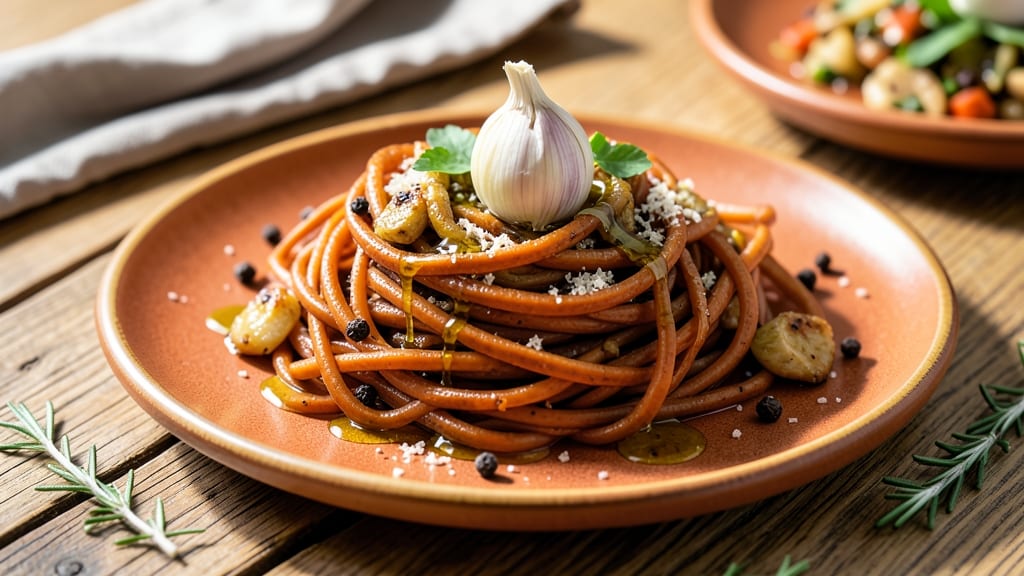
This sweet potato spaghetti recipe reimagines classic pasta with a nutty, fibrous twist that's packed with natural sweetness and vibrant color. 💛 The secret lies in spiralizing fresh sweet potatoes to create strands that cook up tender yet hold their shape—just like traditional pasta, but with a nutritional upgrade.
I developed this recipe after craving something hearty and plant-based that still felt familiar, and it's become a staple in my weekly rotation.
The beauty of sweet potato spaghetti is its versatility—it absorbs flavors beautifully, making it perfect for rich sauces, zesty lemon dressings, or even a simple garlic butter. Unlike regular pasta, these strands stay firm and satisfying, with a texture that's both chewy and slightly crisp at the edges.
The natural sweetness of the potatoes balances perfectly with savory toppings, creating a dish that's equally at home as a side or a main.
What sets this apart is the foolproof technique for achieving perfectly cooked strands every time, whether you're using a spiralizer or a sharp knife. The process is simple but yields restaurant-quality results—no special equipment required beyond a few basic tools.
By the time you're done, you'll have a dish that's visually stunning, deeply flavorful, and packed with nutrients, all while keeping prep under 30 minutes.
Pair it with your favorite marinara, pesto, or a creamy cashew sauce for a meal that's as satisfying as it is healthy. The possibilities are endless, and the results are always impressive. Let's get started!
Ingredients for sweet potato spaghetti
Sweet potatoes, olive oil, and a few pantry staples transform into restaurant-quality spaghetti.
| Ingredient | Amount | Notes |
|---|---|---|
| Large Sweet Potatoes 🍠 | 2 whole | Organic preferred, firm and unblemished |
| Extra-Virgin Olive Oil 🫒 | ¼ cup | High quality, fruity variety |
| Fresh Garlic Cloves 🧄 | 3 cloves | Minced for flavor infusion |
| Salt 🧂 | 1 ½ tsp | Diamond Crystal kosher preferred |
| Black Peppercorns 🌶️ | ½ tsp | Freshly ground for brightness |
| Nutritional Yeast 🧀 | 2 tbsp | For cheesy umami flavor |
| Lemon Juice 🍋 | 1 tbsp | Freshly squeezed, bright flavor |
| Red Pepper Flakes 🌶️ | ½ tsp | Adjust for heat preference |
| Fresh Basil Leaves 🌿 | ¼ cup | Chopped for garnish |
| Vegan Butter 🧈 | 2 tbsp | For finishing strands |
| Marinara Sauce 🍅 | 2 cups | Vegan, no added sugar |
| Cashew Cream 🥜 | ½ cup | For creamy topping option |
Sweet potatoes are the star—look for organic varieties with smooth, unblemished skin at Whole Foods or your local farmers market. The Beauregard type is ideal for its sweetness and texture. If you can't find organic, regular sweet potatoes work fine, just scrub them well. Pre-cut spiralizers save time, but I prefer the fresh texture of hand-spiralized potatoes. For the olive oil, California extra-virgin brands like Corto or Omni add that fruity depth that makes all the difference when tossed with the strands. The garlic should be freshly minced—pre-minced jars lose their punch quickly.
No spiralizer? A sharp vegetable peeler works perfectly—just make thin, even strips. Running out of nutritional yeast? Miso paste adds umami depth at half the amount. The marinara can be store-bought (Rao's or Barilla vegan options work great) or homemade—just skip the anchovies. For a nutty finish, toast the nutritional yeast in a dry pan for 30 seconds before adding it. The cashew cream is optional but transforms this into a creamy pasta dish—blend soaked cashews with lemon juice and water until smooth. Red pepper flakes can be swapped for smoked paprika if you prefer a milder heat.
Spiralized potatoes keep in the fridge for 3 days before browning, so make them fresh or store airtight with a damp paper towel. The cashew cream stays good for 5 days in the fridge or 3 months frozen. For meal prep, cook the strands al dente, then reheat in a steamer basket with a splash of water to prevent drying. The marinara sauce reheats beautifully—just warm it gently and toss with the strands. Leftovers? Toss with extra olive oil and fresh herbs for a quick salad the next day.
Why You'll Love This Recipe
- One-Pot Magic: I swear by this recipe because it’s literally one pan. No boiling water, no extra pots—just spiralize those sweet potatoes, toss them in olive oil and garlic, and roast until they’re tender with that perfect crispy edge. (Yes, even on a Tuesday night.)
- Garlic Obsession: That roasted garlic? It’s the star. I don’t skimp—crisp the cloves in olive oil first, then let them caramelize right on the sweet potatoes. The aroma alone makes me drool, and the flavor? Ridiculously good. Honestly, it’s the kind of dish that makes you want to skip dessert.
- Meal Prep Hero: This keeps so well—better than takeout, honestly. I make a big batch on Sunday, store it in the fridge, and reheat slices straight from the pan all week. (Between us, it’s my go-to for lazy lunches or quick dinners when I’m not feeling fancy.)
- Budget-Friendly Flex: Sweet potatoes are cheap, and this recipe stretches far. I’ll often add whatever’s in my pantry—sautéed greens, a fried egg, or leftover chicken—and it still tastes like a restaurant meal. Plus, no fancy ingredients needed—just good oil, salt, and pepper to make it shine.
Step-by-step instructions for sweet potato spaghetti
Transform humble sweet potatoes into silky, nutty strands that mimic classic pasta perfectly.
👨🍳 Step 1: Prepare the Sweet Potatoes for Spiralizing
Peel the 2 whole large sweet potatoes using a vegetable peeler, removing all skin. I like to cut them lengthwise into quarters first to make peeling easier—this prevents the peeler from slipping off the rounded ends. For best results, choose potatoes that are firm and free from soft spots, as these will spiralize most cleanly.
Use a mandoline slicer set to the thinnest setting or a vegetable spiralizer to create long, thin strands. Work in batches if needed, keeping the cut strands covered with a damp paper towel to prevent drying. The strands should be about as thick as spaghetti noodles—thicker strands will take longer to cook while thinner ones may overcook quickly. If your spiralizer creates irregular strands, don't worry; this just means you'll have a more rustic texture.
🔥 Step 2: Blanch and Cook the Sweet Potato Strands
Bring a large pot of water to a rolling boil and add 1.5 teaspoons of salt. Add the sweet potato strands in batches—don't overcrowd the pot, or they'll stick together. Cook for 3-4 minutes until the strands are tender but still hold their shape when tested with a fork. They should be bright orange and slightly springy, not mushy.
Drain immediately and rinse under cold water to stop the cooking process. This blanching step is crucial—it softens the strands while preserving their structure. Spread them on a clean kitchen towel and gently pat dry. The strands should be cool enough to handle but still warm to the touch. Here's the thing—if they're still hot, they'll continue cooking when you add them to the pan later.
🍳 Step 3: Sauté with Aromatics for Depth of Flavor
Heat 0.25 cup extra-virgin olive oil in a large skillet over medium heat. Add the 3 minced fresh garlic cloves and sauté for 30 seconds until fragrant but not browned. Immediately add the cooked sweet potato strands and toss gently to coat in the oil. Cook for 2-3 minutes, stirring occasionally, until the strands are heated through and slightly crispy in spots.
Sprinkle with 0.5 teaspoon freshly ground black peppercorns and 0.5 teaspoon red pepper flakes, tossing to distribute evenly. The strands should be tender but still hold their shape—if they're falling apart, they were overcooked during blanching. Here's where the magic happens: the olive oil and aromatics infuse the strands with rich, nutty flavor that mimics traditional pasta.
🥘 Step 4: Create the Sauce and Combine
Increase heat to medium-high and add 2 cups marinara sauce, stirring to combine with the sweet potato strands. Let the mixture simmer for 3-4 minutes until heated through. Stir in 2 tablespoons nutritional yeast and 1 tablespoon lemon juice, tossing until fully incorporated. The nutritional yeast adds a cheesy, umami depth that balances the sweetness of the potatoes.
For added richness, reduce heat to low and stir in 2 tablespoons vegan butter, allowing it to melt completely into the sauce. If the strands are absorbing too much liquid and appear dry, add 1-2 tablespoons of water to loosen the sauce. The finished dish should have a glossy, saucy coating with tender but distinct strands—this is your sweet potato spaghetti, elevated beyond simple roasted potatoes.
🍽️ Step 5: Finish and Serve with Garnishes
Transfer the sweet potato spaghetti to serving plates and top with 0.25 cup chopped fresh basil leaves. For an extra creamy option, drizzle with 0.5 cup cashew cream and additional marinara sauce if desired. The basil adds a bright, fresh contrast to the earthy sweet potatoes, while the cashew cream provides a luxurious finish.
Serve immediately while the strands are warm and the sauce is vibrant. Each bite should deliver a perfect balance of sweet, nutty, and umami flavors with satisfying texture. This dish proves that sweet potatoes can absolutely stand in for classic pasta—with better nutrition and a unique twist that'll impress even pasta purists.
Pro Tips For Making Sweet Potato Spaghetti
- PEEL AND SPIRAL COLD: Sweet potatoes stay stubbornly hard when fresh—let them sit out for 30 minutes after peeling so they soften enough to spiral cleanly. I used to force it and end up with a mess of broken strands; this makes the job effortless. Use a sharp spiralizer or mandoline if you’re impatient, but don’t skip the resting step.
- ROAST AT 400°F, NOT HIGHER: Sweet potato spaghetti burns faster than you’d think at 425°F. Lock in the oven at 400°F and flip the strands every 8–10 minutes to crisp the edges without turning them to charcoal. The edges should be golden, not black—trust the timer, not the color.
- SALT THE GARLIC FIRST: Toss minced garlic in a pinch of salt and let it sit for 5 minutes before cooking—it mellows the sharpness and prevents burning. I learned this the hard way after charring three batches of garlic that tasted like regret. Works for raw garlic too if you’re adding it at the end.
- CRISP UNDER THE BROILER: If your sweet potato noodles look soft after roasting, hit them with 3–5 minutes under the broiler. Watch like a hawk—it’s easy to go from perfect to sad in seconds. This is the non-negotiable step for texture, even if it feels like cheating.
Pro cooking tips for this recipe
Blanching Perfection
Blanching is the secret to strands that stay tender yet hold their shape—don't skip this step! Cook the strands in boiling water for exactly 3-4 minutes, then immediately plunge them into ice water. This stops the cooking process instantly and prevents mushiness.
I use a slotted spoon to transfer them to a colander, then rinse under cold water while shaking gently. This method preserves their structure so they don't turn to paste when tossed with sauce. 💡
Oil Temperature Matters
When sautéing the strands, maintain medium heat—too high and they'll burn, too low and they'll steam instead of crisp slightly. I heat 0.25 cup extra-virgin olive oil until it's shimmering but not smoking before adding the garlic.
The oil should coat the strands evenly, creating that restaurant-quality sheen. If your pan isn't hot enough, the strands will absorb oil unevenly and may stick together.
Garlic Timing Trick
Add the garlic to the oil when it's hot but not smoking, then immediately remove it after 30 seconds—this prevents burning while still infusing maximum flavor. I like to strain out the garlic pieces after sautéing to avoid bitterness, but leaving them in adds texture if you prefer.
The key is to work quickly—once the strands hit the pan, they only need 2-3 minutes total to heat through and develop those beautiful crispy edges.
Sauce Consistency Fix
If your sauce seems too thick after combining, add 1-2 tablespoons of water while stirring constantly. The strands should be coated but not swimming in liquid.
For extra richness, I melt 2 tablespoons vegan butter into the sauce off the heat—this creates a glossy finish without overpowering the sweet potato's natural flavor. The nutritional yeast and lemon juice should be stirred in last to preserve their freshness and bright acidity. ✨
Spiralizer Alternatives
No spiralizer? A sharp vegetable peeler works perfectly—just hold the potato at a slight angle and make thin, even strips. For wider "fettuccine" strands, use a mandoline slicer set to ⅛-inch thickness. The key is consistency—uneven strands will cook at different rates.
I've even used a box grater** with the thinnest setting in a pinch, though it creates shorter pieces that work well for quick meals.
Make-Ahead Shortcut
Prep the strands ahead of time by blanching and storing them in an airtight container in the fridge for up to 3 days. When ready to cook, simply reheat them in the skillet with fresh olive oil and aromatics for 2-3 minutes.
The texture stays firm and they absorb flavors beautifully. For meal prep, I often cook a big batch and keep them in the freezer—just thaw overnight in the fridge before reheating. This saves 20 minutes of prep time when you're short on time. 💪
Nutrition facts
Frequently asked questions
Can I use regular potatoes instead of sweet potatoes?
Regular potatoes won't work as well—they lack the natural sweetness and vibrant color that makes this dish special. Sweet potatoes have a lower starch content, which helps them hold their shape better when cooked. If you're out of sweet potatoes, try yams, but they'll have a slightly different texture and flavor profile.
How do I prevent the strands from turning mushy?
Blanching is key! Cook the strands for exactly 3-4 minutes in boiling water, then immediately plunge them into ice water to stop the cooking. Overcooking or skipping the ice bath will make them soft and limp. Also, avoid overcrowding the pot when blanching—this prevents uneven cooking.
What's the best way to store leftover sweet potato spaghetti?
Store cooked strands in an airtight container in the fridge for up to 3 days or freeze for 2 months. Reheat gently in a skillet with a splash of water or sauce to restore moisture. For best texture, reheat only until warm—microwaving can make them rubbery.
Can I make this dish gluten-free?
This recipe is naturally gluten-free since it's made from sweet potatoes. Just ensure your marinara sauce and any toppings (like cashew cream) are also certified gluten-free. The nutritional yeast used in this recipe is typically gluten-free, but always check the label.
What's the best sauce pairing for sweet potato spaghetti?
The classic marinara works perfectly, but you can also try pesto, Alfredo (vegan version), or even a creamy cashew sauce. For extra flavor, add a splash of balsamic vinegar or a sprinkle of smoked paprika. The sweetness of the potatoes pairs beautifully with tangy, umami-rich sauces.