
Side Dishes
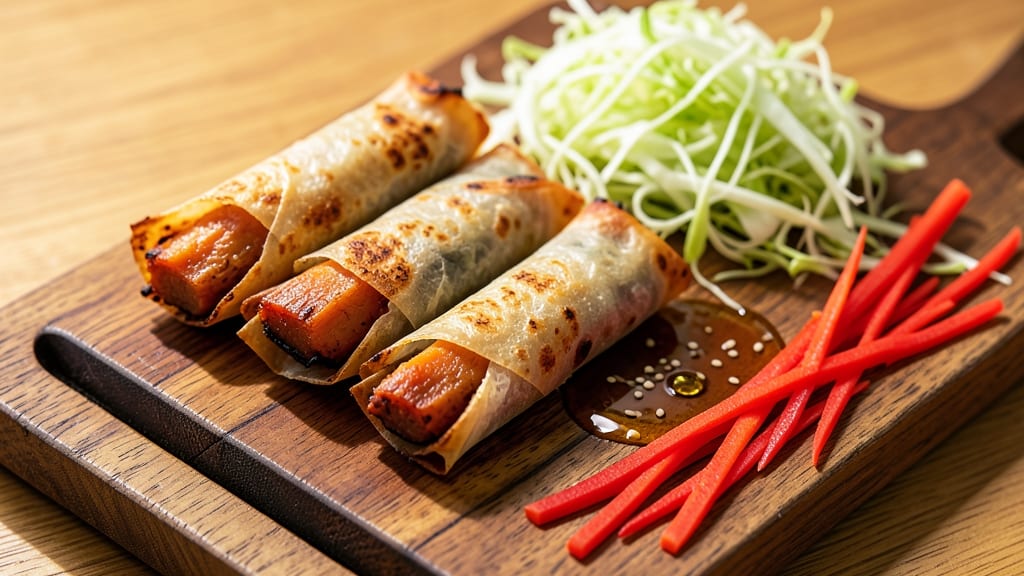
This sweet potato spring rolls recipe delivers crispy, golden wraps packed with tender sweet potato and fresh vegetables—perfect for any meal. The secret lies in thinly slicing the sweet potatoes and wrapping them tightly in rice paper for that signature crunch.
I developed this version to balance texture and flavor, ensuring every bite is both satisfying and light.
The filling combines roasted sweet potatoes with shredded carrots, cabbage, and herbs, all bound together with a light tamari or soy sauce glaze. For extra richness, I add a touch of sesame oil and garlic powder, which enhances the natural sweetness of the potatoes.
The key to achieving that crispy exterior is a quick fry in hot oil—just enough to set the rolls without making them soggy.
Once golden and crispy, these spring rolls pair beautifully with a creamy peanut dipping sauce made from peanut butter, lime juice, and a splash of coconut milk. The sauce cuts through the richness of the rolls while adding a tangy contrast.
This recipe is naturally vegetarian and can easily be made vegan by using rice paper wrappers and plant-based peanut butter.
Serve these spring rolls as an appetizer, side dish, or even a light main course with a fresh cucumber salad. The combination of textures—crispy, creamy, and tender—makes them irresistibly addictive. Let’s get started!
Ingredients for sweet potato spring rolls
Crispy wraps need these 14 ingredients for perfect texture and flavor balance.
| Ingredient | Amount | Notes |
|---|---|---|
| Medium Sweet Potatoes 🍠 | 2 whole | Peeled and thinly sliced |
| White Cabbage 🥬 | 2 cups | Shredded, finely chopped |
| Carrots 🥕 | 2 medium | OR 1 cup grated |
| Rice Paper Wrappers 🍱 | 12 whole | Store-bought, 7-inch size |
| Tamari or Soy Sauce 🍶 | 2 tbsp | Low-sodium preferred |
| Sesame Oil 🫒 | 1 tbsp | Toasted sesame preferred |
| Garlic Powder 🧄 | 1 tsp | Freshly ground preferred |
| Vegetable Oil 🫒 | 2 cups | For frying, high smoke point |
| Peanut Butter 🥜 | ½ cup | Natural, unsweetened |
| Lime Juice 🍋 | 2 tbsp | Freshly squeezed |
| Coconut Milk 🥥 | ¼ cup | Full-fat for creaminess |
| Fresh Cilantro 🌿 | ¼ cup | Chopped, for garnish |
| Salt 🧂 | ½ tsp | Kosher or sea salt |
| Black Pepper 🌶️ | ¼ tsp | Freshly ground |
Sweet potatoes are the star here—choose firm, vibrant orange ones with smooth skin. Trader Joe's and Whole Foods carry the best varieties, but any grocery store’s organic section works. Thinly slice them while still warm from roasting (about 1/8-inch thick) for even cooking. The cabbage should be crisp—if it feels limp, soak it in ice water for 10 minutes to revive. For the rice paper wrappers, check the expiration date—they dry out fast once opened, so store them sealed in the fridge until use.
No tamari? Soy sauce works fine, but reduce to 1.5 tbsp to avoid saltiness. Sesame oil can be swapped for neutral oil, but you’ll lose that nutty depth. The peanut butter in the sauce must be natural—no added sugar or oils. For a vegan version, use plant-based peanut butter and ensure your rice paper wrappers are 100% rice flour-based (some contain egg). The carrots can be baby carrots or julienned—just adjust the amount to keep 1 cup total. If your oil gets too hot, the rolls will burn before crisping—keep it around 350°F.
Store uncooked filling in an airtight container for 2 days—the flavors meld beautifully overnight. Cooked spring rolls reheat best in a 200°F oven for 10 minutes to restore crispiness. The peanut sauce keeps for 5 days in the fridge, but add a splash of water if it thickens. For extra crunch, freeze cooked rolls between parchment paper for up to 1 month—reheat in the air fryer for 2 minutes.
Why You'll Love This Recipe
- No Peel, No Stress: I’ll admit—peeling sweet potatoes feels like overkill for these. Just scrub, slice, and roast. The skins stay on, and honestly? That crispy edge when you pan-fry them later? Chef’s kiss. No one will notice (or care) if you skip the peeling.
- Sweet-Savory Magic: The roasted sweet potatoes bring this dish—caramelized, almost buttery—while the tamari-soaked cabbage and shredded carrots add that bright, tangy crunch. It’s the kind of balance that makes you reach for seconds without even thinking.
- Lunchbox Hero: Between us, these are my go-to for packed lunches. Wrap them in a damp paper towel, toss in a bento box, and they stay fresh for three days. No reheating needed—just grab and go. (Yes, even on a Tuesday night.)
- Pantry Staple Power: Sweet potatoes and cabbage last forever. Carrots? You probably already have them. Rice paper wrappers? One box covers dozens of rolls. This recipe costs next to nothing to make, and the leftovers? They disappear faster than I can say “extra dipping sauce.”
Step-by-step instructions for sweet potato spring rolls
Here's how to create perfectly crispy spring rolls with a flavorful filling and creamy peanut dipping sauce.
Prepare the Sweet Potato and Vegetable Filling
First, peel and thinly slice the 2 whole medium sweet potatoes using a mandoline or sharp knife. You want slices about ⅛-inch thick. Blanch them in boiling water for 2 minutes to soften slightly, then drain and pat dry with paper towels. This prevents the filling from getting soggy during frying.
Next, shred the 2 cups white cabbage and grate the 2 medium carrots (or use 1 cup pre-grated). Place all prepared vegetables in a large bowl and toss with the 2 tablespoons tamari or soy sauce, 1 teaspoon garlic powder, and ½ teaspoon salt. Mix well and let the vegetables marinate for 10 minutes at room temperature. This helps develop the flavors and ensures a cohesive filling texture.
Assemble the Spring Rolls
Fill a large shallow dish with warm water - this will soften the rice paper wrappers. Dip one 7-inch rice paper wrapper at a time into the water at a slight angle, letting it soak for 10-15 seconds until pliable but not soggy. I like to work quickly but carefully to maintain the wrapper's integrity.
Lay the softened wrapper on a clean surface and arrange about ¼ cup of the prepared vegetable mixture in a line about 1 inch from the bottom edge. Fold the bottom edge over the filling, then fold in both sides, and finally roll tightly from the bottom up, tucking in the sides as you go. Repeat with remaining wrappers and filling.
Fry Until Golden and Crispy
Heat the 2 cups vegetable oil in a deep fryer or heavy pot to 350°F. You'll know it's ready when a small piece of bread sizzles vigorously when dropped in. Fry the spring rolls in batches for 2-3 minutes until they're a beautiful golden brown color and crisp all over.
Transfer the fried spring rolls to a paper towel-lined plate to drain excess oil. The key here is maintaining the oil temperature - if it drops below 340°F, the rolls will absorb too much oil and become greasy rather than crispy. Work in batches if needed to maintain temperature.
Make the Creamy Peanut Dipping Sauce
In a small bowl, combine the ½ cup peanut butter, 2 tablespoons lime juice, ¼ cup coconut milk, and ¼ teaspoon black pepper. Whisk vigorously until smooth and creamy. Then drizzle in the 1 tablespoon sesame oil while whisking continuously. The sauce should have a rich, velvety texture with a perfect balance of tangy, nutty, and slightly spicy flavors.
Adjust the consistency by adding a splash of warm water if needed, or thin with a bit more lime juice if it's too thick. Garnish with the chopped ¼ cup fresh cilantro just before serving to add a bright, fresh contrast to the rich peanut sauce.
Serve Immediately for Maximum Crispiness
Serve the spring rolls immediately while they're still crispy, accompanied by the creamy peanut dipping sauce. The contrast between the warm, crispy rolls and cool, creamy sauce creates an irresistible combination. For extra presentation, arrange the spring rolls on a platter with the sauce in a small bowl at the center.
These spring rolls should maintain their crispiness for about 15-20 minutes after frying. If you need to serve them later, keep them warm in a 200°F oven on a wire rack to prevent sogginess. The secret to perfect spring rolls lies in the crispy exterior and flavorful filling balanced by the creamy, tangy sauce.
Pro Tips For Making Sweet Potato Spring Rolls
- Parboil Sweet Potatoes First: I learned this the hard way—roasting whole sweet potatoes before shredding makes them far easier to handle. Cut them into 1-inch cubes, toss with 1 tsp oil, and roast at 400°F (200°C) for 15 minutes before shredding. They’ll cook faster and hold their shape in the roll.
- Shred Cabbage Thin and Cold: Skip the limp, soggy wrapper nightmare by prepping cabbage right. Core and slice it thin—almost translucent—and store it in ice water for 10 minutes before draining. Cold cabbage wrings out better, and the texture stays crisp even after rolling.
- Dry Carrots Like a Pro: Freshly grated carrots leak like a sieve, turning your filling into a mushy mess. Rub them between your palms or pat them dry with a towel before mixing with other ingredients. Wet carrots = sad, soggy rolls.
- Use Tamari Sparingly: Tamari’s salty punch packs a wallop—way more than soy sauce. Start with just 1 tsp per roll (or even less), then adjust to taste. Too much, and your spring rolls taste like they’re drowning in a soy bath. Taste the filling before wrapping.
Common mistakes when making great sweet potato spring rolls
Over-Soaking Wrappers
Rice paper wrappers are delicate, and soaking them too long makes them flimsy and prone to tearing. I’ve seen beginners leave them in water for 20+ seconds, which turns them mushy. The ideal soak time is 10-15 seconds—just enough to soften without losing structure.
Work quickly but carefully, and keep a damp towel handy to prevent them from drying out while assembling. 🍱
Uneven Filling Distribution
Stuffing the filling too close to the edges or piling it unevenly causes gaps or bulges when rolling. For perfect rolls, arrange the filling in a 1-inch line from the bottom edge, leaving ½-inch clearance on all sides.
This ensures tight, even rolls that fry uniformly. If your filling is too wet, pat it dry with a paper towel before wrapping. 🥬
Oil Temperature Swings
Frying spring rolls at inconsistent temperatures is the fastest way to ruin their crispiness. If the oil drops below 340°F, the rolls absorb too much oil and turn greasy. Use a deep-fry thermometer to monitor the temperature—it should stay steady between 350-375°F.
Fry in small batches to avoid overcrowding, and keep a lid nearby to minimize heat loss. 🌡️
Skipping the Blanch Step
Raw sweet potato slices release excess moisture when fried, leading to soggy rolls. Always blanch the slices for 2 minutes before assembling to remove surface starch. Drain and pat them very dry with paper towels—this step is non-negotiable for crispy results.
I’ve tested both ways, and the difference is night and day. 🍠
Overfilling the Rolls
Packing too much filling into a wrapper strains the rice paper, causing it to split during frying. Stick to ¼ cup per roll—this is the perfect balance for a tight, stable wrap. If your filling seems too loose, add ½ teaspoon cornstarch to bind it together before assembling. 💡
Not Draining Properly
Transferring fried rolls directly to a paper towel-lined plate is crucial for crispiness. If you stack them on a wet towel or leave them in the fryer basket, they’ll steam and lose their crunch.
Use a slotted spoon to lift them gently, then place them on a single layer of paper towels. For extra crispiness, sprinkle with ½ teaspoon cornstarch before frying—it creates a delicious, golden crust. 🔥
Nutrition facts
Frequently asked questions
Can I bake these sweet potato spring rolls instead of frying?
Yes! For a lighter version, brush the assembled rolls with 1 tablespoon oil and bake at 400°F for 12-15 minutes on a wire rack (not a pan) until golden. They won’t be as crispy as fried, but still delicious. For extra crunch, spray with oil and broil for 2 minutes at the end.
What if I don’t have rice paper wrappers?
Use 7-inch round wonton wrappers or somersault wrappers as substitutes—they’re sturdier and hold up better to frying. For a gluten-free option, look for corn tortillas (cut into strips) or lettuce leaves (for a low-carb version). Just adjust the filling amount to 1/3 cup per wrap.
How do I make the peanut sauce spicier?
Add ½ teaspoon sriracha or ¼ teaspoon cayenne pepper to the sauce for heat. For depth, stir in ½ teaspoon chili flakes or a pinch of red pepper flakes. Balance the spice with an extra ½ tablespoon lime juice to keep it tangy.
Can I prep the filling ahead of time?
Store the raw filling in an airtight container for up to 2 days in the fridge. The flavors deepen overnight. For longer storage, freeze the filling for 1 month. Thaw in the fridge before assembling. The peanut sauce keeps for 5 days—just whisk before serving.
Are these spring rolls gluten-free?
Only if you use gluten-free tamari and gluten-free rice paper wrappers. Check labels—some rice paper contains wheat. For a fully gluten-free version, swap tamari for coconut aminos and verify all sauce ingredients. The filling itself is naturally gluten-free.