
Side Dishes
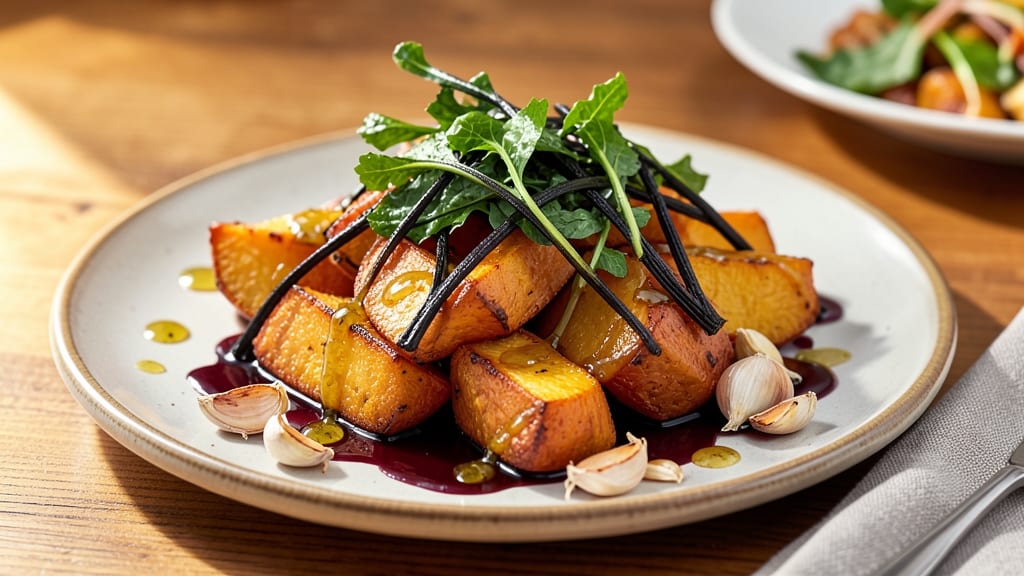
This sweet potato Swiss chard recipe transforms humble ingredients into a hearty, nutrient-packed dish that feels like a restaurant-worthy meal. The natural sweetness of roasted sweet potatoes pairs perfectly with the earthy depth of Swiss chard, creating a balance that’s both comforting and sophisticated.
What makes this recipe stand out is how simple yet impressive it is—no fancy techniques required, just a few key steps that deliver bold flavors and satisfying textures.
The secret lies in roasting the sweet potatoes until their edges develop a nutty crispness while their centers remain tender, then wilted Swiss chard that absorbs the caramelized sweetness of the potatoes.
A touch of garlic and olive oil elevates the dish without overpowering the natural flavors, while a sprinkle of toasted nuts or crumbled feta adds texture and richness. This dish is designed to be vegetarian-friendly but hearty enough to satisfy even meat lovers.
By the time you’re done, you’ll have a complete meal—warm, flavorful, and packed with nutrients—ready to serve alongside grilled proteins, crusty bread, or even as a standalone dish.
The aroma alone will have everyone at the table asking for seconds, and the leftovers reheat beautifully for lunch the next day. It’s the kind of recipe that proves simple ingredients can create something extraordinary with the right technique.
Whether you’re meal prepping for the week or preparing a special dinner, this sweet potato Swiss chard dish delivers on flavor, nutrition, and ease. Let’s get started—your taste buds (and dinner guests) will thank you.
Ingredients for sweet potato swiss chard
Roasted sweet potatoes with Swiss chard create a sophisticated vegetarian dish using simple, nutrient-rich ingredients.
| Ingredient | Amount | Notes |
|---|---|---|
| Sweet Potatoes 🍠 | 1 ½ lb | Medium-sized, peeled and cubed |
| Swiss Chard 🌿 | 1 lb | Stems chopped, leaves torn |
| Extra-Virgin Olive Oil 🫒 | ½ cup | High-quality, fruity variety |
| Garlic Cloves 🧄 | 4 cloves | Minced for even distribution |
| Vegetable Broth 💧 | 1 cup | Low-sodium preferred |
| Balsamic Vinegar 🍷 | 1 tbsp | For depth of flavor |
| Maple Syrup 🍁 | 1 tbsp | Pure, grade B preferred |
| Toasted Pecans 🌰 | ¼ cup | Chopped for garnish |
| Vegetarian Feta Cheese 🧀 | ½ cup | Crumbled, optional |
| Diamond Crystal Kosher Salt 🧂 | 1 ½ tsp | For seasoning |
| Freshly Ground Black Pepper 🌶️ | ½ tsp | Adjust to taste |
| Lemon Juice 🍋 | 1 tbsp | Freshly squeezed |
The sweet potatoes are the foundation of this dish, so choose ones with vibrant orange flesh and smooth skin—organic varieties often have richer flavor. Whole Foods and Trader Joe's carry excellent options, or look for the sweetest potatoes in the produce section of your local grocery store. Peeled and cubed evenly, they'll develop that perfect nutty crispness while staying tender inside. Swiss chard should have deep green leaves and crisp stems—avoid any with wilted or yellowing edges. The stems add earthy depth, so don't trim them completely; just chop them into bite-sized pieces before cooking.
No maple syrup? Agave nectar or honey works equally well, though maple adds a subtle caramel note that complements the sweet potatoes beautifully. Substituting pecans? Toasted walnuts or almonds provide a similar crunch, though pecans offer a slightly sweeter profile. For a dairy-free version, omit the vegetarian feta or use nutritional yeast for a cheesy flavor. The vegetable broth can be swapped for white wine or apple cider if you prefer, though broth adds a savory backbone that's essential when paired with the sweet potatoes. If you're short on time, baby Swiss chard works just as well—just halve the stems to ensure even cooking.
Roasted sweet potatoes keep well in the fridge for 4-5 days if stored in an airtight container, though they're best enjoyed within 2 days for optimal texture. Swiss chard wilts quickly, so cook it fresh or store the stems and leaves separately—stems last 5 days while leaves should be used within 3 days. For meal prep, roast the sweet potatoes ahead and store them separately, then wilt the chard and combine just before serving. The dish reheats beautifully—simply warm in a skillet with a splash of water or broth to restore moisture. Portion into containers with the nuts and cheese on top so everything stays fresh.
Why You'll Love This Recipe
- One-Pan Magic: I swear by this dish for nights when I’d rather not wash a million pots. Sweet potatoes roast right alongside the chard—no flipping, no fuss—just caramelized edges and tender greens in one sheet pan. The garlic and olive oil do all the work while I sip my coffee.
- Earthy-Garlicky Bliss: That first bite? Rich, slightly sweet potatoes meet the peppery bite of Swiss chard, all wrapped in garlic-kissed olive oil. It’s the kind of flavor that lingers—like a hug from a meal you didn’t even realize you needed.
- Meal Prep MVP: Between us, this keeps perfectly for four days. The sweet potatoes stay tender, the chard doesn’t wilt, and I’ve sent leftovers to work with zero complaints. Honestly, it’s my go-to for lunchboxes or lazy dinners when I’m not in the mood to cook.
- Budget-Friendly Powerhouse: Sweet potatoes and chard are dirt cheap, and a head of garlic lasts forever. I’ve made this for under $3 per serving—no fancy ingredients, just real food that actually fills you up. (Yes, even on a Tuesday night.)
Step-by-step instructions for roasted sweet potatoes with Swiss chard
This method balances caramelized sweet potatoes with tender Swiss chard, all while developing deep, earthy flavors through precise roasting and braising.
Roast Sweet Potatoes Until Caramelized
Preheat your oven to 400°F and line a large baking sheet with parchment paper. Toss the 1.5 lb sweet potatoes with 0.25 cup of the extra-virgin olive oil, 1 tsp of the diamond crystal kosher salt, and 0.25 tsp of the freshly ground black pepper. Spread them in a single layer, ensuring they don't overlap—this prevents steaming and promotes even browning.
Roast for 25-30 minutes, stirring once halfway through, until the edges are deep golden brown and the sweet potatoes yield slightly to pressure. The interior should still have a slight resistance—this ensures they finish cooking without turning mushy. Remove from the oven and set aside, reserving the baking sheet for the Swiss chard.
Sauté Swiss Chard Until Tender-Crisps
In a large oven-safe skillet, heat 0.25 cup of the extra-virgin olive oil over medium heat. Add the 1 lb Swiss chard stems first and cook for 3-4 minutes until softened. Stir in the 4 cloves minced garlic and cook for 30 seconds until fragrant—this prevents burning and ensures even flavor distribution.
Add the Swiss chard leaves and toss gently to wilt. Cook for 2-3 minutes until the leaves are tender but still vibrant green. Transfer the skillet to the preheated oven and keep warm while you prepare the sauce.
Build the Braising Sauce
In the same baking sheet used for the sweet potatoes, combine the 1 cup vegetable broth, 1 tbsp balsamic vinegar, and 1 tbsp maple syrup. Bring to a simmer over medium heat and let reduce by half—about 5-7 minutes. The sauce should thicken slightly and develop a glossy sheen, intensifying the sweet-tangy balance.
Stir in the remaining 0.5 cup extra-virgin olive oil and 1 tbsp lemon juice to emulsify. Season with the remaining 0.5 tsp diamond crystal kosher salt and 0.25 tsp freshly ground black pepper. This sauce will marry the roasted sweet potatoes and Swiss chard into a cohesive dish.
Combine and Finish
Return the roasted sweet potatoes to the baking sheet and pour the braising sauce over them. Toss gently to coat, then transfer everything to the oven-safe skillet with the Swiss chard. Roast at 400°F for 10-12 minutes until the sweet potatoes are fork-tender and the chard is fully infused with the sauce's flavors.
Remove from the oven and stir in the 0.5 cup crumbled vegetarian feta cheese and 0.25 cup toasted pecans. The feta adds a briny contrast, while the pecans introduce a satisfying crunch. Serve immediately, garnished with additional pecans if desired.
Pro Tips For Making Sweet Potato Swiss Chard
- CUT CHARD STEMS LENGTHWISE: I learned this the hard way—whole chard stems stay tough no matter how long you cook them. Split them down the middle like a hot dog bun before chopping, then slice thinly. They’ll soften faster and soak up that sweet potato flavor like a sponge.
- ROAST POTATOES FIRST: Toss the sweet potatoes in olive oil, salt, and pepper, then roast them at 425°F (220°C) for 20-25 minutes until tender. They’ll caramelize just enough to deepen the flavor without turning to mush when you later add them to the chard.
- SALT THE BROTH LIBERALLY: Vegetable broth is often bland, and this dish relies on it. Add an extra ½ teaspoon of salt per cup of broth while simmering—especially if you’re using low-sodium. The chard will absorb it, and you won’t taste the broth’s weakness.
- STIR THE CHARD CONSTANTLY: Swiss chard wilts fast but burns faster. Once you add the chopped greens to the pot, keep them moving with a wooden spoon every 30 seconds. It’s annoying, but it guarantees tender, vibrant leaves instead of crispy black bits.
Perfect pairings for this dish
Protein Pairings
This dish shines as a vegetarian main but pairs beautifully with proteins for a heartier meal. Grilled chicken breast or salmon fillets add lean protein without overpowering the sweet potatoes and chard.
I love serving it alongside herb-crusted pork tenderloin—the pork's richness complements the dish's earthy notes. For a lighter option, try seared shrimp skewers with a lemon-garlic glaze. 🍗
Bread Pairings
Warm, crusty bread soaks up the braising sauce beautifully. A freshly baked baguette or sourdough loaf is perfect for dipping into the leftover sauce. For extra flair, toast brioche rolls with garlic butter or sprinkle everything bagel seasoning on top.
I often serve it with warm naan or flatbread for a global twist. 🥖
Dessert Pairings
Balance the dish's earthy sweetness with a light dessert. A scoop of vanilla bean ice cream with a drizzle of honey creates a perfect contrast. For something fruitier, try poached pears in red wine or a citrus sorbet to cleanse the palate.
I also love a simple dark chocolate square with sea salt for a sophisticated finish. 🍫
Beverage Pairings
A crisp white wine like Sauvignon Blanc or Pinot Grigio cuts through the dish's richness with its bright acidity. For beer lovers, a wheat beer or pilsner provides a refreshing contrast. Iced hibiscus tea or sparkling water with lemon are great non-alcoholic options that enhance the dish's natural flavors. 🍷
Seasonal Variations
In summer, add grilled corn kernels or cherry tomatoes> to the dish for extra freshness. For fall, swap pecans for walnuts> and add roasted butternut squash> to the mix. Winter calls for a touch of cranberry sauce> or pomegranate seeds> for a festive twist.
I often adjust the sauce with seasonal spices like cinnamon> in fall or fresh herbs> in spring. 🍂
Nutrition facts
Frequently asked questions
Can I substitute regular potatoes for sweet potatoes in this recipe?
While you can technically use regular potatoes, sweet potatoes are essential for this dish's signature flavor and texture. Their natural sweetness and creamy interior create a perfect balance with the earthy Swiss chard. If you must substitute, try purple or orange-fleshed potatoes for better flavor, but expect a slightly different taste profile and texture.
How do I know when the Swiss chard is cooked perfectly?
The Swiss chard is done when the stems are tender and the leaves are just wilted but still vibrant green. Aim for 2-3 minutes of cooking time after adding the leaves—overcooking will turn them mushy. The stems should be easily pierced with a fork, and the leaves should collapse gently when touched.
Can I make this dish ahead of time?
Yes, but with a few adjustments! Roast the sweet potatoes 1-2 days ahead and store them in an airtight container. Reheat them in a skillet with a splash of water or broth to restore moisture. Cook the Swiss chard fresh or store the stems and leaves separately—stems last 5 days while leaves should be used within 3 days. Combine everything just before serving for the best texture.
What if I don't have balsamic vinegar?
No problem! Substitute with apple cider vinegar or red wine vinegar for a similar tangy depth. If you're avoiding vinegar entirely, try a splash of lemon juice instead—it'll add brightness but won't provide the same caramelized notes. The dish will still be delicious, just with slightly different flavor complexity.
Is this recipe kid-friendly?
With some modifications, absolutely! Skip the balsamic vinegar and reduce the garlic to 2 cloves for milder flavors. Omit the pecans and feta, or use butter instead of olive oil for a more familiar taste. The sweet potatoes will still be a hit—just cut them into smaller, bite-sized pieces for little ones.