
Side Dishes
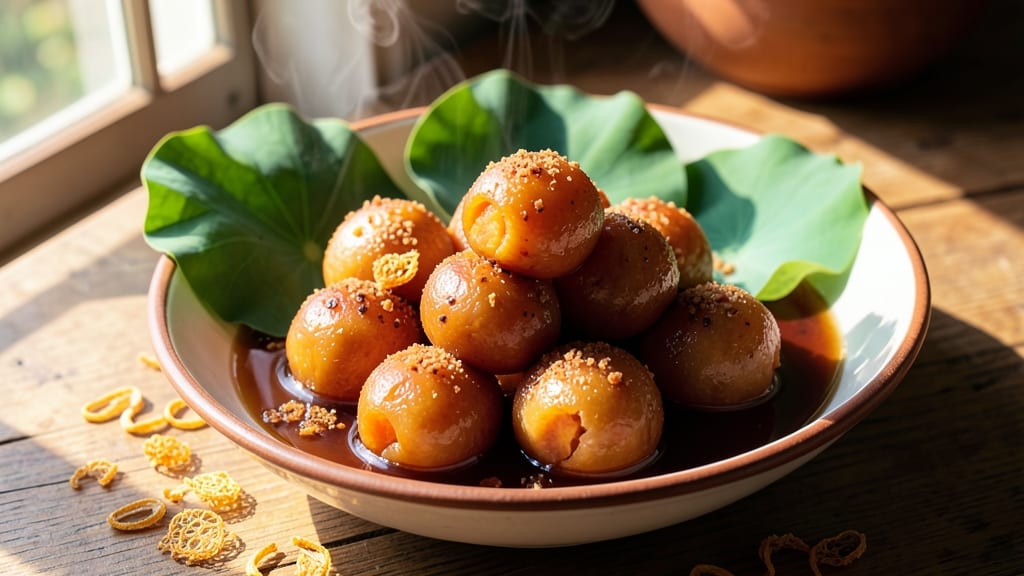
This sweet potato tang yuan recipe transforms simple ingredients into pillowy, gluten-free rice balls that feel like a warm hug in every bite. 💛 Perfect for Lunar New Year celebrations or cozy family gatherings, these delicate dumplings combine chewy glutinous rice dough with a rich, spiced sweet potato filling—no wheat, no fuss, just pure comfort.
The magic lies in the dough's elasticity and the filling's perfect balance of sweetness and earthy depth. I've refined this recipe over years to ensure the sweet potato mixture stays moist while the dough remains tender after boiling. The key?
A light dusting of rice flour and gentle shaping to avoid tearing. By the time you steam them to golden perfection, you'll have a tray of gluten-free tang yuan that taste like a cross between a dumpling and a dessert.
The brown sugar filling caramelizes slightly, creating pockets of sweetness that contrast beautifully with the dough's natural chewiness. Serve warm with coconut milk or a drizzle of honey for extra indulgence. This recipe is vegetarian-friendly and scales perfectly for parties or meal prep. Let's get started!
Ingredients for sweet potato tang yuan
Gluten-free rice flour, sweet potatoes, and brown sugar form the heart of these comforting tang yuan.
| Ingredient | Amount | Notes |
|---|---|---|
| Glutinous Rice Flour 🍚 | 1 ½ cups | Also called sweet rice flour |
| Sweet Potatoes 🍠 | 1 ½ lbs | Peeled and cubed small |
| Brown Sugar 🍯 | 1 cup | Packed, light brown preferred |
| Rice Flour 🌾 | ¼ cup | For dusting and dough |
| Water 💧 | ¾ cup | Room temperature preferred |
| Vegetable Oil 🫒 | 2 tbsp | For dough elasticity |
| Ground Cinnamon 🌿 | 1 tsp | For filling warmth |
| Vanilla Extract 🌸 | 1 tsp | Pure vanilla preferred |
| Coconut Milk 🥥 | ½ cup | Full-fat for richness |
| Salt 🧂 | ½ tsp | Fine sea salt preferred |
| Honey 🍯 | 1 tbsp | For finishing drizzle |
| Sesame Seeds 🌾 | 1 tbsp | Toasted for garnish |
The glutinous rice flour is non-negotiable—it's what gives those dumplings their signature chew. Bob's Red Mill or Mochiko are my go-to brands, but any quality sweet rice flour works. For the sweet potatoes, orange-fleshed varieties like Jewel or Beauregard are perfect—their natural sweetness caramelizes beautifully. Look for firm, unblemished tubers at Whole Foods or your local Asian market. The brown sugar should be packed, not clumpy, and light brown for that perfect balance of sweetness and molasses depth. If you can't find it, substitute with dark brown sugar but add an extra pinch of cinnamon to compensate for the flavor difference.
No sweet rice flour? Tapioca starch mixed with all-purpose flour (1:1 ratio) can work in a pinch, though the texture won't be identical. For the sweet potatoes, canned pumpkin puree is a decent substitute if you're in a hurry, but fresh is always better. The coconut milk can be swapped for full-fat evaporated milk if you're avoiding coconut, but the flavor will be subtly different. For the filling, if you're out of vanilla extract, vanilla bean paste works even better. The sesame seeds? Toast them in a dry pan for 30 seconds until fragrant—that aroma makes all the difference. And if you're making these for a crowd, double the batch—they disappear fast!
Store the dry dough in an airtight container with a damp towel to prevent cracking, good for 3 days in the fridge. The filling mixture keeps for 5 days in the fridge, but make it fresh if you can. For meal prep, shape the filled dumplings and freeze them unsteamed on a tray, then transfer to a bag. Steam straight from frozen—add 2 minutes to the cooking time. These reheat beautifully, so make extra. The best part? They taste even better the next day as the flavors meld. Serve warm with that coconut milk drizzle—trust me on this—it's pure comfort in a bowl.
Why You'll Love This Recipe
- No-Knead Magic: I swear by the dough—just mix glutinous rice flour and water until it’s stretchy but not sticky. Roll those sweet potato balls into pillows, steam them, and watch them puff into golden clouds. No fancy skills needed.
- Sweet Potato Bliss: The filling is where it gets good. Roasted sweet potatoes caramelized with brown sugar? That’s the kind of sweetness you’ll crave. The contrast of creamy filling and chewy dough? Pure satisfaction.
- Party in a Bowl: These are my go-to for Lunar New Year, but honestly? They’re great any time. Serve them hot with a drizzle of honey or sprinkle with sesame seeds for a fancy touch. Kids love picking them up, and adults love the taste.
- Budget-Friendly Treasure: Sweet potatoes are cheap, flour is cheap, and a batch makes enough for leftovers. I’ve reheated them in the microwave for days—still delicious. Plus, the dough freezes well, so I make a big batch and save time later.
Step-by-step instructions for sweet potato tang yuan
Here's how to craft pillowy, gluten-free tang yuan with a luscious sweet potato filling.
👨🍳 Step 1: Prepare the Sweet Potato Filling
In a medium saucepan, combine the 1.5 lbs Sweet Potatoes (previously peeled and cubed), 0.5 cup Coconut Milk, 1 cup Brown Sugar, 1 tsp Vanilla Extract, 1 tsp Ground Cinnamon, and 0.5 tsp Salt. Bring to a gentle boil over medium heat, then reduce to a simmer for 15-20 minutes until the sweet potatoes are fork-tender and the mixture thickens into a smooth paste.
Mash the sweet potatoes against the side of the pan with a potato masher or wooden spoon until completely smooth. The filling should be thick enough to hold its shape when dropped from a spoon but still spreadable. If it's too thick, add 1-2 tablespoons of the 0.75 cup Water to achieve the right consistency. Let it cool completely before using.
👨🍳 Step 2: Make the Tang Yuan Dough
In a large bowl, mix the 1.5 cups Glutinous Rice Flour with 2 tbsp Vegetable Oil and 0.75 cup Water until a smooth, elastic dough forms. I use my hands for this—knead gently for 3-4 minutes until the dough is pliable and no longer sticky. If it feels too dry, add 1 teaspoon of water at a time until it reaches the right texture.
Divide the dough into 16 equal portions (about 1.5 ounces each). Roll each portion into a ball, then flatten slightly into a disc. Place a 1-teaspoon portion of the sweet potato filling in the center of each disc. Gently pinch the edges together, sealing tightly to form smooth balls. Here's the thing—don't overwork the dough or the filling will leak during boiling.
🥘 Step 3: Dust and Boil the Tang Yuan
Lightly dust a clean surface with 0.25 cup Rice Flour and roll each filled tang yuan ball in the flour to prevent sticking. Bring a large pot of water to a gentle boil—this is crucial for even cooking. Once boiling, carefully add 4-5 tang yuan balls at a time, stirring gently to prevent sticking.
Simmer for 8-10 minutes until they float to the surface and are plump and translucent. Use a slotted spoon to remove them and transfer to a plate lined with paper towels. The dough should be soft but firm to the touch—if they feel too soft, they need a minute longer in the water. Repeat with remaining balls, working in batches to avoid overcrowding.
🍽️ Step 4: Serve Warm with Honey and Sesame
Once all tang yuan are cooked, transfer them to a serving platter. Drizzle with 1 tbsp Honey and sprinkle with 1 tbsp toasted Sesame Seeds. Serve immediately while still warm—this is when they're at their most tender. The honey adds a beautiful glossy finish and complements the sweet potato filling perfectly.
For best results, eat within 20 minutes of serving. The texture changes as they cool, becoming slightly firmer. Pair with a cup of hot tea for the complete experience—each bite should deliver that perfect balance of pillowy dough and luscious, spiced sweet potato filling.
Pro Tips For Making Sweet Potato Tang Yuan
- STEAM AT 212°F: I learned this the hard way—tang yuan need a rolling boil, not a lazy simmer. If your water’s below 212°F, they’ll turn gummy instead of chewy. Use a thermometer or watch for a hard boil before dropping them in.
- GRATE SWEET POTATO DRY: Skip the wet grating—it adds moisture you don’t need. Rub the raw sweet potato against a box grater with the rind on, then squeeze out excess liquid with a clean towel. Wet filling = soggy dumplings.
- ROLL FILLING TIGHT: Loose centers split when steamed. Pack the sweet potato mix firmly into the dough cups—think "no gaps," not "loose pile." A spoon helps compress it without tearing the wrapper.
- USE RICE FLOUR AS GLAZE: Brown sugar alone can make the exterior sticky. Mix 1 tablespoon rice flour into your syrup, then brush it on steamed tang yuan. It caramelizes into a glossy crust that won’t stick to your fingers.
Pro cooking tips for perfect results
Dough Elasticity Secrets
Glutinous rice flour is your secret weapon for that signature chewy texture, but the magic happens during kneading. I always add the 2 tbsp vegetable oil to the flour before mixing with water—this creates tiny pockets that trap steam during cooking.
Knead just until the dough comes together (3-4 minutes max), or you'll overwork the starches and end up with dense, gummy balls. If your dough cracks when rolling, let it rest for 10 minutes covered with a damp towel before shaping. 💫
Filling Consistency
The sweet potato filling needs to be thick enough to stay put but spreadable enough to seal properly. I aim for a consistency like thick peanut butter—when you drop a spoonful, it should hold its shape but still spread slightly.
If your filling is too runny, simmer it uncovered for another 2-3 minutes to evaporate excess moisture. Pro tip: Use a fine-mesh sieve to strain out any lumps before filling the dough. This ensures smooth, elegant balls every time.
Boiling Perfection
Never boil your tang yuan in a rolling boil—this causes them to burst. Maintain a gentle simmer with just a few bubbles breaking the surface. I use a wide, shallow pot (like a wok) to give the dumplings room to float freely.
If they stick together, add ½ tsp rice flour to the water. The moment they float and become translucent is your cue—they're done! Remove them immediately with a slotted spoon to prevent overcooking.
Shaping Like a Pro
For perfect seals, flatten each dough ball into a disc before adding filling. Use your thumb to create a small well in the center, then place the filling and pinch from the top down in a circular motion. This creates a smooth, even surface that cooks evenly.
If your balls develop cracks, don't panic—just roll them in extra rice flour before boiling. The key is gentle pressure: squeeze just enough to seal, but not so hard you squeeze out filling. 🍚
Batch Control
Work in small batches of 4-5 tang yuan at a time to maintain water temperature. If you overcrowd the pot, the water temperature drops and your dumplings steam instead of boil, leading to uneven cooking. I keep a thermometer handy to monitor water temperature—it should stay between 190-200°F.
For extra insurance, add the coldest batch of dumplings first, then work your way to room temperature ones. This keeps the water at a consistent simmer throughout.
Storage Hacks
For make-ahead convenience, shape your filled tang yuan and freeze them uncooked on a parchment-lined tray. Once frozen solid, transfer to a ziplock bag with parchment between layers to prevent sticking. Steam straight from frozen, adding 2 extra minutes to the cooking time.
The dough will be slightly firmer when reheated, but a quick dip in hot water for 30 seconds before serving restores that pillowy texture. Store cooked tang yuan in an airtight container for 2 days in the fridge—they reheat beautifully in a steamer basket over simmering water.
Nutrition facts
Frequently asked questions
Can I make these tang yuan without glutinous rice flour?
You can try substituting with a 1:1 mix of tapioca starch and all-purpose flour, but the texture will differ. The chewy quality comes from the natural starch in glutinous rice flour, which is hard to replicate. For best results, stick with authentic sweet rice flour—it's worth the specialty aisle trip!
Why did my tang yuan turn out too dense?
Overworking the dough or using too much water are common culprits. Knead just until combined (3-4 minutes max) and avoid adding extra water. Also, ensure your filling isn't too wet—it should hold its shape when dropped. If they're still dense after cooking, try adding 1 extra tablespoon of oil to the dough next time.
How do I prevent the filling from leaking during boiling?
Seal the edges tightly by pinching from the top down in a circular motion, and avoid overfilling. The dough should be slightly thicker than the filling. For extra insurance, chill the filled balls for 15 minutes before boiling—the cold makes the dough firmer. If leaks occur, roll them in extra rice flour before cooking.
Can I use regular sweet potatoes instead of orange-fleshed ones?
Yes, but the flavor will be milder. Orange-fleshed varieties like Jewel or Beauregard have natural sweetness that caramelizes beautifully. If using regular sweet potatoes, add 1 extra tablespoon of brown sugar to the filling and simmer slightly longer to enhance sweetness. The texture difference is minimal.
What's the best way to reheat leftover tang yuan?
Steam them in a bamboo steamer over simmering water for 3-4 minutes until heated through. For a quick fix, microwave for 20 seconds (covered) but they won't be as pillowy. To restore texture, dip in hot water for 10 seconds before serving. Store cooked tang yuan in an airtight container for up to 2 days in the fridge.