
Side Dishes
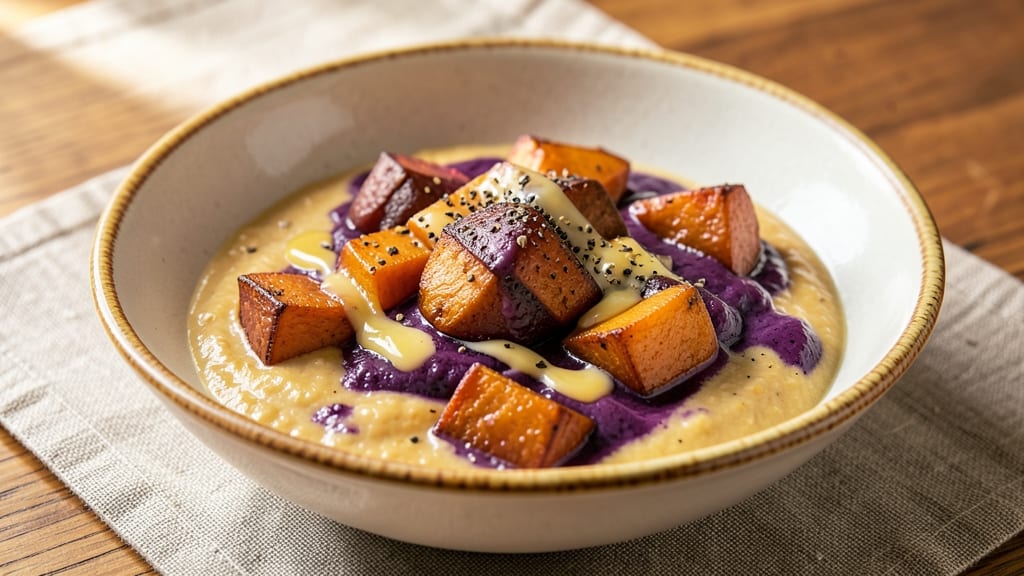
This sweet potato ube halaya recipe transforms humble sweet potatoes into a showstopping purple swirl dessert with velvety coconut cream.
The magic happens when you blend the earthy sweetness of boiled sweet potatoes with vibrant ube (purple yam) and rich coconut milk, creating a texture that's both silky and slightly firm when chilled.
I've perfected this Filipino classic to deliver that signature marbled effect—creamy coconut layers swirled with deep purple ube, all set against tender sweet potato strands.
The process is simpler than it looks: boil and mash sweet potatoes until smooth, then simmer with coconut milk and grated ube until thickened.
The key to that perfect halaya texture is patience—letting the mixture cook low and slow until it reaches that ideal consistency where it's thick enough to hold its shape but still luscious when served.
This version keeps the traditional elements while offering flexibility for modern twists, like adding vanilla or a hint of salt to balance the sweetness.
What you'll end up with is a dessert that's as beautiful as it is delicious—vibrant purple swirls against golden coconut cream, with the natural sweetness of sweet potatoes shining through.
Serve it chilled for a firmer texture or slightly warm for a more custard-like experience. The aroma alone will have everyone asking what's for dessert before you even finish cooking.
Perfect for special occasions or as a unique side dish with grilled meats, this halaya brings Filipino flavors to your table in a way that's both comforting and impressive.
The recipe scales beautifully, so you can make a small batch for two or a large one for a crowd. Let's get started on creating this vibrant purple masterpiece!
Ingredients for sweet potato ube halaya
Sweet potatoes, ube, and coconut milk create this stunning purple swirl dessert everyone will love.
| Ingredient | Amount | Notes |
|---|---|---|
| Large Sweet Potatoes 🍠 | 2 ½ lbs | Peeled and boiled until tender |
| Fresh Ube (Purple Yam) 🍠 | 1 lb | Grated or finely chopped |
| Coconut Milk 🥥 | 2 cups | Full-fat canned, well-shaken |
| Granulated Sugar 🍚 | 1 cup | Adjust to taste |
| Pure Vanilla Extract 🌿 | 1 tbsp | For depth of flavor |
| Salt 🧂 | ½ tsp | Balances sweetness |
| Unsweetened Coconut Flakes 🥥 | ¼ cup | Optional for garnish |
| Pure Maple Syrup 🍁 | ¼ cup | Optional for extra richness |
| Ground Cinnamon 🌶️ | ½ tsp | Warm spice touch |
| Fresh Coconut Cream 🥥 | ½ cup | For swirling (optional) |
| Water 💧 | ½ cup | For adjusting consistency |
The ube is the star here—look for fresh purple yam at Asian markets (the frozen kind works too, but fresh has more vibrant color). If you can't find fresh ube, ube halaya paste from the Filipino aisle is a solid backup. Sweet potatoes should be firm and smooth-skinned—orange-fleshed varieties work best for that classic halaya texture. Coconut milk matters too: Aroy-D or Thai Kitchen brands are reliable, but shake the can well before opening. The sweetness level is flexible, so adjust the sugar to your taste—some prefer it sweeter, others like a subtle sweetness to let the ube shine.
No ube? Blue spirulina powder or beet juice can mimic the purple color (though flavor will differ). Swap coconut milk for cashew cream if you're avoiding dairy (though this is naturally dairy-free). The vanilla and cinnamon are optional but recommended—they add warmth that complements the earthy sweet potatoes. For a modern twist, add 1 tsp salted caramel sauce to the finished mixture. The coconut cream swirl is optional but creates that showstopping marbled effect—just pipe it in after the halaya cools slightly.
Store leftovers in an airtight container for up to 5 days in the fridge. The texture gets even better after chilling—24 hours is ideal for that perfect balance between silky and firm. For a crowd, double the recipe—it scales beautifully. Garnish with toasted coconut flakes right before serving to keep it looking fresh. Freezes well for 3 months if you want to make ahead for special occasions.
Why You'll Love This Recipe
- No Chopping Needed: I swear by this recipe because you only need to peel and slice—no dicing, no mincing, no fuss. The sweet potatoes and ube get tossed whole into the pot, and the coconut milk does all the heavy lifting while you sip your coffee.
- Taste Like a Dessert: Between us, this isn’t just good—it’s that velvety-smooth, caramelized sweetness where the ube’s floral notes blend with the earthy sweet potatoes. A drizzle of coconut milk on top? Pure satisfaction in every bite.
- Meal Prep Magic: I make a big batch on Sundays and use it all week—on toast, with ice cream, or even as a filling for pastries. The sugar and vanilla keep it stable, so it doesn’t turn to mush, and honestly? It’s my go-to when I’m too tired to bake.
- Budget-Friendly Luxury: Fresh ube can be pricier, but here’s the hack: a single purple yam stretches far when simmered with sweet potatoes and coconut milk. Plus, the sugar and vanilla make it feel like a treat without breaking the bank. My wallet and taste buds win.
Step-by-step instructions for sweet potato ube halaya
Transform humble sweet potatoes into a velvety purple masterpiece with this foolproof method.
Prepare the Sweet Potatoes and Ube Base
Peel the 2.5 lbs large sweet potatoes and cut them into 1-inch chunks. Place them in a large pot and cover with 2 inches of cold water. Add the 0.5 tsp salt and bring to a boil over high heat. Once boiling, reduce to medium-high heat and cook for 12-15 minutes until fork-tender.
While the sweet potatoes cook, peel and grate the 1 lb fresh ube using a box grater or food processor. You want it finely grated—almost like a paste. The finer the ube, the smoother your halaya will be. I like to squeeze out any excess liquid from the grated ube using a clean kitchen towel to prevent a watery mixture.
Cook the Sweet Potatoes Until Silky
Drain the cooked sweet potatoes thoroughly, then return them to the pot. Add the grated ube, 2 cups coconut milk, 1 cup granulated sugar, and 0.5 cup water. Stir well to combine, then bring the mixture to a gentle simmer over medium heat. You'll see the sweet potatoes break down as they cook.
Simmer uncovered for 20-25 minutes, stirring occasionally, until the mixture thickens significantly and the sweet potatoes are completely mashed. You're looking for a consistency similar to thick pudding—it should coat the back of a spoon. If it's too thick too soon, add 1-2 tablespoons of water at a time. If it's too thin, simmer uncovered for another 5 minutes to reduce.
Add Flavorings and Finish Cooking
Once the sweet potato mixture reaches that perfect thick pudding consistency, stir in the 1 tbsp pure vanilla extract, 0.25 cup pure maple syrup, and 0.5 tsp ground cinnamon. Taste and adjust sweetness if needed—you can add more sugar or maple syrup at this stage. The mixture should be sweet but not cloying, with warm cinnamon notes.
Continue simmering gently for another 5 minutes to let all the flavors meld together. Here's where it gets magical—the vibrant purple color from the ube will deepen as it cooks. Remove from heat and let it cool slightly for 5 minutes before adding the coconut cream.
Swirl in the Coconut Cream (Optional)
For that classic halaya swirl, stir 0.5 cup fresh coconut cream into the warm mixture until fully incorporated. The coconut cream adds richness and creates beautiful marbled patterns when swirled. If you prefer a smoother texture, you can skip this step or blend it briefly with an immersion blender.
To create the swirl effect, transfer the mixture to a heatproof bowl and let it cool to room temperature. Once slightly thickened, use a spoon to create gentle swirls in the mixture. This step is purely decorative but makes the halaya look absolutely stunning when served. Cover and refrigerate for at least 2 hours to set properly.
Serve and Garnish Beautifully
When ready to serve, spoon the halaya into bowls. The texture should be smooth and velvety with those beautiful purple swirls throughout. Garnish with the 0.25 cup unsweetened coconut flakes for added crunch and visual appeal. Serve chilled or at room temperature with a dollop of whipped coconut cream or a scoop of vanilla ice cream for the ultimate tropical dessert experience.
This halaya keeps well in the refrigerator for up to 5 days. The flavors actually deepen as it sits, making it even more delicious the next day. Store it in an airtight container with plastic wrap pressed directly on the surface to prevent a skin from forming.
Pro Tips For Making Sweet Potato Ube Halaya
- PEEL UBE AFTER COOKING: That purple skin’s tough to scrape clean raw—save yourself the fight and boil the ube whole with its peel on. After simmering, the skin will slide off like butter. (Yes, even the stubborn bits.) Just don’t skip scrubbing it first—dirt hides in those crevices.
- STIR LOW AND SLOW: Ube halaya burns faster than you’d think. Once the coconut milk starts to thicken, drop the heat to lowest and stir every 2-3 minutes with a silicone spatula—especially around the edges. I learned this the hard way when my first batch turned into caramelized glue.
- GRATE SWEET POTATO DRY: Wet grated sweet potato turns to mush in your hands. Pat it thoroughly with paper towels before adding it to the pot—this keeps the texture smooth and prevents a watery, sad halaya. (Your blender will thank you too.)
- SWEETEN GRADUALLY: Dump all the sugar in at once, and you’ll end up with a grainy, unbalanced mess. Start with half the sugar, let it dissolve completely, then add the rest while stirring constantly. This also prevents the coconut milk from curdling—trust me, you’ll notice the difference.
Common mistakes when making your sweet potato ube halaya
Over-Sweetening Ruins Balance
I’ve made this mistake more than once—adding too much sugar or maple syrup early on. The sweet potatoes and ube already have natural sweetness, so taste as you go.
Start with the 1 cup granulated sugar and ¼ cup maple syrup called for, then adjust after the coconut milk is incorporated. A good rule: the halaya should taste like dessert, not candy. 🌶️
Skipping the Simmer Time
Rushing the 20-25 minute simmer is a fast track to a grainy texture. The sweet potatoes need time to fully break down into that silky consistency. If you’re impatient, you’ll end up with chunks or a watery mixture. Patience here is key—trust the process and stir occasionally to prevent sticking.
Using Low-Quality Coconut Milk
Not all coconut milk is created equal. Light or watery brands (like some store-bought versions) won’t give you that rich, creamy texture. Stick with full-fat canned coconut milk like Aroy-D or Thai Kitchen, and always shake the can well before opening.
The fat content is what creates that luxurious mouthfeel. Skimping here will leave your halaya thin and lackluster.
Ignoring the Cooling Phase
Adding the coconut cream swirl too early will make the mixture separate. Let the halaya cool to room temperature first—this allows it to thicken slightly, making the swirls hold their shape.
I’ve seen beautiful marbled patterns turn into a sad, broken mess when rushed. Take those 5 minutes to cool before swirling!
Over-Grating the Ube
While you want the ube finely grated, going too fine (like turning it into a paste) can make the halaya bitter. Aim for a texture between grated and finely chopped.
Also, don’t squeeze out all the liquid—just enough to prevent a watery mixture. Too much squeezing = less vibrant color and a drier final product.
Not Adjusting Consistency Properly
If your halaya is too thick, adding water won’t fix it—it’ll just dilute the flavors. Instead, simmer uncovered for 5 more minutes to reduce. If it’s too thin, a 1:1 cornstarch slurry (1 tbsp cornstarch + 1 tbsp water) can save it.
But prevention is better: keep an eye on the pot and stir regularly to avoid lumps.
Nutrition facts
Frequently asked questions about sweet potato ube halaya
Can I substitute ube with another purple ingredient?
Yes! If you can't find fresh ube, try ube halaya paste (found in Filipino markets) or blend purple sweet potatoes instead. For color only, use beet juice or blue spirulina powder, but the flavor will differ. The ube's natural sweetness and earthy notes are key to authentic halaya.
How do I know when the halaya is thick enough?
The perfect consistency coats the back of a spoon like thick pudding. Test by dipping a spoon in—it should hold its shape but still be smooth. If too thin, simmer uncovered for 5 more minutes to reduce. If too thick, add 1 tbsp water at a time while stirring. Patience is key!
Can I make this halaya without coconut milk?
Yes! Replace coconut milk with cashew cream (blend soaked cashews with water) or full-fat Greek yogurt for a tangy twist. For a dairy-free option, use coconut cream (thicker than coconut milk) and add 1 tsp lemon juice to balance flavors. The texture will be slightly different but still delicious.
Why did my halaya turn out grainy?
Graininess usually means the sweet potatoes weren't cooked long enough to break down fully. Simmer for the full 20-25 minutes and mash them thoroughly before adding other ingredients. If it happens, blend briefly with an immersion blender to smooth it out. Also check your ube—over-grating can add bitterness.
How long does it need to chill before serving?
For the best texture, chill for at least 2 hours to let flavors meld and the mixture set. The longer it chills (up to 24 hours), the firmer and more refined it becomes. If serving warm, skip chilling but let it cool slightly before adding coconut cream swirls.