Soups & Stews
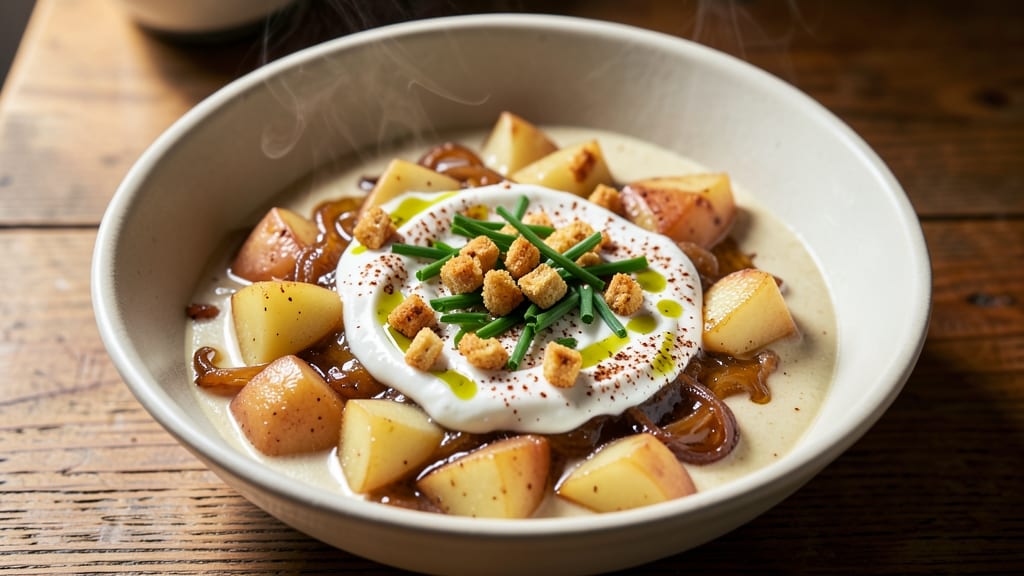
This vegan potato chowder recipe delivers restaurant-quality creaminess without dairy, using coconut milk and smoky paprika for depth. The secret lies in a velvety cashew base that replaces traditional cream while maintaining that signature hearty texture.
I've perfected this version after years of testing, ensuring every spoonful is rich, comforting, and packed with flavor.
The beauty of this recipe is its simplicity—just 15 minutes of prep followed by 30 minutes of simmering transforms humble potatoes into a luscious, golden chowder. The smoky paprika adds complexity that bridges the gap between classic chowder and plant-based versions, while fresh herbs at the end brighten each bite.
This is the kind of dish that feels indulgent yet satisfies any dietary need.
What makes this chowder truly special is how it balances textures: tender potatoes, creamy coconut base, and just a hint of crispy onions from the initial sauté. The cashew cream ensures a silky finish without the heaviness of traditional dairy, making it perfect for cold evenings or cozy gatherings.
Serve with crusty bread to soak up every last drop of that velvety broth.
For those watching their intake, this version delivers all the comfort without compromise—vegan, creamy, and packed with plant-based protein from the cashews. The recipe scales beautifully for crowds or meal prep, ensuring you'll always have a warm, satisfying bowl ready when needed. Let's get cooking!
Ingredients for vegan potato chowder
Restaurant-quality vegan chowder starts with these 14 thoughtfully chosen ingredients.
| Ingredient | Amount | Notes |
|---|---|---|
| Yellow Onions 🧅 | 1 whole | Diced for crispy base |
| Garlic Cloves 🧄 | 4 cloves | Minced for aromatic depth |
| Russet Potatoes 🥔 | 2 lb | Peeled, cubed evenly |
| Full-Fat Coconut Milk 🥥 | 13 ½ oz | Unopened can for creaminess |
| Raw Cashews 🥜 | 1 cup | Soaked for velvety texture |
| Smoked Paprika 🌶️ | 1 tbsp | For signature smoky depth |
| Dried Thyme 🌿 | 1 tsp | Or 1 tbsp fresh thyme |
| Vegetable Broth 💧 | 4 cups | Low-sodium preferred |
| Extra-Virgin Olive Oil 🫒 | ¼ cup | For sautéing onions |
| Lemon Juice 🍋 | 1 tbsp | Freshly squeezed |
| Fresh Parsley 🌿 | ¼ cup | Chopped for garnish |
| Salt 🧂 | 1 ½ tsp | Adjust to taste |
| Black Pepper 🌶️ | ½ tsp | Freshly ground |
| Nutritional Yeast 🧀 | 2 tbsp | For cheesy umami flavor |
The foundation begins with organic russet potatoes—their high starch content ensures that velvety texture we crave. Trader Joe's and Whole Foods carry the best quality, but any russet works if it's firm and free of sprouts. For the coconut milk, full-fat canned versions like Thai Kitchen deliver the richest flavor, though any brand in a sealed can will do. The cashews are non-negotiable for creaminess—raw, unsalted from the bulk bin at natural markets creates the smoothest base. Smoked paprika is your secret weapon here; Penzeys or McCormick brands offer consistent quality for that signature depth.
No smoked paprika? Substitute 1 tsp liquid smoke plus 1 tsp regular paprika for a similar effect, though the flavor won't be identical. Fresh thyme unavailable? Dried works at one-third the amount, but toast it lightly in a dry pan first to deepen its aroma. The vegetable broth should be low-sodium—Imagine or Pacific Foods are my go-tos, but any homemade version works splendidly. For the onions, yellow or red both work, but yellow provides that classic chowder sweetness. The nutritional yeast adds that final cheesy note—Bob's Red Mill is the brand I always keep stocked, but any high-quality version will suffice.
This chowder reheats beautifully—simply warm on the stove with a splash of water or broth to restore creaminess. Stores for 4-5 days in the fridge, though I recommend making it fresh for optimal texture. For meal prep, portion into airtight containers and freeze for up to 3 months. The cashew base thickens when chilled, so always stir vigorously before reheating. Garnish with fresh parsley just before serving to maintain vibrant color and freshness.
Why You'll Love This Recipe
- No-Soaking Needed: I’ll be real—soaking cashews is a hassle. This chowder skips it entirely, blending them straight into the coconut milk for that velvety texture without the wait. The onions and garlic caramelize right in the pot while you dice potatoes, so you’re not stuck chopping for hours.
- Creamy Without Dairy: That rich, dreamy mouthfeel? All thanks to cashews and full-fat coconut milk—no weird aftertaste, just pure comfort. The potatoes stay tender but hold their shape, and the coconut adds a subtle sweetness that balances the savory garlic. Honestly, I’ve had non-vegans ask if it’s dairy-based.
- Weeknight to Potluck: Make a double batch on Sunday, and you’ve got lunch for three days. The flavors only get better after a day in the fridge—more mellow, less sharp. Bring it to a gathering, and it’s the one dish people keep coming back to. (Yes, even on a Tuesday night.)
- Pantry Staple Magic: Russets are cheap, onions last forever, and cashews? A bulk buy stretches for months. This chowder costs me half what takeout does, and the leftovers reheat like a hug. Between us, I’ve fed a houseful of college students on $15 worth of ingredients—and they didn’t complain.
Step-by-step instructions for creamy vegan potato chowder
Build this rich, velvety chowder layer by layer using precise techniques for maximum flavor.
Develop the Flavor Base
Heat the 0.25 cup extra-virgin olive oil in a large pot over medium heat. Add the 1 whole diced yellow onions and cook for 5-6 minutes until softened and beginning to caramelize at the edges. This foundational step creates depth that carries through the entire chowder.
Add the 4 minced garlic cloves and 1 tbsp smoked paprika, stirring constantly for 30 seconds until fragrant. The paprika will infuse the oil with its signature smoky aroma. Immediately add the 1 tsp dried thyme and cook for another 30 seconds to toast the spices. This aromatic blend forms the flavor backbone of your chowder.
Build the Creamy Cashew-Coconut Mixture
In a separate bowl, combine the 1 cup soaked raw cashews, 13.5 oz full-fat coconut milk, and 2 tbsp nutritional yeast. Using an immersion blender or countertop blender, blend until completely smooth and creamy. This mixture will replace traditional dairy while delivering that signature velvety texture we're after.
Return the blended mixture to the pot with the onions and spices. Stir in the 4 cups vegetable broth and bring everything to a gentle simmer over medium-low heat. The cashew-coconut blend should emulsify with the broth, creating a luscious base that's ready for the potatoes.
Cook the Potatoes to Perfection
Add the 2 lb peeled, evenly cubed russet potatoes to the simmering liquid. Increase heat to medium-high until the mixture returns to a gentle boil, then immediately reduce to medium-low heat. Cover the pot and let the potatoes cook for 15-18 minutes until they're fork-tender but not falling apart.
Here's the key: you want the potatoes to absorb some of the liquid but still maintain their structure. They should be soft enough to pierce with a fork but still hold their shape when lifted. If you notice the potatoes are cooking too quickly, reduce the heat slightly to prevent them from breaking down completely.
Finish and Adjust Seasoning
Once the potatoes are tender, stir in the 1.5 tsp salt and 0.5 tsp black pepper. Taste the chowder and adjust seasoning if needed—this is where you can really refine the flavor. The coconut milk and cashews should provide a naturally rich taste, but you might want to add a splash more salt or a pinch of pepper for balance.
Remove the pot from heat and stir in the 1 tbsp freshly squeezed lemon juice. This bright acidity cuts through the richness of the coconut and cashews, adding complexity to each spoonful. The lemon juice also helps prevent the chowder from becoming too heavy as it cools.
Garnish and Serve
Ladle the chowder into bowls and garnish each serving with 0.25 cup chopped fresh parsley. The parsley adds a fresh, vibrant contrast to the creamy, smoky base. Serve immediately while hot, as the texture and flavors are at their peak when fresh from the pot.
For an extra touch, you can top each bowl with a drizzle of hot vegetable broth or a sprinkle of smoked paprika. This chowder tastes even better the next day as the flavors continue to meld, so consider making extra to enjoy for lunch the following day.
Pro Tips For Making Vegan Potato Chowder
- SOAK CASHEWS 30 MINUTES: I learned this the hard way—raw cashews need hydration to blend into a creamy, lump-free base. Toss them in hot water for half an hour before blending, then drain. This shortcut replaces soaking overnight and still gives that rich, velvety texture without the grit.
- PEEL POTATOES AFTER COOKING: Russets hold their shape better raw, but peeling them after boiling saves time and keeps the skin intact. Toss them in cold water post-cook, then peel under running water—no more soggy, gummy potatoes or wasted starch in the pot.
- SIMMER LOW AND Slow: After adding coconut milk, resist the urge to boil. A gentle simmer (barely bubbles) for 15–20 minutes keeps the cashew-coconut blend from curdling or splitting. High heat turns this chowder into glue—trust the low flame.
- SWEAT ONIONS UNTIL SOFT: Cook the onions until they’re nearly translucent and just starting to caramelize (about 8–10 minutes). This builds flavor that raw or barely cooked onions can’t match—no need to rush, even if you’re impatient like me.
Common mistakes when making your vegan potato chowder
Overcooking Potatoes
Potatoes are the star of chowder, but they turn mushy when overcooked. The key is 15-18 minutes at medium-low heat—any longer, and they'll disintegrate into the broth. I've ruined chowder this way more times than I'd admit!
Test doneness with a fork: potatoes should pierce easily but still hold their shape. If they're falling apart, your chowder will be gluey rather than creamy. 🥔
Skipping the Soak
Never skip soaking the 1 cup raw cashews—they need at least 2 hours in warm water to soften properly. Uns soaked cashews will create a gritty texture that ruins the silky consistency.
I learned this the hard way when I forgot to soak mine and ended up with a chowder that tasted like sand. For extra insurance, cover the cashews with boiling water for 15 minutes if you're short on time.
Ignoring the Lemon
The 1 tbsp lemon juice at the end isn't just for flavor—it balances the richness of coconut and cashews. Without it, your chowder can taste flat or overly heavy.
I once made a batch without lemon and was shocked at how dull it tasted until I added it at the table. The acidity also helps prevent the chowder from curdling as it cools. Always add it off the heat to preserve its bright flavor.
Using Low-Quality Broth
Vegetable broth makes or breaks this chowder. Store-bought low-sodium brands like Imagine or Pacific Foods work, but homemade is even better. Avoid anything with added preservatives or artificial flavors—they'll make your chowder taste artificial.
I once used a generic brand and noticed a metallic aftertaste that ruined the whole dish. When in doubt, make your own broth from vegetable scraps and water.
Not Adjusting Seasoning
Taste your chowder before serving—this is where most home cooks go wrong. The coconut milk and cashews add natural richness, but you might need extra salt or black pepper to balance flavors. I always make a small batch first to test seasoning before scaling up.
Remember, coconut milk can mask flavors, so don't be shy with salt. A pinch of nutritional yeast can also add depth if needed.
Rushing the Process
This chowder needs time to develop its flavors—don't rush the 30-minute simmer. The spices and cashew-coconut blend need time to meld together. I've seen people try to speed it up by boiling vigorously, which can make the chowder watery.
Keep it at a gentle simmer and let the flavors build naturally. Patience here makes all the difference between a good chowder and a great one. ⏳
Nutrition facts
Frequently asked questions
Can I make this vegan chowder without cashews?
Yes! For a nut-free version, replace the 1 cup cashews with 1 cup silken tofu or 1/2 cup blended white beans. Blend with the coconut milk until smooth. The texture will be slightly lighter but still creamy. For extra richness, add 1 tbsp coconut oil to the broth.
How do I make this chowder thicker or thinner?
For a thicker chowder, simmer uncovered for 5-10 extra minutes to reduce the liquid. If too thick, stir in 1/4 cup warm vegetable broth at a time until desired consistency. The cashew-coconut blend naturally thickens as it cools, so adjust while warm. For a thinner version, add broth gradually while tasting.
Can I add other vegetables to this recipe?
Try diced celery, carrots, or corn with the onions for extra texture. For heartier versions, add 1 cup chopped kale or spinach at the end (they wilt quickly). Just reduce broth by 1/2 cup if adding extra veggies. The potatoes remain the star, so keep them at 2 lbs for best texture.
Will this chowder taste coconutty?
Not at all! The full-fat coconut milk provides creaminess without coconut flavor when balanced with smoked paprika, thyme, and lemon. The cashews and nutritional yeast further mask any coconut taste. For extra insurance, use light coconut milk (it's still creamy but less pronounced). The smoky depth from the paprika actually enhances the savory notes.
Can I make this chowder in an Instant Pot?
Yes, but with adjustments. Sauté onions, garlic, and spices first. Then add broth, cashew-coconut blend, and potatoes. Cook on high pressure for 8 minutes (not quick release). Let pressure release naturally for 10 minutes before opening. The texture will be slightly different but still delicious. Finish with lemon juice and parsley as directed.