
Desserts
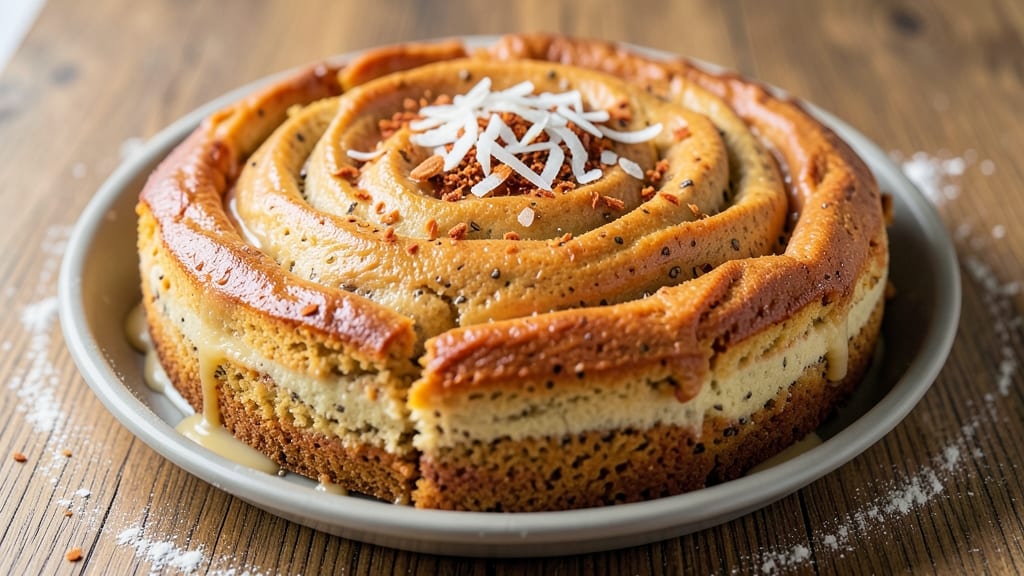
This vegan sweet potato cake delivers layers of spiced, moist sweet potato perfection without a drop of dairy or egg. The secret lies in aquafaba—chickpea brine—that replaces eggs while keeping the crumb tender and the frosting light as air.
I developed this recipe after years of baking sweet potato desserts that always dried out; this version stays juicy for days.
The cake's magic comes from roasting the sweet potatoes first to deepen their natural sweetness, then blending them into a velvety batter with flax eggs and plant-based butter. Warm spices like cinnamon and nutmeg infuse every layer, while baking powder ensures a tender yet sturdy crumb.
The aquafaba frosting isn't just a substitute—it's a revelation, whipping up fluffy and holding its shape without collapsing.
What you'll end up with is a vegan dessert that rivals traditional sweet potato cakes but stays moist for hours. The layers hold together beautifully, the frosting adds just the right amount of sweetness, and the spices create warmth in every bite.
This is the kind of recipe that makes vegan baking feel indulgent, not like a compromise.
Perfect for holidays, potlucks, or satisfying a sweet tooth without dairy. The recipe scales easily, and leftovers reheat beautifully for toast or French toast. Let's get baking—this cake is a game-changer for vegan dessert lovers.
Ingredients for vegan sweet potato cake
Eight ingredients for the cake, five for the frosting—all plant-based and packed with spiced sweetness.
| Ingredient | Amount | Notes |
|---|---|---|
| Orange Sweet Potatoes 🍠 | 2 ½ lb | Medium-sized, peeled and cubed |
| All-Purpose Flour 🌾 | 2 cups | Sifted for light texture |
| Granulated Sugar 🍚 | 1 cup | Coconut sugar for depth |
| Coconut Oil (solid) 🥥 | ¾ cup | Vegan butter substitute |
| Ground Flaxseed 🌱 | 3 tbsp | For flax eggs |
| Aquafaba (chickpea brine) 🥫 | ½ cup | From canned chickpeas |
| Vanilla Extract 🌿 | 1 tbsp | Pure vanilla preferred |
| Ground Cinnamon 🌶️ | 2 tsp | Ceylon cinnamon best |
| Ground Nutmeg 🌿 | ½ tsp | Freshly grated preferred |
| Baking Powder 🧂 | 1 tbsp | Aluminum-free preferred |
| Salt 🧂 | ½ tsp | Fine sea salt |
| Powdered Sugar 🍚 | 2 cups | For frosting |
| Lemon Juice 🍋 | 1 tbsp | Freshly squeezed |
| Vanilla Bean Paste 🌿 | ½ tbsp | For frosting depth |
The sweet potatoes are non-negotiable. Organic sweet potatoes from Whole Foods or your local market have the deepest flavor, but any firm, vibrant orange ones work. Roast them until tender—they should mash easily, like a thick puree. I always use about 2.5 pounds to get that rich, moist crumb. The aquafaba is the secret weapon here; save the brine from a can of chickpeas (or buy it pre-sold at specialty stores). For the spices, Penzeys or bulk bins give the freshest ground cinnamon and nutmeg—those pre-ground spices lose potency fast.
No aquafaba? Flax eggs (3 tbsp ground flax + 9 tbsp water) work in a pinch, though the frosting won't be as light. Swap coconut sugar for regular granulated if needed, but you'll lose some caramel depth. The vanilla extract can be imitation, but Madagascar bourbon vanilla makes a world of difference. For the frosting, powdered sugar is a must—it dissolves smoothly. If you're sensitive to citrus, reduce the lemon juice to 1 teaspoon. The frosting should be thick but pipeable; if it's too runny, add 1 more tablespoon of powdered sugar.
Store the cake layers wrapped in parchment in the fridge for up to 5 days, frosting added just before serving. The frosting keeps separately for 3 days—whisk in a splash of water if it stiffens. For longer storage, freeze the unfrosted layers for 3 months. I always bake an extra layer or two—sliced and toasted, they make the best vegan French toast. The frosting freezes beautifully too; just thaw and rewhisk before using.
Why You'll Love This Recipe
- I swear by this trick: just roast the sweet potatoes whole, then scoop out the flesh. No peeling, no mess—just slide them into the blender with the flour and sugar, and let the mixer do the heavy lifting. Honestly, I’ve made this on days when I forgot to prep anything, and it still comes out perfect.
- No Peel, No Fuss: I swear by this trick: just roast the sweet potatoes whole, then scoop out the flesh. No peeling, no mess—just slide them into the blender with the flour and sugar, and let the mixer do the heavy lifting. Honestly, I’ve made this on days when I forgot to prep anything, and it still comes out perfect.
- Sweet & Spiced Magic: That caramelized sugar from roasting the sweet potatoes? It’s the star. The flaxseed gives it this subtle earthiness that balances the sweetness, while the coconut oil keeps it moist without tasting like butter. Between us, I’ve had people ask if it’s gluten-free—it’s not, but the flavor is so rich, they don’t care.
- Breakfast or Dessert: Serve it warm with a drizzle of maple syrup for a weekend brunch, or dust it with powdered sugar and a scoop of vanilla ice cream for a sneaky vegan treat. I’ve even packed slices in my lunchbox—trust me, coworkers will ask for the recipe.
Step-by-step instructions for vegan sweet potato cake
Here's how to create a perfectly moist, spice-infused cake using simple techniques and plant-based ingredients.
Prepare the Sweet Potato Puree
Preheat your oven to 375°F and line two 9-inch round cake pans with parchment paper. Place the 2.5 lb orange sweet potatoes on a baking sheet and pierce them several times with a fork. Roast for 45-60 minutes until fork-tender. The potatoes should be soft enough to mash easily with a fork.
Once roasted, let them cool for 10 minutes, then peel off the skin and transfer the flesh to a food processor. Add 1 cup granulated sugar and 1 tablespoon vanilla extract and blend until completely smooth. You should have about 3 cups of puree. This sweet, vibrant base forms the heart of your cake's moisture and flavor.
Create Flax Eggs and Mix Dry Ingredients
In a small bowl, whisk together 3 tablespoons ground flaxseed with 9 tablespoons water. Let this mixture sit for 5 minutes until it thickens into a gel-like consistency—this is your flax egg substitute. Meanwhile, in a separate bowl, sift together 2 cups all-purpose flour, 2 teaspoons ground cinnamon, ½ teaspoon ground nutmeg, 1 tablespoon baking powder, and ½ teaspoon salt.
This step ensures your cake will have proper structure without eggs. The sifting prevents lumps in the batter, while the flax eggs provide the binding needed for a tender crumb. Keep both mixtures ready for the next step where everything comes together.
Combine Wet and Dry Ingredients
In a large mixing bowl, combine the sweet potato puree with the 0.75 cup solid coconut oil and mix until fully incorporated. The coconut oil should melt slightly from the warm puree, creating a smooth base. Then add the flax egg mixture and whisk until just combined.
Gradually add the dry ingredients to the wet mixture, mixing on low speed with a hand mixer or electric beaters until just combined—about 1 minute. Be careful not to overmix, as this can develop gluten and make the cake dense. The batter should be thick but pourable. Here's the thing—this is where the magic happens as all the warm spices and natural sweetness meld together.
Bake the Cake Layers
Divide the batter evenly between the two prepared cake pans. Tap each pan gently on the counter to remove any air bubbles. Bake for 25-30 minutes or until a toothpick inserted in the center comes out clean. The cakes should be golden brown on top with slightly domed centers.
I like to rotate the pans halfway through baking to ensure even browning. When done, let the cakes cool in the pans for 10 minutes before transferring to a wire rack to cool completely. This gradual cooling prevents cracking and maintains moisture. The cakes should be tender with a fine crumb and subtle sweetness from the coconut sugar.
Prepare the Aquafaba Frosting
In a medium bowl, whip the 0.5 cup aquafaba with an electric mixer on high speed until soft peaks form—about 3-4 minutes. Gradually add the 2 cups powdered sugar, 1 tablespoon lemon juice, and 0.5 tablespoon vanilla bean paste, continuing to whip until the frosting is smooth and holds stiff peaks.
This aquafaba frosting replaces traditional buttercream while providing the same light, fluffy texture. The lemon juice brightens the sweetness, while the vanilla bean paste adds depth. Spread the frosting between the cake layers and on the top and sides, creating a smooth finish. Chill the cake in the refrigerator for 30 minutes before serving to set the frosting.
Pro Tips For Making Vegan Sweet Potato Cake
- Boil Until Fork-Tender: Skip the mushy center by boiling sweet potatoes until they collapse under a fork—no peeking! Overcooking turns them to mush, but undercooked chunks make the cake dense. Aim for 15-20 minutes in salted water, then drain and cool completely before mashing.
- Sift That Flour: Don’t eyeball it—sift the all-purpose flour right into your mixing bowl. This lightens the texture and cuts out clumps, which are a nightmare when baking. Trust me, your cake will thank you with a fluffier crumb.
- Melt Coconut Oil Slowly: Microwave the coconut oil in 20-second bursts, stirring between each, until fully liquid but not hot. Dumping it straight from the fridge into the batter makes the cake greasy and uneven. Room temp is key—no one likes a greasy surprise.
- Measure Flaxseed Precisely: Weigh your ground flaxseed (not scooping from the jar!) and mix it with 3x the water right away—let it sit for 5 minutes to thicken. Dry flaxseed won’t bind like egg replacer should, and your cake might crumble. No shortcuts here.
Make-ahead tips for this dish
Bake Ahead Strategy
Bake the cake layers up to 2 days in advance and store them in an airtight container at room temperature. This gives the flavors time to meld beautifully while keeping the texture moist. I always wrap each layer tightly in plastic wrap before placing them in the container.
The frosting should be made fresh the day you plan to serve, though you can prepare the ingredients separately and whip them together when needed. 📅
Frosting Prep
Make the aquafaba frosting 1 day ahead and store it in the refrigerator in an airtight container. Before using, let it sit at room temperature for 10-15 minutes to soften slightly.
If it stiffens, add 1 teaspoon of water and whisk until smooth. The frosting holds its shape well when chilled, making it perfect for layering ahead of time.
Assembling Layers
Assemble the cake layers with frosting 4-6 hours before serving. Place the first layer on a serving plate, spread a thin layer of frosting, then add the second layer. Frost the top and sides, then chill in the refrigerator until ready to serve.
This timing ensures the frosting sets properly without melting. For a cleaner look, use an offset spatula to smooth the frosting. ✨
Freezing for Later
Freeze unfrosted cake layers for up to 3 months by wrapping them individually in plastic wrap and placing them in a freezer bag. Thaw overnight in the refrigerator before frosting.
The frosting itself doesn’t freeze well, so prepare it fresh after thawing. This method is perfect for holiday prep or unexpected gatherings.
Reheating Leftover Slices
Slice the cake and reheat individual portions in the microwave for 15-20 seconds to restore moisture. For a crispier texture, warm slices in a 350°F oven for 5-7 minutes.
I love turning leftover cake into vegan French toast by dipping slices in a mixture of flax eggs and cinnamon, then pan-frying until golden. 🔥
Nutrition facts
Frequently asked questions
Can I use regular sugar instead of coconut sugar?
Yes, you can substitute 1 cup granulated sugar for the coconut sugar, but you'll lose some of the deeper caramel notes that make this cake special. Coconut sugar adds a subtle molasses-like flavor that pairs perfectly with the sweet potatoes and spices. If you prefer a more neutral sweetness, regular sugar works just fine.
What if I don't have aquafaba for the frosting?
No problem! You can make a simple vegan buttercream by mixing ½ cup vegan butter (like Miyoko's or Earth Balance) with 2 cups powdered sugar and 1 tablespoon lemon juice. Whip until smooth and add ½ teaspoon vanilla extract. While it won't be as light as aquafaba frosting, it'll still taste delicious and hold together well.
Why does my cake turn out dry?
Dryness usually happens when sweet potatoes aren't roasted enough (they should mash easily) or if the batter is overmixed. Always use roasted sweet potatoes for moisture, and mix just until combined to avoid developing gluten. Another tip: Don't overbake—remove the cake when a toothpick comes out with a few moist crumbs, not completely clean.
Can I make this cake in a single layer instead of two?
Use a 9x13-inch pan and bake for 30-35 minutes at 350°F. Reduce the frosting by half since you won't need layers. This works especially well for sheet cake servings or if you prefer a taller single-layer cake. The texture stays just as moist—just adjust the baking time slightly if needed.
How do I add extra protein to this cake?
Mix in ½ cup unsweetened plant-based protein powder (vanilla or unflavored) with the dry ingredients. Start with ¼ cup to test the texture, as protein powder can make cakes denser. For extra moisture, add 1-2 tablespoons of almond milk to the batter. This keeps the cake tender while boosting protein content—great for post-workout treats!