
Side Dishes
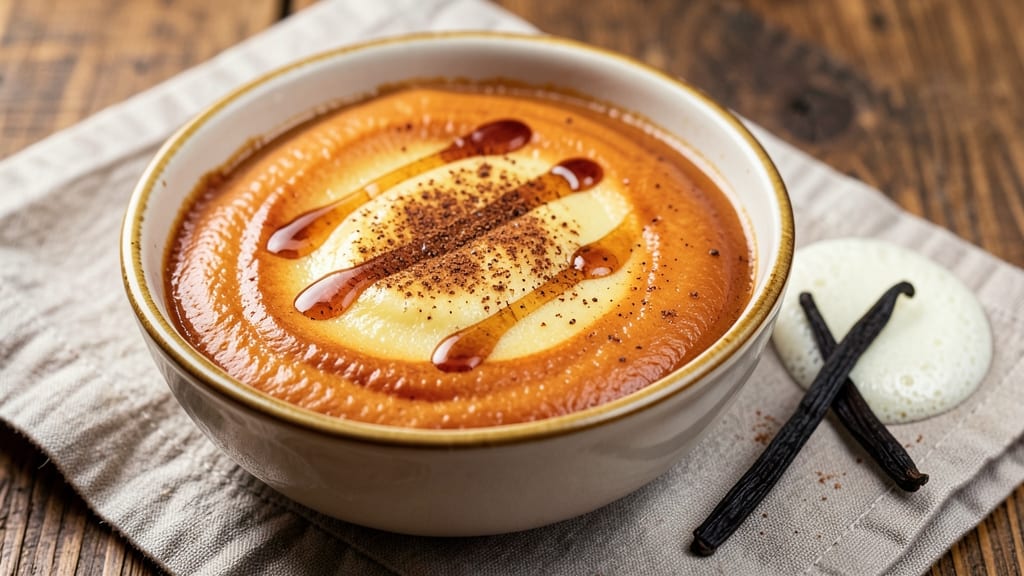
This vegan sweet potato pudding recipe delivers all the cozy comfort of classic dessert without a drop of dairy or eggs. The secret lies in blending roasted sweet potatoes with coconut milk until silky smooth, then binding it with aquafaba for that perfect pudding texture.
I developed this after years of perfecting plant-based desserts that actually satisfy—no one will guess it's vegan.
The magic happens in the slow roasting of sweet potatoes, which caramelizes their natural sugars for deep, warm flavor. Coconut milk adds richness while keeping it light, and a touch of vanilla and cinnamon elevates it to dessert-level indulgence.
This version requires just 10 minutes of active prep followed by baking, making it ideal for meal prep or holiday gatherings.
What you'll end up with is a velvety, spiced pudding with a golden crust that's impossible to resist. The texture is creamy yet firm, holding its shape when chilled but melting beautifully on the tongue.
It's naturally sweet from the potatoes but can be adjusted with maple syrup or agave to taste.
Serve warm with a sprinkle of toasted coconut flakes or chilled with vegan chocolate drizzle. The possibilities for variations are endless—add pumpkin puree for extra depth, or fold in vegan chocolate chips for a decadent twist. This pudding proves plant-based desserts can be just as comforting as the classic version.
Ingredients for vegan sweet potato pudding
Sweet potatoes, coconut milk, and aquafaba—these three ingredients transform into a velvety vegan dessert everyone will crave.
| Ingredient | Amount | Notes |
|---|---|---|
| Sweet Potatoes 🍠 | 3 lbs | Medium-sized, peeled, cubed |
| Full-Fat Coconut Milk 🥥 | 1 can | 13.5 oz can, unsweetened |
| Aquafaba 🌱 | ½ cup | From 2 cans chickpeas |
| Pure Maple Syrup 🍁 | ¼ cup | Grade A or B preferred |
| Ground Cinnamon 🌿 | 1 ½ tbsp | Freshly ground preferred |
| Vanilla Extract 🌸 | 1 tbsp | Pure alcohol-free if possible |
| Ground Nutmeg 🌿 | ½ tsp | Freshly grated nutmeg |
| Salt 🧂 | ½ tsp | Fine sea salt preferred |
| Toasted Coconut Flakes 🥥 | ¼ cup | Unsweetened, for topping |
| Vegan Chocolate Chips 🍫 | ¼ cup | Optional, for mixing in |
| Unsweetened Applesauce 🍎 | ¼ cup | For extra moisture if needed |
| Coconut Oil 🫒 | 2 tbsp | Melted, for greasing pan |
The sweet potatoes are the star here. Look for vibrant orange ones—they're sweeter and creamier. I always grab the organic ones at Whole Foods when I can, but regular grocery store sweet potatoes work fine too. Peeled and cubed, they roast until caramelized, which gives this pudding its deep, warm flavor. Pro tip: Don't skip the roasting—it's what makes this dessert taste like it's been simmering for hours. If you're short on time, microwave the cubed potatoes for 5 minutes first to speed up the roasting process.
No aquafaba? Flax eggs work too—just mix 1 tbsp ground flaxseed with 3 tbsp water per egg. The coconut milk can be swapped for cashew cream if you're avoiding coconut, though the flavor will be slightly different. For extra richness, add a splash of coconut cream (the thick part from the can). If you want to skip the vegan chocolate chips, fold in chopped dates or raisins for natural sweetness. The maple syrup can be adjusted to taste—start with less if your sweet potatoes are especially sweet.
This pudding tastes even better the next day, so make it ahead if you can. Store leftovers in the fridge for up to 5 days, or freeze portions for 3 months. To reheat, microwave for 30 seconds or warm in a 350°F oven for 10 minutes. The coconut flakes toast beautifully—just sprinkle them on top right before serving. If you want to make it ahead for a crowd, double the recipe and serve in individual ramekins.
Why You'll Love This Recipe
- No-Bake Miracle: I swear, this comes together while you’re waiting for the sweet potatoes to soften—just whisk, blend, and let the aquafaba magic do its thing. No oven, no fuss, and zero cleanup beyond a blender jar.
- Cinnamon-Spiced Bliss: That first spoonful of warm pudding—creamy from coconut milk, naturally sweetened by maple syrup, and wrapped in cinnamon warmth—tastes like autumn in a bowl. Honestly, I’ve never missed dairy in dessert this rich.
- Meal Prep MVP: Make a big batch on Sunday, and you’ve got breakfast, dessert, or a snack covered for the week. It reheats beautifully (or eats cold straight from the fridge) and keeps for days without getting soggy.
- Budget-Friendly Luxury: Sweet potatoes and coconut milk stretch this into a whole dish for pennies, yet it feels indulgent. Between us, this is how I trick myself into eating healthier—while still feeling like I’m treating myself.
Step-by-step instructions for vegan sweet potato pudding
Here's how to make this creamy, spiced dessert that's rich, comforting, and completely plant-based.
Roast the Sweet Potatoes Until Tender
Preheat your oven to 400°F and line a large baking sheet with parchment paper. Toss the 3 lbs cubed sweet potatoes with 2 tablespoons melted coconut oil and ½ teaspoon salt until evenly coated. Spread them in a single layer on the baking sheet.
Roast for 30-35 minutes until the sweet potatoes are fork-tender with slightly caramelized edges. You'll know they're done when they collapse easily under gentle pressure. Let them cool for 10 minutes before transferring to a food processor—this makes them much easier to blend.
Blend Until Silky Smooth
Once cooled, transfer the roasted sweet potatoes to a food processor along with the 1 can full-fat coconut milk, ½ cup aquafaba, ¼ cup pure maple syrup, 1½ tablespoons ground cinnamon, 1 tablespoon vanilla extract, ½ teaspoon ground nutmeg, and ¼ cup unsweetened applesauce.
Blend on high speed for 2-3 minutes until completely smooth, scraping down the sides as needed. The mixture should be velvety with no visible chunks. Taste and adjust sweetness if needed—you can add more maple syrup if desired. This is your pudding base, so take your time getting it just right.
Bake Until Set and Golden
Grease a 9-inch baking dish with a little more coconut oil. Pour the sweet potato mixture into the dish and smooth the top with a spatula. Sprinkle the ¼ cup toasted coconut flakes evenly over the top, pressing them lightly into the surface.
Bake at 350°F for 40-45 minutes until the edges are set and the center barely jiggles when gently shaken. The top should be golden brown with crispy coconut flakes. For extra richness, you can fold in the ¼ cup vegan chocolate chips during the last 5 minutes of baking.
Chill and Serve
Remove from the oven and let cool for 15 minutes. Then refrigerate for at least 2 hours (or overnight) until fully set. This chilling step is crucial—it develops the perfect creamy texture and allows the flavors to meld beautifully.
Serve chilled with a dollop of coconut whipped cream or extra toasted coconut flakes. The pudding should be rich, lightly spiced, and perfectly balanced between sweet and earthy. Each bite should deliver that comforting sweet potato flavor with a luxurious coconut cream finish.
Pro Tips For Making Vegan Sweet Potato Pudding
- Boil Until Fork-Tender: Sweet potatoes straight from the oven? Nope. For that velvety texture, boil peeled cubes in salted water until they collapse under a fork—about 12-15 minutes. I learned this the hard way after serving a pudding with slightly resistant chunks that ruined the creamy finish.
- Whisk Aquafaba Cold: Whip the aquafaba (chilled first) until stiff peaks form—about 5-7 minutes with a hand mixer. Warmth makes it flop like a sad soufflé. I was skeptical until I tried it; now I never skip this step.
- Strain the Coconut Milk: Skip the canned sediment—strain the full-fat coconut milk through a fine-mesh sieve before using. That gunk at the bottom makes the pudding grainy, and nobody wants to taste it. Takes 30 seconds but makes a real difference.
- Bake Low and Slow: 325°F (160°C) for 40-45 minutes is the sweet spot—any hotter and the top burns before the center sets. I used to rush it, and the result was either underdone or charred. Patience here guarantees a silky, set pudding every time.
Storing and reheating this dish
Refrigerator Storage
Store your vegan sweet potato pudding in an airtight container with a lid for up to 5 days in the refrigerator. The flavors actually deepen overnight, becoming even more aromatic and satisfying.
I like using glass Pyrex containers because they're sturdy and easy to reheat. Let the pudding cool completely before covering to prevent condensation buildup. 🌱
Freezing for Later
For long-term storage, freeze individual portions in silicone molds or small airtight containers for up to 3 months. Leave ½ inch headspace to prevent cracking during freezing. When ready to enjoy, thaw overnight in the fridge.
The texture remains creamy, though slightly denser than fresh. I often freeze extra batches to enjoy during winter months when sweet potato cravings peak. ❄️
Microwave Reheating
For quick servings, microwave individual portions covered with a damp paper towel for 30-45 seconds on medium power. Stir halfway through to ensure even heating. If the pudding looks dry, add 1-2 teaspoons of coconut milk or water before reheating.
This method preserves the creamy texture while restoring warmth. I find this works best for single servings or quick lunches. 🔥
Oven Reheating
For larger batches, reheat in a 350°F oven for 10-15 minutes until warmed through. Cover loosely with foil to prevent drying. This method is ideal for family-style gatherings where you want to serve warm pudding.
The oven's gentle heat helps maintain the pudding's moisture and enhances the caramelized sweet potato flavor. 🍠
Serving After Reheating
After reheating, let the pudding sit for 2-3 minutes before serving to allow flavors to meld. Garnish with toasted coconut flakes or a drizzle of maple syrup to refresh the presentation.
The pudding's texture will be slightly softer than when chilled, but still delightfully creamy. I often serve reheated portions with a side of vegan whipped cream for extra indulgence. 🥥
Texture Preservation
To maintain the pudding's creamy texture during storage and reheating, avoid overmixing when reheating. Stir gently just until warmed through. If using frozen portions, thaw in the fridge overnight rather than at room temperature to prevent texture breakdown.
The aquafaba binding helps keep it stable, but proper storage is key to preserving that luxurious, velvety consistency. 💫
Nutrition facts
Frequently asked questions
Can I substitute aquafaba in this vegan sweet potato pudding?
Yes! If you don't have aquafaba, use 1 flax egg (1 tbsp ground flaxseed + 3 tbsp water) or ½ cup unsweetened applesauce for binding. For extra richness, try ¼ cup cashew cream instead of coconut milk—just adjust the sweetness since cashews are milder. The texture may be slightly denser but still delicious.
Why does my pudding taste bland after baking?
Sweet potatoes vary in natural sweetness—roast them longer (40 minutes) for deeper caramelization. Boost flavor by adding ½ tsp smoked paprika or 1 tsp orange zest to the blend. Also check your spices: fresh nutmeg and cinnamon make a huge difference over store-bought blends. Taste before baking and adjust maple syrup if needed.
How can I make this pudding nut-free?
Skip the coconut milk and use 1 cup full-fat oat milk (blended with 2 tbsp oat flour for thickness) instead. For binding, add ¼ cup chia seeds soaked in ½ cup water (let sit 10 minutes to gel). The texture will be slightly firmer but still creamy. Garnish with crushed graham crackers instead of coconut flakes.
Can I bake this in individual ramekins?
Divide the batter among 6-8 greased ramekins and bake at 350°F for 25-30 minutes until set. The smaller size means faster cooking—check for doneness by gently shaking (center should barely jiggle). Perfect for meal prep or holiday gatherings! For extra flair, top each with vegan caramel drizzle before serving.
What's the best way to reheat this pudding?
For single servings, microwave 30-45 seconds covered with a damp paper towel. For larger batches, reheat in a 350°F oven for 10-15 minutes covered loosely with foil. Always let it sit 2-3 minutes after reheating to redistribute moisture. Add 1 tsp coconut milk if it seems dry. The oven method preserves texture best for family-style servings.