
Side Dishes
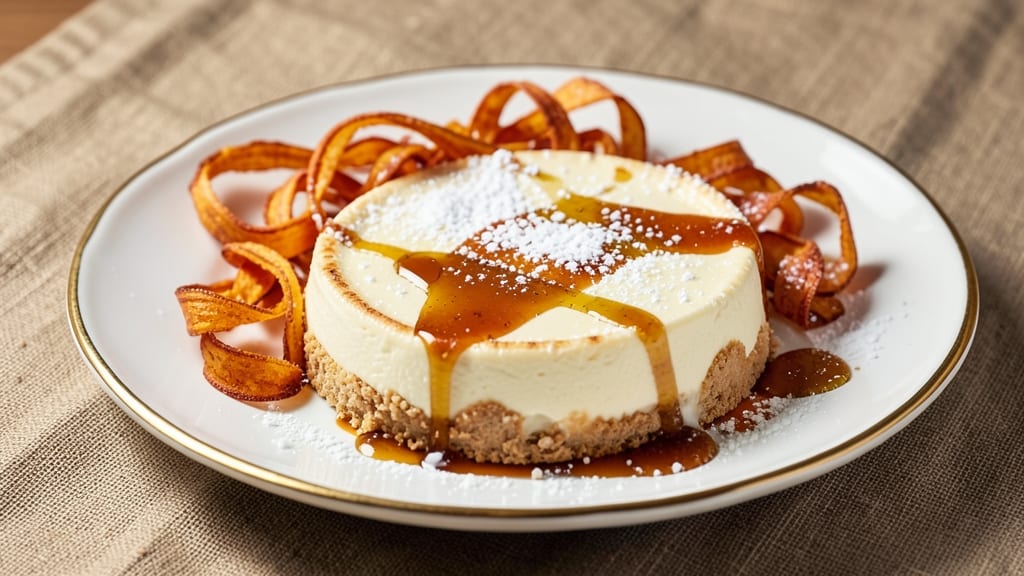
This white sweet potato dessert recipe transforms humble sweet potatoes into a warm, spiced cake with a crunchy pecan topping that feels like autumn in every bite.
The secret lies in roasting the potatoes first—this caramelizes their natural sugars, deepening their sweetness and creating a velvety texture that rivals traditional cake batters. I developed this recipe after discovering how much richer roasted sweet potatoes tasted when baked into desserts, and the results were game-changing.
The cake itself is moist, tender, and lightly spiced with cinnamon, nutmeg, and a touch of vanilla, while the topping of toasted pecans and brown sugar adds a satisfying crunch that contrasts beautifully with the cake's softness.
What makes this recipe stand out is its foolproof technique: no fancy equipment required, just a few pantry staples and a little patience for the roasting step. The flavor profile balances sweet and spiced notes perfectly, making it ideal for holiday gatherings or cozy weeknight treats.
By the time it emerges from the oven, you'll have a dessert that looks rustic yet elegant, with a golden crust and a tender interior that practically melts in your mouth. The aroma alone—warm spices mingling with caramelized sweet potatoes—will have everyone asking for seconds.
This recipe serves as both a showstopper dessert and a comforting treat, proving that sweet potatoes belong in the dessert category just as much as they do on the dinner table.
Best served warm with a scoop of vanilla ice cream or a dollop of whipped cream, this cake keeps well for up to 3 days in an airtight container, making it perfect for meal prep or gifting.
Whether you're hosting a holiday dinner or simply craving something sweet, this recipe delivers restaurant-quality results with minimal effort. Let's get baking!
Ingredients for white sweet potato dessert
Roasted sweet potatoes and warm spices create this restaurant-quality dessert with minimal effort.
| Ingredient | Amount | Notes |
|---|---|---|
| White Sweet Potatoes 🍠 | 2 lbs | Medium size, peeled and cubed |
| All-Purpose Flour 🌾 | 2 cups | Sifted, for tender texture |
| Granulated Sugar 🍚 | 1 ½ cups | Light brown preferred |
| Light Brown Sugar 🍚 | ½ cup | Packed, for moisture |
| Extra-Virgin Olive Oil 🫒 | ¾ cup | For richness and binding |
| Large Eggs 🥚 | 2 whole | Room temperature for even mixing |
| Pure Vanilla Extract 🌿 | 1 tbsp | High-quality for depth |
| Ground Cinnamon 🌶️ | 2 tsp | Freshly ground preferred |
| Ground Nutmeg 🌶️ | ½ tsp | Freshly grated for warmth |
| Salt 🧂 | ½ tsp | Diamond Crystal preferred |
| Pecans 🥜 | 1 ½ cups | Toasted, chopped coarsely |
| Unsalted Butter 🧈 | ½ cup | Cold, cubed for topping |
| Powdered Sugar 🍚 | ½ cup | For final dusting |
The sweet potatoes are the foundation—beige or white varieties have a creamier texture than orange. Look for firm, unblemished tubers at Whole Foods or local farmers' markets for optimal quality. Peeled and cubed evenly, they roast until caramelized, which deepens their natural sweetness. For best results, roast them at 400°F for 25-30 minutes until tender and golden. The flour should be sifted to avoid dense texture, and the sugars—both granulated and brown—should be packed to ensure proper moisture balance in the cake.
No vanilla extract? Vanilla bean paste or almond extract at half the amount works well. Substituting pecans? Toasted walnuts or almonds provide a similar crunch, though the flavor profile shifts slightly. For a gluten-free option, swap the all-purpose flour for a 1:1 gluten-free baking blend. The butter in the topping must be cold—cut into small cubes and kept in the freezer for 10 minutes before mixing. If you prefer a more intense spice profile, add a pinch of cardamom alongside the cinnamon and nutmeg.
This dessert reheats beautifully—simply wrap the cooled cake in foil and warm at 350°F for 10-15 minutes. Store leftovers in an airtight container for up to 3 days at room temperature or 1 week in the refrigerator. For gifting, slice into individual portions and wrap tightly with parchment paper. The topping can be prepared ahead and stored separately, adding it just before serving to maintain crispness. Freeze the cake for up to 3 months—thaw overnight in the refrigerator before serving.
Why You'll Love This Recipe
- One-Bowl Wonder: I swear by this recipe when I’m too tired to wash extra bowls—just mix, bake, and call it a day. The flour and sugars caramelize right in the pan, so you don’t even need a mixer.
- Caramelized Magic: That combo of granulated and brown sugar with olive oil? It turns the sweet potatoes into something almost cake-like, with a sticky, buttery crust you’ll want to scrape off the plate.
- Weeknight or Holiday: Between us, this is my go-to for potlucks and lazy Sundays. The texture holds up for days, so you can bake a big batch and serve it at dinner, dessert, or even breakfast (yes, really).
- Budget-Friendly Luxury: Sweet potatoes are cheap, and this recipe stretches far—perfect for feeding a crowd without breaking the bank. Plus, the olive oil adds richness without needing fancy ingredients.
Step-by-step instructions for warm spiced sweet potato cake
This dessert delivers a moist, spiced cake with a buttery pecan crunch—perfect for cozy gatherings.
👨🍳 Step 1: Prep and Roast the Sweet Potatoes
Preheat your oven to 375°F. Peel and cube the 2 lbs white sweet potatoes into ½-inch pieces. Spread them on a rimmed baking sheet in a single layer and roast for 20-25 minutes until fork-tender with caramelized edges. Real talk: you want them soft enough to mash easily but not falling apart.
While roasting, toast the 1.5 cups pecans in a dry skillet over medium heat for 5-6 minutes until fragrant and golden. Transfer to a plate to cool, then coarsely chop them. This step builds flavor depth—don't skip it. The pecans will add crunch to the final topping.
🍳 Step 2: Mix the Cake Batter
In a large mixing bowl, combine the roasted sweet potatoes (let them cool slightly first) with 1.5 cups granulated sugar, 0.5 cup light brown sugar, 0.75 cup extra-virgin olive oil, 2 whole large eggs, 1 tbsp pure vanilla extract, 2 tsp ground cinnamon, 0.5 tsp ground nutmeg, and 0.5 tsp salt. Use a hand mixer or stand mixer to blend until completely smooth—about 2-3 minutes.
Add the 2 cups all-purpose flour and mix on low speed just until combined. Overmixing develops gluten, which can make the cake dense. Here's the thing—you want to see a few flour streaks remaining. The batter will be thick but pourable.
🥘 Step 3: Bake the Cake Base
Transfer the batter to a 9x13-inch baking dish lined with parchment paper. Smooth the top with a spatula. Bake at 350°F for 35-40 minutes until a toothpick inserted in the center comes out clean. The edges should be golden brown while the center remains slightly springy.
Here's where precision matters: if the cake pulls away from the edges too soon, tent it loosely with foil to prevent over-browning. The internal temperature should reach 200°F—this ensures a moist texture without being underdone.
🔥 Step 4: Prepare the Crunchy Topping
While the cake bakes, melt the 0.5 cup unsalted butter in a small saucepan over low heat. Stir in the toasted pecans and 0.5 cup powdered sugar, then remove from heat. The mixture should be thick but spreadable—about 2-3 minutes. If it's too runny, let it cool slightly.
Once the cake is done, spread the pecan mixture evenly over the warm cake. Return to the oven for 5-7 minutes until the topping is golden and crisp. The contrast between the moist cake and crunchy topping is what makes this dessert special. Don't rush this step—proper caramelization takes time.
⏰ Step 5: Rest and Serve
Let the cake cool in the pan for 10 minutes, then transfer to a wire rack. Serve warm, cutting into 8 equal squares for your 8 servings. The cake will be tender and spiced, with pockets of sweet, buttery pecan crunch throughout. For an extra touch, dust with additional powdered sugar right before serving.
This dessert holds up beautifully for 2-3 days at room temperature, though it's best enjoyed warm. The flavors deepen as it sits, making it perfect for meal prep. Pair with vanilla ice cream or whipped cream for a decadent finish.
Pro Tips For Making White Sweet Potato Dessert
- Peel and Cube Small: White sweet potatoes have tougher skins than regular ones—don’t skip peeling, and cut them into even 1-inch cubes. Uneven pieces mean some will overcook to mush while others stay underdone. (Yes, it’s tedious, but trust me—your dessert’s texture depends on this.)
- Boil Until Fork-Tender: Drop the cubes into salted boiling water and cook until they pierce easily with a fork—about 12-15 minutes. Undercooked bits turn gummy later; overcooked ones collapse. Drain well and shock in ice water for 2 minutes to stop cooking. (This isn’t optional—it’s the difference between good and sad.)
- Toast the Flour First: Before mixing, dry-toast the all-purpose flour in a lightly oiled pan over medium heat for 2-3 minutes until it smells nutty. This deepens flavor and prevents a raw flour taste in your dessert. (Skip this, and you’ll wonder why it tastes like a sad cake.)
- Use Olive Oil Sparingly: Extra-virgin olive oil adds richness, but too much makes the dessert greasy. Stick to 1-2 tablespoons total—enough to coat the pan, not drown it. If you’re worried about flavor, swap half for melted butter. (I’ve learned this the hard way—your taste buds will notice.)
Wine and beer pairings for white sweet potato dessert
Sweet Potato-Friendly Wines
The warm spices in this cake—like cinnamon and nutmeg—pair beautifully with dessert wines that complement its caramelized sweetness. A Moscato d'Asti from Italy, with its honeyed notes and slight fizz, is my go-to choice.
Its floral and citrus undertones cut through the richness of the cake while enhancing the pecan topping’s buttery crunch. 🍷
For a bolder option, try a Riesling with residual sugar, such as a German Spätlese or a Washington State Riesling. The wine’s bright acidity and stone fruit flavors balance the cake’s spiced sweetness, creating a harmonious finish.
Look for labels like Dr. Loosen Blue Slate or Chateau Ste. Michelle for reliable quality.
Creamy Beer Pairings
If wine isn’t your thing, a cream ale or honey lager bridges the gap between the cake’s spiced warmth and its crunchy topping. Leinenkugel’s Honey Weisse is a fantastic pick—its vanilla and clove notes mirror the cake’s spices, while its slight sweetness enhances the pecans.
The beer’s effervescence also cleanses the palate between bites. 🍺
For a lighter option, a Belgian witbier like Stella Artois Wit adds a citrusy contrast that brightens the dessert’s richness. The coriander and orange peel flavors in the beer play off the nutmeg and cinnamon in the cake, creating a refreshing balance.
Serve both the cake and beer slightly chilled for the best experience.
Non-Alcoholic Options
For a sparkling non-alcoholic pairing, try San Pellegrino Aranciata Rossa—its blood orange and cinnamon flavors echo the cake’s spiced profile while the carbonation refreshes the palate. Alternatively, a ginger beer like Brew Dr. Brown’s adds a zesty kick that contrasts beautifully with the cake’s sweetness. 🥤
For a hot beverage twist, serve the cake with a cup of chai tea or spiced apple cider. The warm spices in the drink mirror those in the cake, creating a cozy, autumnal experience. Add a cinnamon stick or star anise to the cider for extra aroma and depth.
Regional Wine Adaptations
In the South, where sweet potatoes are a staple, a semi-sweet Zinfandel from California—like Bogle Vineyards’ Old Vine Zin—adds a jammy, fruit-forward note that complements the cake’s caramelized sweetness. The wine’s boldness stands up to the pecan topping’s richness. 🗺️
For a cooler climate twist, a late-harvest Gewürztraminer from the Alsace region of France offers floral and lychee notes that pair elegantly with the cake’s spiced sweetness. The wine’s slight sweetness and aromatic complexity make it a sophisticated match for this dessert.
Nutrition facts
Frequently asked questions
Can I substitute orange sweet potatoes for white?
You can try, but the flavor and texture will differ. White sweet potatoes have a creamier, nuttier taste that works perfectly for this dessert. Orange varieties are sweeter and more moist, which might make the cake denser. If you must use them, reduce the sugar by 0.25 cup and add 0.5 tsp extra cinnamon to balance the natural sweetness.
Why does my cake turn out dry?
Overbaking or under-roasting the sweet potatoes are common culprits. The potatoes should be fork-tender but not mushy after roasting. Also, ensure your oven is properly calibrated—use an oven thermometer to confirm it's at 350°F. If the cake still seems dry, try adding 2 tbsp sour cream or Greek yogurt to the batter for extra moisture.
Can I make this dessert gluten-free?
Replace the all-purpose flour with a 1:1 gluten-free baking blend (like Bob's Red Mill). For best results, add 0.5 tsp xanthan gum to the blend to improve texture. Keep the rest of the recipe the same, but check your blend's instructions for any adjustments to leavening agents. The cake will still be tender but slightly denser.
How do I store leftovers?
Store the cake in an airtight container at room temperature for up to 3 days. For longer storage, refrigerate for up to 1 week or freeze for 3 months. To reheat, wrap in foil and warm at 350°F for 10-15 minutes. The topping stays crispier if stored separately and added fresh before serving.
What's the best way to serve this dessert?
Serve warm with a scoop of vanilla ice cream or whipped cream to balance the spiced sweetness. For a festive touch, dust with powdered sugar and garnish with extra toasted pecans. It's especially cozy with a cup of chai tea or spiced cider during cooler months. The contrast of warm cake and cold ice cream makes every bite magical!