
Side Dishes
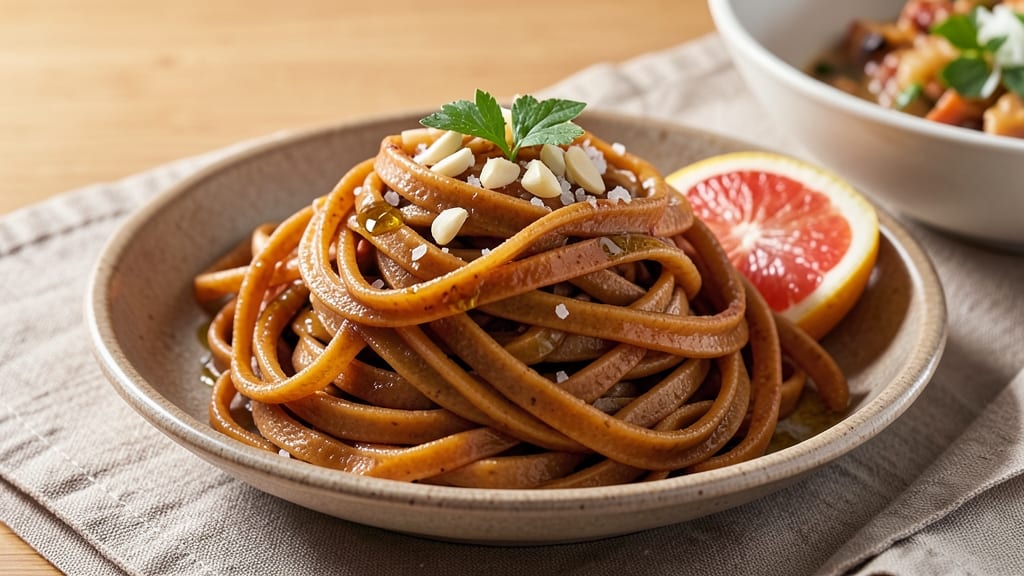
This wide sweet potato noodles recipe transforms humble sweet potatoes into silky, low-carb ribbons that rival traditional pasta. 🌟 The secret lies in spiralizing and cooking them just until tender—never mushy—so they hold their shape while delivering that irresistible chew.
Perfect for anyone watching carbs or simply craving a lighter alternative, these noodles absorb sauces beautifully while keeping their natural sweetness in check.
What sets these apart is the wide, ribbon-like texture achieved through proper spiralizer settings and a quick parboil. This method ensures they cook evenly without falling apart, making them ideal for hearty dishes like stir-fries, creamy sauces, or even as a base for Buddha bowls.
The process is simpler than you’d think—no special equipment required beyond a good spiralizer and a few minutes of patience.
Pair them with your favorite proteins (think grilled shrimp or tofu) and a tangy peanut sauce or garlic-lemon dressing for a dish that’s both satisfying and nutritious.
The result? A visually stunning, restaurant-worthy plate that’s packed with flavor but light enough to enjoy without guilt. Ready to elevate your low-carb meals?
Whether you’re meal prepping for the week or whipping up dinner in under 30 minutes, these noodles deliver foolproof texture every time. The key is keeping them al dente—just like pasta—but with the added bonus of natural sweetness and vibrant color. Let’s get cooking!
Ingredients for wide sweet potato noodles
Pantry staples plus a few fresh touches for silky, restaurant-worthy sweet potato ribbons.
| Ingredient | Amount | Notes |
|---|---|---|
| Large Sweet Potatoes 🍠 | 2 whole | Organic preferred, firm texture |
| Extra-Virgin Olive Oil 🫒 | 1 tbsp | For spiralizer and cooking |
| Salt 🧂 | ½ tsp | Kosher or sea salt |
| Water 💧 | 2 cups | For parboiling |
| Lemon Juice 🍋 | 1 tbsp | Freshly squeezed, prevents browning |
| Garlic Cloves 🧄 | 2 cloves | Minced for optional seasoning |
| Black Pepper 🌶️ | ¼ tsp | Freshly ground for flavor |
| Nutritional Yeast 🧀 | 2 tbsp | For cheesy flavor (optional) |
| Fresh Parsley 🌿 | ¼ cup | Chopped for garnish |
| Sesame Oil 🫒 | 1 tsp | For finishing (optional) |
| Vegetable Broth 🥄 | 1 cup | Low-sodium for cooking |
| Red Pepper Flakes 🌶️ | ½ tsp | Adjust to taste |
Sweet potatoes are the star here—look for organic varieties with smooth, unblemished skin for the best texture. Trader Joe's and Whole Foods usually carry the firmest ones, but any large sweet potato works. Avoid those with soft spots or sprouts. I like to buy mine a day ahead so they're fully cooled before spiralizing. The key is room-temperature potatoes—cold ones spiralize better and hold their shape during cooking. If you're prepping ahead, store them in a cool, dark place until ready to use.
No spiralizer? A sharp vegetable peeler works in a pinch—just make long, thin strips and stack them like lasagna before slicing. Short on lemon juice? Apple cider vinegar at half the amount keeps the noodles bright. The nutritional yeast adds a cheesy kick without dairy—Bob's Red Mill brand is my go-to. For extra flavor, toss the cooked noodles with a pinch of smoked paprika or garlic powder. And if you're serving these with a sauce, hold off on the sesame oil until the very end—it burns easily when heated.
Cooked noodles keep their texture best when stored covered in cold water in the fridge for up to 3 days. Drain and pat dry before reheating with a splash of water or broth. For longer storage, freeze them raw on a tray first—this prevents clumping. They reheat beautifully in a dry pan or with your favorite sauce. Pro tip: Toss with a little oil before freezing to prevent sticking. These noodles are perfect for meal prep—make a big batch and use them in stir-fries, soups, or even as a pasta substitute for up to 2 weeks.
Why You'll Love This Recipe
- No Peel, No Fuss: I swear by this—just roast those thick sweet potato slices whole, skin and all. The oven does all the work while I sip my coffee, and those edges caramelize into crispy little bites. (Yes, even the kids fight over them.)
- Lemon-Kissed Magic: That bright splash of lemon juice? It’s the secret weapon. The olive oil keeps them silky, but the acid cuts through the sweetness—like a hug for your taste buds. Honestly, I’ve tried it without, and it’s just not the same.
- Meal Prep MVP: These hold up like champs. Toss them with a protein for lunch, reheat them in a skillet for dinner, or pack them cold in salads. I make a big batch on Sundays and still have leftovers by Thursday—no sad, soggy noodles here.
- Budget Stretch: Sweet potatoes are my pantry’s best friend. A few big ones feed my family for days, and they’re cheaper than any pasta I’ve ever bought. Plus, the olive oil and lemon? You already have them. (Or should.)
Step-by-step instructions for wide sweet potato noodles
Here's how to transform sweet potatoes into silky, low-carb noodles that rival traditional pasta.
🥘 Step 1: Parboil the Sweet Potatoes
Preheat your oven to 400°F and line a baking sheet with parchment paper. Pierce the 2 whole large sweet potatoes in several places with a fork—this prevents them from exploding while cooking. Place them in a microwave-safe bowl and cover with the 2 cups water. Microwave for 8-10 minutes until the potatoes are tender when pierced with a knife.
Drain the potatoes immediately and transfer them to the prepared baking sheet. The partial cooking makes them easier to spiralize later. Here's the thing—don't skip this step. Raw sweet potatoes are too dense and will gum up your spiralizer blades. The parboiling gives you that perfect balance of tenderness and structure.
🔪 Step 2: Spiralize the Sweet Potatoes
Let the parboiled sweet potatoes cool slightly until they're warm to the touch (about 5 minutes). This prevents them from sticking to the spiralizer. Using a vegetable peeler or knife, remove the skin from the potatoes—it's tough and doesn't spiralize well. Feed one potato through your spiralizer attachment, starting at the stem end and working toward the opposite end.
I like to make the noodles about ¼-inch wide for that perfect al dente texture. If your spiralizer makes thin strands, you can stack them to create wider noodles. Keep the noodles in a single pile on the baking sheet—they'll continue to cook slightly from residual heat. Don't worry if they look uneven; the cooking process will smooth everything out.
🍳 Step 3: Cook the Noodles to Perfection
Heat the 1 tablespoon extra-virgin olive oil in a large skillet over medium heat. Add the sweet potato noodles in a single layer and cook for 5-7 minutes, stirring occasionally, until they're tender but still slightly firm to the bite. You're looking for that al dente texture—think of it like cooking pasta al dente.
Here's where it gets good: add the 1 cup vegetable broth and the 1 tablespoon lemon juice to the skillet. The acidity from the lemon juice prevents the noodles from turning brown while they finish cooking. Simmer for another 3-4 minutes until the broth is mostly absorbed and the noodles are tender throughout. If they stick to the pan, add a splash more broth—you want them silky, not crispy.
👨🍳 Step 4: Season and Finish
Remove the skillet from heat and stir in the 2 tablespoons nutritional yeast, ½ teaspoon salt, and ¼ teaspoon black pepper. The nutritional yeast adds that cheesy, umami flavor that makes these noodles so satisfying. Give everything a good toss so the seasonings coat the noodles evenly. Taste and adjust the seasoning if needed—I usually add a pinch more salt at this point.
For that final touch, drizzle with the 1 teaspoon sesame oil and sprinkle with the ¼ cup chopped fresh parsley and ½ teaspoon red pepper flakes. The sesame oil adds a nutty depth, while the parsley brightens everything up and the red pepper flakes give it a little kick. If you're serving this as a main dish, you might want to add some minced garlic cloves at this stage for extra flavor—just toss them in with the noodles off heat.
Pro Tips For Making Wide Sweet Potato Noodles
- USE A MANDOLINE (OR SHARP KNIFE): Sweet potato noodles are easier to handle when they’re wide—about ¼-inch thick—and a mandoline gives you consistent slices without the guesswork. If you don’t have one, a sharp chef’s knife and a ruler work, but you’ll spend twice as long peeling and measuring.
- PEEL AND SLICE IMMEDIATELY AFTER COOKING: Raw sweet potatoes turn brown and gummy fast, so boil them until just tender (a fork should slide in easily), then peel and slice them right away. Leaving them in the pot even 10 minutes longer makes them gluey—trust me, I’ve ruined a batch this way.
- SALTY WATER, NOT BOILING: Start the sweet potatoes in cold, well-salted water (about 1 tablespoon per quart) and bring to a boil. The salt keeps them firm, and cold water prevents the outsides from overcooking before the centers soften—no more mushy edges.
- LEMON JUICE AFTER DRAINING: Add lemon juice to the drained noodles, not the cooking water, or they’ll turn waterlogged. A splash (1-2 tablespoons) brightens the flavor and cuts the heaviness—just toss and let it sit for 2 minutes before serving. (Yes, even if you’re impatient like me.)
Perfect pairings for these flavors
Sauce Pairings
Start with a creamy peanut sauce—mix ¼ cup smooth peanut butter, 2 tbsp soy sauce, 1 tbsp lime juice, 1 tbsp maple syrup, and 1 tsp grated ginger.
Thin with 2 tbsp water until silky. The nutty richness complements the sweet potatoes' natural sweetness while adding protein. 🥜
For something lighter, try a garlic-lemon dressing. Whisk 3 tbsp olive oil, 2 tbsp lemon juice, 1 minced garlic clove, ½ tsp Dijon mustard, and salt/pepper to taste. Drizzle over the noodles just before serving to keep them vibrant and bright.
Protein Additions
Grilled tofu or tempeh adds texture and heartiness. Press and marinate 1 block firm tofu in 2 tbsp soy sauce, 1 tbsp sesame oil, and 1 tsp smoked paprika for 30 minutes before grilling. Slice into wide strips to mimic traditional noodle dishes.
For a seafood twist, toss in sautéed shrimp cooked with 1 tsp chili flakes, 1 tsp garlic powder, and 1 tbsp olive oil. The shrimp’s sweetness harmonizes perfectly with the sweet potatoes, creating a balanced, restaurant-quality plate.
Fresh Toppings
Add quick-pickled veggies for acidity and crunch. Thinly slice ½ cup cucumber and ½ cup carrot, then soak in ¼ cup rice vinegar, 1 tsp sugar, and ½ tsp salt for 15 minutes. Drain and pat dry before tossing with the noodles.
Finish with toasted nuts for crunch—try ¼ cup chopped cashews or peanuts, toasted in a dry pan for 3-4 minutes until golden. Sprinkle over the top for a satisfying contrast to the silky noodles.
Global Flavor Twists
Transform your dish into a Thai-inspired bowl by adding 1 tbsp fish sauce and 1 tsp sriracha to your peanut sauce. Top with thinly sliced red onion and cilantro. The bold flavors elevate the sweet potatoes into a fragrant, aromatic meal.
For an Italian-inspired take, toss the noodles with ½ cup marinara sauce and sprinkle with ¼ cup vegan parmesan. Add a handful of sun-dried tomatoes for a Mediterranean twist that’s both familiar and exciting.
Nutrition facts
Frequently asked questions
Why do I need to parboil the sweet potatoes before spiralizing?
Parboiling softens the potatoes just enough to prevent gumming up your spiralizer blades while keeping them firm enough to hold their shape. Raw sweet potatoes are too dense and will either jam your machine or create mushy noodles. The partial cooking creates that perfect balance of tenderness and structure for silky, al dente ribbons.
Can I make these noodles without a spiralizer?
Use a sharp vegetable peeler to create thin strips, then stack them like lasagna before slicing into wide noodles. For extra width, wrap the potato in plastic wrap and slice carefully with a long knife. The parboiling step remains crucial for texture—don't skip it even with this method.
How do I prevent the noodles from turning brown during cooking?
Add 1 tablespoon lemon juice to the cooking liquid—its acidity prevents browning while keeping flavors bright. Work quickly when cooking and avoid overcrowding the pan. If you notice browning, add a splash of cold water or vegetable broth to the pan and stir immediately.
Can I use regular potatoes instead of sweet potatoes?
While you can technically make noodles from regular potatoes, they won't have the same sweetness or vibrant color. Sweet potatoes provide natural sweetness that balances well with savory sauces, and their orange hue makes dishes visually appealing. Plus, they're lower in carbs and higher in fiber than white potatoes.
What's the best way to store leftover sweet potato noodles?
Store them in an airtight container covered with cold water to maintain texture for up to 3 days in the fridge. For longer storage, freeze raw noodles on a tray first (prevents clumping), then transfer to a bag. Reheat in a dry pan with a splash of water or your favorite sauce—never microwave dry as they'll turn rubbery.