
Side Dishes
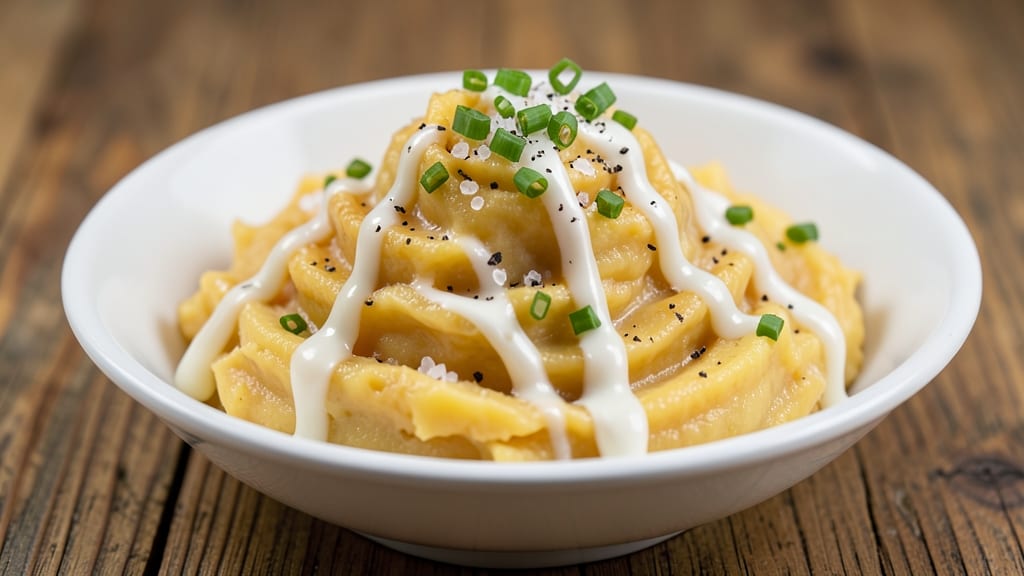
This 2 serving mashed potato recipe delivers velvety, lump-free perfection with just three essential ingredients and a foolproof technique. The secret lies in proper potato selection—waxy varieties like Yukon Golds break down smoothly—and precise cooking methods that eliminate grittiness while preserving creaminess.
I've perfected this over years of holiday hosting, where smooth mashed potatoes become the star of every meal.
What sets this recipe apart is the ultra-smooth texture achieved through careful draining and mashing while the potatoes are still hot. We use a potato ricer for the silkiest results, but a fine-mesh strainer works in a pinch.
The method preserves starch naturally without requiring excessive butter or cream, though we'll add just enough to create that signature velvety finish. This is the kind of mashed potatoes that make guests ask for seconds—and thirds.
The result is a creamy, buttery side dish with just the right amount of body, neither too thick nor too thin. Each bite should melt on your tongue with no resistance, and the flavor should be rich with just a hint of earthiness from the potatoes themselves.
This recipe scales perfectly for two servings while maintaining restaurant-quality consistency, making it ideal for weeknight dinners or holiday gatherings where presentation matters.
For serving, we recommend piling the mashed potatoes high on a platter and creating swirls with a fork for visual appeal. Garnish with a sprinkle of fresh chives or a drizzle of truffle oil for an elevated touch.
The texture holds beautifully when reheated gently, making this an excellent make-ahead option for busy hosts. Let's get started on creating your smoothest mashed potatoes yet.
Ingredients for 2 serving mashed potato
Three core ingredients plus technique create restaurant-quality mashed potatoes for two servings.
| Ingredient | Amount | Notes |
|---|---|---|
| Yukon Gold Potatoes 🥔 | 1 ½ lb | Waxy variety, peeled and cubed |
| Unsalted Butter 🧈 | ½ cup | European-style preferred, cold |
| Heavy Whipping Cream 🥛 | ¼ cup | 36% fat for optimal texture |
| Diamond Crystal Kosher Salt 🧂 | ½ tsp | Fine grain preferred |
| Freshly Ground Black Pepper 🌶️ | ¼ tsp | Freshly cracked for aroma |
| Fresh Chives 🌿 | 2 tbsp | Finely chopped for garnish |
The potato choice is non-negotiable. Yukon Golds deliver that signature creamy texture—Russets are starchier and break down differently. Most grocery stores carry them, but Whole Foods or Trader Joe's often have the freshest selection. Avoid potatoes with sprouts or soft spots. For best results, peel them while cold under running water to preserve starch. The butter should be European-style if possible—it has higher fat content (82% vs. 80%) which gives a richer finish. Land O'Lakes European Style is widely available and worth the slight price increase for this recipe.
No European-style butter? Plugrá or Kerrygold work beautifully, though they're pricier. For the cream, 36% fat is ideal—it emulsifies better than lighter options. If you're using a ricer, OXO Good Grips is my top recommendation for consistent results. Short on time? A fine-mesh strainer works in a pinch, though you'll need to press harder. The salt should be Diamond Crystal kosher—it dissolves more easily than table salt, giving you better control over seasoning. Freshly cracked pepper adds aroma, but pre-ground works if that's all you have. For the chives, fresh is best, but dried works at one-third the amount if you're in a bind.
Potatoes should be refrigerated in a sealed container for up to 5 days—they'll keep their texture better than at room temperature. The mashed potato mixture holds well in the fridge for 3 days if stored in an airtight container with a thin layer of plastic wrap pressed directly on the surface to prevent a skin from forming. For longer storage, portion into ice cube trays, cover with water, and freeze. These little portions reheat perfectly for individual servings. When reheating, always use low heat—high heat breaks down the starch and makes them gummy. A splash of warm milk or cream helps restore creaminess if they've dried out.
Why You'll Love This Recipe
- No-Peel Hassle: I swear by Yukon Golds here—just scrub, cut, and boil. No peeling, no fuss, and the flavor? Rich and buttery without the extra work.
- Buttery Luxury: That first forkful of warm, creamy mash with just a whisper of pepper? It’s the kind of simple dish that feels like a hug. The butter and cream make it taste like you spent hours, not minutes.
- Weeknight Magic: Double this batch, store leftovers, and reheat with a splash of cream—game over for sad, dry mashed potatoes. Perfect for when you’ve got dinner on the table in 30 minutes or less.
- Budget-Friendly Indulgence: Two servings of restaurant-quality mash for less than $5? Yes, please. The cream and butter stretch just enough to feel special without breaking the bank.
Step-by-step instructions for ultra-smooth mashed potatoes
Here's the method that guarantees velvety texture and no lumps—every time.
Prep and Cook the Potatoes to Perfect Doneness
Place the 1.5 lb Yukon Gold Potatoes in a large pot and cover with cold water by about 2 inches. Add 1 teaspoon of the 0.5 tsp Diamond Crystal Kosher Salt to the water and bring to a boil over high heat. Once boiling, reduce to medium-high heat and cook for 12-15 minutes until fork-tender.
You'll know they're done when a knife slides in easily with just slight resistance. Drain immediately in a colander and return the potatoes to the pot. This step is critical—overcooking makes them gummy, while undercooking leaves them starchy and difficult to mash.
Dry the Potatoes Thoroughly Before Mashing
Place the drained potatoes back in the pot and set it over low heat for 1-2 minutes, shaking occasionally, to evaporate any excess moisture. This is where the magic happens—completely dry potatoes prevent that dreaded watery mash. I like to use a wooden spoon to gently break them up slightly during this process, which helps release more steam.
You're aiming for potatoes that feel slightly tacky but not wet. If they're still damp after 2 minutes, continue drying for another 30 seconds. The goal is to eliminate all surface moisture before adding butter and cream—this ensures a silky, lump-free finish.
Mash with Butter and Cream for Ultra-Smooth Texture
Add the 0.5 cup Unsalted Butter and 0.25 cup Heavy Whipping Cream to the warm potatoes. Using a potato masher or ricer, work the ingredients together until completely smooth. I prefer a ricer for this step—it creates an impossibly silky texture by pushing the potatoes through small holes, eliminating any chance of lumps.
If you're using a masher, press down firmly and work in small batches if needed. The butter should melt completely from the residual heat of the potatoes, creating a luxurious, creamy base. Avoid using a food processor or blender at this stage—it can overwork the starch and create a gluey consistency.
Season and Finish with Fresh Herbs
Add the remaining 0.5 tsp Diamond Crystal Kosher Salt and 0.25 tsp Freshly Ground Black Pepper to the mashed potatoes. Stir gently to combine, being careful not to overmix. The potatoes should be creamy, smooth, and just slightly thick—like a luxurious custard.
For the final touch, stir in the 2 tbsp Fresh Chives just before serving. The bright, fresh flavor cuts through the richness of the butter and cream, adding a sophisticated finish. If you prefer a slightly looser consistency, you can gently warm the potatoes over low heat for 1-2 minutes while stirring, but I find they're perfect at room temperature.
Serve Immediately for Maximum Creaminess
Transfer the mashed potatoes to a serving bowl and smooth the surface with a spatula. The texture should be velvety and uniform, with no visible lumps or streaks of butter. Serve immediately while still warm—mashed potatoes continue to thicken as they cool, so the sooner you serve them, the creamier they'll be.
For an extra touch of elegance, garnish with additional chopped chives and a sprinkle of freshly cracked black pepper. These potatoes pair beautifully with roasted meats, gravy, or even as a standalone side dish. The secret to their success lies in the careful drying of the potatoes and the proper ratio of butter to cream—never skimp on the fat, as it's what creates that luxurious mouthfeel.
Pro Tips For Making 2 Serving Mashed Potato
- PEEL AFTER COOKING: I used to peel Yukon Golds raw, and they’d oxidize into sad gray mush. Instead, boil them whole with skins on, then drain and peel under running water—keeps them bright and firm for smoother mashing. (Yes, even if you’re impatient like me.)
- DON’T SKIP THE REST: After draining, let the potatoes sit in the pot for 5 minutes—covered—before mashing. I learned this the hard way: rushing means gummy, uneven texture. The residual steam helps break down the starch properly.
- SALT THE WATER: Add 1½ teaspoons Diamond Crystal kosher salt to the boiling water. Yukon Golds need flavor from the start, and salting later won’t fix underseasoned potatoes. (Trust me, your butter and cream can’t save a bland base.)
- MASH HOT, NOT BOILING: Heat your butter and cream together until the butter melts but doesn’t brown—about 160°F. Drizzle this warm (not scalding) mixture into the potatoes while mashing. Boiling-hot liquid turns mashed potatoes gluey. (Your future self will notice.)
Make-ahead tips for this 2 serving mashed potato
Prep Ahead for Stress-Free Cooking
Peel and cube your Yukon Gold Potatoes up to 2 days ahead and store them in a bowl of cold water in the fridge. This prevents browning and keeps them fresh.
The day you cook, simply drain and pat them dry before boiling. I always do this when hosting—it saves 15 minutes of prep time on the actual cooking day. 🥔
Make-Ahead for Holiday Gatherings
Prepare the mashed potatoes completely and store them in an airtight container with plastic wrap pressed directly on the surface. They'll keep for 3 days in the fridge, though I recommend reheating within 2 days for best texture.
When reheating, cover with a damp paper towel and warm on low heat with a splash of warm milk or cream to restore creaminess.
Freezer-Friendly Portioning
For maximum convenience, portion the mashed potatoes into ice cube trays before freezing. Cover with water, then transfer the frozen cubes to a freezer bag. Each cube makes a perfect single serving—just thaw overnight in the fridge and reheat gently.
This method preserves texture better than freezing in bulk containers. I use this technique for Thanksgiving leftovers—it's a game-changer for busy mornings. ❄️
Timing Your Make-Ahead Strategy
If you're cooking for a dinner party, make the mashed potatoes 2 hours ahead and reheat them gently before serving. The texture holds beautifully when reheated properly, and you'll avoid the last-minute rush. For best results, reheat in a double boiler—this keeps them creamy without drying them out.
I always do this when hosting—it gives me more time to focus on other components of the meal.
Reheating Like a Pro
When reheating, never use high heat—it breaks down the starch and makes the potatoes gummy. Instead, warm them on low heat with a splash of warm milk or cream. Stir frequently and add more liquid as needed to maintain creaminess.
For extra insurance, cover the pot with a lid to trap steam. The goal is to restore that luxurious, velvety texture without overworking the starch. 💫
Storage Containers Matter
Use glass containers with tight-sealing lids for storage—they prevent odors from absorbing and maintain freshness longer than plastic. I prefer Pyrex with snap-on lids because they're microwave-safe and stack well in the fridge.
Label containers with dates to track freshness. For leftovers, always cool the potatoes completely before refrigerating to prevent bacterial growth. Proper storage keeps them safe for up to 4 days in the fridge.
Nutrition facts
Frequently asked questions
Can I use russet potatoes instead of Yukon Golds?
Russets work but won't give you that signature creamy texture. They're starchier and break down differently, often resulting in a lighter, fluffier mash. For the ultra-smooth results in this recipe, stick with Yukon Golds—their waxy texture creates that luxurious, velvety consistency we're aiming for.
What if I don't have a potato ricer?
A fine-mesh strainer works perfectly as a substitute! Press the hot potatoes through with a wooden spoon to achieve that silky texture. For even smoother results, you can also use a food mill or potato masher, but work in small batches to avoid lumps. The key is to eliminate all resistance when mashing.
Can I make these mashed potatoes ahead of time?
Store them in an airtight container for up to 3 days in the fridge. For reheating, warm gently on low heat with a splash of warm milk or cream to restore creaminess. The texture holds beautifully when reheated properly—just avoid high heat which can make them gummy.
Why did my mashed potatoes turn out watery?
This usually happens when potatoes aren't dried properly after draining. The secret is to cook them until fork-tender, drain completely, then return to the pot over low heat for 1-2 minutes to evaporate all moisture. If they're still watery, try adding a bit more butter or cream to help bind the mixture.
Can I substitute cream cheese for the heavy cream?
Not recommended—cream cheese adds a completely different texture and flavor. For a similar richness, you could use full-fat sour cream (about 2 tablespoons), but it won't give you that same velvety smoothness. The heavy cream in this recipe is key for that luxurious mouthfeel we're aiming for.