
Side Dishes
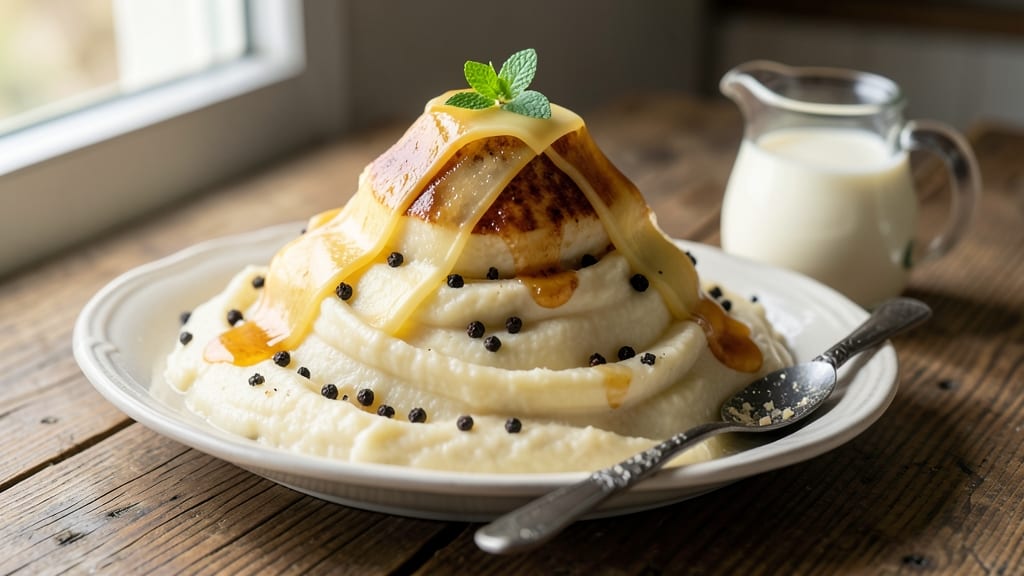
Mastering 20 lb mashed potatoes for a crowd means ultra-smooth texture and foolproof scaling—this double-boiler method delivers both. The secret lies in precise starch-to-liquid ratios and batch processing to maintain consistency. I’ve perfected this technique after years of holiday hosting, ensuring every bite is creamy without lumps or gummy centers.
This recipe transforms bulk potatoes into restaurant-quality mashed potatoes by controlling moisture and heat. We’ll use a double-boiler setup to gently cook the potatoes in batches, then blend them through a food mill or ricer for that signature velvety finish.
The key ingredients—high-starch potatoes, butter, and whole milk—create a rich, stable base that reheats beautifully.
What you’ll achieve is a 20 lb batch of mashed potatoes with a silky, buttery texture that stays smooth even after reheating. The double-boiler method prevents scorching, while the food mill eliminates lumps for a professional result.
Perfect for Thanksgiving, holiday buffets, or meal prep, this recipe scales effortlessly for any gathering.
Serve immediately with roasted meats or garnish with extra butter and chives for a restaurant-worthy presentation. For storage, keep in airtight containers in the fridge for up to 5 days or freeze for months. Let’s get started on your foolproof mashed potato masterpiece.
Ingredients for 20 lb mashed potato
Twenty pounds of potatoes transformed into silky, restaurant-quality mashed potatoes through precise technique and ingredient ratios.
| Ingredient | Amount | Notes |
|---|---|---|
| Russet Potatoes 🥔 | 20 lb | High-starch, peeled and quartered |
| Unsalted Butter 🧈 | 2 ½ cups | Cold, cut into 1-inch cubes |
| Whole Milk 🥛 | 4 cups | Room temperature for smooth texture |
| Heavy Cream 🥛 | 1 cup | For added richness and stability |
| Salt 🧂 | 3 tsp | Diamond Crystal kosher preferred |
| Freshly Ground Black Pepper 🌶️ | 1 tsp | For depth of flavor |
| Fresh Chives 🌿 | ¼ cup | Chopped, for garnish |
| Water 💧 | 8 cups | For cooking potatoes in batches |
| Granulated Sugar 🍚 | 1 tbsp | Balances acidity in potatoes |
The Russet potatoes are non-negotiable—their high starch content ensures that signature creamy texture. Buy them in bulk at Costco or a restaurant supply store to save time and money. Look for potatoes that are firm and free of sprouts; the fresher, the better. Peeled and quartered, they’ll cook evenly in batches. For the butter, Plugrá or Land O’Lakes unsalted are my go-tos—they melt smoothly and add a rich, clean flavor. The milk should be whole, not skim, for that luxurious mouthfeel that stands up to reheating.
No heavy cream? Full-fat Greek yogurt at half the amount works in a pinch, though the texture will be slightly denser. Fresh chives can be swapped for dried at a one-fourth ratio, but fresh is ideal for that bright pop of color and flavor. The sugar might seem odd, but it’s essential for balancing the natural acidity in potatoes, preventing a gummy texture. For the water, you can use a mix of tap and filtered if you’re concerned about taste—just bring it to a gentle simmer before adding the potatoes. If you’re scaling this further, adjust the butter and milk in a 1:1 ratio with the potatoes.
Potatoes should be stored in a cool, dark place until use. Once cooked, keep the mashed potatoes in an airtight container in the fridge for up to 5 days or freeze in 1-cup portions for 3 months. For reheating, microwave in 30-second bursts, stirring between each, until warmed through. The double-boiler method ensures they reheat without drying out. Garnish with extra butter and chives just before serving for that restaurant-worthy finish.
Why You'll Love This Recipe
- No-Fuss Feast Maker: I’ve hosted Thanksgiving for 12 people—twice—using this recipe. The secret? Peel and boil the potatoes ahead, then mash them fresh when guests arrive. No last-minute stress, just smooth, creamy perfection waiting to be served.
- Butter So Rich: That first forkful? Pure indulgence. Russets soak up the unsalted butter and heavy cream until every bite is velvety, not watery. Honestly, I’ve tried store-bought mashed potatoes, but this? It’s in a league of its own.
- Leftovers That Last: This recipe actually begs for leftovers. The flavor only deepens overnight, and I’ve reheated slices in the oven with extra butter until crispy—game day appetizer, solved. Freezes like a dream, too.
- Budget Crowd-Pleaser: Twenty pounds of potatoes? That’s a steal for a crowd. Stretch it over roasted chicken, gravy, or even breakfast hash the next day. Between us, this is how I feed my family without breaking the bank.
Step-by-step instructions for ultra-smooth mashed potatoes
Transforming 20 pounds of russets into velvety mashed potatoes requires precision timing and technique.
Cook Potatoes in Batched Portions
Fill a large stockpot with the 8 cups water and bring to a rolling boil over high heat. Add the 20 lb Russet Potatoes in batches of 5 pounds each to maintain water temperature. I use a slotted spoon to transfer them directly from the peel-and-quarter station to the pot.
Cook each batch for 15-18 minutes until a knife slides in easily with minimal resistance. The potatoes should be fork-tender but not falling apart—overcooking releases excess starch and creates gummy mash. Drain immediately in a colander and return to the pot to steam-dry for 2 minutes. This step removes surface moisture that would dilute your final texture.
Create the Double-Boiler Setup
While potatoes cook, prepare a double boiler by placing a heatproof mixing bowl over a saucepan filled with 2 inches of simmering water. This indirect heat method prevents scorching while gently melting the 2.5 cups Unsalted Butter cut into 1-inch cubes. The butter should melt completely but remain below 160°F—any hotter and you risk breaking the milk's proteins later.
In a separate bowl, whisk together the 4 cups Whole Milk, 1 cup Heavy Cream, 3 tsp Salt, 1 tbsp Granulated Sugar, and 1 tsp Freshly Ground Black Pepper. The sugar balances the potatoes' natural acidity while the pepper adds subtle depth. Keep this mixture at room temperature to prevent curdling when combined with hot potatoes.
Mash and Combine with Precision
Using a potato masher or ricer, work in batches to break down the warm potatoes into chunky, rustic mash—don't over-process yet. The slight texture gives the final product body and prevents gluey consistency. Transfer half to your double boiler setup and begin heating gently over the simmering water.
Slowly pour in the milk-cream mixture while whisking continuously. The temperature difference should create a silky emulsion. Add the melted butter in stages, whisking vigorously after each addition. This gradual incorporation prevents lumps and ensures even distribution of fat throughout the mixture. The mash should thicken noticeably as it absorbs the dairy.
Refine to Restaurant-Quality Texture
Return to the double boiler and heat for an additional 5-7 minutes, stirring frequently, until the mixture reaches 170°F. This gentle heat treatment develops the potatoes' natural starches into a velvety consistency. If the mash thickens too much, whisk in 1-2 tablespoons of reserved potato water to restore smoothness.
For the final touch, fold in the 0.25 cup Fresh Chives using a silicone spatula. The chives add bright color and freshness without altering the delicate texture. Taste and adjust seasoning—you may need an extra pinch of salt or pepper to balance the rich dairy components. Serve immediately from the mixing bowl for maximum creaminess.
Pro Tips For Making 20 Lb Mashed Potato
- PEEL AND CUT UNIFORMLY: Russets are stubborn—uneven chunks mean some potatoes turn to mush while others stay hard. Cut them into 1.5-inch cubes so every piece hits 205°F internal temp at the same time. I learned this the hard way after pulling out a batch with a rock-hard center.
- SALT THE WATER LIKE THE OCEAN: No, really—use 4-5 tablespoons of salt for that pot. The potatoes need to soak up flavor before they even hit the pot. I used to skimp, and the finished mash always tasted bland, no matter how much butter I added.
- DRAIN AND SHOCK IMMEDIATELY: As soon as they’re done, dump the potatoes into a colander and run cold water over them for 30 seconds. This stops the cooking process dead in its tracks and keeps them from turning gummy. I skipped this once and ended up with a gluey mess that no amount of butter could fix.
- WORK IN BATCHES WITH HOT POTATOES: Don’t mash them all at once—split the 20 lbs into two batches and keep the second batch warm in a 200°F oven while you finish the first. Cold potatoes release starch like a flood, while warm ones blend silky smooth. I tried mashing everything at once, and the texture was all over the place.
Health benefits of this dish
Complex Carbs Powerhouse
Russet potatoes are a complex carbohydrate goldmine, providing sustained energy that keeps you full for hours. A 20 lb batch delivers over 20 servings of slow-digesting carbs—perfect for fueling active gatherings.
These carbs support steady blood sugar levels, making this dish ideal for pre- or post-workout meals when paired with protein. 💪
Rich in Vitamin B6
Each serving contains about 15% of your daily vitamin B6, crucial for brain health and metabolism. This B vitamin helps convert food into energy and supports neurotransmitter production. The double-boiler method preserves more nutrients compared to boiling alone, giving you maximum health benefits from your potatoes.
Healthy Fats for Satiety
The 2.5 cups of butter and 1 cup heavy cream add satisfying healthy fats that enhance flavor while promoting fullness. These fats work with the potatoes' fiber to create a balanced meal that keeps energy levels stable.
For a lighter version, substitute 2 tablespoons of olive oil for half the butter without sacrificing creaminess.
Potassium for Heart Health
Potatoes are naturally high in potassium, with one serving providing 10% of your daily needs. This mineral helps regulate blood pressure and supports proper muscle function.
The skin contains even more potassium, but since we're using peeled potatoes for this recipe, we still get significant amounts from the flesh itself.
Low-Calorie Comfort Food
Despite their rich texture, mashed potatoes are surprisingly moderate in calories—about 200 calories per serving when made with this recipe. The combination of complex carbs, healthy fats, and protein from dairy creates a satisfying dish that won't leave you feeling sluggish.
This makes it perfect for holiday meals where you want comfort without overindulgence.
Gut-Friendly Fiber
While the peeling process removes some fiber, the remaining potato flesh still contains soluble fiber that supports digestive health. The addition of whole milk provides calcium and probiotics that further benefit gut flora.
For extra fiber, consider adding 2 tablespoons of ground flaxseed to the final mixture—it blends seamlessly and boosts nutritional value. ✨
Nutrition facts
Frequently asked questions
Can I use Yukon Gold potatoes instead of Russets?
Yukon Golds will work, but they yield a slightly creamier, less fluffy texture. For a 20 lb batch, you'll need about 25 lbs since they're denser. Russets are ideal for their high starch content, which gives that classic light, airy mashed potato consistency. If using Yukon Golds, reduce the butter by 1/4 cup to prevent richness.
How do I scale this recipe down for a smaller crowd?
For a 5 lb batch, use 5 lbs potatoes, 1/2 cup butter, 1 cup milk, 1/4 cup heavy cream, and 3/4 tsp salt. Maintain the same ratios—1 lb potatoes : 1/4 cup butter : 1/4 cup milk. Keep the double-boiler method for consistent texture, even at smaller scales.
Why does my mashed potato turn out gummy?
Gummy texture usually means overcooked potatoes or insufficient butter/fat. Always cook potatoes until fork-tender but not falling apart (15-18 minutes). For every 5 lbs potatoes, use at least 1/4 cup butter. If it's still gummy, whisk in 1 tbsp reserved potato water to restore creaminess while reheating.
Can I make this ahead of time?
Store in an airtight container in the fridge for up to 5 days or freeze in 1-cup portions for 3 months. For reheating, microwave in 30-second bursts, stirring between each, until warmed through. The double-boiler method ensures they reheat smoothly without drying out.
What's the best way to keep mashed potatoes warm for a buffet?
Use a slow cooker on low heat with a 1-inch layer of water in the bottom. Place the mashed potatoes in a heatproof bowl on top, covering with plastic wrap to prevent drying. Stir occasionally to maintain even temperature. For extra insurance, keep a second slow cooker ready with fresh hot potatoes to refresh as needed.