Side Dishes
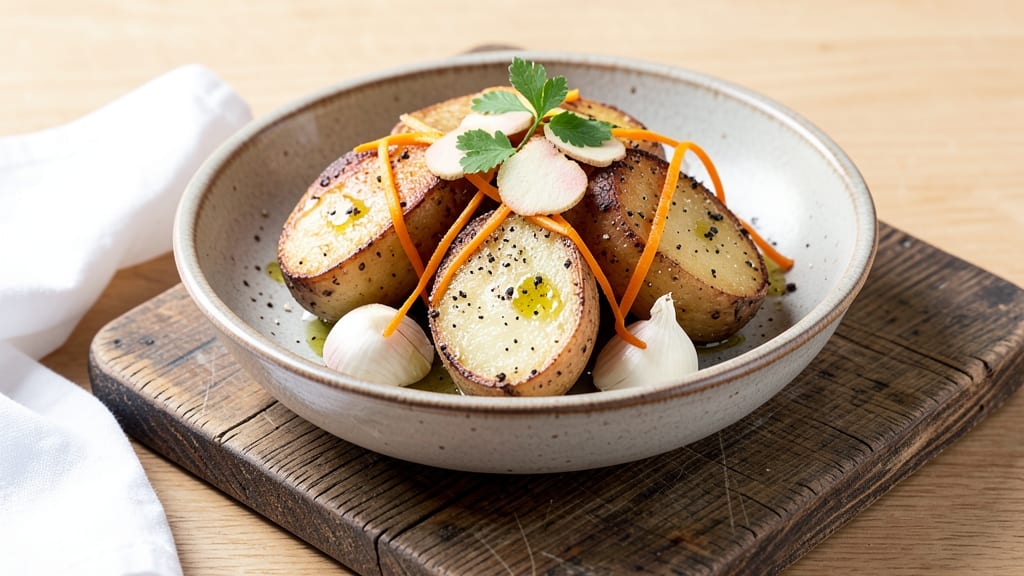
This anti-inflammatory potato recipe transforms simple potatoes into a gut-healing powerhouse with turmeric and ginger. 🌿 The secret lies in roasting them with anti-inflammatory spices that not only taste incredible but actively support your body's natural healing processes.
I developed this recipe after realizing how often we overlook potatoes as a vehicle for medicinal flavors—turns out, they're the perfect canvas for gut-friendly compounds.
The magic happens with a blend of turmeric (a potent anti-inflammatory), fresh ginger (which aids digestion), and olive oil (rich in heart-healthy fats). We roast the potatoes until they're crispy on the edges and tender inside, creating a satisfying texture that pairs beautifully with proteins or salads.
The spices infuse deeply during cooking, delivering maximum anti-inflammatory benefits with every bite.
What makes this recipe truly special is how it balances nutrition and flavor without compromise. The turmeric adds a warm, earthy depth while the ginger brings a bright zing that cuts through richness.
Together, they create a dish that's as delicious as it is beneficial—perfect for anyone looking to reduce inflammation while enjoying a comforting, satisfying meal.
These roasted potatoes make an excellent side dish for grilled fish, chicken, or even as a standalone meal with a dollop of Greek yogurt. The recipe is designed to be simple yet impactful, ensuring you get the most out of every ingredient without spending hours in the kitchen.
Let's get started on this flavorful, health-boosting side dish!
Ingredients for anti inflammatory potato
Transform humble potatoes into an anti-inflammatory powerhouse with these gut-healing ingredients.
| Ingredient | Amount | Notes |
|---|---|---|
| Russet Potatoes 🥔 | 2 lb | Cut into 1-inch cubes, skin on |
| Extra-Virgin Olive Oil 🫒 | ½ cup | Cold-pressed for heart-healthy fats |
| Fresh Turmeric Root 🌿 | 1 tbsp | Grated, or 1 tsp ground turmeric |
| Fresh Ginger Root 🧄 | 1 tbsp | Finely grated, skin on |
| Garlic Cloves 🧄 | 4 cloves | Minced for aromatic depth |
| Ground Black Pepper 🌶️ | 1 tsp | Freshly cracked for potency |
| Ground Cinnamon 🌶️ | ½ tsp | Warm spice for anti-inflammatory boost |
| Sea Salt 🧂 | 1 tsp | Diamond Crystal preferred |
| Fresh Rosemary 🌿 | 2 tbsp | Chopped, organic preferred |
| Fresh Thyme Leaves 🌿 | 1 tbsp | Or 1 tsp dried thyme |
| Plain Greek Yogurt 🥛 | ¼ cup | For serving, full-fat preferred |
| Black Sesame Seeds 🌾 | 1 tbsp | Toasted for nutty crunch |
The turmeric and ginger are absolute stars here—fresh root is ideal, but powdered works in a pinch. For turmeric, I always grab the organic root from Whole Foods (the bright orange color means it's potent). Fresh ginger? Peel it just before grating—the skin has powerful compounds too. If you're using powdered spices, make sure they're certified organic to avoid inflammation from additives. The olive oil should be extra-virgin, cold-pressed—anything less and you're missing out on those heart-healing fats that make this dish so special.
No fresh turmeric? One teaspoon of high-quality ground turmeric works, but fresh is worth the extra minute. Ginger too strong? Start with half the amount and adjust to taste. The garlic can be roasted with the potatoes for mellowed sweetness—just toss it in the oil first. For the herbs, dried thyme at one-third the amount is fine, but fresh rosemary is non-negotiable for that piney aroma. Swapping the Greek yogurt? Coconut yogurt keeps it dairy-free while maintaining creaminess. And if sesame seeds are out of reach, toasted pumpkin seeds add a similar crunch.
These potatoes reheat beautifully—10 minutes at 350°F brings them back to crispy perfection. Store leftovers in an airtight container for 4-5 days, but honestly, they're best eaten fresh. For meal prep, roast a big batch and portion into containers with a drizzle of olive oil to keep them crispy. The spices lose potency after 3 days in the fridge, so plan to eat these within that window. Freezing isn't recommended—they turn mushy, but if you must, try freezing them cooked and reheat from frozen at 400°F for 20 minutes.
Why You'll Love This Recipe
- One-Pan Magic: I swear by this recipe when I’m too tired to wash a million dishes. Just toss those Russets in a hot pan with olive oil, turmeric, and ginger—no peeling, no fuss—and let them roast until golden. That’s it. The spices do all the work while I’m scrolling through my phone.
- Golden, Spicy Kick: Between us, the fresh turmeric and ginger make these potatoes ridiculously flavorful. They’re crispy on the outside with a tender, almost caramelized center, and that earthy warmth stays with you long after the last bite. (Yes, even on a Tuesday night.)
- Meal Prep MVP: I make a big batch on Sundays and keep them in the fridge for days. They reheat perfectly—whether I’m throwing them into a grain bowl for lunch or serving them as a side for dinner. Honestly, it’s my go-to when I don’t want to cook.
- Budget-Friendly Powerhouse: Russets are cheap, olive oil lasts forever, and a little fresh ginger goes a long way. This recipe feeds four for under $5, and the leftovers? Even better the next day. My wallet and my taste buds thank me.
Step-by-step instructions for anti-inflammatory potato roast
Transform humble russet potatoes into a vibrant, gut-soothing dish packed with turmeric's golden power and ginger's zesty kick.
🍳 Step 1: Prep and Marinate the Potatoes
Preheat your oven to 425°F for maximum crispiness. Cut the 2 lb russet potatoes into 1-inch cubes, leaving the skin on for fiber and texture. Toss them in a large bowl with the 0.5 cup extra-virgin olive oil until evenly coated—the oil carries the anti-inflammatory compounds deep into the potatoes.
In a separate bowl, combine the 1 tbsp grated fresh turmeric root, 1 tbsp grated fresh ginger root, 4 minced garlic cloves, 1 tsp ground black pepper, 0.5 tsp ground cinnamon, and 1 tsp sea salt. Pour this vibrant spice blend over the potatoes and toss vigorously. Let them marinate for 15 minutes—this ensures the anti-inflammatory compounds infuse fully into the potatoes.
👨🍳 Step 2: Add Herbs and Create the Perfect Bedding
Fold in the 2 tbsp chopped fresh rosemary and 1 tbsp fresh thyme leaves into the potato mixture. These herbs not only add depth but also contain their own anti-inflammatory properties. Spread the potatoes evenly on two rimmed baking sheets lined with parchment paper, leaving ½-inch space between each cube for even browning.
Here's the thing—don't overcrowd the pan. I've learned the hard way that crammed potatoes steam instead of roast, resulting in soggy instead of crispy edges. The goal is golden brown skin with tender centers, so give them room to breathe.
🔥 Step 3: Roast Until Caramelized and Tender
Roast the potatoes for 35-40 minutes, flipping halfway through, until they're deep golden brown with crisp edges. You'll know they're perfect when a knife slides in easily and the internal temperature reaches 205°F—this ensures they're fork-tender without being mushy.
Real talk: Your oven might run hot, so start checking at the 30-minute mark. The potatoes should smell like a spice market—earthy, slightly sweet, with that unmistakable turmeric aroma. If they're browning too quickly, tent with foil to prevent burning while they finish cooking.
🥘 Step 4: Finish with Toasted Sesame Seeds
While the potatoes roast, toast the 1 tbsp black sesame seeds in a dry skillet over medium heat for 2-3 minutes until fragrant and nutty. Watch them closely—they burn faster than you think. Immediately sprinkle the toasted seeds over the hot potatoes and toss gently to distribute evenly.
These seeds add a delightful crunch and extra anti-inflammatory omega-3s. The contrast between the crispy seeds and tender potatoes is what makes this dish truly special. Let the potatoes rest for 5 minutes before serving—this allows the juices to redistribute for maximum flavor in every bite.
🍽️ Step 5: Serve with Cooling Greek Yogurt
Transfer the roasted potatoes to a serving platter and drizzle with any accumulated pan juices. Serve immediately with a dollop of 0.25 cup plain Greek yogurt on top of each serving. The cool, creamy yogurt balances the warm spices and adds a protein boost to this gut-healing dish.
Each bite delivers a perfect harmony of textures—crispy edges, tender centers, nutty seeds, and cooling yogurt. This isn't just a potato dish; it's a flavor-packed anti-inflammatory powerhouse that supports your gut health while satisfying your taste buds.
Pro Tips For Making Anti Inflammatory Potato
- Peel Potatoes Just Before Cooking: Russets oxidize fast—peel them right when you’re ready to chop, then toss in cold water until you start cooking. I learned this the hard way after prepping a batch and watching them turn gray before hitting the pan.
- Grate Ginger and Turmeric Wet: Skip the dry grating—rub fresh ginger and turmeric under cold running water while grating. This prevents the turmeric from staining your hands (and your counter) like a crime scene and keeps the ginger from turning bitter.
- Roast Potatoes in Two Batches: Crowd the pan, and you’ll steam them instead of crisp them. Use a single layer on the middle rack—yes, even if it means two trips to the oven. The extra 10 minutes guarantees golden, caramelized edges every time.
- Infuse Oil with Spices First: Heat the olive oil with minced garlic, ginger, and turmeric for 2–3 minutes until fragrant before adding potatoes. This builds flavor depth—no one wants bland, sad anti-inflammatory potatoes. (Your taste buds will notice.)
Make-ahead tips for anti inflammatory potato
Prep Ahead Strategy
Start by prepping all ingredients the night before—grate the turmeric root and ginger root, mince the garlic, and chop the rosemary and thyme. Store them in airtight containers in the fridge.
This saves 20 minutes of prep time the next day. I keep everything in small glass jars so the spices stay fresh and potent. 🌿
Roasting Timeline
Roast the potatoes for 30 minutes at 425°F, then flip and continue for another 15-20 minutes until golden. If you're short on time, use a 400°F oven and add 5-10 extra minutes to the total cook time.
The key is patience—rushing leads to uneven cooking or burnt edges. I like to set a timer for 30 minutes first, then check frequently after that.
Storage Secrets
Store leftovers in an airtight container for up to 4-5 days, but they're best eaten within 2 days for peak freshness. The spices lose their punch over time, so reheat at 350°F for 10 minutes to restore crispiness.
For meal prep, portion into individual containers with a drizzle of olive oil to keep them crispy. Freezing isn't recommended—they turn mushy, but if you must, freeze cooked potatoes for up to 1 month.
Batch Cooking Tips
Double the recipe and roast two trays at once for large gatherings. Use a half-sheet pan if your oven can't handle two full trays. The extra effort means you'll have delicious leftovers for lunches all week.
I like to make a big batch on Sundays so I can grab a portion for my lunchbox during the week. The flavors actually improve as the spices meld together over time. ✨
Reheating Perfection
For the crispiest results, reheat potatoes at 400°F for 15 minutes—this restores that satisfying crunch. If you're in a hurry, use the microwave on 50% power for 2 minutes, then finish under the broiler for 3-5 minutes to crisp up the edges.
Always add a splash of water or olive oil before reheating to prevent drying out.
Freezer-Friendly Hack
If you must freeze, spread the roasted potatoes on a tray to freeze solid, then transfer to a freezer bag. This prevents them from sticking together. When ready to eat, thaw overnight in the fridge, then reheat as directed.
The texture won't be perfect, but it's a great way to save leftovers for later. I've found they work well in soups or grain bowls after thawing. ❄️
Nutrition facts
Frequently asked questions
Why does turmeric need black pepper?
Black pepper contains piperine, a compound that boosts turmeric's absorption by up to 2000%! Without it, you're missing most of turmeric's anti-inflammatory benefits. The recipe pairs them perfectly for maximum gut-healing power.
Can I make this recipe without fresh turmeric or ginger?
Yes! Use 1 teaspoon ground turmeric and ½ teaspoon ground ginger instead. For best results, choose organic, high-quality spices to avoid additives that could trigger inflammation. The flavor will be slightly different but still effective.
Are these potatoes suitable for a low-FODMAP diet?
Not exactly—the fresh ginger and garlic contain FODMAPs. For a low-FODMAP version, reduce ginger to ½ teaspoon and use garlic-infused oil instead of fresh. The anti-inflammatory benefits will be slightly reduced but still present.
How can I make this dish more protein-rich?
Add ½ cup cooked lentils or ¼ cup crumbled feta cheese to the serving platter. For a meat option, serve alongside grilled chicken breast or baked salmon. The Greek yogurt already provides 5 grams of protein per serving.
What if my potatoes turn out soggy?
Soggy potatoes usually mean they were overcrowded or undercooked. Next time, spread them ½-inch apart on the tray and roast at 425°F for 5-10 extra minutes until crispy. For reheating soggy potatoes, bake at 400°F for 15 minutes with a drizzle of olive oil.