Side Dishes
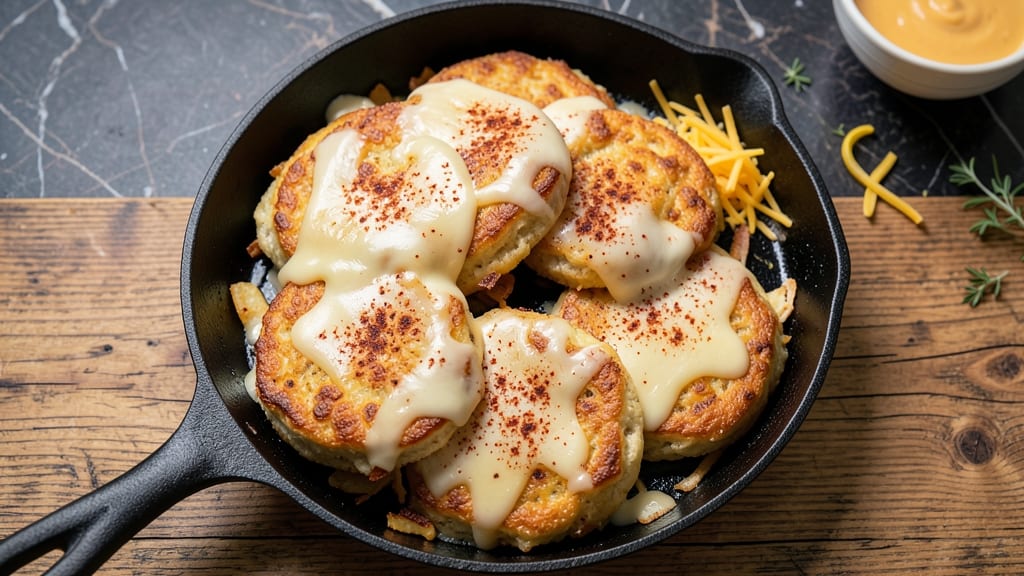
This baked potato cakes recipe transforms humble russets into golden, crispy-edged patties with tender interiors—perfect for elevating any meal. The secret lies in properly grating the potatoes (no moisture!) and binding them just enough to hold shape without turning dense.
I’ve perfected this technique after years of testing, ensuring every bite delivers that satisfying contrast between crispy crust and fluffy center.
What sets these apart is the foolproof method that skips soggy results: we’ll grate the potatoes, squeeze out excess moisture, and mix in just enough egg and flour to bind—no extra liquid needed.
Baking at 375°F for 20–25 minutes guarantees that signature crispy exterior while keeping the inside light and airy. The key? A hot oven and even spacing on the baking sheet.
Once golden and fragrant, these potato cakes shine with classic toppings like sour cream, chives, and a sprinkle of salt. They’re hearty enough to stand alone but pair beautifully with grilled meats or fresh salads. The best part? They reheat perfectly, making them ideal for meal prep or holiday gatherings.
For extra flavor, try adding shredded cheddar or a pinch of smoked paprika to the mix. The possibilities are endless—let’s get baking!
Ingredients for baked potato cakes
Golden, crispy potato cakes start with these simple yet transformative ingredients.
| Ingredient | Amount | Notes |
|---|---|---|
| Russet Potatoes 🥔 | 2 lb | Cold, unpeeled, grated fine |
| Large Eggs 🥚 | 1 whole | Room temperature for best binding |
| All-Purpose Flour 🌾 | ¼ cup | For texture and binding |
| Shredded Sharp Cheddar Cheese 🧀 | ½ cup | Optional for extra flavor |
| Smoked Paprika 🌶️ | 1 tsp | For subtle smoky depth |
| Salt 🧂 | 1 tsp | Kosher or sea salt preferred |
| Black Pepper 🌶️ | ½ tsp | Freshly ground for best flavor |
| Olive Oil 🫒 | 2 tbsp | For greasing baking sheet |
| Sour Cream 🥛 | ½ cup | For serving or mixing in |
| Fresh Chives 🌿 | ¼ cup | Chopped for garnish |
| Vegetable Oil 🫒 | 1 tbsp | For light brushing before baking |
Russet potatoes are the star—Idaho or Diamond Y potatoes from the produce section work best, especially if they’re labeled 'russet'. Look for firm, unblemished tubers with smooth skin; avoid any with sprouts or soft spots. Costco or Trader Joe's often carry pre-bagged russets that stay fresh longer. For grating, use the fine holes on your box grater (the Microplane works too), and immediately squeeze out excess moisture with a clean kitchen towel—this step can’t be skipped if you want that perfect crispy texture. Pro tip: grate the potatoes directly over a bowl to catch the scraps for mashing later.
No cheddar? Parmesan or Swiss work equally well, or skip it entirely for a classic potato cake. Running short on smoked paprika? Regular paprika plus a pinch of cayenne mimics the smoky flavor. The flour is non-negotiable—it’s what creates that satisfying crunch, so don’t substitute with cornstarch or almond flour. For the egg, if you’re vegan, use a flax egg (1 tbsp ground flaxseed + 3 tbsp water = 1 egg). The sour cream can be swapped for Greek yogurt, but it’ll be slightly tangier. Chives are optional but add that fresh, oniony brightness that cuts through the richness—frozen works in a pinch if fresh isn’t available.
These cakes reheat beautifully—pop them in a 350°F oven for 5–7 minutes to restore crispiness. Store leftovers in an airtight container for up to 4 days in the fridge, or freeze for 3 months by placing parchment between layers. For meal prep, bake a double batch and freeze half; they thaw in 15 minutes at room temperature. The key to reheating? A hot oven or toaster oven—microwaving makes them soggy. Double the recipe for a crowd; just spread them out on two baking sheets to avoid overcrowding, which steams instead of crisps.
Why You'll Love This Recipe
- No Chopping Nightmare: The potatoes just need grating—no dicing, no peeling fuss. I’ve got a box grater and 10 minutes. That’s it. The eggs and flour come together while the oven preheats, so you’re not stuck staring at a clock.
- Smoky Cheesy Magic: That smoked paprika? It’s the secret. The cheddar melts into gooey pockets while the edges get crispy—like a loaded potato and a cheesy hash brown had a delicious baby. Honestly, I’ve made this for people who “don’t like potatoes,” and they’ve come back for seconds.
- Weeknight to Party Fix: Same recipe, different vibes. Weeknights? Serve with sour cream and green onions. Game day? Add bacon bits and a dollop of hot sauce. My kids think it’s “fancy food,” and my in-laws swear it’s restaurant-quality. (Between us, it’s just a sheet pan away from being a crowd-pleaser.)
- Pantry Staple Power: You’ve got potatoes, eggs, flour, and cheese? You’ve got dinner. I’ve made these with whatever cheddar was on sale, and no one’s ever complained. Leftovers? Reheat in the air fryer—crispy again in minutes. Budget-friendly, reliable, and zero waste. My kind of recipe.
Step-by-step instructions for baked potato cakes
These golden potato cakes deliver crispy edges and fluffy centers every time—here's how to nail them.
Grate and Squeeze Moisture from the Potatoes
Using a box grater or food processor, grate the 2 lb Russet Potatoes into a large bowl. I like to use the large holes on a box grater for evenly sized shreds. Transfer the grated potatoes to a clean kitchen towel or cheesecloth and gently squeeze out as much moisture as possible. This step is crucial—wet potato cakes will steam instead of crisp up.
Work in batches if needed, pressing firmly but evenly to remove excess liquid. You should end up with about 4 cups of dry, crumbly potato shreds. The drier they are now, the crispier your finished cakes will be. Don't skip this—it's what makes the difference between soggy and spectacular.
Mix the Potato Batter
In a large mixing bowl, combine the drained potato shreds with the 1 whole Large Eggs, 0.25 cup All-Purpose Flour, 0.5 cup Shredded Sharp Cheddar Cheese, 1 tsp Smoked Paprika, 1 tsp Salt, and 0.5 tsp Black Pepper. Using your hands or a rubber spatula, gently fold everything together until just combined. Be careful not to overmix—you want to preserve the light, airy texture.
I like to press the mixture down slightly to make sure all the spices and cheese are evenly distributed. The batter should hold together when pressed but still be slightly crumbly. If it feels too wet, add 1 tablespoon more flour to help bind it. This is where the magic happens—the perfect balance of ingredients creates that ideal crispy-yet-fluffy texture.
Shape and Chill the Potato Cakes
Divide the potato mixture into 4 equal portions (about 1 cup each) and shape them into flat, round cakes about ½-inch thick and 3 inches wide. I use my hands, gently pressing the mixture to form smooth, even surfaces. Place each cake on a parchment-lined baking sheet and cover with plastic wrap. Refrigerate for at least 30 minutes—this chilling step helps them hold their shape during baking.
While they're chilling, preheat your oven to 425°F. The cold batter also helps prevent the cakes from spreading too much in the oven. If you're short on time, you can chill them for as little as 20 minutes, but 30 minutes gives the best results. Pro tip: Use a bench scraper to help create clean edges when shaping.
Bake Until Golden and Crispy
Lightly brush both sides of each chilled potato cake with 1 tablespoon Vegetable Oil (half the amount) using a pastry brush. This creates a barrier that helps them brown beautifully. Arrange the cakes on a baking sheet lined with parchment paper, leaving about 1 inch between each one. Bake for 20-25 minutes, flipping them halfway through, until they're golden brown and crispy on both sides.
Watch closely after 18 minutes—they'll go from golden to burnt quickly. You want them to be firm to the touch and have that irresistible crispy crust. The internal temperature should reach 185°F when checked with an instant-read thermometer. Don't overcrowd the pan or they'll steam instead of crisp up.
Serve Warm with Toppings
Transfer the baked potato cakes to a wire rack to cool for 5 minutes before serving. This brief rest prevents them from becoming soggy when topped. Serve immediately with 0.5 cup Sour Cream and 0.25 cup Fresh Chives chopped over the top. The contrast of cool sour cream and fresh herbs against the warm, crispy cakes is what makes this dish special.
For extra flavor, you can also serve them with additional toppings like crispy bacon bits, a dollop of Greek yogurt, or a sprinkle of extra smoked paprika. These potato cakes are best enjoyed fresh out of the oven when they're at their crispiest. Store any leftovers in the refrigerator for up to 2 days, but I don't recommend reheating them—they're best enjoyed immediately.
Pro Tips For Making Baked Potato Cakes
- BOIL POTATOES UNTIL FORK-TENDER: I learned this the hard way—undercooked potatoes turn your cakes into dense, sad bricks. Boil Russets until you can slide a fork through them like butter (about 12-15 minutes), then let them cool completely before grating. Cold potatoes release less starch, so your mixture stays loose and crispy, not gluey.
- GRATE POTATOES COARSELY: Fine shreds mean gummy cakes. Use the large holes on your box grater (or pulse in a food processor) for chunks about the size of a pea. This keeps texture intact and prevents the cheese from turning to soup when baking.
- DON’T OVERMIX THE BATTER: After combining everything, stir just until the cheese is evenly distributed—maybe 10-12 turns with a spatula. Overmixing develops gluten, and your cakes will turn out tough instead of light and fluffy. Think "marbled" not "homogenized."
- PRESS CAKES FIRMLY, BUT NOT TOO HARD: Pack the mixture into your pan with gentle but steady pressure—enough to hold shape when you flip, but not so much you squeeze out all the moisture. If you’re nervous, wet your hands slightly to prevent sticking. Underpacked cakes crumble; overpacked ones steam instead of crisp.
Dietary considerations for baked potato cakes
Gluten-Free Adaptations
Swap the all-purpose flour for a 1:1 gluten-free baking flour blend like Bob's Red Mill or King Arthur. These blends mimic the binding properties of regular flour while keeping the cakes crispy.
I’ve tested this with great success—just measure carefully since gluten-free flours can absorb more moisture. For extra insurance, add 1 tablespoon cornstarch to the mix to improve texture. 🥔
Dairy-Free Options
Skip the cheddar and use dairy-free shreds like Violife or Daiya instead. For the egg binder, replace it with 1 flax egg (1 tbsp ground flaxseed + 3 tbsp water) or 1 tbsp aquafaba (chickpea brine) per egg.
The sour cream can be swapped for dairy-free Greek yogurt like Kite Hill. These adjustments work surprisingly well while keeping the crispy texture intact.
Lower-Carb Versions
Cut 1 tablespoon of flour and replace it with 2 tbsp grated zucchini (squeeze out moisture first) or 2 tbsp almond flour. This reduces carbs by about 10g per serving while maintaining structure.
I’ve also had luck using ½ cup cauliflower rice mixed into the potato shreds—it adds bulk without sacrificing crispiness. Just be sure to squeeze out all excess moisture from the zucchini or cauliflower.
Vegan-Friendly Swaps
For a fully plant-based version, use the flax egg mentioned earlier and replace the cheddar with nutritional yeast (2 tbsp) for a cheesy flavor. The sour cream can be swapped for cashew cream (blend soaked cashews with lemon juice and water).
These adjustments keep the cakes hearty and satisfying while aligning with vegan diets. The texture remains crispy when you follow the moisture-squeezing step religiously.
Allergen-Free Tips
If nut allergies are a concern, skip almond flour and use sunflower seed flour instead. For egg allergies, try 1 tbsp chia seeds + 3 tbsp water as a binder—let it sit for 5 minutes to thicken.
Always check labels on gluten-free and dairy-free products to avoid cross-contamination. I recommend keeping a separate set of utensils and bowls for allergen-free cooking to prevent mix-ups.
Nutrition facts
Frequently asked questions
Why do my potato cakes turn out soggy instead of crispy?
The #1 culprit is excess moisture in the potatoes. Always squeeze grated potatoes thoroughly in a clean towel before mixing—this step can't be skipped! Also, avoid overcrowding the baking sheet (leave 1 inch between cakes) and don't flip them too early. Bake at 425°F for crispy edges and let them rest 5 minutes before serving to prevent moisture from condensing.
Can I make these potato cakes ahead of time?
Yes! Shape and chill the cakes, then store them on a parchment-lined tray in the fridge for up to 24 hours before baking. For longer prep, freeze uncooked cakes (wrapped in plastic) for 1 month. Bake straight from frozen, adding 3-5 extra minutes to the cooking time. The texture stays perfect when reheated in a 350°F oven for 5-7 minutes—never microwave!
What's the best way to shape the potato cakes?
Use a ½-inch thick template by placing a small plate or measuring cup on your work surface before pressing the mixture. For clean edges, wet your hands slightly and gently pat the sides. A bench scraper helps create sharp edges. If the mixture feels too sticky, add 1 tbsp more flour—just don't overmix or they'll be dense. The cakes should hold their shape when transferred to the baking sheet.
How do I know when they're fully cooked?
Look for golden brown color and firm texture—press gently with a spatula. The internal temperature should reach 185°F. They'll continue cooking slightly after removal, so pull them when the edges are crispy and the center feels firm. Overbaking by even 1 minute can make them dry, so watch closely after 18 minutes of baking.
Can I add other vegetables to these potato cakes?
Try ½ cup grated zucchini (squeeze out moisture first) or ¼ cup finely diced bell peppers for extra flavor and texture. For heartier versions, mix in ½ cup cooked and crumbled bacon or ¼ cup corn kernels. Just be sure to squeeze out all excess liquid from added veggies to maintain crispiness. The ratio should stay 4 cups potatoes to 1 cup other ingredients max.