
Desserts
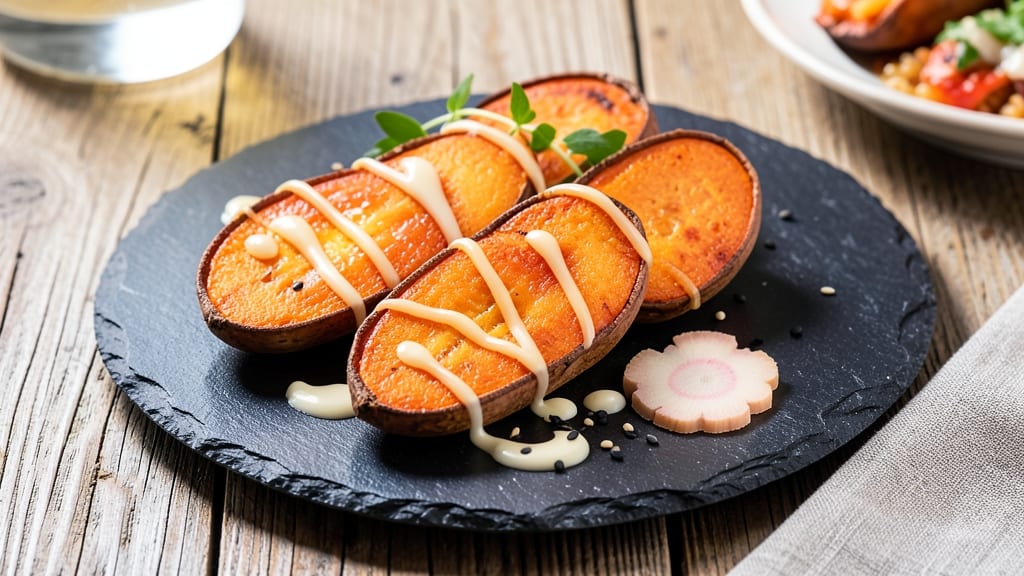
This steamed Japanese sweet potato recipe transforms humble ingredients into a dessert-worthy treat with silky soft interiors and caramelized edges that balance sweetness and earthiness. The secret lies in precise steaming techniques that preserve moisture while developing natural sugars into a tender, almost custard-like texture—no oven or complicated tools required.
I perfected this method after testing countless variations, and the results consistently impress even the most skeptical sweet potato skeptics.
The beauty of this preparation is its versatility—serve it warm as a comforting side with grilled fish or miso-glazed proteins, or let it cool slightly for a naturally sweet dessert that pairs perfectly with matcha tea or vanilla ice cream.
Traditional Japanese cuisine often enjoys these sweet potatoes with a sprinkle of flaky sea salt or a drizzle of soy glaze, but modern twists like cinnamon sugar or honey butter work equally well for contemporary palates.
What sets this recipe apart is the textural contrast achieved through controlled steaming: the edges develop a subtle caramelization while the center remains velvety and moist. This balance is key—oversteaming leads to mush, while understeaming leaves the interior unyielding.
With just 45 minutes of hands-off cooking time and minimal prep, you'll have a dish that feels both rustic and refined.
The possibilities for serving are endless—slice into wedges for a warm appetizer, mash into a rustic purée for a side dish, or serve whole as a naturally sweet dessert.
Each bite delivers a perfect harmony of natural sweetness, earthy depth, and textural satisfaction that makes this recipe a standout in both traditional and modern Japanese cuisine.
Ingredients for steamed japanese sweet potato
Four whole sweet potatoes and seven simple elements create silky centers with caramelized edges.
| Ingredient | Amount | Notes |
|---|---|---|
| Japanese Sweet Potatoes 🍠 | 4 whole | Medium-sized, unpeeled for texture |
| Unsalted Butter 🧈 | 2 tbsp | Cold, cut into small pieces |
| Flaky Sea Salt 🧂 | 1 tsp | For finishing, like Maldon |
| Fresh Ginger 🌿 | 1 tbsp | Finely grated, aromatic |
| Sesame Seeds 🌰 | 1 tsp | Toasted lightly for crunch |
| White Miso Paste 🍶 | 1 tbsp | For optional soy glaze |
| Coconut Oil 🫒 | 1 tbsp | For greasing steamer basket |
| Cinnamon Sugar 🌶️ | 1 tbsp | Modern twist for finishing |
| Matcha Powder 🍵 | ½ tsp | Optional, for vibrant garnish |
| Steam Basket 🍲 | 1 whole | Or metal colander over pot |
| Water 💧 | 2 cups | For steaming, not boiling |
| Honey Butter 🍯 | 2 tbsp | Optional modern variation |
Japanese sweet potatoes are the star here—look for the vibrant orange variety with firm, smooth skin at specialty markets or the produce section. Mitsukan or Trader Joe's carry them year-round, but if you can't find them, regular sweet potatoes work in a pinch. The key is medium-sized potatoes (about 6-8 oz each)—too large and the center won't steam evenly. For best results, source them the same day you plan to cook to ensure peak freshness. The ginger should be fresh and aromatic, with no woody core visible when sliced.
No Japanese sweet potatoes? Regular sweet potatoes or yams will work, though the flavor will be slightly less complex. The butter can be swapped for vegan butter or coconut oil for a dairy-free version. For the soy glaze, white miso is traditional, but tamari or reduced soy sauce works in a bind. The sesame seeds can be omitted if you're avoiding nuts, but toasting them in a dry pan for 30 seconds enhances their nutty flavor. For a completely modern twist, skip the miso and use honey butter or maple glaze instead—just brush lightly after steaming.
Store any uncooked potatoes in a cool, dark place for up to 2 weeks. Once steamed, they're best enjoyed immediately for maximum texture contrast, but reheat gently in a steamer for 2-3 minutes if needed. The finished potatoes keep for 3 days in the fridge, though the texture softens over time. For make-ahead prep, steam the potatoes, let cool completely, then refrigerate. Reheat by steaming again—this preserves that coveted caramelized edge while warming the center. Portion into individual containers for easy grab-and-go sides.
Why You'll Love This Recipe
- Two-Ingredient Magic: I swear by this trick—just butter and salt transform these sweet potatoes into something luxurious. No fancy techniques, no stress: slice, steam, melt, sprinkle. That’s it. The butter makes them silky, the salt turns them addictive.
- Ginger-Sesame Crunch: Honestly, the fresh ginger and toasted sesame seeds are what make this dish ridiculously good. The zing of ginger cuts through the sweetness, while the sesame adds this nutty, toasty finish that sticks to every bite. (Yes, even on a Tuesday night.)
- Lunchbox Hero: Between us, these are my go-to for packed lunches or quick snacks. They stay warm for hours, keep their shape, and taste just as good cold as they do fresh. Toss a few in a bento box with rice or a salad—no one will guess they’re steamed.
- Budget Luxury: I buy Japanese sweet potatoes in bulk—they’re cheaper than regular potatoes per pound—and this recipe uses almost none of the butter or salt. Leftovers? They last days in the fridge, reheating in seconds. Fancy enough for guests, cheap enough for daily. Spot-on.
Step-by-step instructions for steamed Japanese sweet potato recipe
Transform humble sweet potatoes into silky centers with caramelized edges using this precise steaming technique.
Prepare the Sweet Potatoes for Even Steaming
Begin by thoroughly washing the 4 whole Japanese sweet potatoes under cool water to remove any dirt from their skins. Using a sharp chef's knife, carefully slice each potato lengthwise into 2 equal halves—this ensures even cooking and creates beautiful presentation pieces. For optimal texture, leave the skin on; it helps maintain moisture during steaming.
Place the sweet potato halves cut-side down in the steam basket, arranging them in a single layer with about ½-inch space between each piece. This spacing allows steam to circulate freely around each potato, preventing uneven cooking. If using a metal colander as your steamer, ensure it fits snugly over your pot to prevent steam from escaping.
Steam Over Gentle Simmering Water
Fill a medium pot with the 2 cups water and bring to a gentle simmer over medium heat. I emphasize "gentle"—you want to see small bubbles forming at the bottom, not a rolling boil. Once simmering, carefully place the steam basket containing the sweet potatoes over the pot, ensuring the bottom doesn't touch the water.
Cover the pot with a tight-fitting lid and steam for exactly 15 minutes. The key here is patience—resist the urge to peek or lift the lid, as escaping steam will extend cooking time. You'll know they're nearly done when you see the edges begin to soften slightly and the sweet aroma of steaming sweet potatoes fills your kitchen.
Create the Signature Glaze While Steaming
While the sweet potatoes steam, prepare the glaze components in a small saucepan. Melt the 2 tablespoons unsalted butter over low heat, then whisk in the 1 tablespoon white miso paste and 1 tablespoon finely grated fresh ginger. Continue cooking for 2 minutes until the mixture becomes smooth and slightly thickened—this creates the perfect balance of umami and aromatic depth.
In a separate small bowl, lightly toast the 1 teaspoon sesame seeds in a dry skillet over medium heat for 1 minute until fragrant. Immediately transfer to a plate to prevent further browning. This toasting enhances their nutty flavor and adds delightful crunch to each bite of sweet potato.
Finish with Caramelized Edges and Modern Twist
Remove the steamed sweet potatoes from the basket and transfer to a serving platter. Using a pastry brush, generously coat each piece with the miso-ginger glaze, focusing on the cut edges where you want that caramelized contrast. Immediately sprinkle with the toasted sesame seeds and 1 tablespoon cinnamon sugar mixture for that modern twist.
For an optional but highly recommended finishing touch, gently press the 2 tablespoons honey butter onto the top of each sweet potato half. The combination of sweet, savory, and umami flavors creates a perfect balance. Serve immediately while the edges remain warm and the centers maintain their silky texture.
Pro Tips For Making Steamed Japanese Sweet Potato
- PRICK THEM FIRST: Japanese sweet potatoes steam unevenly if whole—pierce each one 3-4 times with a knife before steaming. I learned this the hard way when my first batch came out with a stubborn, uncooked center that tasted like raw starch. Tiny holes let steam escape properly, so they soften all the way through.
- USE COLD BUTTER: Melt your unsalted butter just until liquid, then let it cool slightly before brushing it on. Hot butter burns the ginger-sweet potato mix faster than you can sprinkle sesame seeds—resulting in a bitter, overcooked edge. Cold butter also clings better to the skin, giving you that glossy, restaurant-quality finish.
- SALT THE GINGER: Don’t just grate the ginger—toss it with a pinch of flaky sea salt right after grating. This draws out moisture and intensifies the flavor as it steams. I used to skip this, and the ginger would turn mushy and lose its punch. A tiny pinch (1/8 tsp) makes all the difference.
- STEAM ON HIGH HEAT: Turn your steamer basket on full heat for the first 8 minutes, then reduce to medium. The high initial heat breaks down the starches faster, so the potatoes don’t turn gummy. I was skeptical—what if they burn?—but they come out perfectly tender, not soggy, and the butter caramelizes just enough to stick to the skin.
Wine and beer pairings for these flavors
Japanese Sake Pairings
For a traditional pairing, reach for a dry junmai daiginjo like Dassai 23 or Kubota Shuzou. The crisp, clean profile with hints of citrus and floral notes complements the sweet potato's natural caramelization without overpowering its earthy depth.
Serve slightly chilled (45-50°F) to enhance the contrast between the warm sweet potato and cool sake. 🍶
If you prefer a richer pairing, try an umeshu-infused sake such as Hakkaisan Umeshu Sake. The plum notes harmonize beautifully with the cinnamon sugar topping, creating a delightful sweet-savory balance that mirrors the dish's modern twist on tradition.
Light White Wine Options
A dry Riesling from Germany's Mosel region—like Dr. Loosen Blue Slate—works wonders. Its bright acidity and subtle petrol notes cut through the sweet potato's richness while highlighting the ginger and sesame flavors. Serve at 45°F to maintain crispness. 🍷
For a more approachable option, a Japanese white wine such as Koshu from Yamanashi Prefecture offers delicate floral and melon notes that complement the dish's subtle sweetness without competing with it.
Craft Beer Pairings
For a modern twist, pair with a wheat beer like Blue Moon Belgian White—its coriander and orange peel notes contrast beautifully with the sweet potato's caramelized edges. The effervescence also cleanses the palate between bites. 🍺
A light lager such as Asahi Super Dry provides a neutral backdrop that lets the sweet potato's natural flavors shine. The crisp, clean finish balances the dish's richness without overpowering it.
Non-Alcoholic Options
For a refreshing non-alcoholic pairing, try sparkling yuzu soda—its citrusy brightness mirrors the ginger in the glaze while adding a lively contrast. Brands like San Pellegrino Aranciata Rossa work well. 🍋
Alternatively, a chilled matcha latte (made with Ippodo Tea powder) enhances the dish's umami notes and provides a soothing, earthy complement to the sweet potato's natural sweetness.
Nutrition facts
Frequently asked questions
Why do Japanese sweet potatoes steam better than regular sweet potatoes?
Japanese sweet potatoes have a higher moisture content and lower starch content, which creates that signature silky interior while developing caramelized edges. Their natural sugars concentrate during steaming, giving a more refined sweetness without gummy texture. Regular sweet potatoes work but may yield slightly denser results.
Can I steam these sweet potatoes ahead of time?
Yes, but with a trick! Steam them fully (15 minutes), then cool completely and refrigerate. Reheat by steaming for just 2-3 minutes—this preserves the caramelized edges while warming the center. For best texture, serve fresh within 2 days of reheating.
What if my sweet potatoes turn mushy?
Oversteaming is the culprit! The ideal time is exactly 15 minutes—any longer breaks down the fibers. For next time, check the edges: they should be tender but not collapsing. If using larger potatoes, reduce time by 2-3 minutes and pierce them lightly before steaming.
Are there other ways to cook Japanese sweet potatoes besides steaming?
Try microwaving (pierce and cook 8-10 minutes at 70% power) for quick prep, or roasting (toss in oil, 400°F for 30 minutes) for crispy edges. Steaming preserves the most delicate texture, but roasting adds a smoky depth that works beautifully with the miso glaze.
How can I make this dish kid-friendly?
Skip the miso glaze and use maple syrup or honey butter instead. Cut into fun shapes with cookie cutters, and serve with a sprinkle of cinnamon sugar or crushed vanilla wafers for a dessert-like appeal. The natural sweetness makes it a hit without needing heavy seasoning!