
Side Dishes
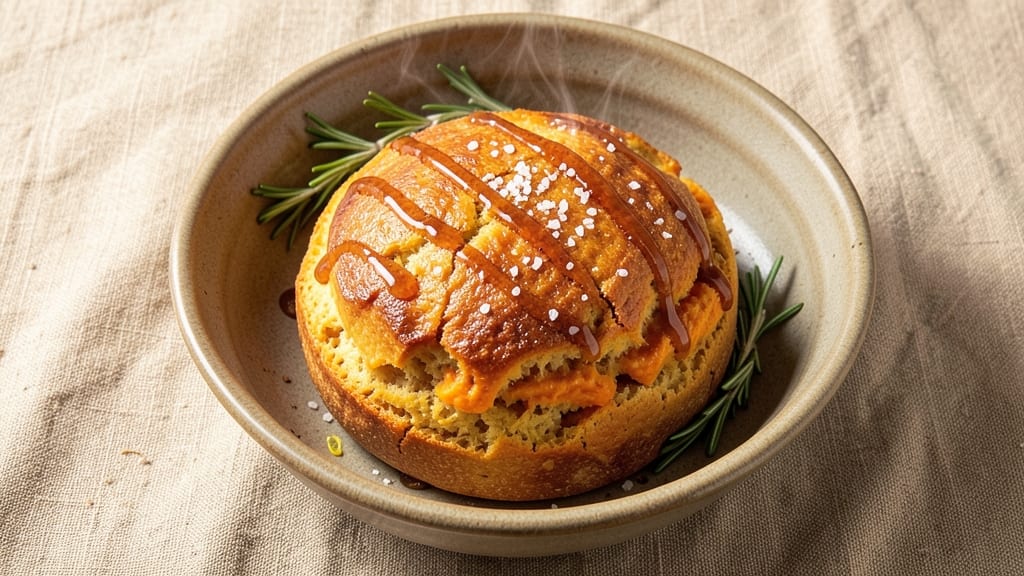
This sweet potato yeast bread recipe transforms humble ingredients into a moist, aromatic loaf with a tender crumb and warm spice notes that linger. The secret lies in balancing sweet potato puree with precise yeast activation—creating a loaf that’s both hearty and light, perfect for sandwiches or toast.
I’ve perfected this technique over years of baking, ensuring every slice delivers that signature sweetness without sacrificing structure.
The process begins with activating yeast in warm milk for a foolproof rise, then incorporating sweet potato puree to infuse natural sweetness and moisture. Kneading develops gluten for a soft texture, while proofing at room temperature ensures a light, airy crumb.
This isn’t just bread—it’s a restaurant-quality side that pairs beautifully with soups, stews, or even breakfast.
What sets this recipe apart is its versatility—add cinnamon and nuts for extra warmth, or keep it simple with just the puree and spices. The result is a loaf with a golden crust and a crumb so tender it practically melts in your mouth.
No more dry, dense bread here; this is the kind of loaf that disappears faster than you can say "second slice."
Ready in about 2 hours (including proofing), this recipe is ideal for meal prep or holiday gatherings. The sweet potato base keeps it naturally sweetened, while the yeast gives it that classic bread structure. Let’s bake this loaf together—your kitchen will smell like comfort food in minutes.
Ingredients for sweet potato bread recipe yeast
Transform humble pantry staples into a restaurant-worthy loaf with this yeast bread's perfect balance of sweetness and spice.
| Ingredient | Amount | Notes |
|---|---|---|
| Sweet Potato Puree 🍠 | 1 cup | Homemade or canned, unsweetened |
| All-Purpose Flour 🌾 | 3 ½ cups | Unbleached, for optimal texture |
| Active Dry Yeast 🍞 | 2 ¼ tsp | Freshly measured, room temperature |
| Warm Whole Milk 🥛 | 1 cup | 110°F for yeast activation |
| Granulated Sugar 🍚 | ¼ cup | For yeast feeding |
| Large Egg 🥚 | 1 whole | Room temperature |
| Unsalted Butter 🧈 | ½ cup | Softened, full-fat preferred |
| Ground Cinnamon 🌿 | 1 tsp | Freshly ground for warmth |
| Ground Nutmeg 🌿 | ½ tsp | Finely ground, aromatic |
| Diamond Crystal Kosher Salt 🧂 | 1 ½ tsp | Adjust to taste |
| Extra-Virgin Olive Oil 🫒 | 1 tbsp | For dough handling |
| Coarse Sugar 🍚 | 2 tbsp | For crust enhancement |
| Toasted Pecans (optional) 🥜 | ¼ cup | Chopped, for topping |
The sweet potato puree is non-negotiable for that signature moisture and sweetness. Kingston or Jewel varieties yield the best texture—avoid orange-fleshed varieties that can taste bitter. For convenience, canned unsweetened puree works, but homemade (steamed and blended) delivers superior flavor. The yeast must be freshly measured and room temperature for proper activation; never use expired yeast or the loaf will fail to rise. Whole milk provides richness and helps activate the yeast more effectively than water alone—never use cold milk straight from the fridge. For the flour, King Arthur or Bob's Red Mill brands are ideal, as they contain higher gluten content for a lighter crumb.
No sweet potato puree? Pumpkin puree at a 1:1 ratio works in a pinch, though the flavor profile shifts slightly. Substituting whole wheat flour for up to 25% of the all-purpose version adds heartiness but may yield a denser crumb. The butter must be full-fat and softened—never melted or salted, as both compromise texture and flavor. For the spices, McCormick's ground cinnamon and Penzeys nutmeg provide consistent quality, but freshly grated nutmeg from a whole pod elevates the dish significantly. The coarse sugar topping caramelizes beautifully during baking, creating that coveted golden crust—Domino or C&H brands are reliable choices for consistent results.
Store the dough in an airtight container at room temperature for up to 12 hours before shaping and baking, or refrigerate for 24 hours to enhance flavor development. The baked loaf keeps well at room temperature for 3 days wrapped in a clean kitchen towel, or 1 week when frozen in a sealed plastic bag. For serving, lightly toast slices to revive freshness—this bread reheats beautifully in a 350°F oven for 5-7 minutes. Portion into individual slices for easy grab-and-go meals, or freeze whole loaves for holiday gatherings.
Why You'll Love This Recipe
- No Puree Hassle: I just blend a sweet potato in the microwave—no peeling, no boiling, no mess. The warm milk and yeast do all the work while I sip my coffee.
- Sweet Potato Magic: That first bite? Like a cinnamon roll met a soft, moist loaf. The puree keeps it tender, and the sugar caramelizes just enough to make it irresistible.
- Breakfast to Snack: Toss it in a lunchbox for kids, serve it with butter at brunch, or slice it for toast. Honestly, I’ve eaten it cold at midnight—no judgment.
- Budget-Friendly Staple: Uses pantry basics (flour, sugar) and stretches for days. My freezer’s always stocked with slices—I just reheat and enjoy. Zero waste, all flavor.
Step-by-step instructions for sweet potato yeast bread
This method delivers a perfectly moist crumb and aromatic crust every time—critical for sweet potato bread.
Activate the Yeast and Mix the Dough Base
In a small bowl, combine the 1 cup warm whole milk (it should feel warm to the touch, around 110°F) with 2.25 teaspoons active dry yeast and 0.25 cup granulated sugar. Let this sit for 5-7 minutes until it becomes frothy and bubbles form on the surface. This confirms the yeast is alive and ready to work.
In a large mixing bowl, whisk together the 3.5 cups all-purpose flour, 1.5 teaspoons diamond crystal kosher salt, 1 teaspoon ground cinnamon, and 0.5 teaspoon ground nutmeg. Create a well in the center and pour in the yeast mixture, 1 cup sweet potato puree, 1 whole large egg, and 0.5 cup softened unsalted butter. Mix with a wooden spoon until a shaggy dough forms.
Knead the Dough Until Elastic
Turn the dough onto a lightly floured surface and knead for 8-10 minutes by hand, or use a stand mixer with a dough hook attachment on medium speed for 5-6 minutes. The dough should become smooth, elastic, and slightly tacky—this ensures proper gluten development for a light crumb.
If the dough feels too sticky, add 1 tablespoon flour at a time until it comes together without sticking to your hands. Once it passes the "windowpane test" (stretch a small piece—it should be thin enough to see light through without tearing), you're ready for the next step.
First Rise and Shaping
Lightly oil a large bowl with 1 tablespoon extra-virgin olive oil, place the dough inside, and cover with a damp kitchen towel. Let it rise in a warm place (like a turned-off oven with a bowl of hot water inside) for 1-1.5 hours, or until it has roughly doubled in size. The dough should feel springy when pressed gently with a finger.
Once risen, punch down the dough to release air, then shape it into a 9x5-inch loaf pan by pressing it gently into the corners. Brush the top with a little more olive oil and sprinkle with 2 tablespoons coarse sugar for a caramelized crust. If using, press 0.25 cup toasted pecans lightly into the top.
Second Rise and Baking
Cover the loaf pan with a towel and let it rise again for 30-45 minutes until it puffs slightly above the pan's rim. Preheat your oven to 375°F while the bread rises—this ensures even baking and a crisp crust.
Bake the bread for 30-35 minutes, until the top is deep golden brown and an instant-read thermometer inserted into the center reads 190-195°F. The bread should sound hollow when tapped on the bottom. If the top browns too quickly, tent loosely with foil to prevent over-browning.
Cool and Serve
Remove the bread from the oven and transfer it to a wire rack to cool for 15-20 minutes. This resting period allows the moisture to redistribute, preventing a gummy crumb. The bread should be warm to the touch but not steaming hot when served.
Slice with a serrated knife for clean cuts, and serve while still slightly warm for the best texture. The interior should be tender and moist, with a subtle sweetness from the sweet potato puree, while the crust remains fragrant with cinnamon and nutmeg notes.
Pro Tips For Making Sweet Potato Bread Recipe Yeast
- STRAIN THE PUREE: Skip the watery mess—squeeze your sweet potato puree through a fine-mesh sieve or cheesecloth. I learned this the hard way after mixing in gunky bits that made my dough clump like glue. A smooth puree blends better and gives you a lighter texture.
- TEST THE YEAST FIRST: Sprinkle that yeast in warm milk with a pinch of sugar, then wait 5–10 minutes for bubbles. If nothing happens, your yeast is dead—no amount of kneading will fix it. Trust me, I’ve wasted dough over this. Toss in fresh yeast or use instant yeast instead.
- KNEAD JUST ENOUGH: Overworked dough gets tough, and this sweet potato bread isn’t a baguette. Stop when the dough pulls cleanly away from the bowl (about 8–10 minutes by hand). It should be soft but not sticky—add a splash more flour only if it’s a disaster.
- LET IT RISE TWICE: The first rise is obvious, but the second one after shaping? That’s where the magic happens. Give it 30–45 minutes until puffy again—this builds flavor and structure. I used to skip it, and my bread turned out dense and sad. (Yes, even if you’re impatient like me.)
Wine and beer pairings for this sweet potato bread recipe yeast
Sweet White Wine
An off-dry Riesling from Germany or Washington State is my go-to pairing—its crisp acidity and subtle honeyed notes complement the bread’s warm spices without overpowering the sweet potato’s natural sweetness. Look for a 2022 Dr. Loosen Blue Slate or Chateau Ste.
Michelle Riesling, both of which have enough body to stand up to the bread’s moist crumb. The slight sweetness in these wines mirrors the bread’s caramelized crust, creating a harmonious balance. 🍷
Spiced Red Wine
For those who prefer red, a Zinfandel with dark fruit and spice notes works beautifully. I recommend a 2021 Dry Creek Vineyard or Bogle Vineyards Old Vine Zinfandel—their blackberry and vanilla flavors echo the bread’s cinnamon and nutmeg.
The wine’s moderate tannins won’t clash with the bread’s soft texture, making it a surprisingly versatile match. Serve slightly chilled to let the wine’s brightness shine.
Craft Beer Pairings
A honey brown ale or amber ale bridges the gap between the bread’s sweetness and its spiced complexity. Try Allagash Honey Brown Ale or New Belgium Fat Tire Amber Ale—both have malty sweetness and caramel notes that enhance the sweet potato’s richness.
The beer’s effervescence also cuts through the bread’s moist interior, cleansing your palate between bites. 🍺
Coffee and Tea
For a non-alcoholic option, a spiced chai latte or dark roast coffee with a hint of cinnamon amplifies the bread’s flavors. I love a Starbucks Cinnamon Dolce Latte or a Peet’s Major Dickason’s Blend—both have enough warmth to stand alongside the bread’s spices.
The coffee’s bitterness balances the sweetness, while the chai’s cardamom and clove notes create a cozy, aromatic experience.
Seasonal Adaptations
In colder months, a mulled wine with orange and clove complements the bread’s cinnamon perfectly. For summer, a sparkling rosé like Whispering Angel adds a refreshing contrast.
The key is matching the wine’s or beverage’s sweetness and spice levels to the bread’s profile—never let one overpower the other. The goal is harmony, not competition.
Nutrition facts
Frequently asked questions
Why does my sweet potato bread turn out dense instead of light?
Dense bread usually means one of three things: under-kneaded dough (gluten needs 8-10 minutes of work), overproofed yeast (don't let it rise past 1.5 hours total), or too much sweet potato puree. Try reducing the puree to 0.75 cup and kneading longer. The yeast needs time to develop proper structure—don't rush the rises!
Can I substitute pumpkin puree for sweet potato?
Yes! Use a 1:1 ratio of pumpkin puree, but expect a slightly different flavor profile—pumpkin adds more earthiness while sweet potato brings natural sweetness. For best results, add an extra 0.25 teaspoon cinnamon to compensate. The texture will be similar, just with a different spice character. →
How do I know when the yeast is properly activated?
The yeast is ready when your mixture becomes frothy with visible bubbles within 5-7 minutes. If nothing happens after 10 minutes, your yeast may be dead—replace it and check your milk temperature (should be 110°F, not hot!). A properly activated yeast will smell slightly sweet and bubbly, like a mini science experiment!
Can I make this bread without a stand mixer?
Just knead by hand on a lightly floured surface for 8-10 minutes. Work the dough vigorously until it's smooth and elastic. The extra effort develops gluten just as well as a mixer—think of it as a great upper-body workout for your arms! For best results, use a dough scraper to help turn and fold the dough.
What's the best way to store leftovers?
Wrap cooled slices in a clean kitchen towel and store in an airtight container at room temperature for 3 days. For longer storage, freeze individual slices in a sealed bag for up to 3 months. To revive, toast in a 350°F oven for 5-7 minutes—the heat restores that fresh-baked texture. Never refrigerate unless you like stale bread!