
Side Dishes
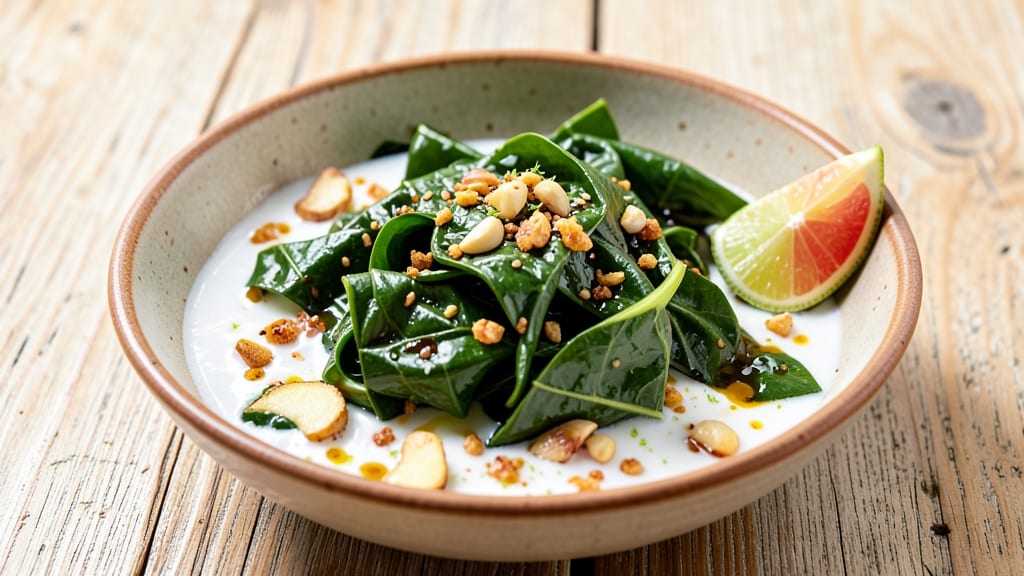
A sweet potato leaves recipe with coconut milk transforms humble greens into a luxurious, fragrant side dish that balances earthy depth with tropical richness. 🌿 The secret lies in coconut milk—its creamy texture and subtle sweetness mellow the greens' natural bitterness while adding layers of aroma that transport you to a sunlit kitchen in Bali or Jamaica.
This isn't just a side; it's a flavor experience that elevates any meal, whether paired with rice, grilled fish, or tofu.
The magic happens in the cooking process: wilted leaves simmer gently in coconut milk until tender yet still vibrant, absorbing its velvety richness while retaining their vibrant green hue. A touch of garlic, ginger, and lime brightens the dish, cutting through the coconut's sweetness with zesty contrast.
The result is a dish that's both comforting and sophisticated—creamy yet light, with a texture that's neither mushy nor fibrous.
What makes this recipe truly special is its versatility. Serve it as a standalone vegetarian main with a sprinkle of chili flakes and toasted coconut, or let it play supporting roles alongside grilled meats, curries, or even as a vibrant topping for noodle bowls.
The coconut milk's natural richness makes it forgiving for beginners while offering depth for experienced cooks looking to elevate their plant-based repertoire.
Ready in under 30 minutes with just 10 minutes of active prep, this dish delivers restaurant-quality results without the fuss. The key is patience—letting the flavors meld slowly on the stove transforms simple ingredients into something extraordinary. Here's how to make it shine.
Ingredients for sweet potato leaves recipe coconut milk
Creamy coconut milk meets earthy sweet potato leaves for a dish that feels like a tropical hug.
| Ingredient | Amount | Notes |
|---|---|---|
| Sweet Potato Leaves (Callaloo) 🌿 | 4 cups | Chopped, stems removed |
| Coconut Milk 🥥 | 1 ½ cups | Full-fat, canned preferred |
| Garlic Cloves 🧄 | 3 cloves | Minced, fresh preferred |
| Fresh Ginger 🌿 | 1 tbsp | Grated, peeled root |
| Lime Juice 🍋 | 2 tbsp | Freshly squeezed |
| Vegetable Oil 🫒 | 1 tbsp | Neutral flavor preferred |
| Sea Salt 🧂 | 1 tsp | Kosher or fine grain |
| Ground Black Pepper 🌶️ | ½ tsp | Freshly ground preferred |
| Red Chili Flakes 🔥 | ½ tsp | Adjust for heat preference |
| Toasted Coconut Flakes 🥥 | 2 tbsp | For garnish, optional |
| Fresh Cilantro 🌿 | ¼ cup | Chopped, for garnish |
| Onion 🧅 | ½ whole | Yellow or white, diced |
Sweet potato leaves are the star—look for vibrant green leaves at Latin markets or well-stocked grocery stores like Whole Foods. The fresher, the better, but even slightly wilted leaves work if you give them a quick soak in cold water first. For coconut milk, full-fat canned versions (like Thai Kitchen or Goya) give the richest texture. If you can't find sweet potato leaves, collard greens or spinach work in a pinch, though the flavor will differ slightly. The onion and garlic are your aromatic base—freshly minced makes all the difference here.
No coconut milk? Substitute with cashew cream (blend soaked cashews with water) or even a mix of Greek yogurt and a splash of milk for creaminess. Running low on lime? Lemon juice works too, though it's slightly less sweet. Want to make this spicier? Add 1/4 tsp cayenne or a chopped fresh chili. The toasted coconut flakes are optional but add that extra tropical touch—toast them in a dry pan until golden for best flavor. If you're short on time, skip the soaking step for the greens, but they'll be slightly tougher.
This dish tastes even better the next day—flavors meld beautifully when refrigerated. Store in an airtight container for up to 3 days, or freeze portions for 3 months. For quick prep, chop all your greens and store them in a sealed bag in the fridge until ready to cook. The coconut milk can be opened and stored for 1 week in the fridge once opened, but it's best used fresh for maximum creaminess. Garnish with cilantro and toasted coconut right before serving to keep everything vibrant.
Why You'll Love This Recipe
- One-Pot Magic: I swear by this recipe when I’m too tired to scrub pots—just chop the callaloo, sauté the garlic and ginger until it smells like a Caribbean breeze, then let the coconut milk do its creamy work. The leaves wilt down in minutes, and you’re left with a rich, velvety stew that tastes like a hug.
- Ginger-Garlic Kiss: That first bite? Pure flavor payoff. The fresh ginger and garlic caramelize just enough to add a subtle heat, while the coconut milk smooths it out into something dangerously addictive. A squeeze of lime at the end cuts through the richness—trust me, it’s the perfect balance.
- Leftover Goldmine: This dish actually improves the next day. The flavors meld even deeper, and it reheats like a dream (just add a splash of water if it’s too thick). I portion it into containers on Sundays so I can grab it for lunches—my coworkers keep asking for the recipe.
- Budget-Friendly Luxury: Callaloo is cheap, coconut milk stretches it into a meal, and a few cloves of garlic make it taste like a restaurant dish. I’ll be real: I first made this during a tight month, and now it’s my go-to when I want something hearty without breaking the bank. Plus, it feeds four for under $10.
Step-by-step instructions for sweet potato leaves with coconut milk
Here's how to transform earthy callaloo into a rich, tropical dish with perfect balance.
🍳 Step 1: Sauté Aromatics Until Fragrant
Heat the 1 tablespoon vegetable oil in a large skillet over medium heat. Add the 0.5 whole onion (diced) and cook for 3-4 minutes until softened and translucent. This is your flavor foundation.
Add the 3 cloves garlic (minced) and 1 tablespoon fresh ginger (grated), cooking for another 1-2 minutes until the garlic turns golden and the ginger loses its raw edge. You'll smell that aromatic punch—this is where the magic begins. Keep the heat at medium to prevent burning.
👨🍳 Step 2: Wilt the Sweet Potato Leaves
Push the aromatics to one side of the pan and add the 4 cups sweet potato leaves (callaloo), spreading them evenly. Cook for 2-3 minutes until they begin to wilt and turn vibrant green. Stir occasionally to prevent sticking.
Once the leaves are wilted, combine them with the aromatics and cook for another 3-4 minutes until just tender but still retaining their texture. The leaves should be bright green with no tough stems remaining. This is crucial—they should collapse but not turn mushy.
🥘 Step 3: Add Coconut Milk and Seasonings
Pour in the 1.5 cups coconut milk and stir well to coat the leaves completely. Add the 1 teaspoon sea salt, 0.5 teaspoon ground black pepper, and 0.5 teaspoon red chili flakes, stirring to distribute evenly. The mixture will bubble gently as it heats through.
Simmer for 5-7 minutes until the coconut milk slightly thickens and the flavors meld together. You'll notice the leaves become more tender while absorbing the rich coconut flavor. Taste and adjust seasoning—this is where you can add more chili flakes if you prefer extra heat.
🍽️ Step 4: Finish with Lime and Garnish
Remove the pan from heat and stir in the 2 tablespoons lime juice. This brightens the dish and cuts through the richness of the coconut milk. The lime will make the colors pop and add that essential tropical tang.
Garnish with the 2 tablespoons toasted coconut flakes and 0.25 cup fresh cilantro (chopped). These add texture and visual appeal. Serve immediately while the coconut milk is still warm and creamy—this dish tastes best fresh from the pan.
Pro Tips For Making Sweet Potato Leaves Recipe Coconut Milk
- Blanch First, Sear After: Dump raw callaloo into boiling salted water for 30 seconds—this softens the tough stems and makes them collapse faster during cooking. After draining, hit the pot with a little oil and sear the leaves at medium-high for 2 minutes; they’ll crisp slightly and release their flavor into the coconut milk instead of turning to mush.
- Grate Ginger Like You Mean It: Skip the microplane for this dish—use the side of a knife to shave ginger into matchsticks, then chop them finely. Freshly grated ginger burns easily, and you want it to bloom slowly in the coconut milk. (I learned this the hard way after my pot smelled like gym socks.)
- Don’t Rush the Coconut Milk: Simmer the coconut milk on low heat for at least 10 minutes before adding the callaloo. This lets the fat separate slightly and thickens the sauce naturally—no need for cornstarch. (Yes, even if you’re impatient like me.)
- Save the Lime Juice for Last: Add lime juice only after the dish is off heat, or it’ll curdle the coconut milk. Plus, the acid brightens the flavors without cutting through the richness. (Your future self will thank you when the sauce doesn’t split.)
Common mistakes when making this recipe
Overcooking Leaves
Sweet potato leaves turn mushy when overcooked—this is my biggest pet peeve! The key is to remove them from heat the moment they're tender but still vibrant green. I've learned the hard way that 5-7 minutes of simmering in coconut milk is perfect.
If you're unsure, test a leaf by squeezing it gently—it should yield slightly but not fall apart. Overcooking also makes the coconut milk separate, leaving you with a watery, unappetizing mess. 🌿
Using Low-Quality Coconut Milk
Not all coconut milk is created equal, and this makes a huge difference in texture. I always use full-fat canned coconut milk like Thai Kitchen or Goya—the creamier, the better. Light coconut milk or cartons with thickeners will make your dish watery and less flavorful.
If you're using a lighter version, reduce it by ¼ cup to compensate. Pro tip: Shake the can before opening to redistribute the cream at the top—this ensures a velvety sauce every time.
Skipping the Aromatics
Garlic and ginger are non-negotiable—they build the flavor foundation! I've tried making this dish without them, and it tastes flat and one-dimensional. Sauté them until fragrant (1-2 minutes) to develop their natural sweetness.
If you rush this step, you'll miss out on that aromatic depth that makes the dish sing. The same goes for the onion—don't skip it, even if you're in a hurry. The caramelization adds layers of flavor that balance the coconut's sweetness. 🧄
Adding Lime Too Early
Adding lime juice before the coconut milk has simmered properly will make it curdle and separate. Always wait until the very end to stir in the 2 tablespoons lime juice. This brightens the dish without turning it into a sad, broken sauce.
If you add it too soon, the acid will break down the coconut milk's fats, leaving you with a thin, unappetizing consistency. Patience here is key—trust me, the wait is worth it for that perfect tangy finish. 🍋
Ignoring the Resting Time
Letting the dish rest for 2-3 minutes after cooking allows the flavors to meld and the coconut milk to thicken slightly. Skipping this step means serving something that's still raw in flavor. I know it's tempting to rush, but this is where the magic happens.
The leaves absorb more coconut flavor, and the sauce becomes richer. If you're short on time, at least let it sit off the heat for 1 minute—it makes a noticeable difference. 💫
Using Wilted or Old Leaves
Fresh, vibrant green leaves are non-negotiable for the best texture and flavor. If your sweet potato leaves are already wilted, soak them in cold water for 10 minutes to revive them before cooking. I've used slightly wilted leaves in a pinch, but they never taste as good as fresh ones.
Look for leaves that are firm and bright—avoid any that are yellowing or slimy. If you can't find sweet potato leaves, collard greens are the closest substitute, though they have a slightly different texture. 🥗
Nutrition facts
Frequently asked questions
Can I substitute sweet potato leaves with other greens?
Yes, but the flavor will differ slightly. Collard greens or spinach work best as substitutes, though they're milder. For a closer match, try callaloo (another name for sweet potato leaves) or dandelion greens. Avoid iceberg lettuce—it lacks the earthy depth this dish needs. If using spinach, reduce cooking time by 2-3 minutes since it wilts faster.
How do I store leftovers to keep them creamy?
Store in an airtight container with a layer of plastic wrap pressed directly on the surface to prevent the coconut milk from separating. Reheat gently on low heat with a splash of water or coconut milk to restore creaminess. Leftovers keep well for 3 days in the fridge or 3 months frozen. For best texture, reheat only until warm, not boiling.
Can I make this dish without coconut milk?
For a lighter version, use cashew cream (blend ½ cup soaked cashews with ½ cup water) or a mix of Greek yogurt and milk. For extra richness, try coconut yogurt. The dish will still be flavorful but with a different texture—more tangy and less creamy. Adjust seasoning to balance the new base.
What's the best way to serve this dish?
This tropical side pairs perfectly with steamed jasmine rice, grilled fish, or tofu for a complete meal. For extra flair, serve with warm naan or crusty bread to soak up the coconut sauce. It also works as a vibrant topping for noodle bowls or as a standalone vegetarian main with a sprinkle of chili flakes and lime wedges.
Why did my coconut milk turn watery?
This usually happens from overcooking or using light coconut milk. Always use full-fat canned coconut milk and simmer gently for only 5-7 minutes. If it separates, stir in 1 tablespoon cornstarch mixed with 1 tablespoon water and heat until thickened. For future batches, shake the can well before opening to redistribute the cream at the top.