
Side Dishes
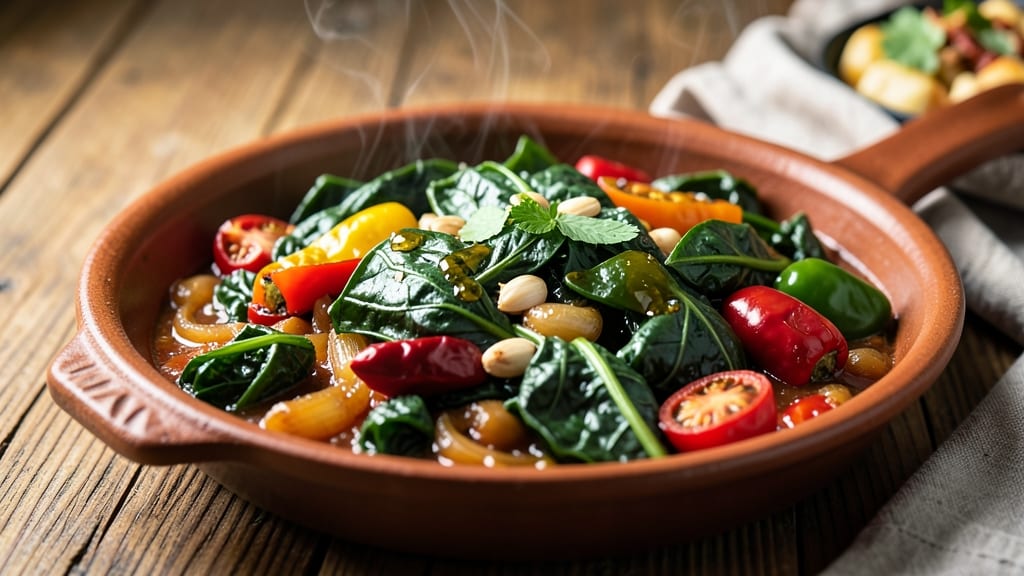
This West African-inspired African potato leaves recipe transforms humble greens into a vibrant, flavorful side dish that pairs perfectly with grilled meats or rice. 🌿 The secret lies in slow-cooking the leaves with aromatic garlic, peppers, and tomatoes until they develop a rich, earthy depth that’s both comforting and bold.
I first discovered this technique while exploring Nigerian home cooking, where greens like this are often simmered until tender yet still vibrant—never mushy. What sets this recipe apart is the balance of textures and flavors: crisp-tender leaves with a sauce that’s slightly sweet from tomatoes and tangy from peppers.
The garlic and onions form the flavor base, while a pinch of chili adds just enough heat to keep things interesting. Unlike many greens recipes, this one builds flavor as it cooks, making it ideal for meal prep or serving alongside hearty dishes like jollof rice or fried plantains.
By the time you’re done, you’ll have a dish that’s restaurant-quality at home—packed with nutrients, bold in flavor, and ready to elevate any meal. The leaves soften just enough to absorb the sauce while retaining their natural color, creating a visual and culinary masterpiece.
This recipe is a celebration of West African cuisine, where greens aren’t just a side but a star. Serve warm with your favorite protein or as a standalone dish for a taste of home.
The process is simple, but the result is anything but ordinary—proof that even the most common ingredients can become extraordinary with the right technique.
Ingredients for african potato leaves
Fresh greens, aromatic peppers, and bold spices create this vibrant West African-inspired side dish.
| Ingredient | Amount | Notes |
|---|---|---|
| African Potato Leaves (Spinach or Collard Greens as substitute) 🌿 | 12 oz | Fresh, stems removed |
| Yellow Onions 🧅 | 1 whole | Medium size, diced |
| Garlic Cloves 🧄 | 4 cloves | Fresh, minced |
| Bell Peppers 🌶️ | 1 whole | Red or green, diced |
| Tomatoes 🍅 | 2 medium | Ripe, diced (or substitute 1 cup canned diced tomatoes) |
| Scotch Bonnet Peppers 🌶️ | 1 whole | Fresh, seeded, finely chopped (adjust for heat) |
| Vegetable Oil 🫒 | 2 tbsp | For sautéing |
| Salt 🧂 | 1 tsp | Kosher or sea salt |
| Ground Black Pepper 🌶️ | ½ tsp | Freshly ground |
| Ground White Pepper 🌶️ | ¼ tsp | For earthy depth |
| Dried Thyme 🌿 | ½ tsp | Or 1 tsp fresh thyme leaves |
| Water 💧 | ½ cup | For simmering |
| Lemon Juice 🍋 | 1 tbsp | Freshly squeezed |
The African potato leaves are the star here, but spinach or collard greens work perfectly as substitutes. Look for vibrant, fresh leaves at your local African market or specialty grocery store—they often carry the real deal. If you can't find them, collards or even Swiss chard will give you that same tender yet crisp texture. The Scotch bonnet peppers are key for that signature West African heat, but reduce the amount or swap for habanero if you prefer milder flavor. For the tomatoes, San Marzano canned tomatoes add sweetness without watering down the dish.
No African potato leaves? Baby spinach or chopped collards are your best bet—they wilt quickly but still absorb the sauce beautifully. The bell peppers can be swapped for jalapeños or serranos if you want more heat. Fresh thyme is ideal, but dried works at half the amount. If you're short on time, pre-minced garlic from a jar saves steps (though fresh is always better). The vegetable oil should be something with a high smoke point—avocado or peanut oil work great for sautéing. For extra richness, add a tablespoon of tomato paste to the onions while they cook.
This dish tastes even better the next day as the flavors meld. Store in an airtight container in the fridge for up to 3 days. To reheat, add a splash of water and simmer gently until warmed through. The sauce thickens as it cools, so a little extra water or broth may be needed. Freezes beautifully for up to 3 months—portion into containers for easy meal prep. Garnish with fresh lemon juice and chopped peppers just before serving to keep everything vibrant.
Why You'll Love This Recipe
- No-Chop Night Saved: I swear by this when I’m too tired to dice anything—just roughly tear those African potato leaves (or collards) and toss them in raw. The onions and garlic soften fast, and the peppers caramelize right in the same pot. Between us, this is my "I forgot to grocery shop" lifesaver.
- Tomato-Garlic Magic: That moment when the tomatoes break down into a glossy sauce, clinging to the leaves like a hug? The garlic hits just right—sharp but not overpowering—while the onions add this deep, sweet backbone. Honestly, it’s the kind of flavor that makes you pause mid-bite.
- Leftover Reinvention: This stuff begs to be repurposed. Cold in wraps the next day? Yes. Stir-fried with eggs for breakfast? Absolutely. Even reheated, it’s still tender and packed with that bright tomato-garlic punch. My daughter’s favorite is on toast with a fried egg—don’t judge.
- Pantry Stretch: I buy African potato leaves in bulk because they’re cheaper than spinach and last longer. Add a bell pepper and a can of tomatoes, and boom—you’ve got a full meal for under $5. (Yes, even on a Tuesday night.) The greens wilt down, so you’re feeding more people for less.
Step-by-step instructions for African potato leaves
Transform these vibrant greens into a flavorful West African dish with bold aromatics and perfect texture.
🍳 Step 1: Sauté the Aromatic Base
Heat the 2 tbsp vegetable oil in a large skillet over medium heat. Add the diced yellow onions and cook for 4-5 minutes until they soften and begin to turn translucent. Here's the thing—don't rush this step. You want those onions to become sweet and golden, not brown.
Add the minced garlic cloves and continue cooking for another 1-2 minutes until the garlic becomes fragrant. This is when your kitchen should smell like a West African market. Immediately add the diced bell peppers and finely chopped Scotch bonnet peppers (wear gloves if you're sensitive to heat). Stir everything together for 3-4 minutes until the peppers soften slightly but still retain their color.
👨🍳 Step 2: Build the Flavor Foundation
Lower the heat to medium-low and add the diced tomatoes. Cook for 5-6 minutes until the tomatoes break down and release their juices. You'll see the mixture become saucy and aromatic. This is where the magic happens—those tomato juices carry all the flavors we've built so far.
Sprinkle in the 1 tsp salt, 0.5 tsp ground black pepper, 0.25 tsp ground white pepper, and 0.5 tsp dried thyme. Stir well to combine and let the spices toast for 1 minute. The white pepper adds an earthy depth that's characteristic of West African cooking—don't skip it. The mixture should smell rich and complex, with layers of garlic, peppers, and thyme.
🥘 Step 3: Prepare and Cook the Greens
While your aromatic base cooks, wash the 12 oz African potato leaves thoroughly and remove any tough stems. If using spinach or collard greens as a substitute, chop them into bite-sized pieces. Add the greens to the skillet and stir gently to coat them with the aromatic mixture. Cook for 2-3 minutes until they begin to wilt slightly.
Carefully pour in the 0.5 cup water and stir everything together. The greens will continue to cook in their own steam, absorbing all those beautiful flavors. Cover the skillet and let it simmer gently for 10-12 minutes, stirring occasionally. You're looking for the greens to become tender but still vibrant—don't let them turn mushy. The water should mostly evaporate by the end of this time.
🍽️ Step 4: Finish and Serve
Remove the skillet from heat and stir in the 1 tbsp lemon juice. This brightens the dish and cuts through the richness of the peppers. Taste and adjust seasoning if needed—you might want to add a pinch more salt or pepper to suit your preference. The final dish should have a perfect balance of heat, acidity, and earthy flavors.
Serve immediately while still hot, preferably with a side of jollof rice or some steamed plantains. The greens should be tender but still hold their shape, with a vibrant green color that indicates they're perfectly cooked. Each bite should deliver layers of garlic, peppers, and thyme with a bright lemon finish that makes this dish truly special.
Pro Tips For Making African Potato Leaves
- Wilt Greens in Batches: African potato leaves (or collards/spinach) pile up fast—don’t dump them all in at once. Cook in 2-3 portions over medium heat so they soften evenly without turning to mush. I learned this the hard way when my first batch turned into a sad, watery sludge.
- Sweat Onions Low and Slow: Chop onions finely and cook them on the lowest heat setting until translucent—no browning yet. High heat burns them before the garlic even hits the pan, and you’ll taste that bitter edge in every bite. (Yes, even if you’re impatient like me.)
- Crush Garlic with a Pinch of Salt: Mince those cloves, then sprinkle a tiny pinch of salt before adding them to the pot. It prevents garlic from sticking and burns more slowly, so you get that nutty aroma instead of bitter, overcooked bits. My grandmother swore by this, and she was right.
- Roast Peppers First: Skip chopping raw bell peppers—roast them whole over an open flame (or under a broiler) for 8-10 minutes until charred. Peel, slice, and toss them in; the smoky depth cuts through the greens’ earthiness and saves you from biting into raw, tough chunks. (Your future self will thank you.)
Regional styles of these flavors
Nigerian "Efo Riro"
In Nigeria, this dish is known as Efo Riro, a beloved stew made with African potato leaves (often called ewedu or ugwu leaves). The key difference is the addition of pounded yam or plantains as a thickener, creating a hearty, saucy consistency.
I love making this version with 1 cup blended plantains instead of water, which adds natural sweetness and a creamy texture. The dish is typically served with garri (cassava flakes) or swallow (a doughy side). 🌿
Ghanaian "Leafy Vegetable Stew"
Ghanaian cooks often prepare a similar dish called leafy vegetable stew, where African potato leaves are simmered with palm oil (about 2 tbsp) for a rich, golden hue. The stew is seasoned with ginger, nutmeg, and bay leaves, giving it a distinct warm, slightly spiced flavor.
For an authentic touch, finish with 1 tbsp palm fruit juice (or substitute with 1 tsp soy sauce). Serve with fufu or rice for a complete meal.
Ethiopian "Gomen"
In Ethiopia, a dish called Gomen features African potato leaves (or spinach) cooked with berbere spice (about 1 tsp), which adds a smoky, slightly spicy kick.
The leaves are typically simmered with onions, garlic, and ginger in a tomato-free sauce, then finished with 1 tbsp niter kibbeh (spiced butter). This version is lighter and more aromatic, perfect for pairing with injera (Ethiopian flatbread).
The berbere spice is available at specialty stores like African & Caribbean Foods Market.
Kenyan "Sukuma Wiki"
While Sukuma Wiki traditionally uses collard greens or kale, Kenyan cooks sometimes incorporate African potato leaves for a milder, sweeter flavor. The dish is cooked with 1 tbsp tomato paste, 1 tsp curry powder, and 1 chopped green chili for heat.
Unlike the Nigerian version, Sukuma Wiki is often served with ugali (maize porridge) or chapati. The secret here is low and slow cooking—simmer for 15-20 minutes to let the flavors meld.
Senegalese "Sauce aux Feuilles"
In Senegal, this dish is called Sauce aux Feuilles and is often made with African potato leaves or spinach, cooked with yams or cassava leaves for extra heartiness. The sauce includes 1 tbsp peanut butter (for richness) and 1 tsp smoked paprika for depth.
Serve with thieboudienne (Senegalese fish and rice) or fritters for a satisfying meal. The peanut butter adds a unique nutty flavor that balances the greens beautifully.
Modern Fusion Twist
For a contemporary take, try adding 1 cup cooked quinoa to the greens while simmering—it absorbs the sauce and adds protein. Or, for a smoky flavor, swap the Scotch bonnet for 1 tsp smoked paprika and ½ tsp liquid smoke.
Garnish with toasted pumpkin seeds for crunch. This fusion version works well as a vegan main dish when paired with garlic naan or couscous. 💡
Nutrition facts
Frequently asked questions
Can I substitute African potato leaves with regular spinach?
Yes, you can use spinach or collard greens as substitutes—they'll work beautifully! However, African potato leaves have a slightly sweeter, more tender texture. If using spinach, add it at the very end to prevent overcooking, as it wilts much faster. For collards, chop them finely and follow the recipe as written.
How do I adjust the heat level in this recipe?
The Scotch bonnet pepper provides the signature heat. For milder flavor, reduce it to ½ pepper or swap for jalapeño or serrano. If you love spice, keep it whole but remove seeds first. For extra heat, add ½ tsp cayenne pepper when seasoning the onions. Always taste before serving!
Can I make this dish ahead of time?
This recipe tastes even better the next day as flavors meld. Store in an airtight container in the fridge for 3 days. Reheat gently with a splash of water or broth to restore moisture. For freezing, portion into containers and freeze for up to 3 months. Thaw overnight in the fridge before reheating.
What's the best way to serve these greens?
These vibrant greens pair perfectly with jollof rice, fried plantains, or garri (cassava flakes). For a complete meal, serve with grilled chicken, fish, or tofu. The bright lemon finish makes it great as a standalone dish too. In West Africa, it's often eaten with fufu or ugali for dipping.
Why do my greens turn mushy?
Overcooking is the most common cause. The greens should simmer for only 10-12 minutes—covering the pan traps steam, which can make them too soft. If using spinach, add it just 2 minutes before serving. For extra tenderness without mushiness, reduce heat to low during the final 5 minutes of cooking.